Choosing between an all-inclusive lodge vs self-catering lodge comes down to one question: which one actually costs less once the trip is over? It’s easy to feel torn. One option promises everything prepaid, so there are no surprise dinner bills. The other lets you cook your own meals and plan your own days, but it also means grocery runs, activity bookings, and a bit of math before you can compare prices honestly.
This guide breaks that comparison down properly. We’ll look at what each lodge type really includes, how nightly rates stack up, and why food is often the biggest hidden difference — a family of four can spend $80-150 per day on restaurant meals at remote lodges. We’ll also cover activities and equipment, when each option wins based on trip length and travel style, how to book the cheapest option, and the bottom line on lodge costs so you can pick with confidence.
What Each Lodge Type Actually Includes
At an all-inclusive lodge, the headline rate covers far more than a bed. Your payment typically bundles the accommodation itself, three meals a day, snacks between meals, and often a package of guided activities such as game drives, boat trips or ranger walks. Drinks policies vary widely — some lodges include soft drinks and house wines, others charge for anything beyond water and coffee — so it pays to ask exactly what the rate covers before you commit.
The self-catering model
Self-catering lodges work on a simpler equation: you pay for the unit, and that’s it. The unit comes with a kitchen or kitchenette, usually stocked with cookware, crockery and a refrigerator, and sometimes a braai or grill outside. Everything else is on you — groceries, restaurant meals, guided excursions, kayak or canoe rentals, and any equipment you’d otherwise borrow. The upside is control: you cook what you want, when you want, and skip activities you have no interest in.
The half-board middle ground
Between the two extremes sits the hybrid. Some lodges offer half-board rates, where breakfast and dinner are included in the nightly price but lunch and activities are paid on site. This suits travelers who plan full-day outings away from the lodge — you get a solid start and a proper dinner without paying for a midday meal you won’t eat there. If a lodge you like doesn’t advertise a half-board option, it’s still worth asking; many will flex their plans, especially outside peak periods.
Whichever model you choose, get the inclusions in writing. The difference between “meals included” and “all meals and selected activities included” can quietly change your total trip budget.
Nightly Rates Compared: All-Inclusive Lodge vs Self-Catering Lodge
The nightly rate gap
On paper, the price difference is easy to spot. All-inclusive lodges typically run 25-50% higher per night than a comparable self-catering unit in the same region. That premium reflects everything bundled into the rate, so a higher nightly price doesn’t automatically mean worse value. It simply means you’re paying up front instead of as you go.
Self-catering lodges flip the math for families. A single unit that sleeps a family of four often costs less per person than paying four all-inclusive rates. Two parents with two kids frequently find that one spacious self-catering lodge undercuts the per-person cost of an all-inclusive stay, even before factoring in food savings.
Why the timing of your dates matters
All-inclusive pricing looks steepest in peak season. Rates at busy times climb 30-60% above shoulder-season levels, and because all-inclusive lodges start from a higher base, that jump translates into a much larger dollar amount per night. A family watching the calendar can soften this by comparing actual dates rather than average rates.
The practical takeaway: always compare nightly rates for your exact travel dates, not the lodge’s advertised starting price. Check whether the quoted rate is per person or per unit, since that single detail often decides which option is genuinely cheaper for your group.
Food Costs: The Biggest Hidden Difference
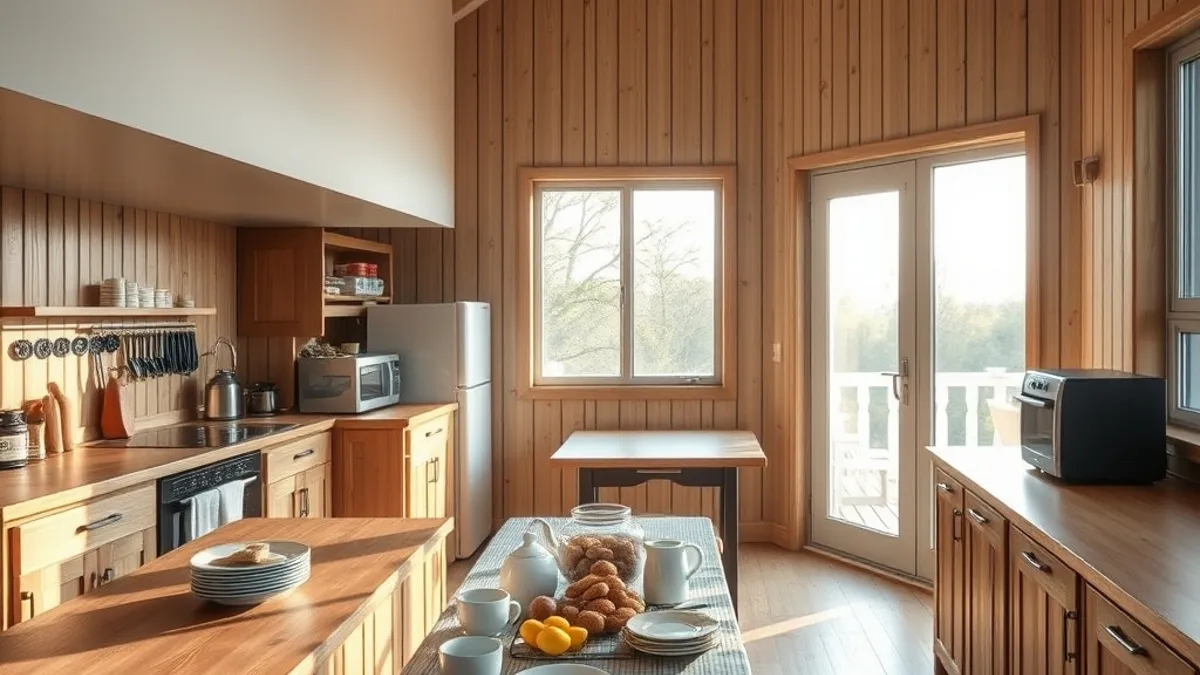
Food is where the self-catering math quietly falls apart. Many travelers budget for groceries at home, then discover that remote lodges sit hours from the nearest supermarket, leaving restaurants as the only realistic option. A family of four can easily spend $80-150 per day on restaurant meals at remote lodges, which can wipe out the nightly rate savings within a day or two.
Even when a proper grocery run is possible, expect sticker shock at the checkout. Groceries at remote lodge destinations often cost 20-40% more than in city supermarkets, thanks to long delivery routes and limited competition. That $150 grocery plan may quietly become $200. Budget for the markup, not the city price.
All-inclusive guests sidestep this entirely. Meals, snacks and drinks are already paid for, so there is no daily food math and no surprise bill at checkout. The trade-off: if you spend two days out on excursions and miss lunch and dinner at the lodge, you are effectively paying for meals you never eat.
- Count every meal, not just dinner. Remote lodge restaurants typically charge for breakfast, lunch, drinks and snacks too, so the $80-150 daily figure includes all of them, not one big dinner.
- Plan one large grocery shop. If the nearest town is a long drive away, a single big shop on arrival day beats multiple small trips, and helps you absorb the 20-40% remote markup more predictably.
- Match your plan to your itinerary. If your days are packed with outside excursions, a half-board or room-only rate may beat a full all-inclusive plan, since you won’t be around to eat the included meals.
- Ask about kids’ portions. Some lodge restaurants offer smaller, cheaper children’s plates, which can pull a family’s daily food bill toward the lower end of the range.
Activities and Equipment: Bundled or Pay-As-You-Go
Activities are where the gap between the two lodge types becomes most obvious. All-inclusive rates often bundle guided hikes, kayaking sessions or spa access that would cost $50-100 per person per day if you booked them separately. That value is real, but only if you actually use it.
Self-catering guests pay per activity, and that flexibility cuts both ways. If you plan just one or two excursions during your stay, paying as you go is almost always cheaper. You can also shop around locally, since independent guides outside the lodge sometimes charge less than the lodge’s own activity desk.
Are you actually an active traveler?
Be honest with yourself before booking. Low-activity travelers usually lose money on all-inclusive bundles, because they pay for kayaks, guided walks and spa slots that sit unused. If your idea of a lodge vacation is reading on the deck with two short walks a week, the bundled activities are pure overhead.
Active travelers, on the other hand, often break even or come out ahead. If you would realistically book a guided hike every morning and a paddle session every afternoon, the bundled rate effectively discounts activities you were going to pay for anyway. The math is simple: estimate what you would spend on activities at a self-catering lodge, compare it to the all-inclusive premium, and let that number decide.
When Each Option Wins: Trip Length and Travel Style
Trip length and travel style tip the scales more than most travelers expect, sometimes even more than the nightly rate itself. Self-catering lodges usually reward slow travelers with a discount of 10-20% for stays of 7 nights or longer, which compounds nicely with the savings from cooking your own meals instead of eating out. A week of slow mornings, picnic lunches on the trail and home-cooked dinners is exactly where self-catering shines. If you enjoy planning meals and don’t mind a supermarket run, the longer you stay, the better the math gets.
Short trips work differently. On a 2-3 night stay, all-inclusive often wins because there is no grocery shopping, meal prep or dishwashing to eat into your limited time. When you only have two full days at the lodge, spending half of one driving to a distant store and stocking a kitchen is a poor trade. Paying a bit more per night to have everything handled can be the smarter buy.
- Families with young children: all-inclusive predictability is gold. Kids can eat at set mealtimes, and parents avoid cooking dinner after a long day on the trail.
- Groups of friends: self-catering usually saves more, since splitting one large unit and shared grocery bills among several adults drives the per-person cost down fast.
- Couples on a quick getaway: an all-inclusive stay removes every logistical decision, which is often exactly what a short break is for.
- Remote locations: the further the lodge is from shops and restaurants, the more self-catering demands planning, so factor your drive time to the nearest store.
Match the lodge type to how you actually travel, not how you imagine you might travel. Be honest about whether you’ll really cook after a full day of hiking or skiing. The right fit depends on your group, your stay length and how much structure you want from your trip.
How to Book the Cheapest Option
Whichever lodge type you choose, a few booking habits reliably lower the bill. The steps below work for both all-inclusive and self-catering lodges, and none of them require inside knowledge or special connections. They simply reward travelers who plan a little ahead and ask the right questions before paying a deposit.
- Book early. Booking 3-6 months ahead typically secures the best rates for both lodge types, and early availability also means you can pick the better units, views or floor plans instead of settling for what is left. Popular lodges near national parks and ski areas often sell out their most desirable rooms first, so early bookers get real choice, not just savings.
- Travel in shoulder season. Peak season adds 30-60% to lodge rates, so shifting your trip to the quieter months just outside those windows can make a serious dent in the total. You also get better availability, easier parking and quieter trails as a bonus. Check the lodge’s own calendar, since peak dates vary by region.
- Ask about flexible plans. If you plan to eat out or cook, ask all-inclusive lodges for room-only or half-board rates; some offer them even when they are not listed on the website. A short phone call or email costs nothing and can reshape the whole quote.
- Do the total-cost math before paying. Compare the nightly rate plus your realistic food, grocery and activity spending for each option, not just the headline price. Write the numbers down side by side so you can see the true gap.
None of these steps costs anything but a little time, and together they can shave a meaningful amount off your trip. Lock in the dates early, aim for the quieter months, and always ask what a lodge can customize before you accept the standard package.
The Bottom Line on Lodge Costs
So which lodge actually costs less? It depends on how you travel. If you are planning a short, activity-heavy trip, the all-inclusive lodge usually comes out ahead, since guided excursions and meals are already covered. If you are staying a week or more and enjoy cooking and setting your own pace, the self-catering lodge typically wins, especially with discounts for longer stays.
The key is to stop comparing nightly rates and start comparing total trip cost: the rate itself, plus food, groceries, and activities. A cheaper-looking self-catering unit can lose its advantage once restaurant meals and paid excursions pile up. Whichever route you lean toward, booking 3-6 months ahead and traveling in shoulder season will save you money either way. If this helped you decide, leave a comment or share the article with your travel crew.