Picking between the Barcelona hotel areas is the first big decision of any trip to the city, and it is a genuinely confusing one. The Gothic Quarter, Eixample and Barceloneta each suit a very different travel style, and they differ sharply on price, noise and how much of the city sits outside your hotel door. A couple chasing nightlife will not want the same base as a family with kids or a beach lover.
This guide breaks down what each neighborhood actually feels like to stay in, what you can expect to pay, and the trade-offs nobody mentions until you arrive. We will compare atmosphere, access and noise levels, look at getting around from each area, and cover the best time to book so you pay less for the same room. By the end, you should know exactly which base fits your trip.
Why Your Choice of Barcelona Hotel Area Shapes the Whole Trip
Barcelona is a compact city, but the gap between its three most popular hotel neighborhoods is bigger than the map suggests. Where you sleep shapes how much you walk, how well you sleep at night, and whether your trip feels historic, residential or seaside.
Three neighborhoods, three different trips
The Gothic Quarter puts you inside the medieval old town itself. The cathedral, La Rambla and the narrow lanes of the Barri Gòtic are all on your doorstep, so sightseeing starts the moment you step outside. The flip side is the setting itself: streets are narrow, largely car-free and lively late into the night, which is atmospheric at dusk and less charming at 2 am.
Eixample takes a completely different approach. This is the planned 19th-century district with a clean grid of wide streets, and it offers the widest choice of mid-range and luxury hotels in the city. Buildings are taller, rooms are generally bigger, and the residential blocks are noticeably quieter than the old town.
Barceloneta, meanwhile, trades central sightseeing for sand. This compact former fishing district sits right on the beach, so your morning view is the Mediterranean rather than a cathedral. You give up some convenience and gain sea air.
Your pick ultimately determines walking distances to the sights, how exposed you are to nightlife, and whether you fall asleep to street noise or the sound of the sea. It is worth deciding before you book, not after.
Staying in the Gothic Quarter: Atmosphere, Access and Trade-offs
The Gothic Quarter is the obvious first pick for first-time visitors, and for good reason. Stay here and the cathedral, La Rambla, El Born and Plaça de Catalunya all sit within a 10 to 15 minute walk. You can pop back to your room between sights, drop off shopping bags and keep exploring without ever needing the metro.
What the rooms are like
Accommodation here is mostly small hotels and guesthouses in converted historic buildings, which means character in the common areas and compact rooms upstairs. In mid-season, rates typically range from about €120 to €250 per night. Expect the odd quirky layout, a small lift or none at all, and windows that open onto streets barely wide enough for a delivery van.
The trade-offs you should know about
The downsides are real. Walls in older buildings tend to be thin, and the area around La Rambla and Carrer Ferran stays noisy late, with bars drawing crowds until the small hours. Few hotels here have pools or gyms, so if those matter to you, Eixample will serve you better.
There is a simple fix for the noise: when booking, ask for a room facing an interior courtyard or on an upper floor. That one request moves you away from the bar noise, which typically runs until around 2 or 3 am on busy streets. Do it, and the Gothic Quarter delivers the atmospheric old-town stay most visitors picture, without the 3 am soundtrack.
Eixample: The Balanced Choice for Space, Design and Quiet
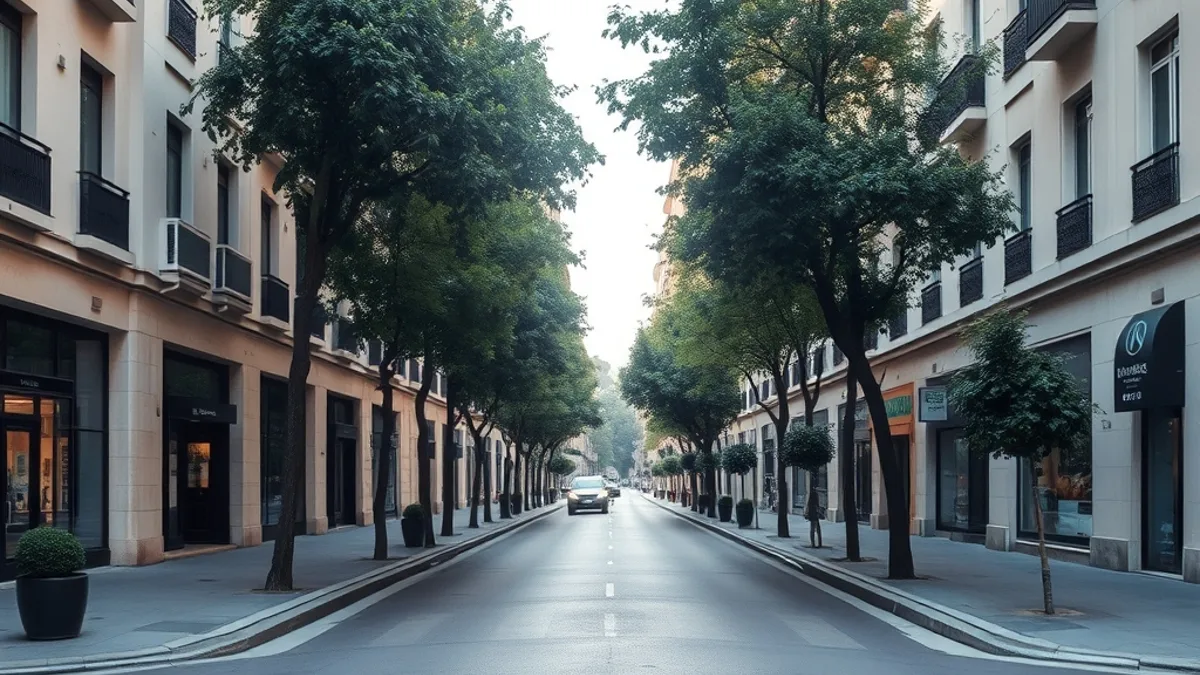
If the Gothic Quarter is about atmosphere and Barceloneta is about the beach, Eixample is about comfort. This district stretches from Plaça de Catalunya toward the Sagrada Família in an orderly grid that was laid out in the 1800s, and that layout makes navigation genuinely simple. Streets are wide and well lit, so walking home at night feels safer than in the tangled lanes of the old town.
Design hotels and rooftop pools
Eixample is the city’s showcase of modernist architecture, with ornate facades lining its main avenues. It also has the widest hotel selection in Barcelona, including many design hotels and properties with rooftop pools, something you will rarely find in the old town. Mid-range rooms typically cost €100 to €200 per night, with luxury properties above €300, so there is something at nearly every budget.
Best for longer stays and families
This is also the most practical base for longer trips and families. Hotels here offer bigger rooms, buildings have lifts, and residential blocks are quieter than the old town. You will find supermarkets, pharmacies and everyday services on nearly every block, which matters far more on a week-long stay than on a weekend.
When choosing a street, look near Passeig de Gràcia if you want shopping and the Gaudí landmarks on your doorstep. For a calmer base at similar convenience, aim for Dreta de l’Eixample, the right-hand part of the district, where residential blocks dominate and tourist crowds thin out. Either way, you keep easy access to the center without sleeping above a bar.
Barceloneta: Beach First, City Second
Barceloneta makes sense when the beach is the reason you came. Most hotels here sit so close to the water that the sand starts about 5 minutes from your door, and you can fit in a morning swim before breakfast without any real planning. If your ideal day ends with your feet in the sand rather than in a museum queue, this is your area.
The neighborhood itself is a compact former fishing district, and that heritage shows up on every plate. Seafood restaurants line the narrow streets, and the boardwalk atmosphere carries from morning joggers to late-evening strolls along the waterfront. Rates for beachfront stays usually start around €150 per night, and they rise sharply in July and August, when everyone wants the same sea view.
The trade-offs to weigh
Rooms and apartments here tend to be small, reflecting the district’s dense, old residential layout. Metro access is limited to one main station, so reaching sights on the other side of the city usually means a transfer or a longer walk. In summer, beach bars can keep the noise going well past midnight, so light sleepers should pack earplugs or ask for a room away from the seafront side.
The good news is that you are never fully cut off from the old town. The waterfront walk to the Gothic Quarter takes roughly 15 to 20 minutes, flat and pleasant the whole way. You get beach mornings and cathedral afternoons without ever needing a taxi.
Getting Around from Each Barcelona Hotel Area
Getting around Barcelona is easy from any of the three areas, but each base gives you a different kind of convenience. The Gothic Quarter puts most central sights within walking distance, so you can go days without touching public transport. When you do need it, the L3 metro line connects you to the airport in about 25 to 35 minutes, which makes arrivals and departures refreshingly simple.
Eixample is the transport winner. The neighborhood sits on several metro lines (L2, L3, L4 and L5), which means you rarely wait long for a train and rarely need more than one change. That network also gives you the fastest transfers to Sants station, the main hub for day trips out of the city by train.
Barceloneta relies on the L4 yellow line, and from many hotels you will face a longer walk to the platform than you would in the other two areas. Taxis from the airport take about 25 to 35 minutes, so arriving by car is a reasonable option here.
- Bikes and scooters work brilliantly in Eixample, where wide streets and dedicated lanes make riding relaxed even for beginners; rental stands are easy to find along the bigger avenues.
- In the Gothic Quarter, the same bikes become awkward, since narrow alleys, cobbles and constant pedestrian traffic make riding slow and occasionally stressful.
- From Barceloneta, a rented bike doubles as a pleasant compromise: the flat seafront promenade makes the ride toward the old town or the Olympic port area enjoyable rather than a commute.
When to Book and How Much You Will Pay
Timing your booking matters almost as much as picking the right neighborhood. The sweet spot is May, September and October, when the sea is still warm enough for swimming and rates run 20 to 30 percent below the July and August peaks. You get the beach weather without the highest prices or the thickest crowds on La Rambla.
How far ahead to book
For shoulder-season dates, reserving 2 to 3 months ahead is usually enough to find good availability at fair prices. July and August are a different story, especially for beachfront rooms in Barceloneta: aim for 4 to 6 months ahead if you want a specific hotel or a sea-facing room rather than whatever is left.
One trap to avoid is the major events calendar. Mobile World Congress, held in late February or early March, fills the city with business travelers, and central hotel prices can double for several days around it. If your dates are flexible, travel just before or after the event rather than during it.
In winter, the calculation changes again. Occasional rain can shift your plans, so paying the small premium for a free-cancellation rate is worth it. It costs a little more up front but saves you from losing the full amount if a wet forecast convinces you to move your dates.
Picking the Right Base for Your Barcelona Stay
So which area should you pick? If this is a short first visit built around history and atmosphere, the Gothic Quarter puts you steps from the cathedral and La Rambla. If you want comfort, space and a longer stay, Eixample is the balanced choice. If the beach is the point of the trip, Barceloneta delivers sand within minutes of your door.
Three factors settle it: your budget, your noise tolerance and how much sightseeing you actually plan to do. Whichever area wins, booking 2 to 3 months out for May, September or October gives you the best mix of price and weather. If that matches your travel style, leave a comment with your pick or share this article with someone planning a Barcelona trip.