A villa with sun-drenched photos, a sparkling pool and glowing descriptions can still be an illegal rental. In several popular destinations, local authorities actively shut down unlicensed properties, sometimes shortly before arrival or even mid-stay, leaving travelers scrambling for last-minute accommodation at inflated prices. That risk is exactly why you should check a villa is licensed before you hand over any money.
The good news is that verification is straightforward once you know what to look for. This guide walks you through finding the license or registration number in a listing, checking it against the official regional registry, vetting the host and payment setup, reading reviews for signs of legitimacy, and timing your booking so none of these checks feel rushed. Follow the steps in order and you will know, with reasonable confidence, that the villa you booked legally exists and will still be standing when you land.
Why You Should Check a Villa Is Licensed Before You Book
The biggest practical risk with an unlicensed villa is simple: you may not have a place to sleep. Local authorities in many destinations can order unlicensed rentals to stop operating, sometimes shortly before your arrival and sometimes while you are already there. When that happens, your deposit may be gone and replacement accommodation in high season can be scarce and expensive.
Safety standards you can’t see in photos
Licensing is not just paperwork. Licensed villas are typically required to meet basic safety standards, such as working smoke detectors, pool fencing or safety barriers, and clear emergency exit information in the property. An unlicensed villa has no one checking any of this, which matters most when you are traveling with children or staying somewhere remote.
Why the responsibility falls on you
Booking platforms host millions of listings and rarely verify every property themselves, so a listing appearing on a major site is not proof of legality. On top of that, many travel insurance policies exclude claims tied to illegal or unlicensed rentals, meaning a cancelled illegal stay may not be covered at all. A few minutes of checking protects both your holiday and your wallet.
Find the License or Registration Number in the Listing
Most legitimate European villa listings display a registration or license number somewhere in the listing text. This small string of letters and digits is your first real proof that a property is operating legally, and finding it takes only a few minutes once you know where to look and what to ask for. Treat it as a dealbreaker: if a listing has no number at all, that alone is reason to pause before you get attached to a pool or a sea view.
- Scan the property description. Look for a tourism license, registration or permit number, often near the bottom of the property details where hosts add the legal fine print. Read that section carefully rather than stopping at the amenities list.
- Recognize the format. In many European regions the number appears as a code with letters and digits, for example a registry prefix followed by numbers. If you see a short alphanumeric code in the description, that is usually it.
- Message the host if nothing is shown. If no number appears in the listing, send the host a direct message and ask for the property’s official registration before going any further with the booking. Keep the conversation on the platform so you have a written record.
- Push back on vague answers. Replies like “the agency handles it” or “everything is legal, don’t worry” are warning signs, not answers. Ask again for the exact code, and treat a refusal to provide one as a reason to walk away.
It helps to run this check before you fall in love with a property, not after. A legitimate host will almost always answer a request for a registration number quickly and without fuss, because they provide it to every guest as routine. Long delays, copy-paste answers or sudden changes of subject usually mean the host either does not have a license or hopes you will stop asking. Either way, you have your answer.
Keep a note of the code you are given, along with the exact wording of the host’s reply. If anything feels off later, you will want that record. Once you have a code in hand, the next step is confirming it actually exists and belongs to this property. That is where the official regional registry comes in.
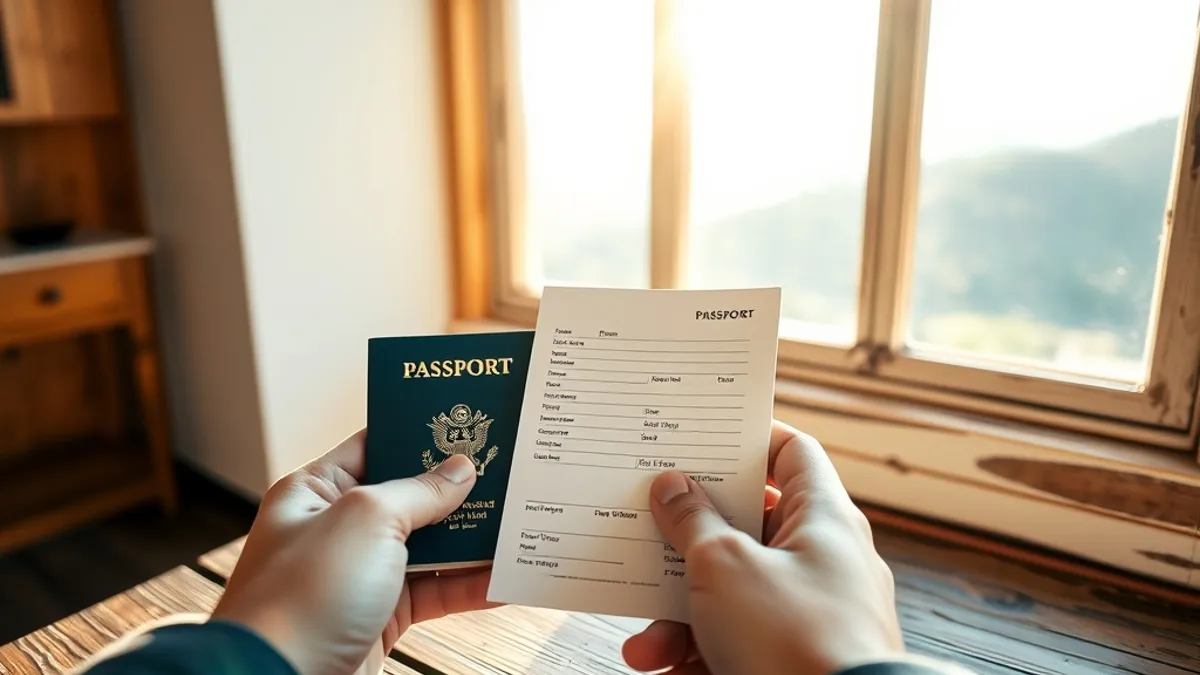
Verify the Number on the Official Regional Registry
Finding a license number proves the host knows the rules; verifying it proves the number is real. Regional tourism registries let you do this yourself in minutes, and the process is usually free. It is one of the most effective ways to separate a genuine rental from a risky one before any money changes hands.
- Find the official registry. Search for the tourism authority website for your destination’s region, such as the regional registries used in Spain, Italy, Greece or Croatia. Make sure you are on the official government or tourism authority site, not a copycat page. When in doubt, start from the tourism board’s main website and click through to the registry from there.
- Enter the license code. Type the code from the listing into the registry’s search tool. A genuine registration should return a record for the property. If the search returns nothing, double-check for typos first, since a single wrong digit is a common cause of failed lookups.
- Compare the details. Confirm that the registered address matches the villa’s listing address, and that the status shows as active rather than expired, suspended or pending. A mismatch in the address is a red flag worth investigating. Also check whether the registered owner or manager name matches the person you are dealing with.
- Email the tourism office if needed. If the registry is unclear or you cannot find an online search tool, email the tourism office directly with the code and listing address. Allow 24-48 hours for a reply, and build that wait into your booking timeline.
- Screenshot everything. Save a screenshot of the registry result showing the property, address and active status. If a dispute arises later, this is your proof that you verified the rental in good faith.
With a verified number and a screenshot saved, you have done the core legal check. It takes little time, costs nothing and gives you solid ground before discussing contracts or deposits. The next layer of protection involves the host’s identity, the contract and how you pay.
Check the Host, Contract and Payment Details
Once you have a license number, the next step is to confirm the person asking for your money is the person the registry knows about. Ask the host for the owner’s or property manager’s full legal name and a local contact number, then compare both against the registry record. If the registry lists a management company but your contact claims to be a private owner, get a clear explanation in writing before you continue. A legitimate host will not object to this request, and hesitation at this stage is far easier to walk away from than a lost deposit later.
Before any payment, request a written contract. It should state the villa’s full address, your exact dates, the total price and the cancellation terms. A legitimate owner or agency will send this without hesitation; refusing or delaying is a signal to slow down and ask more questions before moving forward.
Deposits for licensed villas typically range from 20-30% of the total rental price, with the balance due closer to your arrival date. Anything demanding full payment upfront deserves extra scrutiny, especially if it comes with pressure to pay quickly.
- Ask who holds the deposit: an agency account in the company name is normal, while a personal account in a different country or a different name is not.
- Check that the contract names the same entity that appears on the registry, since a mismatch between paperwork and registration often means an informal sublet.
- Request an invoice or receipt for the deposit that references the property and your dates, giving you a paper trail if a dispute arises.
- Confirm the cancellation terms in the contract match what the listing advertised, so you can rely on them if plans change.
- Pay by a traceable method such as a credit card or bank transfer, and avoid wire services or payment apps that offer little recourse if something goes wrong.
Read Reviews and Listing Signals That Reveal Legitimacy
Reviews are one of the hardest things to fake at scale, so use them as a legitimacy filter. Prioritize listings with 20 or more reviews, and read them for specifics: guests who mention smooth check-in, accurate photos and a host who answered quickly are describing a well-run, genuine rental. A reading of an actual licensed property, such as this review of a villa in Oia, Santorini, shows the kind of concrete detail real guest feedback tends to include.
Price is the second signal. Be cautious of rates far below the local norm; licensed villas in popular Mediterranean regions commonly run $150-600 per night depending on season and size, so a $60 “luxury” villa is suspect. Scammers use low prices to rush you past your doubts.
Finally, step outside the booking platform. Search the villa’s name and location together with words like “review” or “scam” to surface traveler reports on forums and social media that platforms never show you.
- Compare the listing against the host’s other properties: photos, amenities and bed counts should stay consistent, since recycled images from other villas are a common scam pattern.
- Look for reviews that mention the neighborhood or view matching the photos, which is hard to fake and easy for a fake listing to get wrong.
- Check when reviews were posted; a cluster of glowing reviews all written within a few weeks deserves more suspicion than feedback spread across several seasons.
- Reverse-image-search two or three listing photos to see if they appear on other properties or stock photo sites.
Time Your Booking Around Verification
Verification takes time, so build it into your planning rather than treating it as a box to tick the night before you pay. Start the process 3-6 months before peak season travel, which means June-August for Europe and December-January for the Caribbean. That window gives you room to find the license number, confirm it on the regional registry and review the contract without pressure.
Why early verification pays off twice
There is a practical bonus: licensed villas in sought-after regions book out first, so verifying early gives you the widest choice of genuinely legal properties. Travelers who skip the checks often end up choosing from whatever is left, which skews toward unlicensed or poorly run listings.
Resist last-minute pressure
Last-minute bookings are where good travelers make bad decisions. Urgency pushes you into skipping registry checks or accepting a wire transfer because “someone else is interested.” If a host claims the villa will be gone within hours unless you pay by bank transfer, walk away.
Build in about a week for registry confirmation and contract review before paying any deposit. If the registry needs a day or two to reply and the contract needs a careful read, that buffer keeps the process calm and protects both your holiday and your budget.
Booking a Licensed Villa With Confidence
Villa photos can look flawless online, yet an unlicensed rental can be cancelled or shut down mid-trip, leaving you scrambling for beds at the worst possible moment. The good news is that verifying legitimacy takes little more than a few messages and a registry search before any money changes hands.
The full picture comes down to a handful of steps: a registration number you found in the listing, verified on an official regional registry and matched to the host’s legal name, plus a written contract, a 20-30% deposit paid by a traceable method and reviews that confirm smooth check-ins. Start your checks 3-6 months before peak season and the whole process stays calm, giving you the widest choice of villas and protecting your holiday budget from last-minute pressure. If this guide helped you sort a legitimate villa from a risky one, leave a comment or share it with a fellow traveler.