Crete is a big island, and that size catches travelers out. Pick a resort in the wrong area and you can spend half your holiday in the car, or find yourself far from the tavernas and sights you came for. A good Crete resort guide starts with one question: which of the island’s three main resort areas actually fits your trip?
This guide compares the Chania area in the west, Rethymnon in the middle and the Heraklion area in the center-east. We look at what each region offers in terms of beaches, towns, resorts and access to sights, then cover what resorts typically cost and when to book for the best value. We finish with a practical match-up: couples, families, beach hunters and short-stay travelers each fit a different area best. Read this before you book, and you’ll know exactly where to base yourself.
How Crete’s Three Resort Areas Differ
Crete stretches a long way from west to east, and its three main resort areas each serve a different kind of traveler. Understanding the differences before you book is the single most useful thing you can do for your trip.
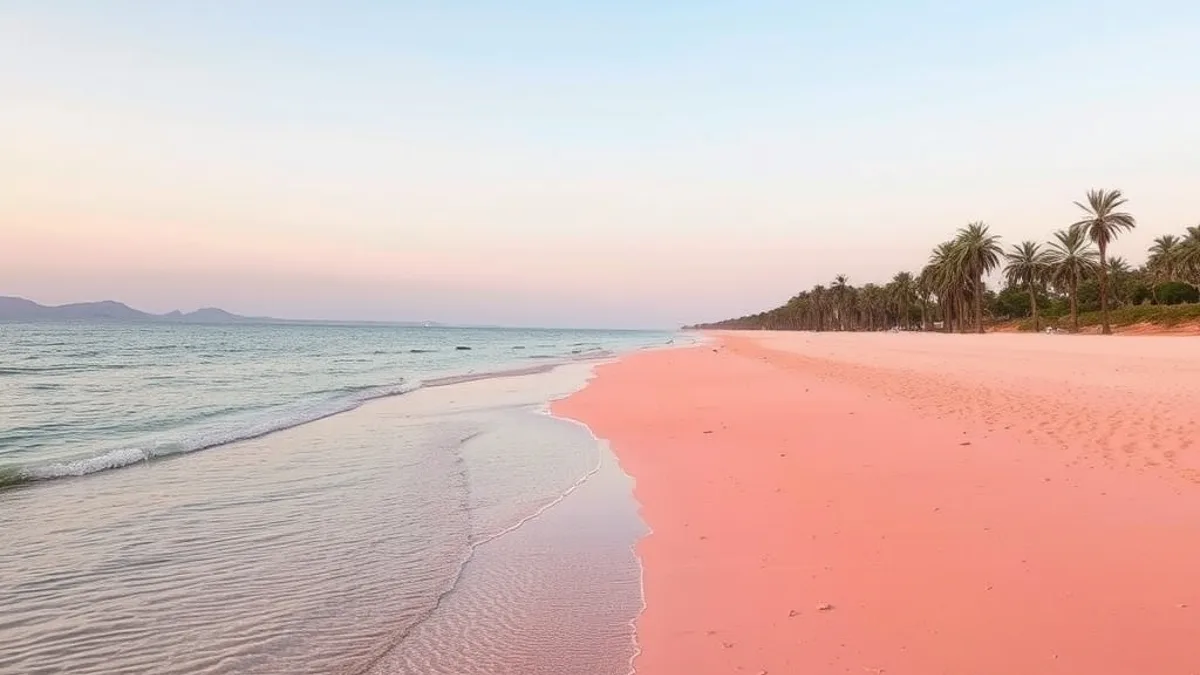
Chania, in the west, suits travelers who want a historic harbor town combined with access to some of Crete’s wildest beaches. Elafonisi, the famous pink-sand lagoon, lies about 75 km southwest of Chania, and other dramatic beaches are scattered along the same coast. If your holiday picture involves scenery and day trips, this is your area.
The middle and the east
Rethymnon sits roughly midway between the two airports, which makes it the easiest spot to reach from either side of the island. It pairs a long sandy beach with a compact Venetian old town, so you get beach time and evening atmosphere without long transfers.
Heraklion, in the center-east, is the practical base for sightseeing. The Minoan palace of Knossos is just 5 km from the city, and the island’s busiest airport sits roughly 5 km from downtown. If you want to see the major archaeological sites with minimal driving, base yourself here.
Why distances matter
Chania to Heraklion is about 140 km, a 2.5-3 hour drive along the north coast highway. That means switching areas mid-trip effectively costs you half a day, door to door. Most travelers are better off choosing one area and planning day trips from it, rather than splitting a one-week stay between two bases.
Resorts in the Chania Area
The Chania area clusters its accommodation in two zones: around Chania town itself, where harbor-side boutique stays and small hotels dominate, and along the beaches of Agia Marina, Platanias and Kolymbari to the west. The town options put you steps from restaurants and the Venetian harbor; the beach resorts give you sand and pools with tavernas within walking distance.
What you’ll pay
Expect mid-range rates of €90-180 per night in shoulder season, which covers the quieter months outside the summer peak. Seafront luxury properties start from around €250 per night and climb from there, especially for rooms with direct beach access. Prices vary by property and date, so check current rates for your travel window.
Who this area suits
The Chania area works best for travelers who plan day trips. Elafonisi is a 1.5-2 hour drive southwest, and Falassarna and Balos sit at similar distances, so a rental car is almost essential if you want to reach the wild west-coast beaches. If you’d rather not drive every day, the town and nearby beaches still make a pleasant base.
One practical note on flights: Chania airport is about 15 km from town and serves mostly seasonal European routes. Depending on your departure country, your flight choice can decide which day of the week you arrive, so check schedules early when planning.
Resorts in the Rethymnon Area
Rethymnon’s main beach stretches several kilometers east of the old town, which means many resorts here are genuinely walkable to tavernas, shops and cafes. You can stay in a beach hotel and still stroll into town for dinner, something that’s harder to arrange in more spread-out resort strips. For couples and mixed groups, that walkability is often the deciding factor: no shuttle buses, no designated drivers, no planning your evenings around a taxi.
A practical single base
Rethymnon’s central position makes it the island’s best single-base choice. Both Chania and Heraklion airports sit within comfortable driving distance, so you avoid the long transfers that come with basing yourself at either end of the island. That flexibility also matters if flight prices or schedules differ between the two airports, since you can compare fares on both and pick whichever arrival works best. Check current transfer times with your operator or a mapping tool before booking, as they vary with traffic and season.
Evenings beyond the pool
The town itself mixes a Venetian fortress, an Ottoman old town and a working waterfront, giving resort stays an evening life that many purpose-built resorts lack. You can wander narrow lanes after dinner, sit at a harbor cafe or watch fishing boats come in, all without needing a car or a taxi.
Rethymnon is also well placed for the south coast. Day trips to Preveli and the Libyan Sea beaches are feasible from here, while the same trip from Heraklion means a long cross-island drive. If you want a mix of beach, town life and a taste of Crete’s wilder southern shore, this area balances all three better than either end of the island.
Resorts in the Heraklion Area
Heraklion is the practical choice if your trip is built around sightseeing rather than long beach days. The city sits roughly in the middle of the island’s north coast, and the resort strips fan out from it in both directions. Head east and you pass through Ammoudara, then the bigger resort towns of Hersonissos, Stalida and Malia. Head west and the coastline turns calmer, with small-bay resorts around Agia Pelagia.
Transfers here are the shortest of the three areas. Heraklion airport sits only about 5 km from the city center, so you can be at a resort in Ammoudara or Agia Pelagia within minutes of landing, and even the eastern resorts involve a fairly short drive along the coast. That matters if you arrive on a late flight or have restless children in the back seat.
Sightseers get the best deal here too. Knossos lies about 5 km southeast of the city, so a morning visit before the tour buses arrive is easy from almost any Heraklion-area base. The Archaeological Museum, with the island’s major Minoan finds, is in the city center itself.
The character of each strip differs more than the map suggests:
- Hersonissos has a long seafront lined with larger resorts, many operating all-inclusive family packages, plus a busy evening strip of bars and clubs a short walk inland.
- Malia is the loudest name on the coast, known for nightlife aimed at a younger crowd, though quieter family-oriented properties sit on its outskirts toward Stalida.
- Stalida sits between Hersonissos and Malia with a sandy, shallow-entry beach, which is why families with young children often pick it over its busier neighbors.
- Ammoudara offers a long, straightforward beach just west of Heraklion city, handy if you want an urban base with sand within walking distance.
- Agia Pelagia is a small curved bay with a compact cluster of hotels and tavernas, better suited to couples and quiet stays than to resort entertainment.
When to Book and What Crete Resorts Cost
Crete’s resort season runs roughly May to October. Outside those months most beach hotels close or operate reduced services, so your dates effectively choose your resort. If swimming is the priority, aim for the warmest water: sea temperatures peak in August and September at around 24-25°C, and the sea stays comfortably swimmable well into September even as the air cools.
The shoulder months change the experience more than you might expect. May, June, late September and October bring lower prices and thinner crowds than July and August, and the light in late September is noticeably softer for anyone photographing harbors and coastlines. Early May can still feel fresh in the evenings, so pack a layer even on a beach-focused trip.
What you’ll pay
Mid-range resorts in all three areas cost one rate in shoulder season and a noticeably higher one at the height of summer, while luxury seafront properties sit in a different league altogether. July and August are the peak months, when nightly rates typically run 30-50% higher than in May, June or October. In practice, that means the same room you’d book comfortably in June can push past the luxury threshold in August, and seafront rooms with the best views are the first to sell out at those prices.
How far ahead to book
For July and August stays, booking 3-6 months ahead is advisable, especially if a seafront room or a specific area is non-negotiable. Family-sized rooms and all-inclusive packages in the Heraklion-area resorts also go early. If you’re flexible on dates and happy with a pool-view room, shoulder-season deals can often be booked much closer to travel, but don’t count on last-minute bargains in August.
Matching the Area to Your Trip
Most trips to Crete fail not because of the wrong hotel but the wrong base. The island is bigger than it looks on a map, and once you’ve committed to an area, day trips in the wrong direction eat whole days. Match the base to what your trip is actually about, and the rest falls into place.
Couples who want evenings in town plus beach time usually fit Rethymnon or Chania’s harbor-side stays. Both put tavernas, bars and old-town streets within a short walk of the sand, so you get a real town atmosphere after dark rather than a hotel-only evening. Families with children tend to do best in Hersonissos or Stalida near Heraklion, where shallow beaches and resort facilities cluster and everything from kids’ pools to boat trips is close by.
Beach-driven trips with a car budget suit the Chania area. Elafonisi, Falassarna and Balos all sit well out from Chania town, so a week based there lets you work through them one at a time without ever feeling like a forced march. Just accept that each famous beach is a full-day outing, not a quick morning hop.
- Romantic short breaks: Chania’s old harbor works well for a 3-4 night stay, since you can walk everywhere and the airport is only about 15 km from town.
- First-time family trips: look for all-inclusive or half-board properties in Stalida specifically if your children are under ten, as the gently shelving beach removes the usual wave-and-depth worry.
- Road-trip style weeks: base in Chania but consider one or two overnight stops east, because a single Chania base means repeating the long drive west for every famous beach.
- Culture-focused itineraries: Heraklion wins outright, keeping Knossos within 5 km and the Archaeological Museum in the city center, so you can split sightseeing across mornings and still swim in the afternoon.
- Mixed groups: Rethymnon’s midway position works when half the group wants beaches and half wants towns, since either airport is about an hour away and the old town keeps non-beachers busy.
Wrapping Up the Crete Resort Guide
Crete is too big to resort-hop blindly, so the real decision comes before you book: which of the three main areas fits your trip. Chania rewards beach and scenery trips, with Elafonisi and the west coast within reach. Rethymnon balances town and sand, pairing a long beach with a lively old town. Heraklion wins on sightseeing and short transfers, putting Knossos about 5 km away and the airport roughly 5 km from the center.
A few numbers help you plan around the choice. The season runs roughly May to October, peak-season rates run 30-50% above shoulder months, and booking 3-6 months ahead matters for July and August. Since Chania and Heraklion sit about 140 km apart, picking one area as a base keeps a week on Crete relaxed rather than rushed. If this guide helped you plan, leave a comment or share it with a fellow traveler.