Planning Dolomites lodge stays can feel paralyzing the moment you open a map. Val Gardena, Alta Badia, Val di Funes and Cortina d’Ampezzo all look tempting, yet they differ wildly in trail access, lift season and price. Pick the wrong valley for your hiking style and you could spend your week driving instead of walking.
This guide breaks the decision down into manageable pieces. We cover why the Dolomites work so well as a lodge-based hiking destination, which weeks offer the best weather and value, how to choose between the main base valleys, what separates a true hiking lodge from an ordinary hotel, and how to budget and book. A sample seven-day itinerary shows how it all fits together, and a short wrap-up pulls the key decisions into one checklist.
Why the Dolomites Work So Well for Lodge-Based Summer Hiking
The single biggest advantage of a lodge base in the Dolomites is the lift network. Cable cars and chairlifts whisk hikers from valley floors up to plateau heights in minutes, letting you start your walk at 2,000 meters or more instead of climbing for hours from the bottom. On a typical day that saves two to three hours of uphill effort, which means you can cover more scenic ground and still be back at your lodge for a late-afternoon swim or sauna.
The trail network is just as impressive. Marked paths crisscross the massifs in every direction, and the classic rifugio-to-rifugio routes link mountain huts with dorms and dining rooms, making multi-day traverses straightforward to plan. Even if you sleep in the same lodge all week, you can assemble a different loop each day from your doorstep, mixing lift-assisted high routes with gentler valley walks.
A compact range that keeps driving short
Geography helps too. The main hiking valleys sit close together: Val Gardena, Alta Badia and Cortina d’Ampezzo are all within roughly 1-1.5 hours of each other by car. That makes day trips between valleys easy if weather or mood pulls you elsewhere, and it means a single week based in one lodge still gives you access to a large share of the range’s highlights.
Best Seasons for Dolomites Lodge Stays
The prime summer hiking season runs from mid-June to late September, which is also when the lift networks run reliably. Outside that window, high routes can hold snow or mud, and many cable cars close for maintenance or seasonal shutdown. Within those months, though, conditions vary more than first-time visitors expect, and timing your week well matters almost as much as choosing the right valley. Weather can shift quickly in the high mountains, so build some flexibility into your plans.
July and early August bring the warmest weather but also peak crowds and prices, with popular trails and lift stations at their busiest. The shoulder windows reward travelers who can shift their dates: mid-June and mid-September offer quieter trails and lower rates, and each has its own distinct character.
- Late June is prime time for alpine flowers, with meadows at their most colorful, and high-altitude passes and via ferrata routes are usually snow-free only from late June, so this is often the earliest safe window for the big ridge walks.
- September brings notably stable weather patterns, larch valleys starting to turn golden, and the lowest summer rates of the season, a combination that suits photographers and budget-conscious hikers alike.
- Early June and October are best avoided if you want open lifts and full trail access, since cable cars generally operate only early June to early October and early-month starts can catch the tail of spring snowmelt or the first autumn closures.
Check lift opening dates for your specific valley before booking, as individual cable cars set their own schedules and can differ by a week or more. A quick look at the operator’s website, or an email to your lodge, will usually settle it in minutes.
Choosing Your Base Valley
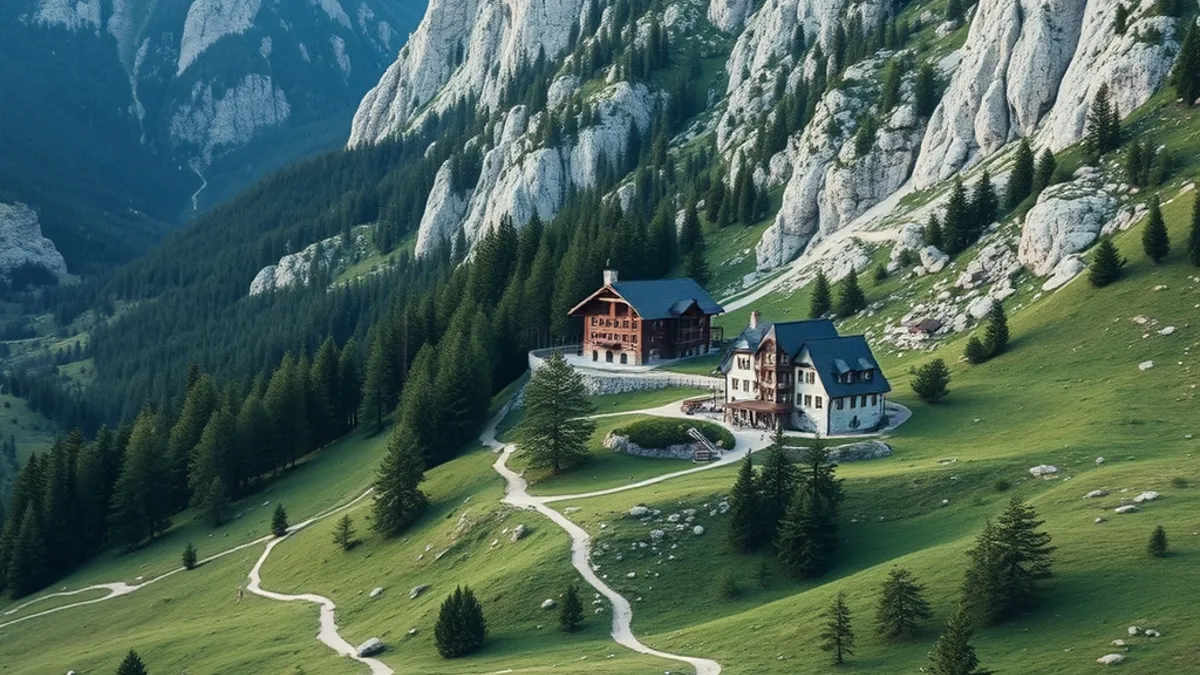
Choosing where to sleep shapes your whole week in the Dolomites, because each of the four classic base valleys attracts a slightly different kind of hiker. Val Gardena suits lift-lovers, Alta Badia rewards food-focused walkers, Val di Funes appeals to quiet-seekers, and Cortina delivers drama at a premium. All four sit within driving distance of each other, so you can’t really go wrong, but you can make your week noticeably easier or harder depending on where you base yourself. Think about how much driving you want to do each morning, whether you prefer starting high from a cable car or climbing from the valley floor, and how important atmosphere matters to you after a long day on the trails.
- Val Gardena pairs the region’s best lift access with the famous Sella Ronda circuit, a loop around the Sella massif that you can walk in a day with lift help, which makes it the natural pick for first-time visitors who want maximum variety with minimum planning.
- Alta Badia offers gentler meadow trails across high plateaus and one of the strongest food cultures in the Alps, with mountain restaurants that draw gourmets from across Europe, an ideal fit for mixed-ability groups where some hikers want big days and others want short walks plus a long lunch.
- Val di Funes is a quiet, lower-altitude side valley known for its isolated church spire beneath the Odle ridgeline, and it works best as a base for village-to-village walking rather than high-altitude circuits.
- Cortina d’Ampezzo delivers the most dramatic scenery in the range and direct access to classic via ferrata routes, but its name recognition and Olympic history come at higher prices than the western valleys.
If you’re unsure, Val Gardena is the safest all-round choice, while returning visitors often drift toward the quieter valleys once they know what kind of hiking they prefer. It’s also worth remembering that your base valley affects more than just trails: village size, evening atmosphere and how busy the local lifts feel all vary from valley to valley. Whichever you pick, check that your lodge sits close to a lift station or trailhead so you spend your time hiking rather than driving.
What to Look for in a Hiking Lodge
The single biggest time-saver in a Dolomites lodge stay is location. If your lodge sits within easy walking distance of a cable car station or a marked trailhead, you can be on the mountain before mid-morning without touching the car. Parking near popular lift stations fills up fast in July and August, so a lodge you can walk from turns a stressful hunt for a spot into a five-minute stroll.
Food logistics that make long days possible
Full-day hikes in the Dolomites often start early, so ask whether the lodge serves breakfast from the early hours and whether it can prepare a packed lunch. A sandwich, fruit and snacks from the lodge usually beat whatever you can improvise at a small village shop, and rifugio lunches on high routes can be slow when terraces are crowded. Confirm both services when you book, since not every lodge offers them year-round.
Hiking-focused lodges tend to share a few telltale facilities: a dedicated boot room with drying racks or heated boot dryers, gear storage, and a sauna or small wellness area for tired legs. If a lodge advertises these, it almost certainly hosts hikers regularly and understands what they need. They are also simply pleasant after a wet trail day.
On pricing, half-board options typically add €25-45 per person per day versus room-only. That can be good value if you would otherwise eat out nightly, but check whether the dinner menu is fixed or offers choice, and whether drinks are included.
Budgeting and Booking Your Stay
Summer lodge rates in the Dolomites typically range from about €120 to €350 per night for a double room, depending on the valley, the lodge’s standard and how close you are to peak season. Cortina d’Ampezzo generally sits at the upper end of that range, while quieter valleys offer more mid-range options. Prices also climb noticeably in July and early August, when the warmest weather draws the biggest crowds.
Timing your booking matters as much as choosing the valley. For July and August stays, plan to book 3-6 months ahead, especially if you want a specific lodge or a room with a view. September is more forgiving and usually allows shorter lead times, though the most popular lodges still fill up.
- Many lodges in peak weeks run on a Saturday-to-Saturday cycle, which can limit flexibility if you want a five- or six-night stay; smaller family-run lodges are often more open to other arrival days.
- Shoulder-season stays in mid-June or mid-September often cost 20-30% less than the same room in peak weeks, so shifting your dates by a couple of weeks can meaningfully stretch your budget.
- Ask whether the local tourist tax is added to your bill at checkout rather than paid upfront, so you can budget for it separately.
- If you plan to use lifts daily, check whether your lodge or local tourist office offers a guest lift pass or discount card, which can offset a noticeable share of your daily costs.
One practical tip: when comparing rates, check what is included. Breakfast, spa access and parking can be extras at some lodges and standard at others, which can swing the real price by a surprising margin.
Sample Summer Week from a Dolomites Lodge Base
A week from a single lodge base works well in the Dolomites because you can mix gentle acclimatisation days with big lift-assisted mountain days, all without repacking a suitcase. Unpacking once, sleeping in the same bed and getting to know one valley’s trail network makes the trip feel restful rather than rushed. The plan below assumes the core hiking window from mid-June to late September, when lifts are running and high routes are generally snow-free from late June onward. If you are traveling in July or early August, expect the warmest weather but also the busiest trails and the highest lodge rates, so start your hiking days early to beat both the crowds and the midday heat. Adjust the order of the days to suit the weather forecast, since afternoon thunderstorms are common in summer and are best avoided on exposed high routes.
- Days 1-2: acclimatise low. Spend your first two days on valley-floor walks around your base village. These easier trails let your legs and lungs adjust to the altitude while you get a feel for trail marking, local buses and where the lift stations are. It is also a good moment to confirm lift opening times and book any rifugio lunches for later in the week.
- Days 3-4: go high with the lifts. Use cable cars to reach lift-assisted high routes, such as circuits around the Sella massif or the wide, rolling trails of the Alpe di Siusi plateau. Starting high cuts hours of climbing out of each day and leaves energy for the scenery. Carry layers, since conditions on exposed plateaus can change quickly even on warm valley days.
- Day 5: rest and recharge. Book a spa or rest day at the lodge. Midday heat can make even fit hikers glad of a break, and a sauna or pool session helps legs recover before your final push. Many hiking-focused lodges offer this kind of facility, so it is worth planning the rest day where you stay rather than losing trail time elsewhere.
- Days 6-7: one big point-to-point hike. Finish with a longer point-to-point route, ideally with a rifugio lunch along the way. Plan it as a highlight, keep the pace relaxed, and leave your last day light enough for packing and departure. Check bus or taxi options for the return leg before you set out, since point-to-point routes rarely end where they begin.
Build in a little slack. If a thunderstorm or tired legs force a change, swap the spa day with a hiking day rather than cutting a hike entirely. Keep a short list of low-altitude bad-weather alternatives handy, such as village-to-village walks or a scenic lift ride followed by a short panorama trail. And book your rifugio lunch or dinner stops in advance during busy weeks, since terraces and beds fill quickly in the prime summer months, especially around the Sella massif where day hikers and tour groups converge. A little flexibility plus a few reservations made ahead is usually all it takes to keep the week running smoothly.
Wrapping Up Your Dolomites Lodge Plan
Planning a lodge-based hiking trip in the Dolomites comes down to a few honest questions rather than a search for the “perfect” valley. Ask yourself how you like to hike: do you want cable cars doing the climbing for you, or would you rather wander quiet paths between villages? Do you care more about dramatic scenery or about good food at the end of the day? Your answers will point you toward the right base far more reliably than any ranking.
Timing matters just as much as location. The core summer window is well known at this point, but the quieter shoulder weeks reward flexible travelers with emptier trails and softer prices. Once you have matched a valley to your trail style and picked your dates, the rest is logistics: check lift schedules before you commit, confirm your chosen lodge offers the hiker-friendly extras that matter to you, and reserve early if you are set on peak-season weeks.
If this guide helped you plan your trip, leave a comment with your own base-valley picks or share it with a hiking partner who is still on the fence.