Choosing between Punta Cana, Puerto Plata and Samaná trips up even seasoned Caribbean travelers, because Dominican Republic resorts are anything but one-size-fits-all. Each coast delivers a completely different vacation: one is built around sprawling all-inclusive complexes, another around budget-friendly beach strips, and the third around small boutique stays surrounded by nature. Pick the wrong region for your travel style, and even a beautiful resort can feel like a mismatch.
This guide breaks down what each area actually offers, from Punta Cana’s all-inclusive scene and Puerto Plata’s value-focused north coast to Samaná’s whales and quieter hideaways. We’ll also cover when to book for the best rates, how to get between regions, and how to match a resort to the trip you want, whether that’s a family getaway, a romantic escape or an adventure base. By the end, you should know exactly which Dominican coast is yours.
Punta Cana: The All-Inclusive Capital
Punta Cana holds the largest concentration of resorts in the Dominican Republic, and most of them operate on an all-inclusive basis. They line roughly 40 km of palm-fringed coast on the island’s eastern tip, stretching from the main hotel zone around Playa Bávaro to quieter stretches further north. If you want maximum choice in one region, this is where you’ll find it.
The format here is built for travelers who want everything in one place. Pools, buffets and à la carte restaurants, nightly shows, water sports and direct beach access all sit on-site, so many guests arrive at the airport and never leave the property until departure. It’s a low-effort style of vacation that works especially well for families and groups with mixed interests.
Choice at Every Price Point
No other Dominican region offers this range of room categories and rates. You can book a family-friendly tower with a water park and kids’ club, a mid-range beachfront property, or an adults-only section with swim-up suites. Per-person all-inclusive pricing makes budgeting simple, since meals, drinks and most activities are covered upfront. Rates vary widely by season and property, so compare a few before committing.
The trade-off is cultural. Most Punta Cana resorts sit in gated enclaves set well back from town life, so there’s often little to walk to beyond neighboring hotels. If evenings out, local restaurants and unplanned exploring matter to you, plan excursions or consider a stay in nearby fishing villages like Cap Cana-area alternatives or Punta Cana village itself. For pure resort convenience, though, nothing else in the country comes close.
Puerto Plata: The North Coast’s Value Play
Puerto Plata is where budget-conscious travelers get the most resort for their money. The Playa Dorada and Costa Dorada area concentrates large, well-known resort properties along roughly 20 km of north coast beach, and rates here usually run below what comparable properties charge in Punta Cana. You still get the all-inclusive formula most visitors want, but without paying east coast prices for it.
What really sets this region apart is proximity to real city life. The colonial center of Puerto Plata sits about 20 minutes from the resort strip, close enough for an easy evening out or a half-day of wandering. Victorian-era architecture, local restaurants and everyday Dominican street life are all within reach, something the gated enclaves of the east coast can’t match.
Excursions Right on Your Doorstep
The north coast packs a lot of variety into short distances. The Damajagua waterfalls, a series of cascades you can climb and swim through, make one of the most popular day trips from the resort area. The cable car up Mount Isabel de Torres gives you sweeping views over the city and coastline from a mountaintop botanical garden. Ocean World marina adds dolphin encounters and other marine activities for travelers who want them.
Puerto Plata works best for a specific type of traveler: someone who wants a comfortable resort base but plans to get out and explore, all on a lower budget. If your itinerary includes more excursions than pool days, this is your coast. Note that fees for attractions like the cable car and Damajagua change regularly, so check current rates before you go.
Samaná: Nature, Whales and Boutique Stays
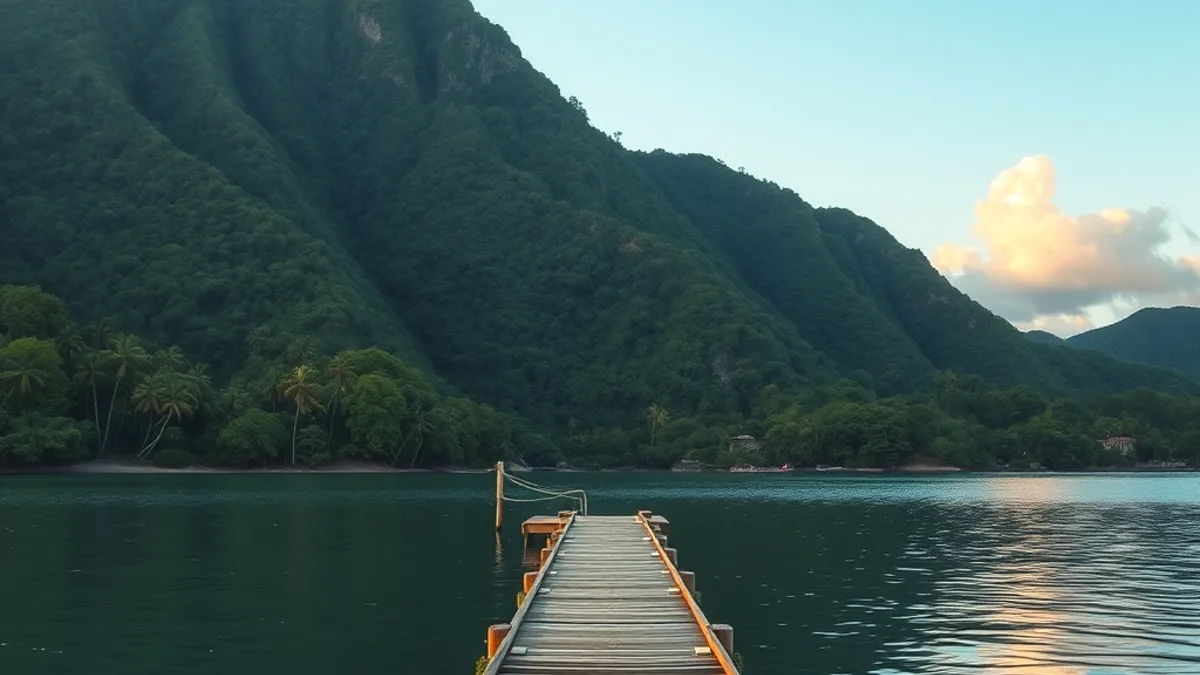
Samaná is the quietest of the three regions, and that’s exactly its appeal. Instead of mega-resorts, you’ll find small boutique hotels, eco-lodges and guesthouses scattered along the peninsula, many with just a handful of rooms. Service tends to be personal, and many properties sit right on or near the beach rather than behind gates.
The signature experience here is whale watching. Each year from mid-January to mid-March, humpback whales gather in the bay to breed and calve, and boat tours run out of Samaná to see them up close. It’s one of the best whale watching opportunities in the Caribbean, so book tours and rooms early if you’re traveling in that window.
Excursions and Day Trips
Samaná works beautifully as a base for exploring. Boat trips through Los Haitises National Park take you past limestone karsts, mangroves and caves filled with Taino petroglyphs. El Limón waterfall, reached on horseback or on foot through the forest, rewards you with a natural swimming pool at its base. Playa Rincón, often ranked among the most beautiful beaches in the country, is a short drive away and still blissfully undeveloped.
The trade-off? Fewer amenities. Expect smaller pools, fewer restaurants and less nightlife than Punta Cana or Puerto Plata. For couples and nature-focused travelers, that’s a fair exchange for dramatic scenery and genuine calm. If your idea of a perfect day is a waterfall hike followed by fresh fish on a near-empty beach, Samaná is your coast.
When to Book: Seasons and Prices Across the Dominican Republic
The Dominican Republic is a year-round destination, but the weather is not equal in every month. The December to April dry season brings sunny days, lower humidity and calm seas, which is exactly why it is also the busiest and most expensive window. If you want those conditions, book your resort three to six months in advance, because high-season rates climb sharply around Christmas and Easter.
Travelers with flexible schedules can save a lot by shifting to the shoulder months. May, June, September and November often bring rates 20-40% below high season, and the weather is usually still pleasant with only short afternoon showers. You trade a small risk of rain for a much lower nightly bill, which for a week-long all-inclusive stay can add up to hundreds of dollars.
Hurricane season runs from June through November, with the highest risk between August and October. Storms rarely affect a whole vacation, but if hurricane risk worries you, it makes sense to avoid those months or to build flexibility into your plans. Travel insurance is a smart purchase for any summer or fall stay in the Caribbean, since it can cover interruptions that no resort discount makes up for.
- Watch for holiday surcharges: Christmas, New Year and Easter weeks are the most expensive dates of the year, and many resorts require minimum stays during these periods.
- Compare pricing models: Punta Cana all-inclusive rates typically run $150-$600+ per night for two adults, while Samaná boutiques often price per room, so check what meals are included before comparing.
- Book excursions early in high season: whale watching boats and popular day trips fill up weeks in advance during the dry season, so reserve ahead rather than on arrival.
Getting There and Getting Around
Your region choice should start with the airport map. Fly into Punta Cana (PUJ) for the east coast resorts, Puerto Plata (POP) for the north coast, or Santo Domingo (SDQ) if Samaná is your goal. Each airport serves its own corner of the country, so booking the wrong one can add a long, expensive drive to your vacation.
Puerto Plata is the easiest arrival of the three. Gregorio Luperón International Airport sits about 20 minutes from the Playa Dorada resort strip, so transfers are quick and cheap, and you can be at the pool within an hour of landing. Punta Cana’s airport is also close to its resort corridor, though traffic at peak arrival times can slow the ride.
Samaná is the outlier. The peninsula has no major international hub next to the hotels, so expect the longest transfer of the three regions: roughly 2.5 hours by car from Punta Cana or about 4 hours from Santo Domingo. The scenery along the way is beautiful, but it is a real journey, not a quick hop.
- Pre-book Samaná transfers: arranging a private or shared transfer in advance locks in a driver who knows the route, which matters on a peninsula with limited transport options.
- Public transport works but costs time: guaguas and buses connect the main towns cheaply, yet the same trip that takes 2.5 hours by car can stretch considerably longer with connections.
- Consider a domestic hop: small regional flights into the Samaná area can shorten the trip significantly if your budget allows, so ask your hotel or tour operator about current options.
How to Choose the Right Resort for Your Trip
The right resort depends less on the brochure photos and more on who is traveling with you. A property that delights a family with young kids can feel noisy and chaotic for a couple celebrating an anniversary, and vice versa. Start by matching the region to your travel style, then narrow down the resort category.
Families with children should put Punta Cana at the top of the list. The east coast has the deepest selection of resorts with kids’ clubs, water parks and supervised activities, and the all-inclusive model makes budgeting simple: one price covers rooms, meals, drinks and entertainment, so there are no surprise dinner bills.
Couples watching their budget should compare Puerto Plata’s Playa Dorada resorts before paying Punta Cana prices. The north coast delivers large, full-service properties on a 20 km stretch of sand, often at rates below comparable east coast properties, with the added bonus of easy excursions into town and to nearby waterfalls.
Honeymooners and nature lovers will get the most from Samaná. Whale season, jungle waterfalls and quiet beaches like Playa Rincón reward travelers who prefer scenery and small-scale charm over waterslides and buffet lines.
- Check the resort’s guest profile before booking: adults-only, family-focused or mixed properties shape the atmosphere of the whole stay, and the difference is not always obvious from the name or star rating.
- Look at what the all-inclusive actually includes: some resorts charge extra for à la carte restaurants, premium drinks or motorized water sports, so read the inclusions list carefully.
- Match room location to your plans: if you plan daily excursions, a resort near the exit road saves time; if you plan to stay on-site all week, prioritize beachfront position and pool quality instead.
Wrapping Up: Which Dominican Coast Is Yours
The confusion over where to stay in the Dominican Republic comes down to one simple truth: each coast does something different well. Punta Cana delivers the biggest resort choice and classic all-inclusive convenience, with everything from family towers to adults-only sections along its palm-lined shore. Puerto Plata offers the best value and the easiest access to excursions, pairing a resort base with waterfalls, a cable car and real city life nearby. Samaná rewards travelers seeking nature, whales and small-scale stays, trading mega-resort amenities for scenery and quiet.
Match the region to your travel style and book early for the December to April high season, when the best properties fill up fast. Whichever coast you choose, the Dominican Republic makes it easy to wake up steps from the Caribbean. Which one sounds like your kind of trip? Tell us in the comments or share this article with a travel partner.