Choosing between Dubrovnik and Split for a villa holiday is one of the trickiest calls on the Croatian coast. Dubrovnik promises walled-city drama and hillside terraces with postcard views, while Split trades some of that scenery for more space, lower prices and a lively, working-city atmosphere. This Dubrovnik vs Split villas comparison gives you a clear side-by-side before you commit to a booking.
We compare the two cities across seven areas: the core differences in setting and character, what villas actually cost in each, when to book for the best availability, beaches and day trips from each base, how to pick the right villa for your trip, and getting there and around. By the end, you should know which city fits your budget, your group and your travel style. If you want a quick verdict up front: Dubrovnik wins on views and romance, Split wins on value and island hopping.
Dubrovnik vs Split Villas: The Core Differences
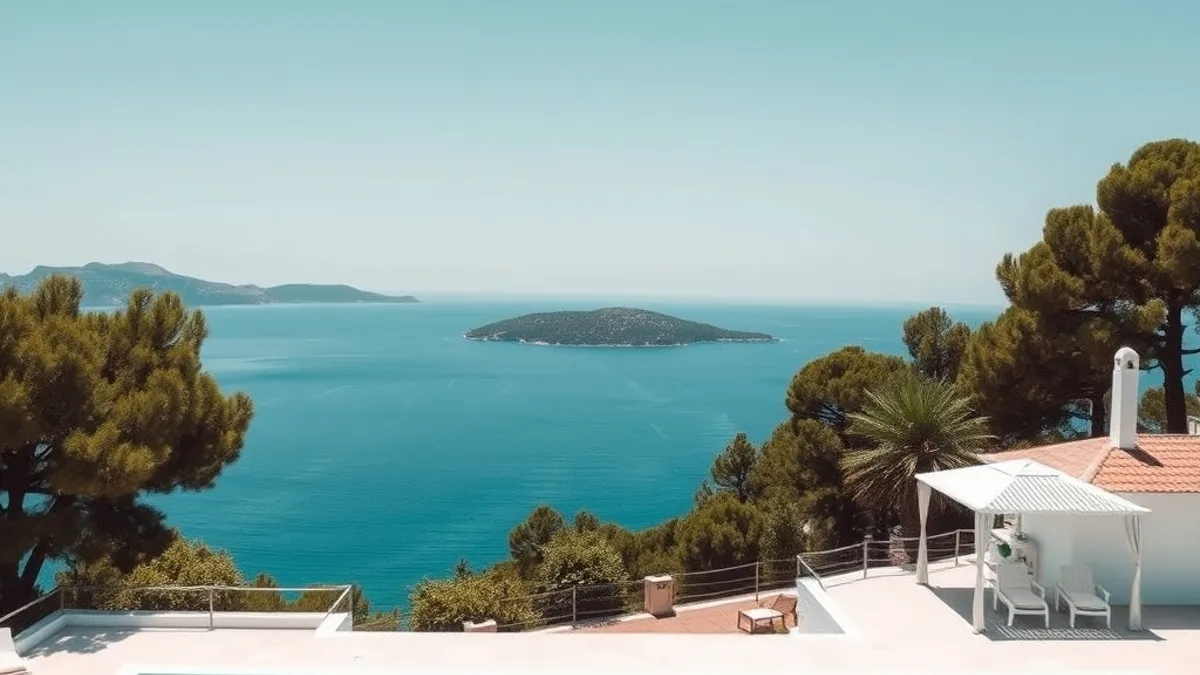
The most important difference between the two cities comes down to geography. Dubrovnik’s villas cluster on steep hillsides above the old town and on peninsulas like Babin Kuk, where terraces look down over red rooftops and the Adriatic. If iconic scenery is what you’re after — waking up to the walled city glowing at sunset — Dubrovnik delivers it in a way few places in Europe can.
Split’s villa scene spreads along the Marjan peninsula and the waterfront districts near Diocletian’s Palace. Villas here trade the postcard panorama for something else: more space for your money, larger pools and gardens, and easy access to a city that actually lives year-round. You can walk from your villa to cafes, markets and ferry terminals without feeling like you’re inside a tourist attraction.
Drama versus everyday life
Dubrovnik’s setting is undeniably more dramatic, but also more isolated. Many villa areas sit a drive away from restaurants and shops, and the old town itself is compact and car-free, so you plan around it. Split feels like a working city with a villa holiday attached — buses run, locals commute, and the palace sits at the center of a walkable waterfront. Neither is better; they simply suit different trips.
Price Comparison: What Villas Cost in Each City
Dubrovnik is the most expensive villa market on the Croatian coast, and it’s not close. In summer, villa rates typically run €150–€500 per night depending on size, views and pool access. Properties with a private pool and a clear line of sight to the old town sit at the top of that range, while smaller hillside apartments with partial sea views come in lower.
Split villas of similar size often cost 20–40% less, especially outside the old town. A villa budget that gets you a two-bedroom place with a shared pool in Dubrovnik might stretch to a private pool and more outdoor space in Split’s Marjan or waterfront districts. The gap widens further for larger groups, where Split’s bigger properties absorb the per-person cost.
Both cities reward flexible timing. Shoulder-season discounts of 30–50% apply in May, September and October, so the same villa can cost dramatically less outside the summer peak.
- View premiums are real: in Dubrovnik, an unobstructed old-town or sea view can add a meaningful share to the nightly rate compared with a similar villa a few streets inland.
- Old-town locations cost more in both cities: villas inside or immediately beside Dubrovnik’s walls or Split’s palace area carry a location premium — often for less space than you’d get a short walk away.
- Shoulder season stretches your budget: the 30–50% May, September and October discounts mean a villa that’s out of reach in August may fit comfortably in late September, when the sea is still warm.
When to Book: Seasons and Lead Times
Timing your booking matters as much as choosing the city. Peak season runs from June to August, and August is the sweet spot for swimmers — sea temperatures along both stretches of coast peak at 24–26°C. Unsurprisingly, that’s also when villa demand is fiercest and rates are at their highest in both Dubrovnik and Split.
For July and August stays, book 6–9 months ahead in either city. The best villas — the ones with private pools, genuine views and walking access to the old town or palace — are usually the first to go, often by the previous autumn. If you’re set on a specific property, don’t wait for last-minute deals; they’re rare for quality villas in peak weeks.
Shoulder season is more forgiving
Traveling in May, September or October changes the picture completely. Two to three months’ notice is usually enough for shoulder-season stays, and you’ll often still have a decent choice of properties. The weather is milder, the crowds thinner, and rates drop noticeably compared with peak summer — the savings can be substantial enough to move you up a villa category. September is a particular favorite: warm sea, quieter beaches and easier restaurant bookings in both cities. If your dates are flexible, shifting a trip from August to late September is the single easiest way to get a better villa for less money.
Beaches and Day Trips from Each Base
Island day trips from Split
Split is the ferry hub for the central Dalmatian islands, and that alone shapes how you plan a villa week here. Hvar, Brač and Vis all sit within easy reach, with day trips running from around 45 minutes to 2 hours depending on the island and the boat you choose. That means you can wake up at your villa, be on a beach in Hvar town by late morning and still be back for dinner on the Marjan peninsula.
Brač is the classic quick hop, famous for its pebble beaches, while Vis sits further out and rewards travelers who give it a full day. If island hopping is high on your wishlist, Split’s ferry schedules make it genuinely easy to string several islands into one trip rather than treating them as one-off excursions.
Day trips from Dubrovnik
Dubrovnik trades ferry convenience for boat trips and cross-border excursions. The Elaphiti islands are the go-to day trip, with regular boat tours leaving from the old town’s harbor and delivering a full day of swimming and island wandering. Montenegro is the other easy escape, with the Bay of Kotor within comfortable excursion distance for a change of scenery and country.
On beaches, both cities work with pebble rather than sand, so pack water shoes. The practical difference is proximity: Split’s beaches sit close to the villa districts around Marjan and the waterfront, so a morning swim is a five-minute walk. Dubrovnik’s best swimming spots tend to be a short drive from the old town and the hillside villa areas, which is worth factoring in if you plan to swim daily.
How to Choose the Right Villa for Your Trip
The right villa depends on what kind of trip you are actually taking. Dubrovnik suits honeymoons and view-first stays, where the point is waking up to terracotta roofs and the Adriatic from a private terrace. Split suits groups, longer trips and anyone building a holiday around island hopping, because the space, value and transport links all work in your favor.
Location within each city matters just as much as the choice between them. In Dubrovnik, hillside properties and the Babin Kuk area deliver the views and the room to breathe, and pool access is a real priority there since swimming spots can involve a drive. In Split, look at the pine-covered slopes of Marjan, where villas sit close to both the water and the old town without the noise that comes with it.
- Count your bedrooms honestly. A group of eight needs genuine eight-person sleeping arrangements, not sofas and fold-outs, and Split’s larger properties tend to handle big groups better than Dubrovnik’s compact hillside homes.
- Check the walking distance to the old town or palace. Both centers are car-free, so if you rent a car you will pay for parking outside the walls or the palace, which adds up over a week.
- Ask about stairs and access. Hillside villas in Dubrovnik often involve steep paths or many steps from the road, which matters with heavy luggage or older travelers.
- Confirm pool season. If a heated or open pool is central to your stay, confirm with the owner that it is usable during your travel dates before booking.
Finally, be realistic about how much time you will spend at the villa. A view-first Dubrovnik stay rewards travelers who plan quiet evenings in, while a Split villa works harder as a base for people who will be out on ferries and day trips most days.
Getting There and Around
Flights and arrivals
Dubrovnik’s airport sits about 20 km from the city, while Split’s airport is roughly 25 km from the center, so transfer times are broadly similar in either direction. Both airports receive seasonal direct flights from across Europe, with the schedule heaviest between June and September. Outside that window, connections thin out and you may need to route through a European hub, so check current flight options for your dates before locking in a villa.
Book airport transfers in advance in summer, when demand from villa guests peaks. A pre-arranged pickup removes the guesswork after a late arrival, and villa owners in both cities can usually recommend or arrange a driver.
Getting around once you are there
The two cities reward different transport styles. Dubrovnik’s villa areas are spread out across hillsides and peninsulas, so a rental car suits travelers staying outside the old town, giving you easy access to beaches, the Elaphiti departure points and day trips into Montenegro. Just remember that the walled center bans traffic entirely, so the car sits parked most of the time.
Split is the more walkable of the two, with Diocletian’s Palace sitting at the center of a walkable waterfront and most villa districts close to the action. Local buses are also better in Split, which makes car-free stays genuinely practical there. If your plan is ferry trips to the islands rather than coastal driving, you can comfortably skip the rental car in Split and put the savings toward a longer stay.
Which Croatian Coast City Wins
So which city wins? Dubrovnik delivers unmatched scenery and romance, with villas perched above the walled old town and the Adriatic beyond. The trade-off is higher prices and a tighter booking window, so a summer stay there demands both a bigger budget and early planning.
Split offers better value, easy island-hopping to Hvar, Brač and Vis, and a livelier year-round city feel built around Diocletian’s Palace and the waterfront. If your trip comes down to budget, length and whether postcard views or day trips matter most, the answer usually makes itself clear. If this helped you decide, leave a comment or share the article with your travel crew.