Glamping in the Canadian Rockies sounds simple until you start planning it. You love the idea of sleeping in a dome or safari tent with mountain views, but the region is huge, the seasons behave very differently, and every area seems to promise the best mix of scenery, access and comfort. Pick the wrong month and you could end up shivering in a rainstorm with half the sites closed. Pick the wrong base and you spend your holiday driving instead of hiking.
This guide sorts it out for you. We break down what each season actually feels like, from the quiet, waterfall-filled weeks of early summer to the snowy months when only heated domes make sense. Then we compare the main areas: the classic Banff and Canmore base, the dark skies and big wilderness of Jasper, and the calmer alternatives of Kananaskis and Golden. Finally, you will find practical advice on choosing and booking your site, plus what to pack so the reality matches the photos.
When to Go: Choosing Your Season for Glamping in the Canadian Rockies
The main glamping season here runs from late May to early October, but the experience changes a lot within that window. Timing your trip well matters more than almost any other decision, because the Rockies swing from quiet and cool to packed and warm in just a few weeks.
The sweet spots: early summer and fall
Late May to June is a favorite for good reason. Daylight stretches long, waterfalls run at full flow from snowmelt, and the sites have not yet filled up. Nights stay cool, typically around 5–10°C, so bring warm layers for evenings around the fire.
September to early October offers a different kind of magic. In the later weeks, the larches turn golden and the crowds thin out noticeably. Prices soften too, which makes fall one of the best value windows in the whole season.
Peak warmth and the quiet winter
July and August bring the warmest weather, with daytime highs around 20–25°C, and every glamping site is open. The trade-off is obvious: this is peak season, so expect the biggest crowds and the highest rates of the year. Book far ahead if this is your window.
From roughly November to March, only a small number of heated domes and cabins operate. Winter glamping suits travelers who want snowy scenery, quiet trails and cozy evenings more than long days of hiking. Check with operators, as winter availability is limited and conditions vary by property.
Banff and Canmore: The Classic Base
If this is your first trip to the Rockies, Banff and Canmore are the easiest base to plan around. The area sits roughly 90 minutes west of Calgary, so you can land, pick up a rental car and be settling into your tent or dome the same afternoon. For a first glamping trip, that convenience matters more than you might expect, especially after a long flight.
The choice of stays is also the widest here. You will find everything from riverside safari tents where you fall asleep to the sound of moving water, to ridge-top domes with panoramic mountain views just a short drive from town. If you are curious how glamping compares internationally, our review of a lakeside glamping resort near Naples shows how similar comforts play out in a very different setting.
What you get from this base
Staying here puts you right at the edge of Banff National Park. Trailheads, the gondolas up the mountains and Lake Minnewanka are all within easy reach, so you can fit a big hike, a scenic ride and a lakeside picnic into a single day without long drives. Towns are close by too, which makes restocking groceries or grabbing a restaurant dinner simple.
The trade-off
Popularity comes at a price. Banff and Canmore are the most in-demand glamping areas in the Rockies, which means summer rates climb to the top of the range and sites sell out months in advance. If you want this base in July or August, book six or more months ahead. If your dates are flexible, June and September offer the same access with noticeably fewer visitors and softer prices.
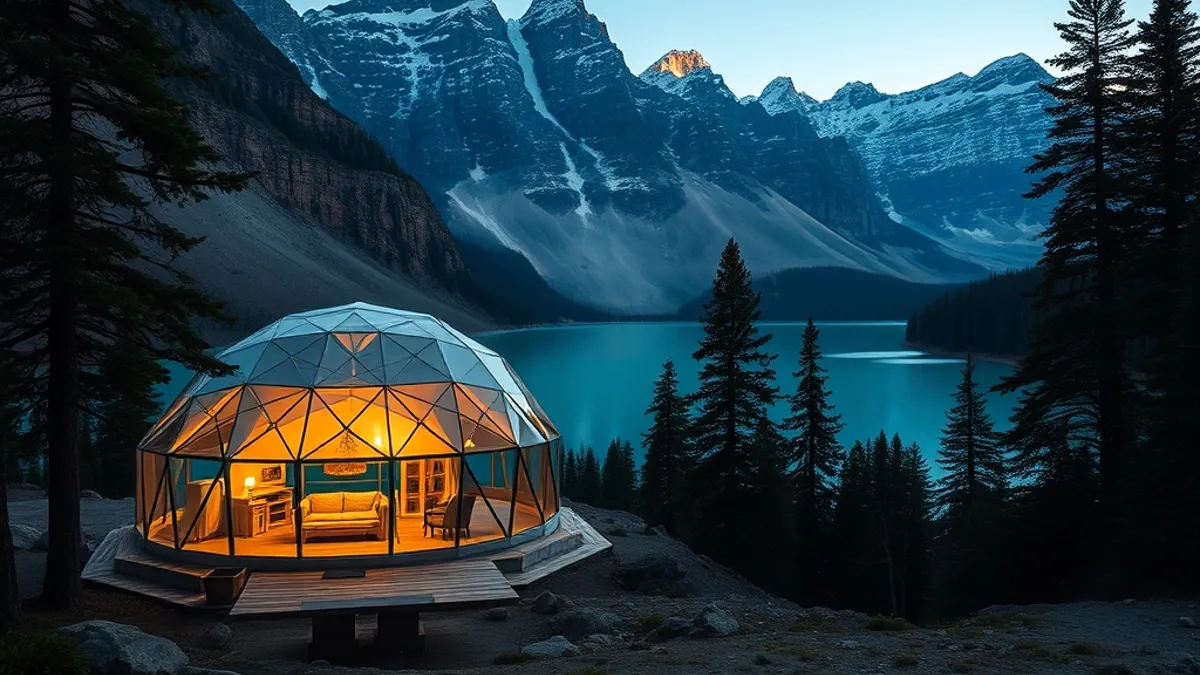
Jasper: Dark Skies and Bigger Wilderness
Jasper sits roughly 4 hours north of Banff, and the drive alone justifies the trip. The Icefields Parkway is widely considered one of the most scenic drives in the world, with glaciers, turquoise lakes and jagged peaks the whole way. By the time you arrive, you will already feel like you have left the crowds behind.
Jasper is a designated dark-sky preserve, which means artificial light is strictly controlled. On a clear night, the Milky Way is visible with the naked eye, and stargazing from your tent or dome becomes part of the experience rather than an afterthought. Photographers should plan at least one night awake past midnight.
There is a catch: fewer glamping properties operate here than around Banff, so availability disappears faster. Book earlier than you think you need to, even though the drive is longer. In return, you get bigger wilderness and some of the best wildlife odds in the Rockies.
- Elk are a near-daily sight around the townsite and meadows, especially at dawn and dusk when they graze in open areas close to the road.
- Moose favor wetlands and river valleys, so early morning drives along highway corridors near lakes and marshes give you the best chance of spotting one.
- Bears, both black and grizzly, appear along the highway corridors, often feeding on roadside berries — watch from the car and never stop in the middle of the roadway.
- Driving at dusk and dawn calls for extra care, since this is when wildlife is most active and most likely to cross the road.
Quieter Alternatives: Kananaskis and Golden
If you have already ticked off the Banff highlights and want a bit more breathing room, two areas deserve a spot on your map: Kananaskis and Golden. Both sit within easy driving distance of the classics, yet they feel noticeably calmer, especially in July and August when the main corridors fill up fast.
Kananaskis: rugged and relaxed
Kananaskis sits roughly 45 minutes from Canmore, close enough for a grocery run but far enough to escape the crowds. The scenery here is rugged and dramatic, with jagged peaks, deep valleys and quiet forest roads. You will also see far fewer tour buses than along the Banff strip, which makes for easier parking at trailheads and slower, more peaceful mornings at your tent or dome.
Golden: rivers and rafting
Golden, on the western side of the Rockies, lies roughly 90 minutes from Lake Louise. What sets it apart is the water: the Kicking Horse River is one of the region’s best-known rafting runs, and several glamping operations pair a night under canvas with a half- or full-day trip on the river. Between rafting, mountain views and a laid-back town center, it works well as a two- or three-night base.
The practical bonus is price and availability. Both areas typically cost less than Banff and offer more open dates in peak months, when Banff-area sites are often booked solid. If you are a repeat visitor who has already seen the classic Banff sights, Kananaskis and Golden give you the same mountain setting with a quieter pace and a lighter bill at checkout.
How to Choose and Book Your Site
Glamping in the Canadian Rockies covers everything from simple canvas tents pitched on wooden platforms to heated domes with full kitchens and picture windows framing the peaks. That variety is great news, but it also means the site you pick shapes the whole trip far more than it would with a standard hotel. A little planning goes a long way, and the steps below walk you through the decisions in the order that matters, from choosing your accommodation style to confirming the fine print before your card is charged.
- Compare stay types first. Classic safari tents suit summer trips best, since they rely on warm nights and usually close outside the main glamping season. Insulated domes and cabins extend the season, offering heating that makes cooler shoulder-month nights and even winter stays comfortable.
- Check exactly what is included. A private bathroom, a wood stove and a kitchen setup vary widely between operators, and photos rarely tell the whole story. Read the site description carefully and message the operator if anything is unclear before you pay.
- Book on the right timeline. Reserve 3–6 months ahead for general summer stays, and 6+ months ahead if you want a July or August weekend. The best-located sites in the most scenic spots go first, so earlier is always safer.
- Set a realistic budget. Typical rates run roughly CAD 150–250 midweek, rising to CAD 300–500+ per night at the summer peak. Knowing this range upfront helps you compare like for like across operators and spot genuinely good value.
- Confirm driving distances before committing. Some remote sites look close on a map but involve long gravel roads. Check the actual drive from your arrival airport before locking in a far-flung location, especially if you land late in the day.
Work through these steps in order and you will end up with a site that matches your season, your budget and your driving plan. It also helps to read recent guest reviews for specifics on noise, wildlife activity and how well the heating actually performs on a cold night. A short email to the operator to confirm details before paying can save you an unpleasant surprise on arrival, so do not skip it. Ten minutes of checking now is the difference between a smooth mountain stay and a stressful one.
What to Pack and Expect
Mountain weather keeps even seasoned travelers on their toes, and a glamping site is no exception. The good news is that operators handle most of the hard parts, from bedding to heating, so your packing list can stay focused on a few essentials.
Layered clothing is essential even in August, when nights can drop below 10°C. Pack a warm mid-layer and a fleece or light down jacket for evenings around the fire, plus a beanie and warm socks for sleeping. Days can be warm and sunny, so think in layers you can add and shed rather than one heavy coat.
Most sites provide bedding and heating, but cooking facilities vary, so confirm what is available before you bring a cooler full of food. Some sites have full kitchen setups or shared cookhouses, while others offer nothing beyond a fire pit, in which case you will want easy meals or nearby dining plans.
Two things to keep in mind for any remote stay:
- Connectivity: expect limited or no Wi-Fi at remote sites, so download maps, playlists and anything else you need before you leave town.
- Food storage: you are in bear country, so use the storage lockers or vehicle storage the operator provides and never keep snacks inside your tent or dome overnight.
Finally, a note on weather rhythm: summer thunderstorms tend to build in the afternoon and pass quickly, so plan hikes for mornings and keep rain gear handy in your daypack anyway. A dry layer back at camp and a hot drink usually turn a soggy afternoon into a non-event.
Wrapping Up Your Rockies Glamping Plan
So, when should you go and where should you stay? For most travelers, June and September hit the sweet spot: cooler nights around 5–10°C, noticeably fewer visitors and softer prices, while July and August guarantee the warmest weather at the cost of peak crowds and top rates. If snowy scenery matters more to you than hiking, a heated dome or cabin in the quieter winter months can work too.
On location, Banff and Canmore offer the easiest access from Calgary, Jasper delivers the darkest skies and wildest feel, and Kananaskis and Golden bring the calmest pace for repeat visitors. Book 3–6 months ahead (earlier for peak summer weekends), compare stay types before you commit, and you will set yourself up for a comfortable night in the mountains. Have a question or a favorite glamping spot of your own? Leave a comment or share this article with a fellow traveler.