Ireland’s west coast is one of those places travelers dream about: sea cliffs, bogland, mountains rolling straight into the ocean. The problem is that “sleeping under it all” usually means a tent, a damp sleeping bag, and a weather forecast you can’t trust. Glamping in Ireland solves that, giving you real beds, solid roofs and wood stoves while keeping you right in the landscape.
The tricky part is choosing where to go, what kind of unit to book, and which months actually deliver good weather. This guide covers why the west coast works so well for glamping, the best regions to base yourself in, the stay types worth looking for, and the seasons and booking windows that make the difference. We’ll also cover what to pack and how to plan around Atlantic weather, so you can pick a base and reserve with confidence.
Why Glamping in Ireland’s West Coast Works
The Wild Atlantic Way stretches roughly 2,500km along Ireland’s western edge, and that single route is what makes a glamping trip here so practical. Clifftop sites, lakeside setups and coastal retreats all sit along or near the same driving corridor, so one trip can cover several very different landscapes without long detours.
Glamping also solves the classic Irish weather problem. Rain can arrive at any time of year on the west coast, and a traditional tent turns a wet afternoon into a miserable one. A safari tent, pod or cabin keeps you dry and warm with real beds and often a wood stove, so a rainy evening becomes part of the experience rather than the end of it.
One region, one base
Glamping sites cluster around Galway, Connemara, Dingle and Westport, which means you don’t need to move every night. Pick one area, book a unit there, and plan day trips from it. That approach suits the west coast’s short distances and changeable weather far better than a fast-moving itinerary, and it means you spend your evenings watching the light fade over the Atlantic instead of driving to the next check-in.
Choosing your base region matters more than choosing the exact site, because distances and driving times shape your whole trip. The main base towns sit within 30–90 minutes of most glamping sites, but the character of each area differs a lot.
Connemara and Clifden suit walkers who want variety close at hand: mountains, bogland and beaches are all within about 30 minutes of town. Westport and Clew Bay work well as a central hub, with easy day trips across Mayo and out to Achill Island. County Clare is the most accessible option if you’re flying into Shannon, putting the Cliffs of Moher within easy reach. The Dingle Peninsula offers the most dramatic coastal scenery of all, but it involves the longest drive from Shannon Airport, so plan arrival day accordingly.
- Connemara in shoulder season: the bogs and mountain trails are quieter in May and September, and the light over the Twelve Bens at that time of year is a photographer’s dream.
- Achill Island from Westport: the road out to the island is a day trip in itself, with cliff-top driving and beaches you’ll often have nearly to yourself.
- County Clare for short trips: if you only have a long weekend, basing near the Cliffs of Moher minimizes transfer time from Shannon and maximizes time outdoors.
If you want a sense of how atmospheric a well-run glamping site can feel before you commit, this glamping review from Italy gives a useful picture of what to expect from a good lakeside setup.
Best Regions and Areas to Base Yourself
Choosing your base region matters more on Ireland’s west coast than almost anywhere else, because distances look short on the map but winding roads stretch every journey. Each of the four main areas has a distinct character, and the right choice depends on whether you prioritize scenery, walking access or airport convenience.
Connemara, with Clifden as its main town, is the pick for walkers. The Twelve Bens mountains, blanket bogs and sandy beaches like Dog’s Bay sit within a short drive of each other, so you can hike in the morning and walk a beach in the afternoon without ever covering serious mileage. It feels remote, yet Galway is close enough for a supply stop on the way in.
The Dingle Peninsula delivers the most dramatic coastal scenery of the four, with Slea Head and the Blasket views standing out even on an island famous for cliffs. The trade-off is driving time: it’s the longest transfer from Shannon Airport of the main base towns, so plan it as either your first or last stop rather than a mid-trip add-on.
Westport, sitting on Clew Bay, works best as a central hub. From here you can reach much of County Mayo and make day trips to Achill Island without repacking every night, which is exactly what glamping suits best.
- County Clare near the Cliffs of Moher is the most accessible option from Shannon Airport, making it ideal for short trips or a first night after landing.
- Achill Island day trips from Westport let you drive the Atlantic Drive and walk Keem Bay without committing to overnight accommodation on the island itself.
- Clifden’s Sky Road loop is a short scenic drive from town, handy for an evening spin after a day on the trails.
- Dingle town itself adds pubs, dolphin boat trips and the Slea Head drive, so you get culture and coastline from one base.
If you’re weighing a glamping stay abroad against an Irish trip, a glamping review from Castel Volturno in Italy shows how different the experience can be in a warmer climate. Ireland’s version trades Mediterranean comfort for raw coastal drama, which is precisely the point.
Types of Glamping Stays to Look For
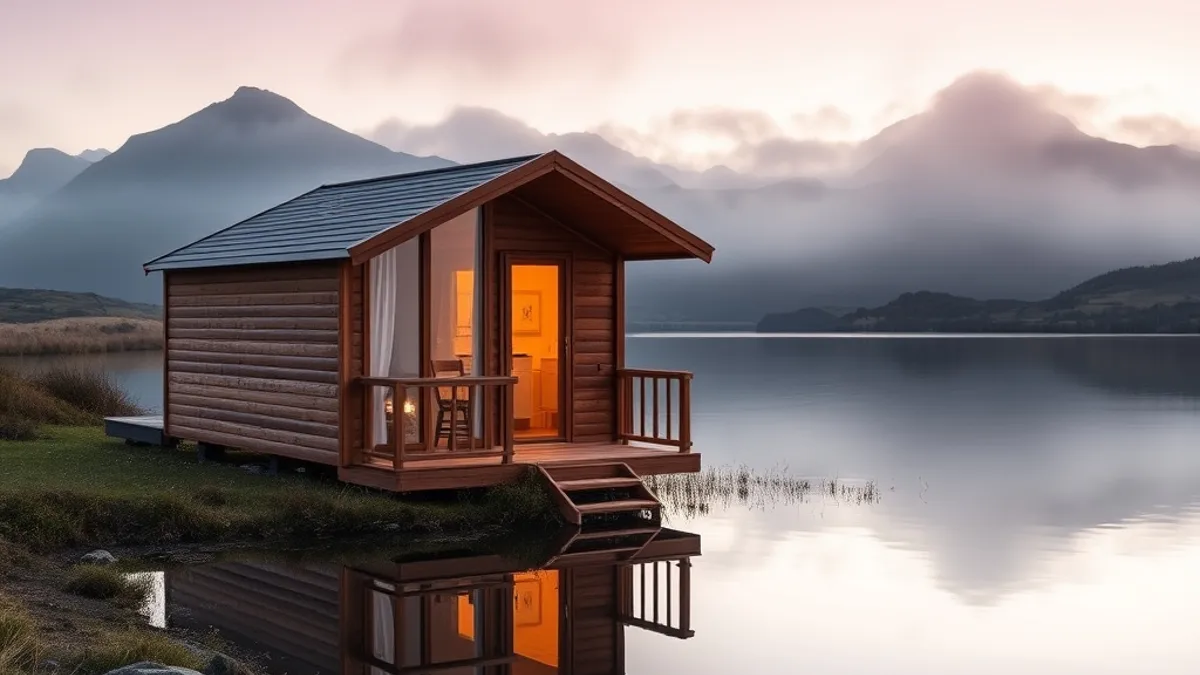
Not all glamping units are built for the same trip, and on the west coast the difference matters more than you might expect. Atlantic weather rewards travelers who match the structure to the season, so it pays to understand the main types before you book rather than choosing on looks alone.
Safari tents and geodesic domes give you the most space, usually with real beds, proper furniture and a wood stove for cool evenings. They suit couples and families who want room to spread out, though canvas walls mean you will feel wind and rain more than in a solid structure. Glamping pods and cabins are the most weatherproof choice, which makes them the smart pick for shoulder-season stays in May or September when Atlantic rain is more likely. Shepherd’s huts and yurts trade space for atmosphere, and they suit couples who want something romantic rather than roomy.
- Heating: some units rely on a wood stove only, which means learning to light a fire on arrival; others have electric heaters, a real advantage on damp nights.
- Private bathrooms: many safari tents and yurts share a facilities block, while pods and cabins more often include an en-suite shower and toilet.
- Kitchenettes: check whether you get a fridge, hob and sink or just a kettle, since sites sit well away from base towns and eating out every night adds up quickly.
For a closer look at how a thoughtfully designed glamping stay can slow a trip down, this piece on lake glamping for slow travel is a good read before you compare Irish sites.
When to Go: Seasons and Weather Windows
June to August is peak season on the west coast, and for good reason. These months bring the warmest and driest weather of the year, and around mid-June you get daylight until about 10pm, which means long evenings by the fire pit after a day of exploring. The trade-off is price and crowds: expect roughly €80–€200 per night for a double glamping unit, and book early because the best units go first.
The sweet spot: May and September
If you can travel outside high summer, May and September are the sweet spot. Rates are milder, popular areas like Dingle and Connemara feel noticeably quieter, and most sites are still open. Daylight fades to around 7pm by late September, so plan shorter evenings, but you still get long, bright days for walking and sightseeing without the peak-season price tag.
Winter is a different story. Most west coast glamping sites close between October and April, so a cold-season trip usually means booking a proper cabin-style stay rather than a tent, dome or yurt. If a cozy winter escape is what you’re after, search specifically for pods and cabins with solid walls and heating, and confirm directly with the site that they operate year-round before you plan anything else around it.
How to Book and When to Reserve
Glamping on the west coast is popular for a reason: the number of quality sites is limited, and the best units book out well before summer arrives. A little planning goes a long way, especially if your dates are fixed around a specific weekend or festival. Unlike a hotel room, where a cancellation frees up space at the last minute, a single dome or shepherd’s hut is often the whole inventory at a small site. That means the difference between getting the stay you want and settling for whatever is left usually comes down to when you book, how flexible your dates are, and how carefully you read the terms before paying a deposit. The four habits below are simple, but they cover the mistakes travelers most often make when booking a glamping trip along the Atlantic coast.
- Book July and August weekends 3–6 months ahead. These are the busiest dates of the year, and the most desirable units — the domes and safari tents with the best views — sell out first. If you have your heart set on one, reserve as soon as dates open. Hosts often open next summer’s calendar in the off-season, so set a reminder and check back rather than assuming availability will still be there in spring.
- Be flexible with midweek and shoulder-season trips. Stays from Monday to Thursday in May or September often need only a few weeks’ notice, and you may find better unit availability and quieter sites as a bonus. If your schedule allows any wiggle room, ask the host which nights tend to fill last — shifting your trip by a day or two can open up options that look fully booked online.
- Read the cancellation terms before paying. Atlantic weather can force itinerary changes, especially if you’re planning boat trips, island visits or long coastal drives. Know what happens if you need to move your dates. Some hosts offer a free date change if you rebook within the same season, while others treat any change as a cancellation, so it pays to ask before you commit.
- Ask about minimum-stay requirements. Many sites require two or three nights on multi-night summer weekends, which affects whether a short break is realistic for your dates. If you only have one free night, mention it when you enquire — smaller hosts occasionally fill single gaps between bookings at short notice, and a polite email costs nothing.
Once you’ve booked, save the site’s contact details offline. Rural locations can have patchy phone signal, and you’ll want the host’s number handy if your arrival time shifts on the road. It’s also smart to screenshot your booking confirmation and any directions the host sends, since some sites sit down unmarked lanes that a car navigation app doesn’t always find. A quick message the day before arrival to confirm your check-in window is a good habit too, particularly if you’re coming off a ferry or a long drive and your timing could slip.
What to Pack and Plan Around
Glamping means you skip the soggy tent, but the Atlantic weather doesn’t disappear. The key to a comfortable trip is packing for four seasons in one day and planning your logistics around a rural road network rather than a city one. A little preparation makes the difference between a cozy retreat and a soggy ordeal, especially when you’re staying somewhere remote with no shop around the corner.
Start with clothing. Coastal weather on the west coast shifts quickly, so pack layers and a waterproof jacket even in July. A warm mid-layer for evenings is essential too — temperatures drop once the sun goes down, and you’ll want to enjoy the fire pit or stargazing without shivering. Sturdy shoes with decent grip are worth their weight, as grassy sites and coastal paths stay damp long after the rain stops. Don’t forget a torch or headlamp either: rural sites have little light pollution, which makes the stars spectacular but the walk to the bathroom pitch dark. Quick-drying towels, a book for rainy afternoons and a reusable water bottle round out the kit nicely.
- Rent a car. Most glamping sites sit well outside the main base towns, and public transport in rural Mayo, Connemara and Kerry is thin. A car gives you the freedom to stock up on groceries and reach trailheads on your own schedule.
- Budget extra time for narrow rural roads. Distances on the map look short, but single-track lanes, stone walls and slow-moving tractors mean journeys take longer than the kilometers suggest. Add buffer time to every driving day, and note that some lanes have passing spots only every few hundred meters.
- Shop before you arrive. Many glamping sites are far from large supermarkets, so do a proper food shop in Galway, Clifden, Dingle or Westport before heading to your unit, especially if your stay includes a kitchenette. Stock up on firewood or charcoal too, if your unit has a fire pit or stove.
Your West Coast Glamping Trip at a Glance
Glamping solves the problem that keeps many travelers from experiencing Ireland’s west coast properly: you want the wild Atlantic scenery without sleeping in a damp tent. The answer comes down to three simple choices. Pick one base region such as Galway, Clifden, Dingle or Westport, choose a weatherproof stay type like a pod or cabin if you’re traveling outside high summer, and target May or September for the best balance of open sites, milder prices and thinner crowds.
Booking early makes all the difference for the most popular dates. The prime summer slots fill first, so lock in your preferred unit well ahead if you’re set on a peak-season weekend, and budget €80–€200 per night for a double unit in high season. Midweek trips and shoulder-season dates give you far more flexibility. With the right region, the right stay type and the right month, glamping on Ireland’s west coast delivers the wild Atlantic without the wet tent. If this helped you plan, leave a comment or share the article with a fellow traveler.