You love the idea of trading neon streets for starry skies, but planning glamping in Japan’s countryside raises more questions than answers. Which regions actually deliver a proper luxury camping experience, and when should you go so you’re not shivering through a snowed-in tent or sweating through humid summer nights? The truth is that Japan’s glamping scene varies hugely by region and season, and choosing the wrong combination can turn a dream escape into a soggy disappointment.
This guide walks you through what makes countryside glamping in Japan different from the city-adjacent versions, the best regions to base yourself in, and how to match each season to the right destination. You’ll also learn how to spot a quality site, when to book and what to budget, what to pack versus what’s provided, and the practical steps for pulling the whole trip together. Most sites sit within easy reach of Tokyo, so your nature escape may be closer than you think.
Why Glamping in Japan’s Countryside Is Different
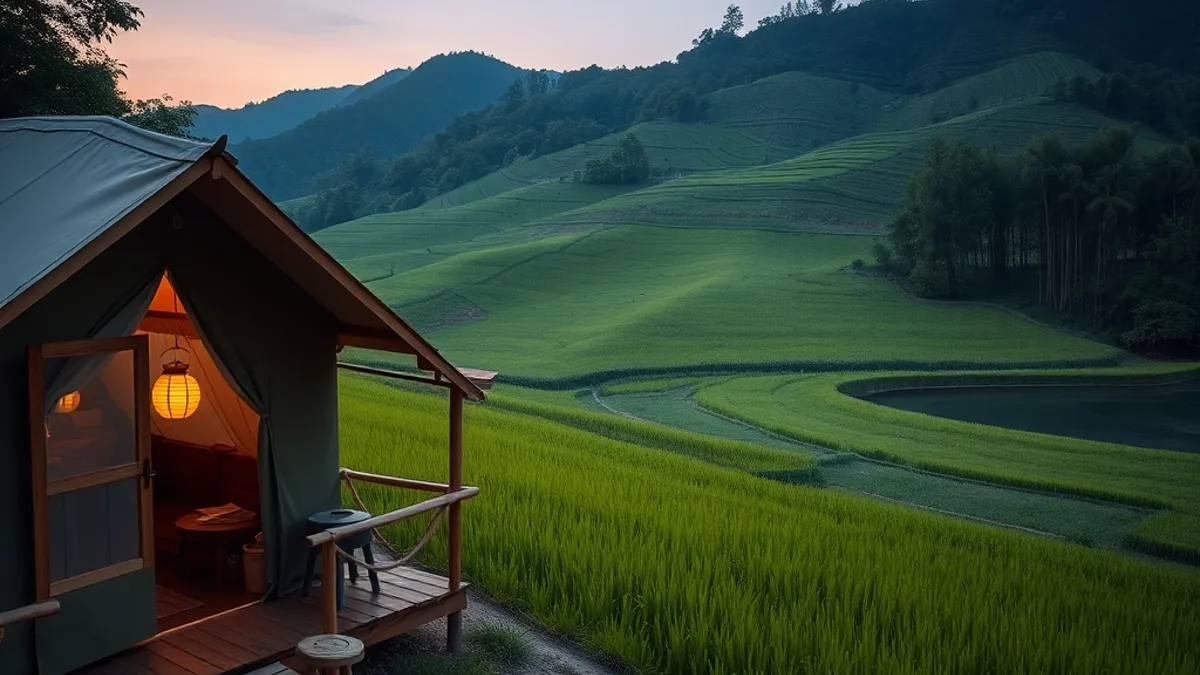
Japanese glamping is closer to a boutique hotel stay than to camping. You sleep in a tent or dome, but the beds arrive made up with proper linens, the BBQ gear is set out for you, and at some properties you get your own private onsen-style bath on the deck. There’s no wrestling with tent poles or hauling a cooler from the car park.
Food is part of the experience
Many sites operate as farm stays or partner with nearby producers, so meals lean heavily on regional ingredients. That might mean wagyu or local pork for the grill, vegetables picked that morning, or breakfast built around a specialty the area is known for. It’s one of the easiest ways to taste your way through a region without leaving your accommodation.
Small sites, tight availability
Most countryside glamping properties are deliberately small, typically somewhere between 5 and 20 units. That keeps noise down and gives you genuine quiet at night, a real contrast to crowded campgrounds. The trade-off is availability: with so few units, weekends in popular regions sell out early, so you’ll want to plan ahead rather than book last minute.
Best Regions for Countryside Glamping
Japan’s countryside offers genuinely varied glamping, and the right region depends heavily on the season you’re traveling and the landscape you want outside your tent. Most countryside sites sit roughly 1.5 to 3 hours from Tokyo by car or train, so even a weekend trip is realistic without an internal flight. Here’s how the main regions compare.
- Fuji and Yamanashi area: dome resorts with sweeping views of Mount Fuji, roughly 2 hours from Tokyo. These are the most photogenic sites in the country, and the most in demand, so early booking matters here more than anywhere else. Expect lakeside settings around the Fuji Five Lakes area, with morning views of the peak that vary dramatically depending on cloud cover and time of day.
- Chiba and Ibaraki: farm-based glamping on the Boso Peninsula, 1.5-2 hours from the city. Winters are milder than in the mountains, and you can often pick or buy produce directly from the farms that supply your BBQ dinner. It’s the easiest option for first-timers who want countryside atmosphere without a long, complicated journey.
- Nagano and the Japanese Alps: forest and river settings that come into their own in summer and autumn. Cool nights even in August, plus riverside sites where you can fish or paddle within walking distance of your tent. The region also has a strong food reputation, so farm-to-table dinners here tend to be a highlight.
- Kyushu and Setouchi: warmer winters and coastal or volcanic landscapes, ideal for off-season trips. Think hot spring towns, island-hopping in the Seto Inland Sea, and steaming volcanic valleys as a backdrop. Some sites pair tents with nearby onsen access, which makes cooler evenings far more comfortable.
If you’re curious how the glamping concept translates elsewhere, this review of a lakeside glamping stay in Castel Volturno, Italy shows how similar comforts work in a very different landscape.
When to Go: Matching Season to Region
Timing decides half of your glamping experience in Japan. The two most scenic windows are late March to early April, when cherry blossoms open across the countryside, and November, when the autumn foliage turns the mountains red. Both are spectacular, and both are when prices run highest and availability tightest.
Summer and winter: pick your region carefully
July and August are prime time in the Japanese Alps and Hokkaido, where nights stay cool enough to sleep comfortably. In lowland areas, though, summer means high humidity and temperatures of 30-35°C, so an air-conditioned tent isn’t a luxury, it’s essential. Winter, from December to February, works best in milder regions like Chiba, Shizuoka and Kyushu, where heated tents keep you warm and crowds thin out noticeably. Hokkaido is the exception: most sites there close for the winter months.
When value beats scenery
If price matters more than peak views, aim for June or late January through February. Rates in these windows often drop 30-50% below peak-season levels, and you’ll share sites with far fewer guests. You trade blossom photos for quiet, space and a much lighter bill, which many travelers find a fair deal.
How to Spot a Quality Glamping Site
The difference between a memorable glamping trip and a disappointing one usually comes down to what’s actually included versus what’s pitched as an upgrade. Some sites advertise impressively low rates, then charge extra for heating, bedding or bathroom access, and those add-ons add up fast. Before booking, read the room description carefully and confirm that air conditioning or heating, proper beds and a private bathroom are listed as standard features of the unit, not optional extras.
The clearest sign of a well-run site is all-inclusive pricing. In Japan, this typically means your stay covers a BBQ dinner, often with local ingredients, plus breakfast the next morning. This format is common at the ¥20,000-40,000 per person level, and it removes the hassle of shopping for groceries in an unfamiliar rural area. If a rate seems much lower than comparable sites, check whether meals are excluded.
Because most countryside sites are small, your tent or dome may sit just a few meters from the next one. That makes guest behavior and site management matter more than at a large hotel. Reviews are your best tool here. Beyond the checklist below, scan recent comments specifically for mentions of cleanliness, noise and how hosts handled problems.
- Climate control as standard: look for units with an installed air conditioner or heater built into the price; portable units or “seasonal options” often mean you’ll pay more or sweat through humid nights.
- Real beds, not sleeping bags: quality sites list proper mattresses and made-up bedding; sites offering futons on platforms or unmade bedding tend to sit at the budget end.
- Private bathroom in the unit: some domes include their own toilet and shower, while others rely on shared facilities a short walk away, a big difference in winter or rain.
- Noise patterns in reviews: search reviews for words like “quiet,” “thin walls” or “loud groups,” since close-set units carry sound, especially on weekends when families and groups dominate.
- Shuttle service from the station: many rural sites run a pickup from the nearest train station, but it usually needs to be reserved in advance; others have no option and you’ll need a rental car.
- On-site staff or management: check whether someone is present overnight or reachable by phone, since small countryside sites sometimes operate with minimal staffing.
Booking Timing and Budgeting
Glamping in Japan’s countryside books out far earlier than most travelers expect, especially for the two prettiest windows of the year. For weekends in April and November, when cherry blossoms and autumn foliage draw crowds, plan to reserve 3-6 months ahead. The most popular dome resorts in the Fuji area are the tightest of all; many sell out a full 6 months out, so if a mountain-view dome is your priority, book the moment your dates open.
Midweek stays are the easiest way to save money and stress. Prices drop noticeably compared to Friday and Saturday nights, and availability is far more forgiving: 1-2 months ahead is usually enough to find a good selection. If your schedule allows a Monday or Tuesday check-in, you’ll often get the same site, the same meals and a quieter atmosphere for less.
What to budget
Plan on roughly ¥15,000-40,000 per person per night, with meals and often activities included at the higher end of that range. All-inclusive sites look expensive at first glance, but they replace a restaurant dinner and breakfast, which narrows the real gap.
Don’t forget transport costs, which add up faster than many travelers plan for. Most countryside sites sit a couple of hours outside the capital, and if your chosen site has no station shuttle, you’ll need a rental car. Budget roughly ¥7,000-10,000 per day for the rental, plus tolls and fuel, and confirm parking is free at the site before you book.
What to Pack and What’s Provided
Packing for a glamping trip is much lighter than packing for camping. Most Japanese glamping sites provide bedding, towels and full cooking equipment, so you won’t need a sleeping bag, camp stove or cookware. Check the site’s amenity list before you leave, because a few budget-focused sites skip towels or charge for them, but the majority genuinely mean it when they say “just bring yourself.”
The one thing travelers consistently underestimate is temperature. Countryside nights cool down sharply, even in summer, and nowhere more so than in Nagano and the Japanese Alps, where evenings can feel like a different season from the afternoon. Bring layers you can add or shed easily, and check the overnight low for your exact location rather than the nearest big city.
Season-specific gear matters too. From May to September, insect repellent is essential, especially at farm-based and riverside sites where mosquitoes are part of the landscape. In winter, heated tents keep the air warm, but thermal sleepwear makes sleeping comfortable instead of merely tolerable.
Finally, cash still matters in rural Japan. Some smaller glamping sites, and the farm shops and local restaurants you’ll want to visit nearby, don’t take cards. Withdraw enough before you leave the city, since ATMs can be sparse in the countryside.
- Slip-on shoes or sandals: many sites ask guests to remove shoes before entering the tent or dome, so footwear you can kick off quickly makes arrivals and midnight bathroom trips easier.
- A portable battery pack: some units have limited outlets, and rural days spent outdoors drain phone batteries faster than you’d expect.
- Snacks and drinks for the drive: all-inclusive dinners are generous, but countryside convenience stores close early, and a shuttle-based arrival leaves little room for a supply run.
- Eye mask and earplugs: tents and domes let in early morning light, and close-set units mean you may hear neighbors; light sleepers will be glad they packed both.
- A small bag for dirty laundry: glamping gear like BBQ smoke and campfire smell clings to clothes, and keeping worn items separate saves your suitcase.
Planning Your Countryside Glamping Trip
Countryside glamping solves a simple problem: getting a real nature escape in Japan without giving up comfort. The key is matching region to season first. Fuji-area domes and Nagano forests shine in summer and autumn, Chiba and Shizuoka work well for winter, and the blossom and foliage windows of late March to early April and November are the most scenic times to go.
Once you have a region and season, narrow things down by stay type and budget. Book 3-6 months out for peak foliage and blossom weekends, since popular sites sell out early, and aim for midweek stays if value matters more than scenery. Before paying, confirm exactly what’s included in the rate, and sort out transport or shuttle access from the nearest station well in advance. If this helped you plan your trip, leave a comment or share the article with a fellow traveler.