Hotel room types like deluxe, junior suite and connecting sound impressive on a booking page, but they rarely come with a clear definition. One hotel’s deluxe room might be a genuinely larger space with a better view, while another’s could be barely bigger than the standard option — just with a cleverer name and a higher price tag. That leaves many travelers unsure what they are actually paying for when they click “upgrade”.
This guide breaks down the categories that cause the most confusion. We explain what a deluxe room typically gets you, how a junior suite differs from a full suite, and why connecting rooms matter so much for families. We also help you match the room type to your trip, book the right category with confidence, and choose between deluxe, junior suite and connecting based on who is traveling and how long you are staying — not on which label sounds most impressive.
Hotel Room Types at a Glance
Here is the first thing to know about hotel room types: the names are not standardised anywhere in the industry. A deluxe room in one hotel can be smaller than a standard room in another, because each hotel chain — and sometimes each individual property — sets its own category ladder. That is why two bookings that sound identical on paper can deliver very different rooms.
Most hotels do follow a rough pattern, though. Categories typically ladder up from standard or classic, to superior and deluxe, to junior suite, suite and finally specialty categories like penthouses or themed rooms. Each step up the ladder usually means more space or extra features, but how much more varies enormously between properties.
The three labels that cause the most confusion
Among all these categories, travelers most often mix up three labels: deluxe, junior suite and connecting. Each promises something completely different. Deluxe promises space and a better view within one room, a junior suite promises a different layout with a sitting area, and connecting rooms promise togetherness for groups or families. Booking the wrong one is an expensive way to find out.
The most reliable way to compare is to ignore the label and check the square meters listed for each category. Size is a hard number that hotels usually publish, and it tells you far more than the word “deluxe” ever will. Compare the figures between categories in the same hotel before you pay for any upgrade.
What a Deluxe Room Actually Gets You
A deluxe room is typically 30-40 square meters, compared with 20-25 square meters for a standard room in the same hotel. That extra space is real, but it is worth understanding exactly where it goes before you pay a premium for it.
What the upgrade usually includes
The deluxe upgrade usually means one or more of three things: a better view, a larger bed option such as a king, or a slightly better bathroom. What it does not mean is a separate living area — that is the territory of junior suites and full suites. A deluxe room is still one room, just a bigger and better-appointed version of the standard option.
Is the premium worth it?
Deluxe rooms usually cost 20-40% more than standard rooms in the same hotel, so the price of the upgrade is significant. Weigh that premium against what you actually gain. If you are out sightseeing all day and only sleep in the room, a larger bathroom may not justify the extra cost. If the view is the whole point of your trip, it might.
Before paying the difference, ask the hotel directly what deluxe means at their property. Does it guarantee a higher floor, a renovated wing, or is it simply a marketing label applied to slightly larger rooms? A quick email or phone call can save you from paying extra for a category that delivers less than you expect.
Junior Suite: One Room, Two Zones
A junior suite is a single open space of roughly 45-60 square meters with a defined sitting or lounge area beside the bed. You get a sofa, often a small table or desk, and clearly more room to spread out — but it is all one continuous space, not separate rooms.
How it differs from a full suite
The key difference from a full suite is the absence of a door between the sleeping and living areas. A full suite has a separate, door-enclosed bedroom and living room, which matters if one person wants to sleep while another works or watches television. In a junior suite, everything happens in one open room, so light, noise and movement carry across the whole space.
Who a junior suite suits
Junior suites usually cost 50-100% more than standard rooms, which is a substantial premium. They earn their price for travelers who genuinely use the extra zone: people who work in the room, want a proper place to relax in the evening, or like having friends over for a drink before dinner. If you only use the room to sleep, a good deluxe room may serve you just as well.
One practical check before booking: if a third person is staying, confirm whether the sofa converts to a bed. Capacity varies widely even within one hotel — some junior suites sleep three comfortably, others are strictly two-person rooms regardless of size. Ask in writing so you have the answer on record.
Connecting Rooms for Families and Groups
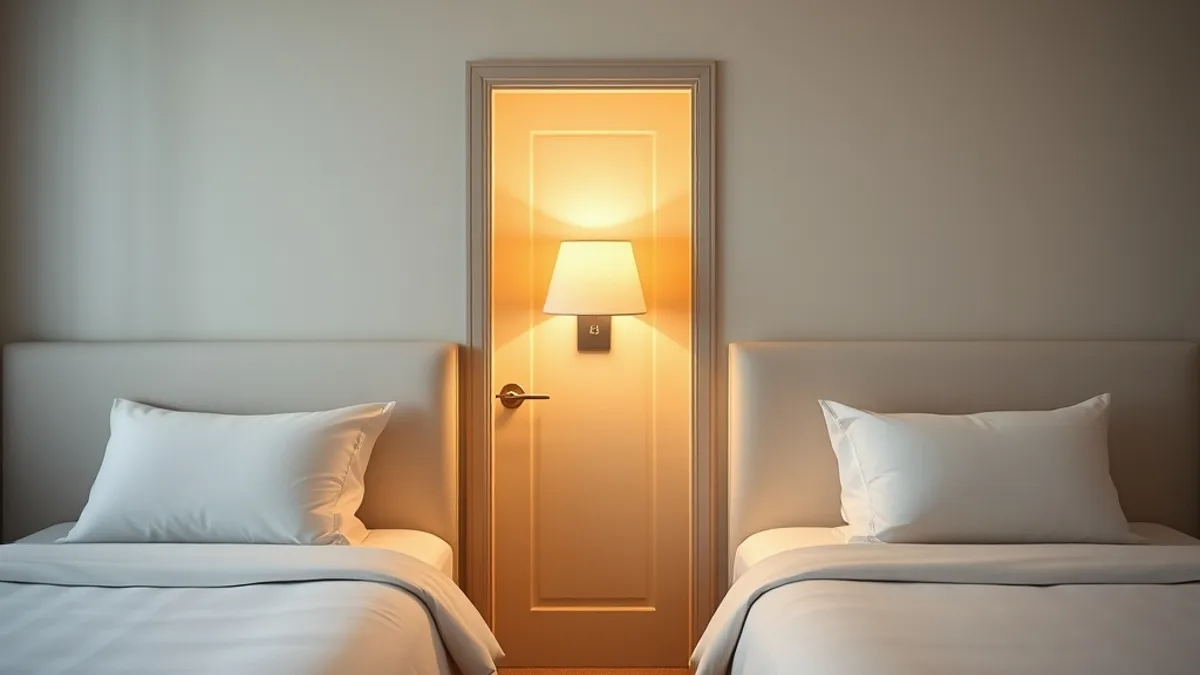
Connecting rooms are exactly what the name suggests: two complete, separate rooms joined by an internal door. Each room has its own bathroom, beds and privacy, and the internal door lets parents and children move between them without stepping into the corridor. You get togetherness when you want it and closed doors when you don’t.
Do not confuse connecting with adjoining. Adjoining rooms sit next to each other on the same floor, but the only way between them is out the door and down the hall. For families with teenagers that can work fine, but with young children most parents want the internal door.
Book early, and confirm the door itself
Most hotels hold only a handful of connecting pairs, so for high-season family travel you should request them 3-6 months ahead. Once those pairs are gone, the hotel simply cannot create another one, no matter how politely you ask at the front desk.
The most important step happens at booking: confirm in writing that the internal door exists between the two rooms. Some hotels only guarantee rooms “close together” or “on the same floor,” which is not the same thing and will not help with a toddler who needs reaching at 3 a.m. Ask for the connecting pair to be noted on the reservation, and reconfirm it a day or two before arrival.
Matching the Room Type to Your Trip
The right room type depends far more on your trip than on the label. A couple spending two nights in a city and eating every meal out will barely use a junior suite’s sitting area, and that premium is money better spent on dinner. A standard or superior room usually delivers everything a short city break needs, especially when you are out sightseeing from morning until evening and only return to sleep and shower.
On the other end of the scale, anyone staying a week or more, or working remotely from the room, gets real daily value from that extra living zone. Being able to work at a table in the lounge area while the bed stays a sleeping space makes the junior suite premium much easier to justify. Over several nights, the extra room becomes part of your daily routine rather than an occasional luxury.
- Families with young children: connecting rooms let parents keep a door open for nap checks and bedtime routines without sharing one room’s noise after 8 p.m.
- Families with teenagers: two separate standard rooms often cost less than a connecting pair and suit teens who value their own bathroom, TV and sleep schedule.
- Honeymoons and view-focused trips: the deluxe room premium is the classic case here, since a higher floor or a sea, skyline or sunset outlook is precisely what you are paying for.
- Mixed groups of friends: a row of standard rooms on the same floor often beats squeezing into suites, keeping costs fair and bathrooms plentiful.
Think also about how you use a room at home. If you never sit anywhere except the bed, extra lounge furniture will go untouched. If you spread out with laptops, snacks and morning coffee, a defined sitting area earns its keep every single day.
Before booking, ask one simple question: how many waking hours will I actually spend in this room? If the answer is few, save the money for experiences outside the hotel. If the answer is many, pay for the layout that fits the way you really travel.
How to Book the Right Category
Booking the right room category is less about luck and more about timing and paperwork. Even a large hotel often holds only a handful of rooms in each category, so the specific deluxe room or junior suite you want can disappear long before the hotel itself is anywhere near full. The good news is that securing what you actually paid for takes just a few deliberate steps, and none of them require inside knowledge of the hospitality industry. They simply require you to be specific, early and organized, which puts you ahead of the vast majority of travelers who book a category name and hope for the best.
- Book 2-4 months ahead for peak-season city stays. Specific categories often number just a handful of rooms in a large hotel, and early booking is usually the only way to choose between them. Waiting until the last minute usually means taking whatever is left, not what you planned for.
- Put the details in writing. When booking, request the room category, bed configuration (one king versus two twins, for example) and preferred floor by email or in the reservation notes, then reconfirm 48 hours before arrival. A written trail matters far more than a friendly phone call.
- Compare categories by the numbers. Look at the listed square meters and features rather than the prestige of the label, and check whether the price difference matches what you genuinely gain.
- Ask about a check-in upgrade. If your category is sold out, some hotels offer a paid upgrade at the desk, sometimes at a lower rate than pre-booking the higher category would have cost. It never hurts to ask politely.
None of this takes more than a few extra minutes, but it protects you from the most common disappointment in hotel travel: arriving to find a room that matches the price you paid, but not the description you expected. Written confirmation and an early booking give you something concrete to point to if the front desk’s memory differs from yours, and they make resolving any mix-up at the counter quick and painless.
Choosing Between Deluxe, Junior Suite and Connecting
Hotel room labels sound impressive, yet few of them mean the same thing from one property to the next, which is exactly why so many travelers pay for upgrades they do not need. The good news is that the three most confusing categories are easy to tell apart once you know what each one promises. A deluxe room means more space and a better view within a single room, typically 30-40 square meters for 20-40% more cost. A junior suite adds a sitting zone in one open 45-60 square meter space, at roughly double the standard rate. Connecting rooms suit families who need two private rooms with a shared internal door, booked 3-6 months ahead for high-season travel.
In the end, the right choice depends on who is traveling and how long you are staying, not on which label sounds most impressive. Compare the square meters and features, match them to your trip, and the decision makes itself. If this guide helped you sort out the categories, leave a comment or share it with a fellow traveler.