Glamping photos look dreamy: a canvas suite on a lake shore, a wood-fired hot tub, breakfast delivered to your deck. Then you check the nightly rate and find anything from under a hundred dollars to well over five hundred, and it is hard to know what a fair price actually looks like. If you have ever wondered how much does glamping cost before committing to a booking, you are not alone.
This guide breaks down typical rates by comfort level, then explains what your money actually buys at each tier. We will look at how season, timing and location move prices up or down, the hidden costs and included extras worth checking before you book, and practical ways to get more glamping for your budget. By the end, you will be able to judge any listing at a glance and spot genuine value versus inflated pricing.
How Much Does Glamping Cost at a Glance
Glamping rates fall into three broad tiers, and knowing the typical range for each helps you spot a fair deal quickly. Prices below are for two people per night, though exact rates vary by region and operator, so treat them as a planning baseline rather than a quote. Operators set their own prices based on what they provide, so two sites that look similar online can sit in very different tiers once you read the fine print.
- Budget tent and cabin sites ($80–150 per night): these are often canvas tents or simple cabins on a small family-run campground, where you trade frills for an affordable night under canvas close to nature.
- Mid-range safari tents, yurts and domes ($150–300 per night): this tier usually adds real furniture, proper insulation and private facilities, making it the sweet spot for most first-time glampers.
- Luxury lodges and resort-style glamping ($400–600+ per night): at this level you are paying for hotel-grade service, often with meals, activities and spa-style amenities bundled into the rate.
A useful way to judge value is to compare against a mid-range hotel in the same area. If a safari tent costs about the same as a comfortable hotel room but includes a private deck, fire pit and a memorable setting, that is usually good value. If the tent costs far more than the hotel, make sure the extras justify the premium.
It also helps to look at what the rate actually covers before comparing tiers. A budget tent with linens, firewood and breakfast thrown in can feel more comfortable than a pricier option where every towel and log is billed separately. Read recent guest reviews for clues about upkeep and service, since photos can flatter an aging tent. And remember that the tier you choose should match the trip you want: a simple canvas tent suits a short outdoorsy getaway, while a lodge-style stay works better for a special occasion where comfort matters as much as the setting.
What You Get at Each Price Level
The biggest driver behind wide price differences is what each rate actually includes. At the budget end, expect a real bed with decent linens, but bathrooms are often shared or very basic, and cooking may be limited to a communal kitchen or a simple camp stove. You are paying for comfort above a regular campsite, not a hotel-style stay, and knowing that upfront helps set realistic expectations.
Mid-range: the comfort sweet spot
Mid-range: the comfort sweet spot
At the next tier up, typically a tented lodge or a well-appointed yurt or dome, you can usually count on a private bathroom, some form of heating or cooling, a deck or terrace, and genuinely good furnishings. This is where glamping starts to feel like a boutique hotel in the outdoors, and for many travelers it hits the best balance of price and comfort. For a clear example of what this tier delivers in practice, see this review of a glamping stay near Lake Powell.
Luxury: hotel service in the wild
Luxury lodges and resort-style properties go further still, adding en-suite bathrooms, full board or chef-prepared meals, spa access and curated activities such as guided hikes or boat trips built into the stay. At this level you are comparing against upscale hotels rather than campgrounds, and the nightly rate should reflect that positioning. When meals and excursions come bundled in, they can represent meaningful value compared with paying for each experience separately.
Whichever tier you choose, read the inclusions carefully before booking so you know exactly what the nightly price covers, and ask the operator directly if anything is unclear. A few minutes of checking can spare you surprises at check-in.
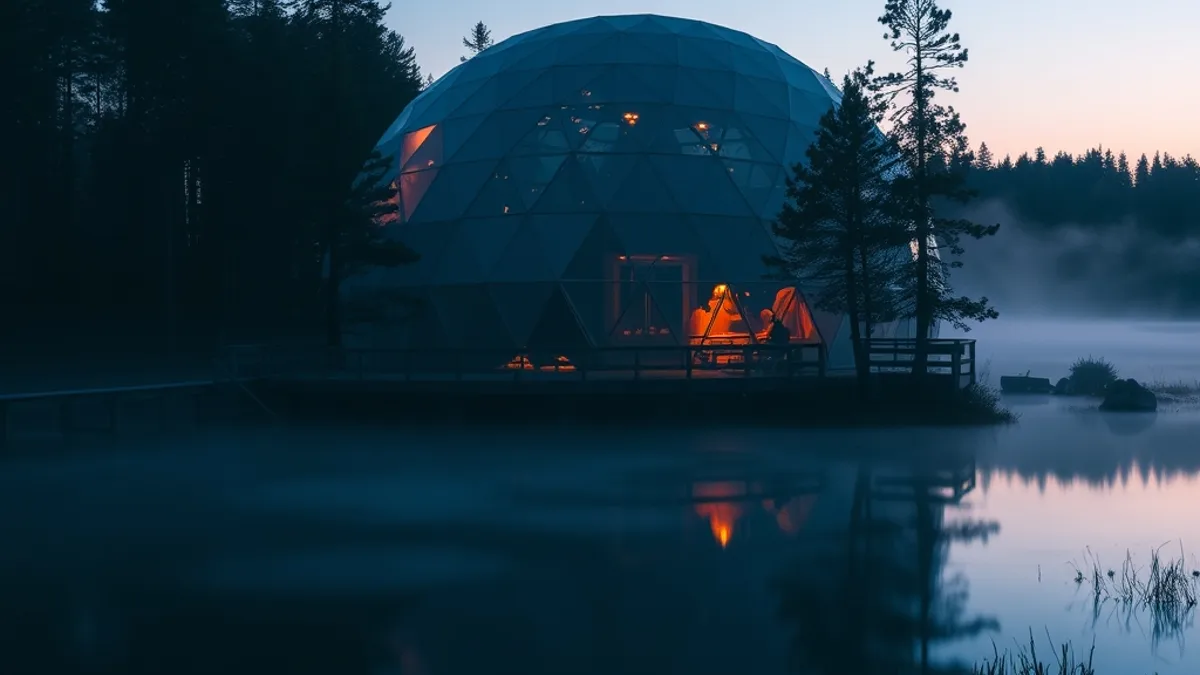
How Season and Timing Change Glamping Prices
Timing has an enormous effect on glamping rates, often more than the difference between budget and mid-range properties. Peak months of June through August can push rates 30–50% above shoulder season, especially at popular lakeside and coastal sites where summer demand is intense.
Why shoulder season wins
Shoulder months like May, September and October offer the same tents for noticeably less, often with quieter grounds and more pleasant temperatures for hiking or paddling. A slow trip built around a lake glamping escape in the Masurian region shows how shoulder-season travel can deliver the same experience at a friendlier price.
Weekends and booking windows
Weekend nights typically cost 20–40% more than midweek nights, so even a two-night stay shifted to Sunday and Monday can trim a meaningful amount off the total. If your heart is set on peak summer dates, booking 3–6 months ahead gives you the widest choice of tents and the best chance of securing the better-value units before they sell out. Last-minute deals do exist, but relying on them in July or August is a gamble.
How Location Affects the Price per Night
Where you pitch your luxury tent matters almost as much as what is inside it. Sites along popular coastlines and those sitting just outside famous national parks charge the highest premiums, because demand is strong and supply is limited. Expect the same safari tent to cost noticeably more near a marquee beach or park entrance than it would a few hours inland.
Not all of Europe is expensive, though. Farm-based glamping in rural Italy or Portugal often sits at the lower end of the price range, since land is plentiful and owners frequently let a tent or two on working farms. You trade some polish for olive groves, homemade breakfasts and quiet surroundings. A stay like this glamping site on the Devon coast shows how a well-run British site can offer strong value without sacrificing comfort.
Remote destinations and the scarcity premium
The further off the beaten path you go, the more you usually pay. Remote regions with very limited accommodation, such as Lapland or Canada’s Northwest Territories, price at a premium because there are few alternatives and running costs are high. The rarity of the setting is built into the rate.
Distance from major airports and cities also shapes pricing. Sites within a one- to two-hour drive of a large city typically charge more, as they attract weekenders who want a quick escape. Push an extra hour or two down the road and rates often drop noticeably, sometimes for an even better landscape.
Hidden Costs and Included Extras to Check
The nightly rate on a glamping site is rarely the whole story. Before you compare two listings on price alone, work out what each rate actually includes, because the gap between a bare-bones price and an all-inclusive one can easily be the cost of an extra night.
Start with the basics. Some sites include linens, towels, firewood and use of on-site kayaks or bikes in the rate, while others charge for each of these separately or expect you to bring your own bedding. Then look at food and activities: guided hikes, boat trips and on-site dinners can add real value, but if they are not bundled into your rate, budget roughly $50–100 per person per day for them. Booking platforms add their own wrinkles too, with cleaning fees and minimum-stay rules being especially common on independent listings.
- Linens and bedding: Budget sites often ask you to bring sleeping bags or hire linen kits for a per-stay fee, so check before you pack light.
- Firewood and cooking gas: Some sites sell wood by the crate and run hot tubs on metered gas, which can add up over a multi-night stay.
- Equipment use: Free kayak, paddleboard or bike access is a genuine perk, but a few sites rent them by the hour or half-day.
- Cleaning fees: On short two-night trips, a flat cleaning fee can add a meaningful percentage to your per-night cost, especially for couples.
- Minimum stays: Weekend slots at popular sites often require two or three nights, which raises the total even when the nightly rate looks fair.
The lesson is simple: a rate that bundles breakfast, activities and equipment can easily beat a cheaper bare-bones nightly price once you add everything up. Ask the operator for a full cost breakdown before you book.
How to Get More Glamping for Your Money
Glamping rates rarely move because the tent got nicer. They move because of when you book and how many people share the tent, which means you have more control over the final bill than you might expect.
The single biggest lever is timing. Shifting a trip from peak summer into May, September or October usually gets you the same tent, the same view and cooler, quieter evenings, at a noticeably lower rate. Operators price the calendar, not the canvas, so a dome that commands a premium in July can drop sharply once the school holidays end.
Day of the week matters too. If your schedule allows a Monday-to-Thursday stay, you will typically pay less than neighbors arriving on Friday, and the site will feel calmer as a bonus.
Booking windows work in two directions. For summer trips, reserving 3–6 months ahead gives you the widest choice of tents and dates. In low season, the logic flips: operators with empty domes often discount at short notice, so a flexible last-minute booking can pay off.
Finally, think about group size. Larger tents and lodges that sleep 4–6 people usually cost less per person than a couple booking a small dome. Splitting a big safari tent among friends can bring per-person costs close to, or even below, a basic campsite with a hotel-grade bed.
None of these strategies requires sacrificing the experience. The same site can be a splurge in July and a bargain in late September, so decide what matters most to you—weather, price or solitude—and pick your dates accordingly.
The Bottom Line on Glamping Rates
So, what does a fair glamping rate look like? The honest answer is that glamping spans roughly $80 to $600+ per night depending on the comfort level you want. A simple tent with a real bed sits at the low end, while a lodge with chef meals and spa access sits at the top.
Most of the price differences come down to three things: the season you travel, the location you choose, and what is actually included in the rate. If you want the best value within any budget, aim for shoulder-season, midweek bookings. That combination consistently delivers the same tents and views for noticeably less. If this guide helped you plan a trip, share it or leave a comment below.