Planning a Red Sea beach holiday in Egypt usually comes down to one question: Hurghada vs Sharm El Sheikh. On paper, they look almost interchangeable. Both promise warm water, coral reefs and big all-inclusive resorts, yet they suit very different kinds of trips, and picking the wrong one can quietly derail your vacation.
This guide breaks the comparison into the decisions that actually matter: how the two towns differ at a glance, where the snorkeling and beaches are better, what kind of accommodation each offers, the best time to visit and how far ahead to book, plus getting there and the day trips worth building your stay around. We finish with a straightforward rundown of which resort fits your travel style, so you can book with confidence.
Hurghada vs Sharm El Sheikh: The Core Differences at a Glance
Start with geography, because it shapes almost everything else. Sharm El Sheikh sits on the Sinai Peninsula at the northern tip of the Red Sea, built around a series of sheltered bays where coral reefs often begin just meters from the beach. Naama Bay is the lively center, packed with restaurants, cafes and shops, and most of the resort action stays within a short drive of it.
Hurghada, by contrast, lies on the Egyptian mainland coast and spreads along a much longer stretch of shoreline. It has a modern marina district, the older local quarter of El Dahar, and a general feel that mixes everyday Egyptian life with tourism. If you want to wander beyond your hotel and feel like you’re in a real town, Hurghada gives you more to work with.
Two fly-in resorts, two very different settings
Both towns are essentially fly-in resort destinations: most visitors arrive at the local airport, transfer straight to their hotel, and stay put or join organized excursions. The difference is the backdrop. Sharm is wedged between dramatic desert mountains and the sea, which makes the whole area feel more enclosed and scenic the moment you step off the plane.
Hurghada’s landscape is flatter and more open, with the desert stretching inland and the sea front and center. Neither setting is better across the board; it depends on whether you prefer drama outside your window or room to spread out along the coast.
Beaches and Snorkeling: Where the Water Is Better
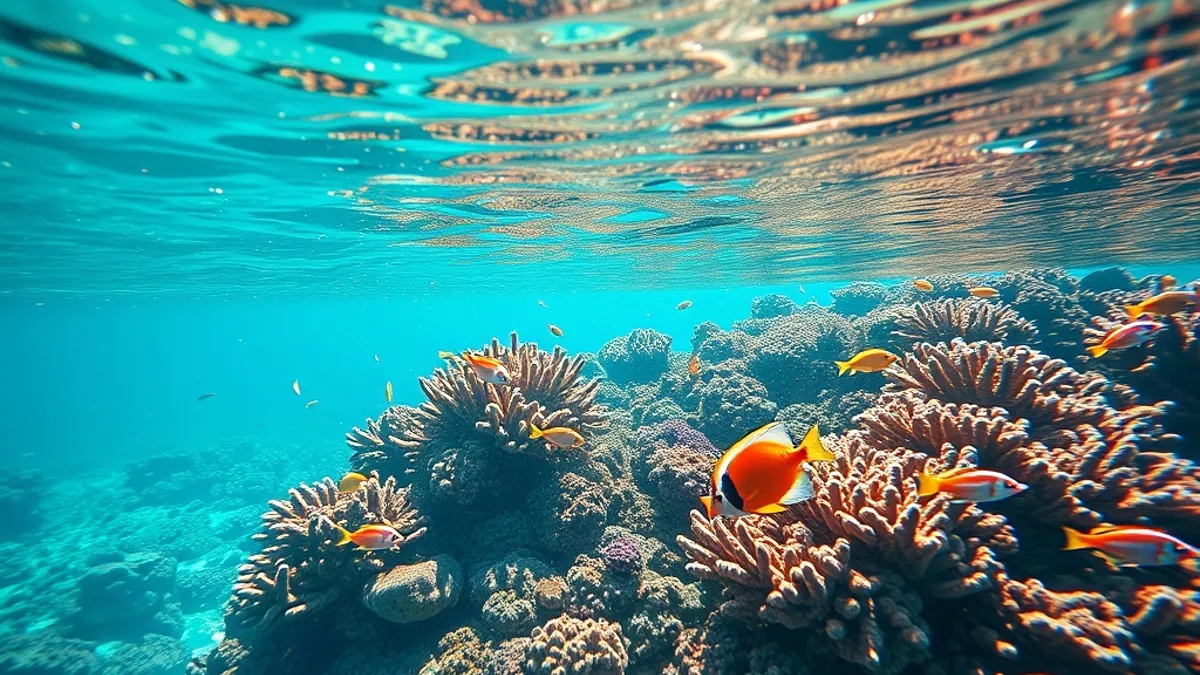
If snorkeling from the beach is your priority, Sharm El Sheikh has the clear edge. In bays like Naama Bay and Sharks Bay, the house reefs often start just meters from shore, so you can walk into the water and be over coral within minutes. Many resorts have their own stretch of reef with stairs or a small jetty for easy access, and you can snorkel several times a day without ever booking a trip.
Ras Mohammed and the famous sites
At Sharm’s southern tip sits Ras Mohammed National Park, one of the Red Sea’s most celebrated reef and diving areas. Boats and guided trips run there from the town, and it’s the kind of site many divers put on their bucket list. Note that the park charges an entrance fee, so check the current rate before you go.
Hurghada plays a different game. Its beaches are generally wider and sandier, which families with young children often prefer, but the coral isn’t usually right off the sand. Most of the snorkeling and diving happens on boat excursions to offshore reefs and nearby islands such as Giftun Island, where the water and marine life are excellent.
The practical takeaway: in Sharm, the reef comes to you; in Hurghada, you go to the reef. Shore-snorkelers and casual swimmers who want coral under their fins tend to be happier in Sharm, while beach lovers who don’t mind a boat day will enjoy Hurghada just fine.
Resorts and Stay Types: All-Inclusive vs Boutique
Both towns are dominated by large all-inclusive beach resorts, and in mid season you’ll commonly find rates in the range of about $60-150 per person per night. That usually covers meals, drinks and most on-site entertainment, which is a big part of why these resorts are so popular with families and anyone who wants a predictable budget.
How the resort zones are laid out
Sharm’s resort zones, including Naama Bay, Shark’s Bay and Hadaba, cluster fairly close together, so it’s easy to stay near the action or split the difference between beach and nightlife. The compact layout means short taxi rides between hotels, restaurants and dive centers.
Hurghada’s hotels stretch over a longer distance, from the marina area in town down to Sahl Hasheesh, a resort zone south of town with its own stretch of beach. That spread gives you more choice about atmosphere, from walkable marina living to quieter, self-contained compounds.
Beyond the all-inclusive buffet
This is where Hurghada pulls ahead for many travelers. Alongside the big resorts, you’ll find marina apartments for self-catering stays, smaller boutique-style hotels, and guesthouses in and around town. If you’d rather eat out some nights and explore El Dahar or the marina on foot, you have realistic options.
Sharm stays more resort-focused, and most visitors spend the bulk of their time inside their hotel. That’s not a criticism; it’s exactly what many people want from a Red Sea break. But if your ideal trip mixes hotel downtime with town wandering and independent meals, Hurghada’s variety gives it the advantage.
Best Time to Visit and How Far Ahead to Book
Timing shapes your Red Sea holiday more than most travelers expect. October to April is peak season on both coasts: days are warm without being punishing, evenings turn genuinely mild, and the sea conditions are at their best for diving and snorkeling. This is when visibility is typically at its clearest and boat trips run most comfortably, so if the underwater world is your main reason for coming, aim for this window.
Summer flips the equation. From June to August, land temperatures climb above 35°C, which makes long walks, sightseeing and desert excursions uncomfortable in the middle of the day. That said, summer suits a certain kind of traveler well: if your plan is to move between the pool, the shaded beach bar and the air-conditioned buffet, you will find plenty of availability and often noticeably lower rates than in winter.
How far ahead to book
For winter high-season dates, booking 2-3 months ahead typically secures noticeably better rates than leaving it to the last minute. Peak-season rooms at the most popular all-inclusive resorts fill early, especially around the holidays. Shoulder months like May and September offer a decent compromise: hot but manageable weather, good sea conditions and pricing that sits between the summer lows and winter highs. Whenever you travel, check current prices directly with operators, as they shift with demand.
Getting There, Getting Around and Day Trips
Both towns are fly-in resort destinations, but they sit in very different corners of Egypt, and that shapes what you can do beyond the beach. Hurghada lies on the Egyptian mainland coast, roughly 450 km southeast of Cairo by road. That position makes it a practical base for mainland excursions, and Luxor day trips are the classic example: temples and valley tombs that are simply out of reach as a day trip from Sinai. If you want to combine a beach week with a taste of ancient Egypt without changing hotels, Hurghada has the clear edge.
Sharm El Sheikh is more remote from Egypt’s inland highlights, tucked across the water on the Sinai side. What it pairs with instead is Sinai itself. Mount Sinai sunrise hikes and trips to St. Catherine’s Monastery, one of the world’s oldest working monasteries, are the natural add-ons here, and they fit easily into a resort stay. Just be aware that these excursions involve early starts and several hours of driving, so they work best as a one- or two-night detour rather than a casual morning out.
Getting around once you arrive
In both towns, resorts typically arrange airport transfers, so it is worth confirming this when you book rather than negotiating on arrival. Taxis and resort shuttles cover most short distances, whether that is the ride into Naama Bay in Sharm or the trip from a Sahl Hasheesh hotel into Hurghada’s marina. Distances within each resort zone are short, so you rarely need to plan much beyond your airport transfer.
One practical tip: agree on a taxi fare before getting in, or ask your hotel reception to call a driver they trust. If you are booking a Luxor or Mount Sinai excursion, going through a licensed operator or your hotel’s tour desk usually means air-conditioned transport and a guide, which makes the long drive far more comfortable. Check current prices and inclusions with your operator before committing, as these vary by season and group size.
Which Red Sea Resort Fits Your Travel Style
If you are torn between the two, start with how you plan to spend your days. Sharm El Sheikh rewards travelers who want to slip into the water without ever boarding a boat, since its calm, sheltered stretches of coast put house reefs just a short swim from the sand, and the dramatic backdrop of desert mountains gives the whole town a more enclosed, striking setting. Hurghada rewards travelers who want variety on land: wider, sandier beaches, a marina, an old town in El Dahar with a more mixed local and tourist feel, and easier access to mainland excursions like Luxor.
Families and all-inclusive loyalists are genuinely well served in both towns, with large resort zones offering kids’ pools, entertainment programs and buffet dining at broadly similar price points. Divers chasing iconic reef sites, on the other hand, lean toward Sharm and Ras Mohammed National Park at its southern tip.
- Shore-snorkeling families: pick a Sharm resort on a sheltered, reef-fringed bay where children can float over coral directly from the beach, no boat logistics required.
- Culture-combiners: pick Hurghada if you want to tack a Luxor day trip onto your beach week without changing hotels or flying elsewhere.
- Adventure add-on seekers: pick Sharm if a Mount Sinai sunrise hike or a visit to St. Catherine’s Monastery appeals more than temples.
- Town-life browsers: pick Hurghada if you want evening options beyond the resort gate, from marina strolls to El Dahar’s more local atmosphere.
The Bottom Line on Egypt’s Red Sea Resorts
So which one should you pick? Sharm El Sheikh stands out for house-reef snorkeling you can reach straight from the beach and for its dramatic Sinai mountain backdrop. Hurghada wins on wider sandy beaches, more accommodation variety, a livelier local town and easier mainland excursions like Luxor. Both deliver classic Red Sea resort holidays, and both are dominated by large all-inclusive properties in a similar price range.
Timing matters more than the destination in many cases. October to April is the prime window in both towns, with warm days, mild evenings and the best sea conditions. If your trip falls in the winter high season, reserving a couple of months in advance usually means noticeably lower rates than leaving it late. In the end, the right pick comes down to shore access versus beach and town variety. If this helped you decide, leave a comment or share the article with a fellow traveler.