Most travelers planning a beach holiday in Kenya hit the same wall: every search result praises Diani, Watamu and Malindi, but almost none of them compare the three side by side. So you end up with a shortlist of Kenya coast resorts and no clear idea which town actually matches the trip you have in mind. A honeymoon, a family holiday and a snorkelling week each point to a different stretch of sand.
This guide puts the three towns head to head. We start with how Diani, Watamu and Malindi genuinely differ, then cover when to book and what you’ll pay per night. After that, each town gets its own section: Diani’s long resort strip, Watamu’s calm bays and marine park, and Malindi’s old Swahili streets and reef. We finish by matching each type of trip to the right location, and by summarizing how to choose your stretch of the Kenyan coast with confidence.
Kenya Coast Resorts: How Diani, Watamu and Malindi Differ
The first thing to understand is that these three towns share the same coastline and the same climate, so you won’t be choosing based on weather. Sunny days, warm water and seasonal rains arrive on roughly the same schedule whether you pick the southern or northern coast. The real difference is atmosphere, and it’s bigger than most travelers expect.
Diani: the long beach and the resort strip
Diani suits travelers who want a long, uninterrupted stretch of white sand backed by a proper resort strip. Bars, restaurants and water sports operators line the beach, so there’s plenty going on without leaving your stretch of sand. If you like the idea of stepping out of your resort into an active beach scene, Diani is the obvious fit.
Watamu and Malindi: two very different moods
Watamu works best for quieter stays. The area is made up of small bays with calm, shallow water, and the village has a laid-back, low-key feel that attracts travelers who want to unplug. Snorkelling in the marine park is a highlight rather than an afterthought.
Malindi appeals to a different traveler again: one who wants an old Swahili town to explore, a long-standing Italian influence in the restaurants, and easy access to marine parks. You get a real town with history alongside the beach, which neither Diani nor Watamu offers in quite the same way. Think about which of these three descriptions sounds most like your kind of holiday, and the choice largely makes itself.
When to Book and What You’ll Pay
Timing shapes both your weather and your bill on the Kenyan coast. The dry season runs from June to October, with a shorter dry spell in January and February, and those months deliver the most reliable beach weather. The long rains fall between March and May, and while that’s the wettest stretch of the year, it’s also when many coastal resorts drop their rates by 30-50% to keep rooms filled. If you can handle an afternoon downpour and the odd humid morning, the savings can fund several extra nights at a property that would normally stretch your budget.
Budget expectations are fairly consistent across all three towns. Mid-range beach resorts typically cost $80-150 per night, while upscale beachfront properties usually start around $200 and can climb well past $500 depending on the season and the room category. Prices also swing with demand, so the same ocean-facing room can cost noticeably more in peak weeks than in quieter months.
- December and July-August are the crunch periods. Coastal resorts fill fastest during these high-season windows, so booking 3-6 months ahead gives you the widest choice of rooms and the best chance at your preferred property. Last-minute availability during these weeks is rare and rarely cheap.
- Shoulder months reward flexible travelers. Outside the peak windows, you can often book closer to your travel date and still find availability at good properties, though late deals at the very best beachfront resorts are never certain.
- Check what’s open before booking the rains. During the March-May long rains, some smaller lodges close for renovation, so confirm your chosen property is operating before you commit to a discounted rate.
- Meal plans change the real price. A room that looks cheap may assume you’ll eat all meals at the resort, so compare half-board, all-inclusive and room-only rates against nearby restaurants before deciding.
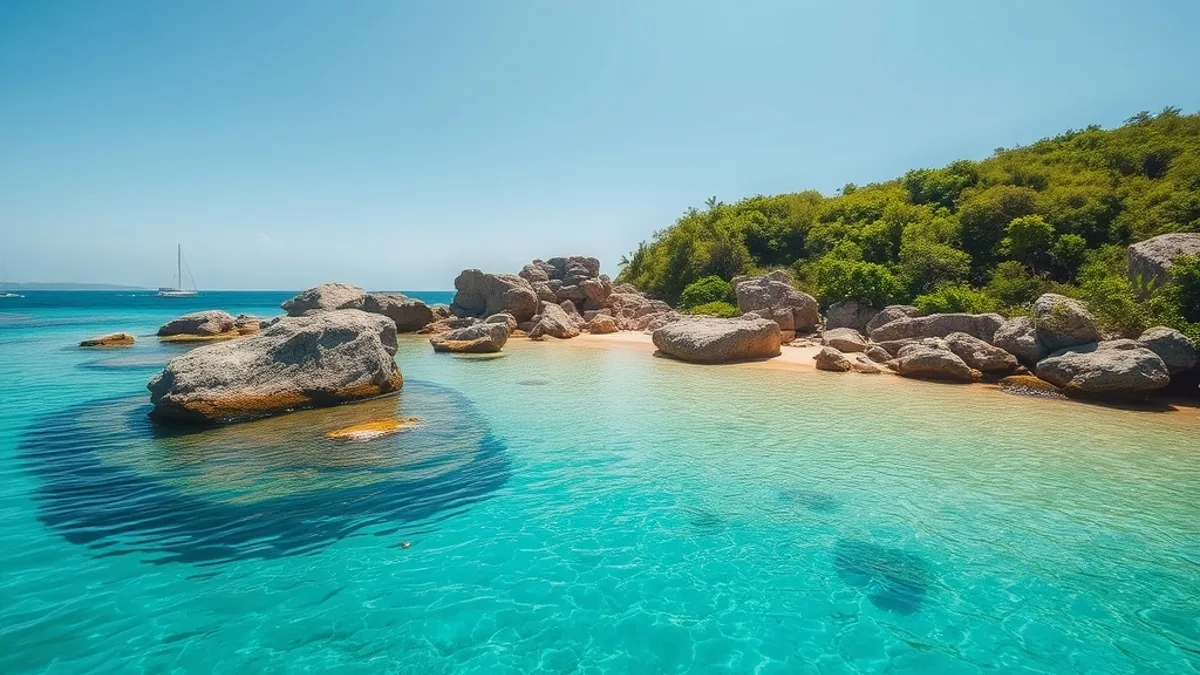
Diani Beach: Kenya’s Longest Resort Strip
Diani Beach runs roughly 30 km south of Mombasa, making it one of the longest continuous stretches of resort-backed white sand on the East African coast. Getting there is straightforward: you can fly into Ukunda Airstrip, which sits close to the beach strip, or travel by road via the Likoni ferry crossing from Mombasa. If you’re flying into Moi International Airport, allow time for the road transfer, especially around ferry queues.
Choosing where to stay on the strip
The strip mixes large all-inclusive-style resorts with smaller boutique beachfront properties, and the difference matters more than star ratings suggest. Before booking, compare meal plans carefully: some big resorts price their rooms assuming you’ll dine in-house every night, while boutique properties often leave you free to walk to independent bars and restaurants along the beach. If you want everything handled in one place, the larger resorts deliver; if you’d rather eat out and explore, a smaller property usually works out better.
What to do on and off the water
Water sports are Diani’s calling card, with kite surfing among the most popular activities thanks to consistent conditions along the open beach. Dhow cruises are an easy evening or sunset option, often departing directly from the beach in front of the resorts. For a bigger day out, operators run trips to Kisite-Mpunguti Marine Park, which is the area’s best-known excursion for dolphin sightings, though as with any wildlife experience, sightings are never guaranteed. Pack reef-safe sunscreen and book marine park trips a day or two ahead in busier months.
Watamu: Bays, Marine Park and Turtles
Watamu sits about 105 km north of Mombasa, and unlike Diani’s long resort strip, it’s a cluster of small bays backed by a low-key village. The area borders Watamu Marine National Park, which means the reef is close to shore and the water inside the protected zone tends to be calm and clear.
Three Bays, Shallow Water
The coastline is divided into three bays, and all of them share the same appealing trait: shallow, sheltered water that’s ideal for snorkelling straight from the beach. At low tide you may need to walk out a bit to reach deeper water, so check the tide tables if swimming is your priority. Turtle spotting is a highlight here, both in the water and, if you time your visit carefully, during nesting season.
Where You’ll Stay
Accommodation in Watamu leans toward small eco-lodges, guesthouses and private villas rather than large resort blocks. Many properties use solar power, source food locally and keep their footprint light, which suits the protected setting. If that style of travel appeals to you, I wrote about my own experience looking for this kind of place in my search for eco resorts. The trade-off for all this quiet is fewer bars, shops and organized activities than you’d find on a bigger strip, so Watamu works best for travelers who are happy to slow down.
Malindi: Old Town Meets the Reef
Malindi sits about 120 km north of Mombasa and is the easiest of the three towns to reach by air, since it has its own airport with direct flights from Nairobi. That makes it a practical choice if you want to skip the road transfer and get straight to the coast.
A Town With Layers
What sets Malindi apart is that it’s a real town, not just a beach strip. The historic Swahili old town dates back centuries, and you can wander streets lined with old coral-stone buildings, small shops and local markets. Layered onto that is a long-standing Italian community, which has shaped the town’s restaurants and café culture. You’ll find genuinely good pasta and espresso a short walk from Swahili cooking, a combination you won’t experience anywhere else on the Kenyan coast.
The Reef at Your Doorstep
Malindi Marine National Park sits right at the town’s edge, and it’s one of Africa’s oldest marine parks. Snorkelling trips and glass-bottom boat trips run into the protected area, where the reef and its fish are easy to see even if you’d rather stay dry. Because the park is so close, you can be out on the water and back at your hotel by lunchtime, which makes Malindi a good fit if you want to mix town exploring with time on the reef without long transfers either way.
Matching the Resort to Your Trip
Once you know what each stretch of coast offers, matching it to your trip becomes fairly straightforward. Divers and snorkellers should give serious weight to Watamu or Malindi, since both put you right at the edge of a marine park. Diani, on the other hand, works better for water sports like kite surfing, where open water and wind matter more than protected reef. Couples who want quiet evenings and a village feel will fit naturally into Watamu’s small bays, while families who want pools, kids’ clubs and a choice of restaurants are usually happier on Diani’s resort strip.
One detail that catches travelers out every season: check whether a resort is actually beachfront or merely “near the beach.” Some properties sit across the road from the sand, and others sit well inland, so a listing that sounds beachy can mean a 5-10 minute walk each way. If stepping straight from breakfast onto the sand matters to you, confirm the position on a map before booking.
- Ask about the tide effect. In Watamu’s shallow bays, swimming can depend on the tide, so ask your lodge when the water is deep enough rather than assuming all-day swimming.
- Consider transfer time from the airport. Diani is reached via Ukunda Airstrip or the Likoni ferry, while Malindi has its own airport with direct Nairobi flights, which can save half a day of travel.
- Match the dining scene to your plans. Diani’s strip has bars and restaurants within walking distance of most resorts, while Watamu’s villas and eco-lodges often mean eating where you stay.
- Think about evening atmosphere. A quiet couple’s trip and a lively family holiday look very different after dark, and Diani and Watamu deliver very different versions of it.
Choosing Your Stretch of the Kenyan Coast
So, which stretch of the Kenyan coast is yours? If you want activity, a long beach and a proper resort strip, Diani fits. If calm bays, snorkelling and a quieter village feel appeal, Watamu is the match. If you’d rather pair the reef with an old Swahili town and good restaurants, choose Malindi. Each town suits a different travel style, so start with how you want to spend your days.
Timing and budget do the rest. Aim for the dry-season months, and book three to six months ahead to secure the best rates for high season. Before you commit, check three things: easy marine park access, a genuinely beachfront location and a meal plan that matches your trip. Get those right and any of the three towns will deliver. Still torn between Diani, Watamu and Malindi? Tell us your travel style in the comments, or share this guide with a friend planning the same trip.