Lake District glamping is wonderful when it works out, but it punishes poor planning. Popular sites book out months ahead, and choosing the wrong area or the wrong week can turn a dreamy lakeside escape into a soggy, overpriced disappointment. A bell tent in a wet July week or a remote valley base when you wanted restaurants on your doorstep are the two most common regrets.
This guide helps you get the decisions right before you pay a deposit. We explain why lake District glamping needs a plan in the first place, then compare the best areas from the busy central lakes to the quiet western valleys. You will find advice on choosing your season and when to book, plus practical booking tips on deposits and fine print. We also cover how to pick the right unit for Cumbrian weather, how to get around, and what to pack, before wrapping everything up in a quick at-a-glance summary.
Why Lake District Glamping Needs a Plan
Glamping in the Lake District rewards travelers who plan ahead and frustrates those who leave things until the last minute. The national park draws over 15 million visitors a year, and that pressure shows most clearly in summer, when campsites and glamping sites fill fast. The most scenic spots, especially anything near the water, can be gone shortly after operators open their booking calendars for the season.
Planning matters for two more reasons beyond simple demand. First, the weather here is genuinely unpredictable year-round. A gloriously sunny morning can be followed by a wet, windy afternoon in any month, so the right unit type matters as much as the right week. A canvas bell tent feels romantic in late July and miserable in a September storm, while a heated pod or cabin stays comfortable in almost anything.
Pick your area before your dates
Second, the park is large and the roads are slow. What looks like a short hop on the map between two lake towns can take far longer than expected on narrow, busy lanes, especially in high season. Picking an area first, then choosing a site within it, saves hours of driving later and leaves you more time to actually enjoy the fells, the lakes and the villages on your doorstep.
Best Areas for Lake District Glamping
The Lake District is big enough that where you base yourself shapes the whole trip. A glamping site near Ambleside puts you in the middle of everything, while one in Eskdale gives you near-silence and a long drive to the nearest restaurant. Neither is better; they simply suit different travelers. If you are new to the region, it helps to think of the park as five distinct areas, each with its own character.
Windermere and Ambleside form the busiest hub and are the natural choice for first-timers who want restaurants, boat trips and attractions within easy reach. Keswick, sitting beside Derwentwater, works as a strong base for the northern fells and family-friendly walks, though it remains popular in high season. For a quieter, more dramatic stay, the western valleys of Wasdale and Eskdale offer big scenery with fewer facilities, which is exactly why repeat visitors love them. If you are weighing comfort and convenience against scenery, it can help to read a detailed review of a specific site elsewhere, such as this honest review of a lakeside glamping resort in Italy, to see what questions to ask before booking anywhere.
- Ullswater and the eastern edge near Penrith: a calmer alternative with good access off the M6, so you can skip much of the slow interior road network on arrival and departure days.
- Grasmere and Langdale: a compact, scenic middle ground between the southern lakes and the high fells, ideal if you want mountain walks without giving up village pubs and small shops.
- Wasdale and Eskdale in practice: expect to drive to most amenities, and stock up on supplies before you arrive, since shops and eateries are thinner on the ground in these valleys.
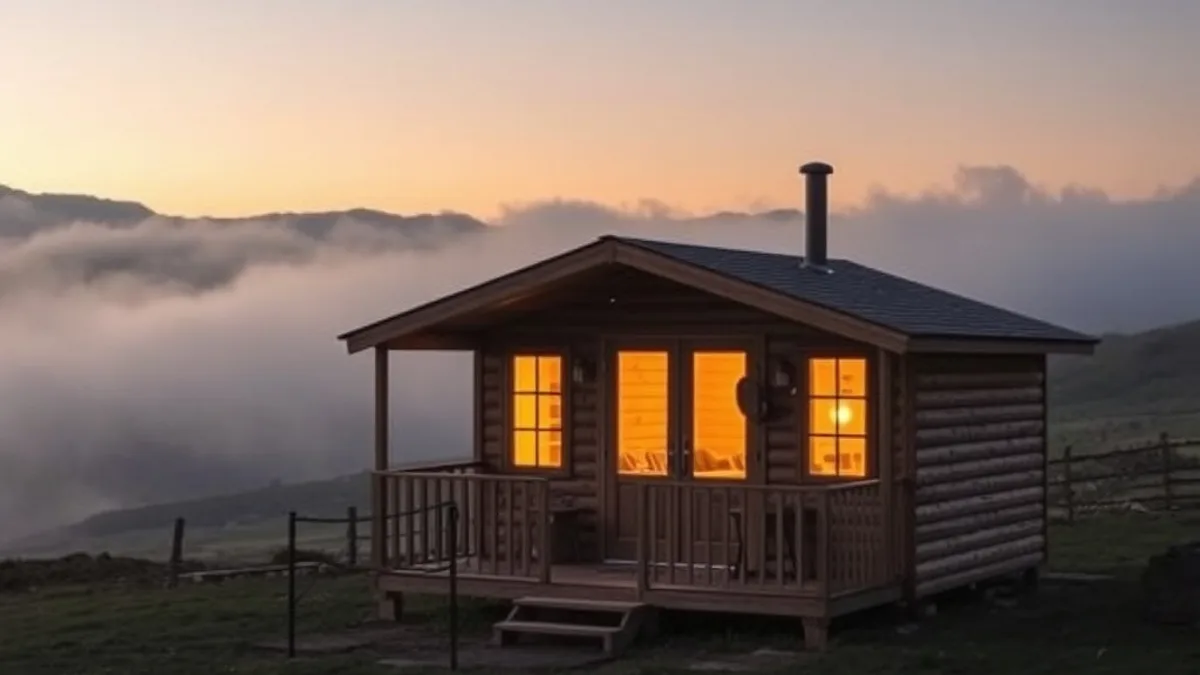
Choosing Your Season: When to Book Lake District Glamping
Timing shapes both the price and the experience of a glamping trip here. June to August brings the warmest weather, but it also brings peak prices and crowds, with July and August the busiest months of all. At popular sites in those weeks, expect to pay £150 to £250 per night, and accept that the lakeshores and trailheads will be busy too.
The sweet spots: May and September
May and September offer the best balance of the year. The weather is often milder than you might expect, the crowds are noticeably thinner, and rates drop to clearly lower levels than peak summer. School holidays are largely over or not yet started, so family-heavy sites calm down as well. For most travelers, these two months deliver the best weather-to-price ratio in the calendar.
Winter and the tricky dates
October to April suits hardy travelers only. Many sites close for the winter, so pods and cabins with heating become the realistic options rather than canvas. Also be careful with bank holiday weekends: unless you book far ahead, they behave like peak dates even in shoulder months, with peak-level prices and fast sell-outs. If your dates are flexible, shifting a trip by even a few days away from a bank holiday can save money and stress.
Booking Tips: Timing, Deposits and Fine Print
Glamping in the Lake District rewards early planners. If your heart is set on a peak-season weekend between June and August, aim to reserve 6 to 12 months in advance. Lakeside pitches and units near Windermere and Derwentwater are the first to go, often disappearing within weeks of a site opening its booking calendar.
Traveling in May or September gives you more breathing room. Booking 3 to 6 months ahead usually secures both a better choice of units and noticeably lower rates than the summer peak. Even so, the most popular sites in the central lakes fill early, so don’t leave it to the last minute.
Before you pay anything, read the small print carefully. Many small, family-run sites require full prepayment and operate strict or even no-refund cancellation policies, which can turn a rained-out weekend into an expensive lesson. It’s also smart to confirm exactly what your unit includes, because bedding, firewood for stoves and shower facilities vary widely from site to site.
- Minimum-stay rules: some sites enforce 2 or 3-night minimums on weekends and during school holidays, so a one-night stopover may not be possible even if the calendar looks open.
- Deposit timing: ask when the balance is due; some operators collect a deposit at booking and the rest a month or two before arrival, which affects how quickly you’re committed.
- Arrival windows: rural sites often have limited check-in hours, sometimes with no late reception, so confirm what happens if your drive up the M6 runs long.
- Dog and stove policies: not every unit allows pets or open flames, and wood-burner sites sometimes charge separately for logs and kindling.
Picking the Right Glamping Unit for Cumbrian Weather
Cumbrian weather is famously changeable, so the unit you book matters as much as the week you pick. A romantic bell tent in a July heatwave is a very different experience from the same tent in a wet October gale.
Warm-weather and shoulder-season options
Bell tents are the cheapest and most atmospheric choice, and they shine in summer. Outside the warmest months, however, they are the coldest and least weatherproof option, so treat them as a fair-weather pick. Safari tents are a step up: models with a wood burner stay comfortable well into spring and autumn, letting you enjoy the fells without sleeping on a cold airbed.
All-season choices
Glamping pods and cabins are the most reliable option for winter stays and wet-weather trips. They’re solidly built, insulated and usually heated, which makes a huge difference when many traditional sites close between November and March. For couples after something cosier, shepherd’s huts and yurts are hard to beat, with compact footprints and proper beds. Families should lean toward larger safari tents or cabins, where separate sleeping areas and a covered deck keep everyone sane on rainy afternoons. If you want a sense of what a well-run cabin-style site feels like, our review of a coastal glamping retreat in Combe Martin covers the details worth checking before you book anywhere.
Getting Around and What to Pack
A car is near-essential for a lake District glamping trip. Public transport exists, but most rural sites sit well off bus routes, and you’ll want the freedom to reach trailheads and villages on your own schedule. Plan for realistic journey times: the roads are narrow, busy and slow, so allow 30 to 60 minutes between major lake towns even when the map looks close.
You don’t have to drive everywhere, though. In peak months, park and ride options and lake cruises can take the pressure off around Windermere and Coniston, letting you skip the worst of the parking scramble. A boat trip across the water is often faster and far more scenic than the road around it.
Packing well matters in a region where a sunny morning can turn to drizzle by lunch. Waterproof layers and sturdy footwear belong in your bag in every season, and if you’re sleeping in a bell tent outside July and August, bring extra blankets for the cold nights.
- Torches or headlamps: many rural sites have limited lighting, so a hands-free headlamp makes late-night trips to the shower block far easier.
- Offline maps: mobile signal is patchy across the valleys, so download maps before you leave home rather than relying on live navigation.
- Slip-on shoes or wellies: grass pitches get muddy fast, and you’ll appreciate footwear you can pull on quickly for short walks to facilities.
- Power bank: pods and bell tents rarely have many sockets, and a charged phone matters more when signal is weak and batteries drain searching for it.
Your Lake District Glamping Trip at a Glance
Lake District glamping rewards the planners and punishes the impulsive. Sites fill months ahead, the weather keeps its own schedule, and picking the wrong corner of the park can mean hours on slow lanes instead of time by the water. Start with your area: the central lakes around Ambleside and Windermere for convenience, the quiet western valleys of Wasdale and Eskdale for drama and solitude, or the eastern edge near Penrith for a calmer, often better-value base.
Then pick your week. May and September usually deliver the best balance of milder weather, thinner crowds and lower rates, while summer trips need booking 6 to 12 months ahead. Finally, match the unit to the season: bell tents shine in summer, but pods and cabins are the safest bet outside it. Get those three decisions right and the rest is just packing. If this helped you plan your trip, leave a comment or share the article with a fellow traveler.