Choosing between Lake Garda’s east and west shores trips up more first-time visitors than any other planning question. The two sides look similar on a map, yet they offer noticeably different scenery, transport links and price levels, and picking the wrong one can shape your whole trip. Lake Garda hotels on the Veneto side tend to be family-run and value-focused, while the Lombardy side leans toward spa resorts and grander properties.
This guide walks through both shores town by town, from Bardolino and Malcesine in the east to Sirmione, Salò and Limone in the west. We compare how the hotels differ, how ferries, trains and roads work in practice, and which shore suits couples, families or car-free travelers. We also cover the best booking windows for peak and shoulder season, then finish with a straightforward verdict on east versus west. By the end, you should know exactly where to base yourself.
East Shore at a Glance: Bardolino, Garda and Malcesine
The east shore belongs to the Veneto region, and its character shows immediately. Around Bardolino and Garda town, the land is flatter and more open than anywhere else on the lake, so you get long, easy lakeside promenades and backroads that wind through wine country. The hills behind Bardolino are planted with the vineyards that give the local red wine its name, and many of these lanes are quiet enough to cycle or walk between tastings.
Bardolino and Garda: promenades and vineyards
Bardolino and Garda are the most walkable towns on this side. Both have pedestrian-friendly old centers, flat access from most hotels and a string of beaches and olive groves within a short stroll. If you want a lakeside stay where you can leave the car parked all week, this stretch is the easiest place to do it.
Malcesine and Monte Baldo
Further north, the character changes. Malcesine sits under the slopes of Monte Baldo, its cobbled lanes climbing toward a well-preserved medieval castle. A cable car runs from the town up the mountain, putting alpine hiking trails within reach of a morning’s ride. Malcesine is prettier and more dramatic than the southern east-shore towns, but it is also smaller and fills up quickly in high season.
Overall, the east shore suits travelers who want walkable towns, olive groves and quicker road access to Verona, which typically takes around 30–40 minutes by car. That combination of town life, gentle landscape and city day trips is what sets this side apart.
West Shore at a Glance: Sirmione, Salò and Limone
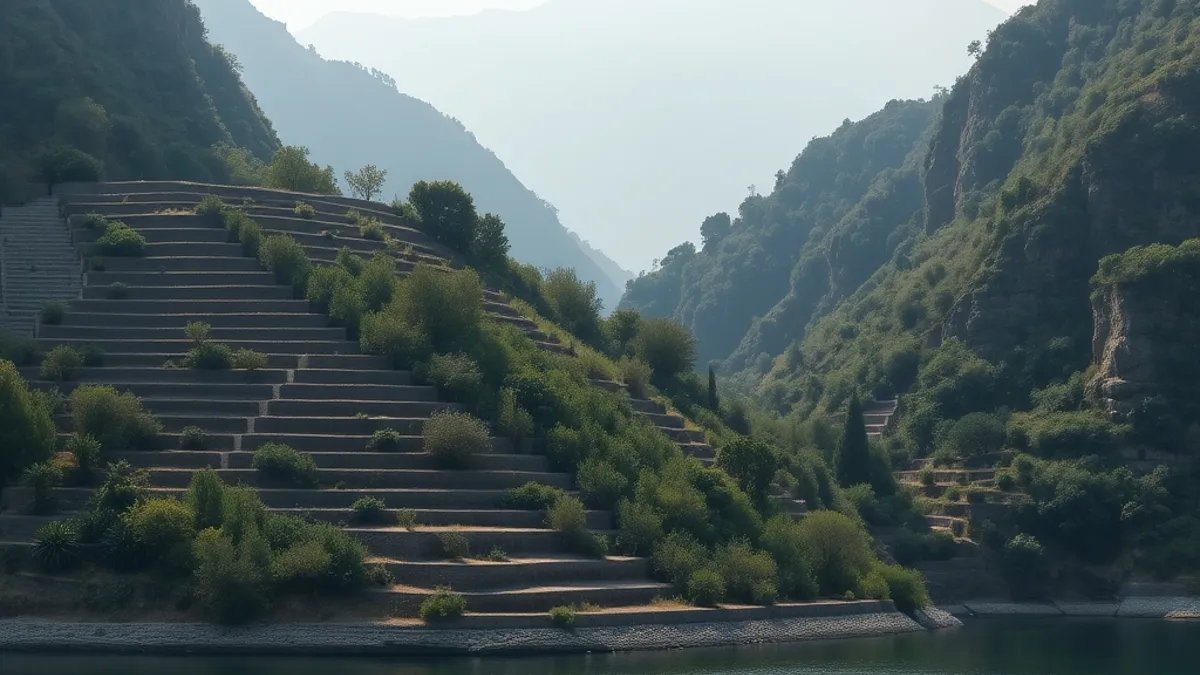
Cross to the Lombardy side and the lake changes mood. The west shore is steeper and greener, with roads that hug cliffs above the water, terraced lemon groves and a noticeably grander feel. In Gardone Riviera, the belle-époque villas and Liberty-style hotels left over from the era of aristocratic lake holidays still line the shore, and the town keeps a refined, slightly old-world atmosphere that the east shore never quite matches.
Sirmione: spas, ruins and crowds
Sirmione is the west shore’s most famous name, and for good reason. The town occupies a narrow peninsula that juts into the lake, crowned by a medieval castle and home to Roman ruins at its tip. Thermal spas draw wellness travelers year-round, and the setting is genuinely striking. The trade-off is that Sirmione is also the busiest and most expensive spot on the lake, with day-trippers packing the lanes and hotel rates to match. If you stay here, expect queues and book well ahead.
Desenzano: the practical base
Desenzano del Garda is the workhorse of the west shore. It has the largest town on this side, a lively evening scene and, crucially, direct trains on the Milan–Venice line, which makes it the most practical base for car-free travelers. Salò, further north, offers a relaxed promenade and good restaurants, while Limone sul Garda clings to the cliffs near the northern end, all lemon groves and hairpin roads.
In short, the west shore rewards travelers who prioritize scenery and atmosphere over convenience, and who are happy to drive or accept longer transfers.
How Lake Garda Hotels Differ by Shore
The shore you choose shapes not just the view but the kind of lake Garda hotels you will find. The two sides have developed distinct hotel cultures over the decades, and knowing the difference helps you set expectations before you start comparing prices.
East shore: family-run and value-focused
East-shore hotels cluster around family-run three- and four-star properties, often the kind of place where the same family has hosted guests for generations. Alongside them, lakeside campsites with bungalows and mobile homes are a big part of the offering around Bardolino and Garda, which is one reason this side attracts so many families. Standards are solid and personal service is common, but you will find fewer luxury properties here.
West shore: spas and five-star stays
West-shore properties skew toward spa and wellness hotels, especially in Sirmione and Gardone Riviera, where thermal water and the grand-villa tradition have shaped the market. This is also the side with more five-star options, so if a rooftop pool, treatment menu and lake-view suite are part of your plan, the west shore should be your first stop.
What you will pay
Prices overlap more than you might expect. In high season, a double room typically runs €150–300 per night on both shores, with Sirmione and Malcesine commanding the top of that range thanks to their setting and limited supply. In shoulder season, rates drop to roughly €90–180, and the smaller east-shore towns offer the best value of the whole lake. If budget is your main driver, a family-run pension in Bardolino or Torri del Benaco will usually beat anything of comparable quality on the west shore.
Getting Around: Ferries, Trains and Roads
Getting around Lake Garda takes a little planning, because the two shores behave very differently, and the transport option you pick will shape your whole trip. The east shore has the faster road links: from Garda town, you are typically around 25–30 km from the A22 motorway and Verona airport, which makes arrivals and day trips to Verona or the surrounding countryside refreshingly simple. Rental cars can be picked up at the airport, and the roads on this side are generally wider and easier to drive than the cliff-hugging routes opposite.
On the rail front, the choice is limited. Desenzano and Peschiera del Garda, both on the south-western edge of the lake, are the only towns with direct train connections, sitting on the busy Milan–Venice line. If you arrive by train, one of these two is your gateway, so plan your first and last nights accordingly rather than expecting to roll a suitcase to a northern village.
Ferries connect most lake towns, but they are slower than they look on a map. A full north–south crossing takes roughly 2–3 hours, so treat the boat as a scenic outing rather than a commute. The car ferry between Maderno and Torri is the real time-saver, cutting out the long drive around the northern shore and sparing your passengers a series of hairpin bends.
- The Maderno–Torri car ferry is especially useful for travelers staying in Limone or Riva who want to visit the southern towns without a lengthy detour around Monte Baldo.
- If you plan to explore the narrow west-shore road north of Salò, a car is essential; the road hugs the cliffs and public transport is thin, with infrequent buses.
- The east shore is more bus-friendly, with regular services linking Bardolino, Garda and Malcesine, so you can manage there without a rental car if you base yourself in one of the larger towns.
- Keep ferry timetables handy in shoulder season, when crossings run less frequently than in the summer months, and always double-check the current schedule before you plan a day around the water.
Which Shore Fits Your Trip
The right shore depends largely on what kind of trip you are planning, and being honest about your priorities now will save you from regretting your base later. Couples chasing spa time and dramatic scenery will feel at home on the west shore, particularly in Sirmione with its thermal spas, or in Gardone Riviera, where grand villas and gardens line the water and the mood is quieter and more polished than elsewhere on the lake.
Families and wine lovers are generally better served by the flatter east shore around Bardolino and Garda. The beaches here are gentler for children, the lakeside promenades are easy to walk with a stroller, and the surrounding hills are dotted with wineries you can reach by bike or a short drive. Towns sit close together, so you can swap between them for dinner or a market morning without much effort.
Active travelers should look further north, around Riva del Garda and Torbole. This is the lake’s main hub for windsurfing, with reliable wind conditions that draw sailors and surfers from across Europe, and it also puts you at the trailhead for serious mountain hiking on the surrounding ridges. Expect a sportier, younger atmosphere and fewer grand hotels here.
- Car-free travelers should base themselves near Desenzano or Peschiera del Garda, the only towns with direct rail access, which makes arrival and day trips by train straightforward.
- If you are staying in Torbole, book watersports equipment or lessons in advance during peak summer, when the windsurfing schools fill up quickly.
- Couples who want both spa time and sightseeing can pair a Sirmione stay with day trips by ferry, though allow for the slow crossing times.
- Families with young children should check that their east-shore hotel has shallow, gradual lake access nearby, as some stretches are pebbly rather than sandy.
When to Book and Where to Find the Best Lake Garda Hotels
Timing your booking matters as much as choosing your town. For July and August stays, aim to book 3–6 months ahead, particularly in Sirmione and Malcesine, where demand outstrips supply and the best lakefront rooms go first.
If your dates are flexible, the shoulder months are the sweet spot. May, September and early October bring mild weather, fewer crowds, and lake temperatures that are still warm enough for swimming, with rates typically 30–40% below peak.
Watch the Lake-View Premium
Lake-view rooms are where hotels make their margin. In the same property, a front-row room can add €50–100 per night over a rear-facing one. Before paying the premium, check the photos: some “lake view” rooms offer only a sliver of water between rooftops, while others look straight across the bay.
Don’t Forget Parking
Always check whether parking is included in your rate. It is scarce in Sirmione’s old town and in Malcesine’s center, and the cost of a guaranteed space can quietly change which hotel is actually the better deal. A hotel slightly outside the center with free parking sometimes wins on value overall.
East or West: The Bottom Line
So which side of Lake Garda should you choose? If you want walkable towns, wine country and the best value for your money, the east shore is your answer. If dramatic scenery, spa hotels and grand old buildings matter more, the west shore will suit you better.
Keep in mind that both shores share the same peak-season pricing, so when you travel matters as much as where you stay. My advice: match the shore to your transport plans first, then narrow things down by town and room type. If this guide helped you plan your lakeside stay, leave a comment or share it with a fellow traveler.