You find a lodge you love, check rates for a spring stay, and everything looks reasonable. Then you plug in the same room for July or a January ski week and the nightly rate jumps so sharply that you wonder if it’s a mistake. It isn’t. That gap is the core of lodge pricing in peak season, and understanding it can save you a lot of money or at least a lot of confusion.
This article walks through exactly what drives those winter and summer surcharges. We’ll look at why rates rise so steeply when demand spikes, how ski season and holiday weeks push winter prices to their highest point, and why park and lake lodges command premiums from June through August. We’ll also compare peak rates with the quieter shoulder months, share practical ways to pay less during busy periods, and explain what those higher rates actually include, from bundled extras to minimum-stay rules and stricter cancellation terms. By the end, the price gap will make sense, and you’ll know how to work around it.
Why Lodge Pricing in Peak Season Rises So Sharply
Lodge pricing behaves differently from most other travel costs, and the reason comes down to simple math. A lodge has a fixed number of rooms, and it cannot add more when demand surges. A hotel in a city can sometimes squeeze in extra inventory or open more floors, but a wilderness lodge or a property at the edge of a national park has exactly what it has. So when bookings spike during the December through March ski window and the June through August summer window, rates become the only lever that absorbs the pressure. Fewer rooms available plus more people wanting them means prices climb, sometimes steeply.
Operating costs rise with the snow
Winter rates also carry real costs that summer rates don’t. Snow clearing, heating, extra staffing for busy holiday periods and maintenance on equipment all add up, and lodges build these expenses into their cold-season pricing. You’re partly paying for the plow that cleared the road at 5 a.m. and the extra staff who kept the lodge running through a storm. That doesn’t make the rate feel cheaper, but it does explain why winter pricing isn’t purely about demand.
Location amplifies everything. In remote areas or spots right beside a park entrance, supply is naturally limited, so even a modest rise in demand moves prices sharply. A ten percent bump in bookings at a lodge with twenty rooms can push rates up far more than the same bump at a large resort with hundreds of units. This is why lodges in remote or park-adjacent locations often show the most dramatic seasonal swings of any accommodation type.
Winter Demand: Ski Season and Holiday Weeks
For lodges near major ski resorts, December through March is the money-making season, and rates reflect it. Ski-focused properties charge their highest nightly rates of the entire year during these months, sometimes far above what the same room costs in late spring or fall. The demand is reliable, concentrated and willing to pay, so lodges have little reason to discount. If you’re booking a lodge within walking distance or a short drive of a major resort’s lifts, expect peak pricing to be the norm rather than the exception.
The most expensive weeks of the year
Within the winter season, not all dates are equal. The Christmas-New Year stretch and the mid-February school-break weeks carry the highest premiums of the year, often with minimum-stay requirements of 2-3 nights attached. These are the dates when families and holiday travelers compete for the same limited rooms, and lodges respond with both higher rates and stricter booking rules. If you’ve ever wondered why a mid-January Tuesday costs half of what a December 28th Saturday does at the same property, this is the reason.
Location relative to the lifts also drives the price. Lodges with direct ski access, meaning you can click into your skis at the door, command the steepest winter premiums, and properties with a regular shuttle service to the lifts justify higher rates as well. The convenience is real: no parking hassles, no driving on snowy roads, no lugging gear. But you pay for it. If ski-in access matters less to you than the mountain itself, a lodge a few minutes further out can offer a noticeably friendlier rate for a very similar experience.
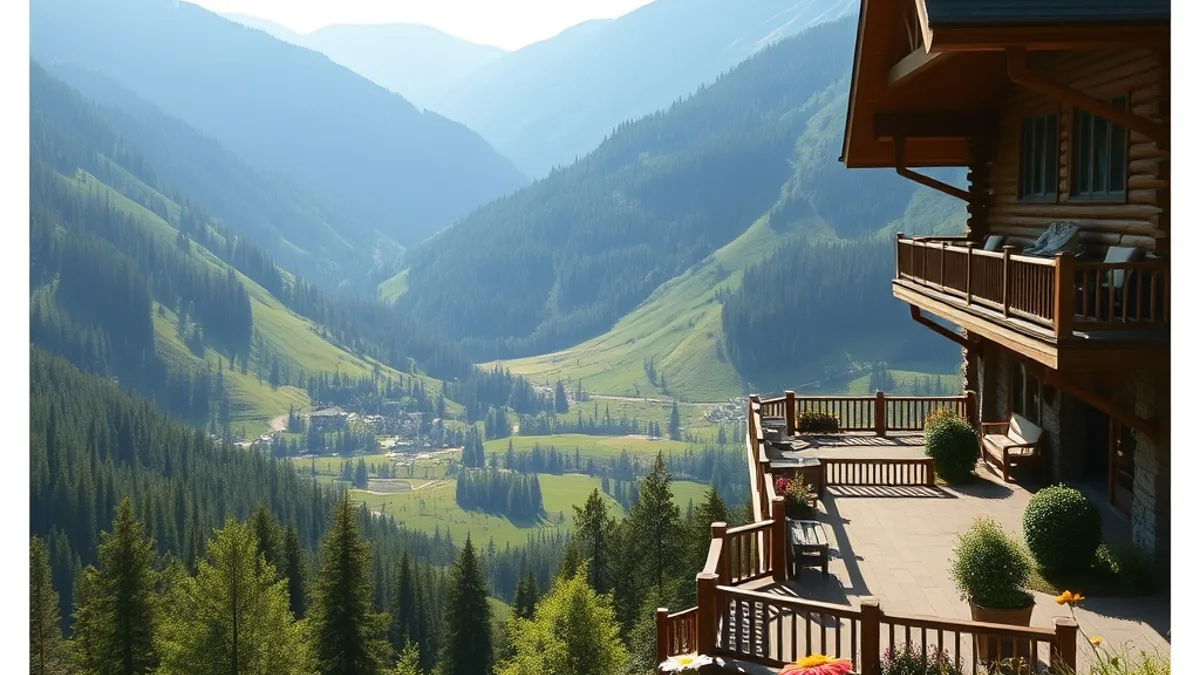
Summer Demand: Parks, Lakes and Long Days
When winter’s snow melts, a different wave of demand rolls in. Lodges inside or beside national parks see their peak occupancy from June through August, when families take advantage of school holidays and long daylight hours. Park-adjacent properties often fill weeks or even months in advance for midsummer dates, and rates climb accordingly. The same room that sits half-empty in October can be fully booked at a much higher rate in July, purely because of when visitors want to travel.
Why lake and mountain lodges charge more in summer
Lake and mountain lodges build their summer premiums around what you can actually do there. Hiking trails at their best, boating and paddling on warm water, wildlife viewing during active summer months, and long evenings outdoors all draw crowds, and lodges price that appeal into their rates. A property on a lakefront or beside a famous trailhead isn’t just selling a bed; it’s selling immediate access to the season’s main activities, and that access is worth more in July than in November.
Within any lodge, not all rooms are priced the same in summer. Rooms with direct views of lakes, canyons or valleys are the first to sell out and carry the largest summer surcharges. Guests will pay a meaningful premium to open the curtains onto the water or the rim of a canyon, and lodges know it. If a view room is beyond your budget, the standard rooms in the same building often offer the same location and amenities for less, with the view available from the deck or dining room instead.
How Peak Rates Compare With Shoulder Seasons
The price gap between peak and shoulder season at the same lodge can be dramatic. A room that books at a premium in mid-January or July often costs 50-100% less during April-May or September-October. That means a four-night stay in October can cost about the same as two nights at the winter peak, with the same bed, the same fireplace and the same dining room.
The trade-off is weather and activity, but shoulder months are far from write-offs. At ski-area lodges, spring and fall often bring pleasant hiking and mountain biking, and early-season snowfall can occasionally allow lifts to open. At national park lodges, September and October mean thinner crowds on trails, easier parking and more availability at restaurants that are packed in July.
Watch for seasonal closures
Lower shoulder-season prices sometimes come with a catch: fewer lodges are actually open. Some mountain and park lodges close entirely for several weeks in spring or late fall for maintenance, staffing gaps or low demand. In remote areas, this can shrink your options to just a handful of properties, so the discount may come bundled with fewer choices for dining and services nearby.
Before booking a shoulder-season rate, check whether the lodge operates fully during your dates, including its restaurant and any amenities you care about. A deep discount is only a bargain if the experience you want is actually running.
How to Pay Less During Peak Months
Paying peak-season prices is not inevitable. A little planning changes the math more than most travelers realize, and none of it requires loyalty programs or insider contacts. The three levers that matter most are timing your booking, timing your dates and choosing your room carefully. Put together, they can easily trim a quarter or more off the total cost of a lodge stay during the busiest months.
Booking early is the most reliable move. For stays in the December-March ski window or the June-August park and lake season, most lodges reward travelers who reserve 3-6 months ahead with lower advance rates than the ones quoted closer to arrival. Early bookers also get first pick of room types, which matters because the cheapest categories tend to disappear first. Date flexibility matters just as much: the Christmas-New Year week and the mid-February school break are the priciest dates on any lodge calendar, and shifting your stay even a few days on either side can bring the nightly rate down meaningfully.
- Book the standard room, not the view room. Rooms facing the lake, canyon or valley carry the largest surcharges; a garden- or parking-lot-facing room at the same lodge can cost far less, and you will spend your days outside anyway.
- Look one valley or road over. Lodges a short drive from the main resort or park entrance typically charge less than ski-in properties, and the extra ten or fifteen minutes behind the wheel is often the price of a whole extra night elsewhere.
- Ask about midweek arrivals. Within peak months, weekend nights usually price highest; arriving Sunday or Monday can dodge the steepest nightly rates even during holiday periods.
What Peak-Season Rates Actually Include
A peak-season nightly rate can look steep on a booking page, but it rarely tells the whole story on its own. Two things shape what you actually pay: what the rate bundles in, and the rules attached to it. Understanding both helps you compare lodges fairly instead of just chasing the lowest headline number.
What is bundled into the rate
Higher winter and summer rates often include extras that would cost extra elsewhere: breakfast, a shuttle to the lifts or park shuttle stops, or discounts on activities like guided hikes and equipment rental. When you compare a peak-season lodge against a cheaper motel nearby, add up what you would separately pay for breakfast, parking and transfers. Sometimes the expensive room is closer to a fair deal than it first appears — and sometimes it is not.
The rules that raise the total
Many lodges set a required length of stay during their busiest stretches, especially over Christmas-New Year and mid-February school breaks. A nightly rate that looks acceptable becomes a much larger charge once you must commit to several consecutive nights, so always calculate the full stay before comparing properties. Check each property’s booking terms directly, since these requirements vary widely from lodge to lodge.
Cancellation policies are also typically stricter in peak season: free cancellation windows are often shorter, and some peak bookings require partial or full prepayment. Before you pay a premium rate, read the cancellation and change terms carefully, because plans shift and a nonrefundable peak booking is an expensive thing to lose.
The Bottom Line on Seasonal Lodge Rates
That steep nightly rate you see for a July or January stay is not a mystery. Lodges have a fixed number of rooms, and when ski demand fills December through March or park and lake travelers fill June through August, higher rates are the only way that limited supply balances out. Seasonal costs like heating, snow clearing and extra staffing add to the winter premium, while rooms with the best views sell out first in summer.
The good news is that the same rooms come at their lowest rates in April-May and September-October, when peak rates often drop 50-100% compared to the busiest weeks. If you must travel in peak season, booking 3-6 months ahead and staying flexible on dates are the two most reliable ways to soften the premium. Have a peak-season lodge story or a saving tip of your own? Share it in the comments.