Scotland has no shortage of tempting lodge regions, and that’s exactly the problem. One traveler pictures a cabin under big Highland peaks, another dreams of waking to mist drifting over a loch, and a third wants the sound of the sea outside the door. With so much choice, it’s easy to spend more time second-guessing than actually booking.
This guide compares the main lodge regions in Scotland so you can match the place to your trip. We’ll look at what the Highlands, Loch Lomond, Loch Ness and the west coast each do best, how far they are from cities and airports, when to go, and what lodges realistically cost. You’ll also find practical booking advice on timing, self-catering versus serviced stays, and the details worth checking in reviews. By the end, you should know which region fits your style — whether that’s hiking, touring or simply doing very little in a beautiful spot.
Why Lodge Regions in Scotland Suit Different Kinds of Trips
The first mistake many travelers make is picking a region for its scenery alone. Every part of Scotland is photogenic, but the right base depends on how you actually want to spend your days. A lodge that delights a couple on a quiet retreat can frustrate a hiker who wants Munros on the doorstep, and vice versa.
Match the region to your trip style
If you’re a walker or a driver who loves big mountain drama, the Central Highlands are hard to beat. Glens, ridges and long open roads are the whole point there — but be honest about distances, because villages and services are spread out and you’ll spend real time behind the wheel between stops.
If your trip is a short break, lochside regions make far more sense. Loch Lomond sits roughly an hour from Glasgow, and Loch Ness is about 30 minutes from Inverness, so both work well for weekends without long transfers or airport hassle. You trade some remoteness for convenience, and for many trips that’s a good deal.
The west coast and its sea lochs suit slow, scenic road trips. The roads are narrow and often single-track, and the weather changes quickly — travelers who accept that are rewarded with some of the most striking coastal scenery in the country. Decide first whether your trip is about hiking, touring or a quiet retreat, then choose the region that delivers it. Scenery alone won’t decide where you’ll be happiest.
The Central Highlands: Big Mountains and Long Drives
The Central Highlands deliver the Scotland most people picture: dramatic glens, Munros rising on every horizon and roads that string it all together. The trade-off is space. Villages are far apart, and stretches between them can run long, so plan your fuel and food stops rather than assuming services will appear along the way. A full tank and a stocked cool box save a lot of hassle.
Where to base yourself
Pick a lodge near Aviemore, Fort William or Pitlochry and you keep things practical. All three sit close to walking routes and the A9 corridor, so you’re rarely more than a short drive from a trailhead, a café or a gear shop. That matters more here than in the lochs regions, where distances are shorter and you can afford to be more spontaneous.
When to go
June and September give the best mix for high-level walking: long daylight, thinner crowds and trails that are usually stable underfoot. The weather is never guaranteed anywhere in Scotland, but these two months tend to offer the calmest conditions of the walking season.
Winter stays are a different proposition — atmospheric, quiet and often excellent value, but short on daylight. Around the December solstice you’ll have roughly 7 hours of light, so plan walks and drives for the middle of the day and save the wood-burning stove for the evening.
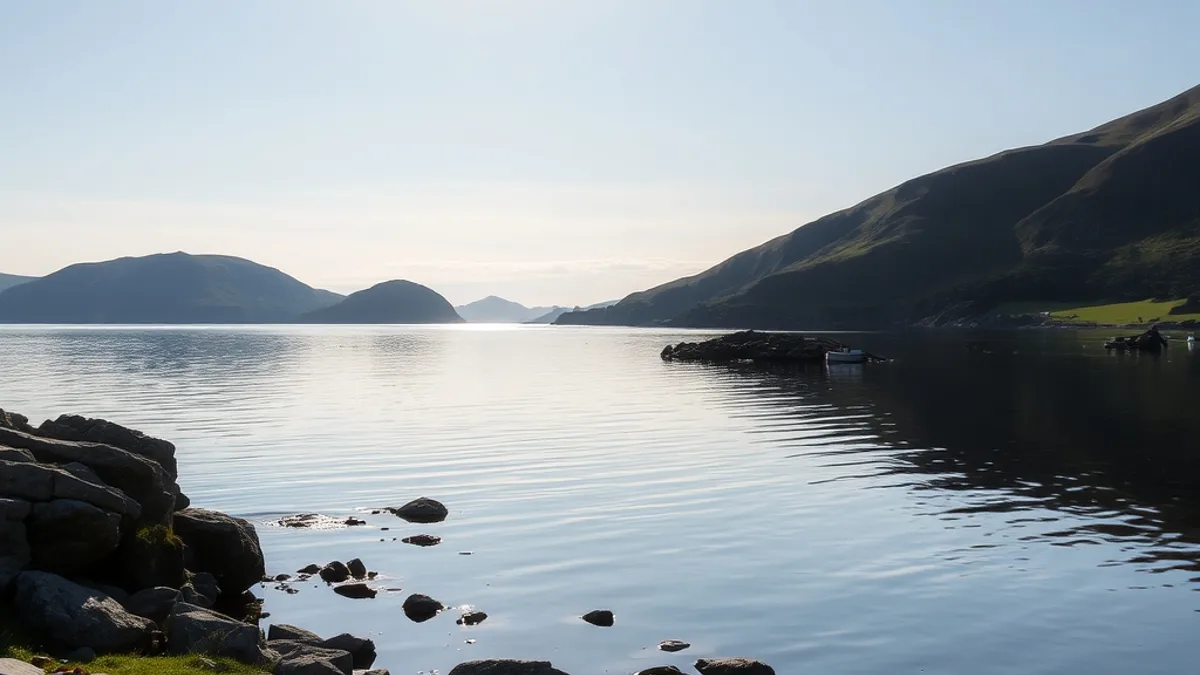
Loch Lomond: The Easiest Lodge Escape from Glasgow
If you want a lodge break without the logistics, Loch Lomond is the easiest option in the country. It’s roughly 1 hour from Glasgow, so a weekend here means no flights, no long transfers and no airport hassle — just a short drive and you’re on the water’s edge. That convenience is why it’s the first choice for so many Scottish weekenders, and why availability, not price, is usually the constraint.
Which shore to choose
The southern shores around Balloch and Luss offer gentler, family-friendly waterside walks, with villages, cafés and easy paths close by. Head to the northern loch and the character changes: it’s wilder, quieter and better suited to travelers who want scenery and solitude over amenities. Our stay in the village of Luss gives a good sense of what the southern shore feels like — you can read it in The Lodge on Loch Lomond review.
Booking and what you’ll pay
Lodges here book out fastest for summer weekends, so reserve 3–6 months ahead if you’re set on June to August. Prices reflect that demand: expect shoulder-season rates around £100–£180 per night, rising toward £150–£300 in peak summer. If your dates are flexible, a spring or autumn weekend gets you the same lochside setting at a noticeably friendlier price, and the water is often at its most atmospheric in the cooler months anyway.
Loch Ness and the Great Glen: Castles, Monster Country and Short Drives
Loch Ness is the easiest big-name loch to build a lodge trip around, sitting roughly 30 minutes from Inverness and its airport. That proximity changes the character of the whole stay: you can land, pick up a hire car and be unpacked at a lochside lodge before lunch, with no long transfer eating into your first day. The region also packs in more to do than most, combining lodges on the water with castle visits and walks along the Caledonian Canal, which cuts through the Great Glen from one coast to the other.
Choosing your base: tourist hub or calm retreat
Drumnadrochit, on the north-west shore, is the busiest village and puts you close to the main visitor attractions, restaurants and boat trips. It suits travelers who want things on hand and don’t mind sharing the loch with tour groups. The south side around Fort Augustus feels entirely different: calmer, greener and better for travelers who want the loch without the crowds. If you’re weighing up a stay in the main hub, this detailed review of a lodge in Drumnadrochit gives a good feel for what the north shore actually delivers day to day.
Loch Ness also works as a springboard rather than a destination you stay put in. Driving from Inverness toward the west coast, for example as far as Kyle of Lochalsh, takes roughly 1.5–2 hours, so a two-region trip — a few nights by the loch, a few on the coast — is easy to arrange without long, tiring transfers.
One booking tip: loch-side rooms with a genuine view command a premium, and the north shore’s fame inflates prices further. Compare south-side options before paying north-shore rates — the water looks the same from either bank, and the quieter side often gives you more lodge for your money.
The West Coast and Sea Lochs: Slow Roads, Big Rewards
Scotland’s western seaboard is where lodge trips slow right down. This is a region of fjord-like inlets, scattered villages and roads that were never designed for speed. The scenery is arguably the best in the country, but it rewards travelers who accept that getting between places takes time and that the weather will do what it likes.
The single biggest planning mistake is trusting your map app. Many roads out here are single-track with passing places, so allow double the map-estimated driving time between lodges. A route that looks like 45 minutes can easily take an hour and a half when you’re letting oncoming cars through, pausing for a photo or waiting for sheep to move. Build that into every day, and the driving becomes part of the pleasure rather than a frustration.
Midges shape any trip here, too. They’re active from roughly May to September and are at their worst in still, humid July weather, especially near sheltered water at dawn and dusk. A headnet costs little and takes no luggage space, and choosing a lodge on a breezy lochside or coastal spot makes a noticeable difference to your evenings outdoors.
May, June and September are the sweet spots: brighter, drier days, fewer tour buses on the narrow roads, and wildlife such as seals and sea eagles more active. If you’re flexible on dates, aim for those months rather than high summer.
- Bases near Kyle of Lochalsh put you within day-trip range of Skye over the bridge, so you can see the island’s landscapes without paying Skye prices or fighting for Skye accommodation.
- An Oban base opens up ferry day trips to Mull and on to Iona, letting you return to the same lodge each evening instead of packing up and moving on.
- Passing-place etiquette matters on single-track roads: pull into the left-hand passing place when a car approaches, and give a thank-you wave — locals will repay the courtesy.
- Fill the fuel tank whenever you see a station, because gaps between petrol stops on the coast can stretch far beyond what city drivers are used to.
How to Choose and Book Your Scottish Lodge
Choosing a Scottish lodge goes wrong most often when people pick a region first and a lodge second. It works better the other way around: decide what your stay absolutely must include, then find the regions and properties that can actually deliver it. A loch view means little if the lodge has no heating worth speaking of, and a bargain rate means little if you arrive to find there’s nowhere to eat for 20 miles.
- Write down your non-negotiables. A loch view, a wood-burning stove, dog-friendly rooms or a walkable pub — rank them before you search. Then filter regions by which can deliver: Loch Lomond and Loch Ness make loch views and village pubs easy, while the west coast delivers stoves and seclusion but fewer restaurants.
- Book to match the season. Popular summer stays, especially lochside lodges with views, get booked up far earlier than you’d expect — reserve well ahead. Autumn and winter trips are much more forgiving, and shoulder-season rates often drop to £100–£180 per night.
- Check whether the lodge is self-catering or serviced. Remote west coast lodges in particular often assume you bring your own supplies, and the nearest shop may be a long drive away — often along single-track roads that take far longer than the map suggests. If you’re planning to cook, plan your grocery run before you set off.
- Read recent reviews for the basics. Heating, hot water and mobile signal vary far more in rural Scottish lodges than in city hotels. Look for comments from the last year, in the season you’ll be traveling, rather than glowing reviews from several summers ago.
One final habit worth building: message the owner or manager directly with any question that matters to you, whether that’s the reliability of the heating in January or where the nearest decent meal is. Rural lodge hosts are generally happy to answer, and their replies tell you as much about the property as any listing page. A quick exchange also flushes out practical details that never make it onto booking sites — whether the stove is the main heat source, whether the wifi reaches the bedrooms, and how the access road holds up after heavy rain. Ten minutes of emails before you book is worth more than an hour of scrolling photos afterward.
Wrapping Up the Scottish Lodge Regions
So which Scottish lodge region should you pick? If you want big mountain drama and don’t mind long drives, the Highlands are hard to beat. Loch Lomond offers the easiest escape from the city, Loch Ness pairs convenience with castles, and the west coast rewards slow travelers who embrace its single-track roads and changeable skies.
Timing matters as much as location. May, June and September tend to balance decent weather, fewer midges and thinner crowds. And whichever region wins, booking 3–6 months ahead for a summer stay gives you the best chance at a lochside lodge with a view. If this guide helped you decide, leave a comment or share it with a fellow traveler.