Photos of a crackling wood burner sell the stay. But many guests arrive at their lodge, unpack, and discover the fire they booked around is decorative, rationed to a few evening hours, or sits in a shared lounge two floors below their room. Lodge stays with wood burners deserve a little extra scrutiny before you pay, because the difference between a promised fire and a real one changes the whole trip.
This guide walks through the checks that matter: why these stays need extra research, how to confirm the burner is actually in your room, what to ask about firewood and running costs, and how to verify backup heating for winter comfort. We will also cover location and access questions, how to match a lodge to your travel style, and a final checklist before you hit book. Most of it comes down to one habit: asking specific questions in writing before you commit.
Why Lodge Stays With Wood Burners Need Extra Research
A glowing fire in a booking photo is one of the most persuasive images in travel marketing. The problem is that the hearth in the picture often belongs to the lobby, the restaurant, or a shared lounge, not the room type you are reserving. Lodges know these photos convert browsers into bookers, so the fire may be real but not where you assume it is.
There is a second trap: some properties treat their burners as seasonal decor. The fire gets lit for photo shoots, for staff areas, or only on request if someone happens to be available. In the shoulder weeks outside peak season, you may find the burner cold all week even though it appears prominently on the website.
Why the details change the value of your stay
At typical rates of roughly $150 to $600 per night, an in-room wood burner is not a small perk. It can be the reason you chose one lodge over a cheaper alternative down the road. If you are paying a premium specifically for evenings by the fire, you deserve to know the fire exists, works, and will be lit in your room. A few pointed questions before booking protect both your budget and your winter evenings, and the next section shows exactly how to ask.
Confirm the Wood Burner Is Actually in Your Room
Nothing deflates a winter lodge stay faster than arriving to find that “the lodge has a wood burner” meant the lobby, not your room. It is the single most common disappointment travelers report, and it is almost entirely avoidable with one short email or phone call before you book. Lodges sell atmosphere, and photos can be misleading, so treat the fire as a booking question rather than an assumption. Here is how to do it properly.
- Identify your exact room type. Reference the specific room name or category from the website when you contact the lodge, so there is no ambiguity about which space you are asking about. Two rooms in the same lodge can differ wildly, and older timber buildings often have just a handful of rooms with burners.
- Ask directly where the burner is. Confirm in plain terms that the wood burner is inside your specific room, not the lobby or a shared lounge. Vague answers like “most of our rooms have fires” deserve a follow-up question until you get a clear yes or no.
- Find out who lights it. Ask whether the fire is self-service or lit by staff, and at what times of day. A staff-lit fire that only burns during the evening is a very different experience from one you stoke yourself all night while snow falls outside.
- Get it in writing. Request that the confirmation be added to your booking notes, and ask for a reply email stating the burner is in your room type. A screenshot of that email is worth more than any listing photo.
Written confirmation is your recourse on arrival. If you check in and find no burner in your room, a polite reference to the booking notes usually resolves things quickly, whether through a room change, a genuine fix, or a goodwill adjustment. Lodges take written promises far more seriously than remembered phone calls, so spend five minutes getting it before you pay, not after.
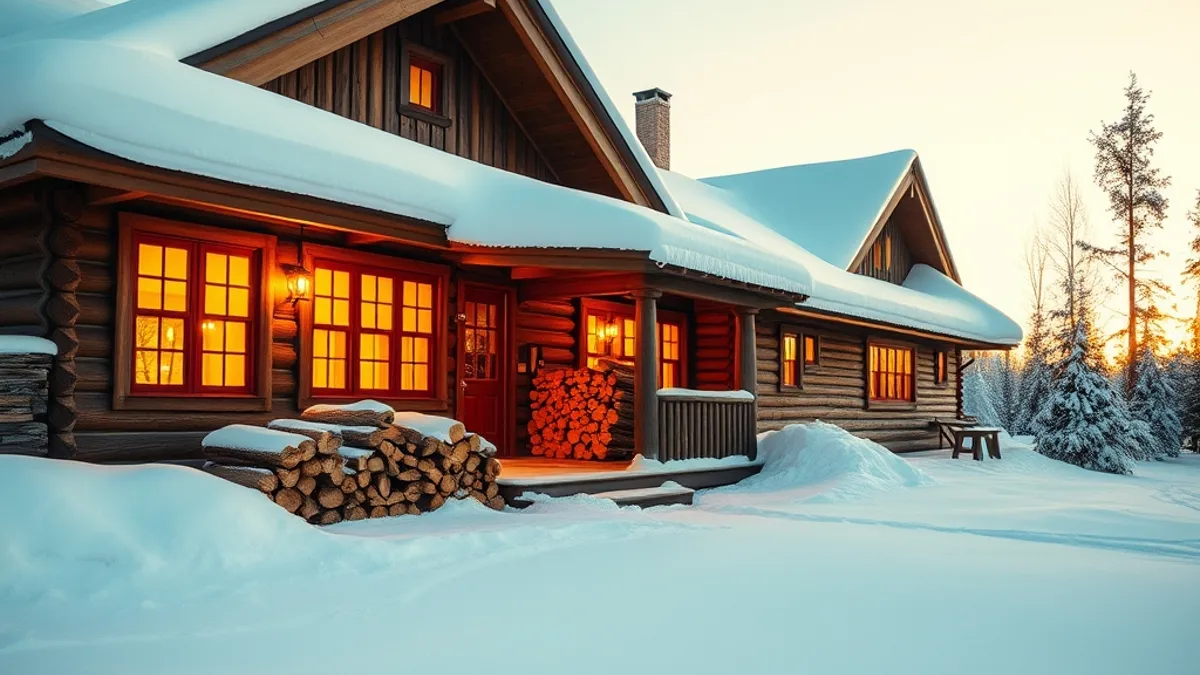
Firewood, Kindling and Running Costs
Even a confirmed in-room burner is only as good as the fuel supply behind it. Firewood policies vary wildly between lodges, and the costs add up over a week of winter evenings. A lodge that includes logs in the rate and one that charges per bundle can end up costing very different amounts for what looks like the same stay. Before booking, ask exactly how wood and kindling are handled, who restocks the pile, and what happens when you run out on a snowy night with the fire dying down.
- Included in the rate. Some lodges supply a daily log allocation at no charge, restocked by housekeeping. Ask whether you need to request refills or whether they are automatic, and whether the allocation is generous enough for a full evening of burning.
- Sold on site. Many properties charge roughly $5 to $15 per bundle. Over several nights, this can add a meaningful amount to your bill, so factor it into your budget if you plan to burn every evening of your stay.
- Bring-your-own. Some lodges expect guests to arrive supplied. Check whether local stores actually sell firewood nearby, because in remote areas the nearest shop may be a long drive away, and roads can be difficult in winter conditions.
- Lighting supplies and storage. Ask about matches, firelighters, and a dry log store. In a remote lodge, arriving to damp kindling and no matches can end your fire plans before they start, so it pays to confirm the basics in advance.
- Burn limits. A few lodges cap how many logs you may use per night, often for safety or supply reasons. Knowing the limit in advance avoids an awkward conversation on night two and helps you pace your supply.
Get the answers in writing along with your burner confirmation, so there is no confusion on arrival. A lodge that answers these questions clearly and cheerfully is usually one that takes its fires seriously, and that attitude tends to show up in every other part of the stay too.
Heating Backup and Winter Comfort
A crackling wood burner creates wonderful atmosphere, but it rarely does the heavy lifting when it comes to heating an entire lodge room. Most in-room burners are designed as a focal point rather than a primary heat source, and a single stove often only warms the immediate area around it. Before booking, confirm the room has a secondary heat source such as radiators or underfloor heating, especially if you are paying premium winter rates.
Hot water is another practical point that gets overlooked. In older timber buildings, water heating can be inconsistent when several guests shower at once, so ask whether hot water is on demand or from a tank that may run out. Insulation matters too: charming log cabins with original windows and timber walls can lose heat quickly overnight, which means a warm fire at dinner does not guarantee a comfortable morning.
Timing also affects what you actually get. In most northern-hemisphere lodge regions, the wood burner season runs roughly October to April, but some properties only light fires during peak winter weeks or on request. If a cozy fire is central to your trip, check that the burner will be in use during your exact travel dates.
- Ask about thermostat control: some lodges keep backup heating on a central timer or restrict guest adjustments, so a warm room at check-in can cool down overnight with no way to turn the heat back up.
- Question the insulation in renovations: timber lodges that have been extended or refurbished may have uneven warmth between older and newer wings, so request a room in the better-insulated part of the building if winter comfort matters to you.
- Confirm overnight fire policies: some properties extinguish burners before guests sleep for safety reasons, which means the room relies entirely on backup heating through the coldest hours.
- Check bathroom warmth specifically: tiled bathrooms with underfloor heating stay comfortable, but older bathrooms without it can feel noticeably colder than the rest of the room in winter.
Location, Access and Booking Timing
Access is the detail travelers most often overlook when booking a lodge with a wood burner. Many of the coziest properties sit high in the mountains or on quiet lakeshores, and that setting comes with practical challenges in winter. Mountain and lakeside lodges may require snow chains or shuttle access between December and March, so ask the lodge directly before you set off in your own car. Some properties operate a parking area at the bottom of the road and run guests up by four-wheel drive; others expect you to arrive fully equipped. A quick email saves you a stressful arrival in the dark.
How far ahead should you book?
For peak December-February dates at popular lodge destinations, book 3-6 months ahead. Rooms with genuine in-room burners are limited in number, and they are usually the first to sell out once snow is forecast. If you are flexible, midweek stays and shoulder weeks in October or April are typically easier to secure, though you should confirm the fire will actually be lit during those dates.
Finally, weigh remoteness against convenience. A remote burner lodge delivers silence and star-filled skies, but you may face a long drive to the nearest restaurant or store, especially if roads are snowy. Town-based lodges cost you some atmosphere but put dining, supplies and backup plans within walking distance. If you book remote, ask what the lodge restaurant offers and whether you can stock up on food nearby before check-in.
Matching the Lodge to Your Trip Style
Matching the lodge to your trip style makes a big difference in how much you’ll actually use that fire. Couples usually want a private in-room burner they can enjoy without leaving the room, so a romantic evening by the flames is the whole point of the stay. Families have different priorities: larger rooms or connecting suites, and reliable backup heating such as radiators or underfloor heating, since kids may be asleep in a room the fire isn’t warming. If a lodge only lights fires in shared lounges, couples lose the atmosphere they booked for, while families may find a communal hearth actually works fine.
Active travelers: think about drying space
Hikers and skiers should look closely at how the room handles wet gear. A wood burner throws off good heat, but soggy boots, gloves and jackets need somewhere to dry overnight. Ask whether there’s a rack, boot room or heated area near the fire, and whether wet clothing is even welcome in the room. Some lodges have dedicated drying rooms, which is far better than draping socks over a hearth. This matters most during the October to April burner season, when snow and rain are constant companions.
Before booking, read recent guest reviews with the fire specifically in mind. Search reviews for words like “fireplace,” “warm,” “cold” and “winter” to see whether the burner was lit daily, whether rooms stayed comfortable, and how staff handled winter service issues. A lodge can look perfect in photos, but reviews from guests who stayed in January will tell you if the fire is genuinely part of the experience. Our review of a lodge in Lenzerheide, Switzerland, is a good example of how an in-room burner shapes the whole stay: Maiensässhotel Guarda Val review.
Before You Hit Book
A glowing fire in a booking photo does a lot of persuasive work, but many guests arrive to find the hearth is decorative, rationed or simply not in their room. A few minutes of homework prevents that disappointment: verify the burner location, the firewood policy and the backup heating in writing before you pay. If a lodge cannot confirm the fire is in your room and lit on a schedule that suits you, treat that as a red flag.
Timing and budget matter just as much. Lock in winter dates 3-6 months ahead for the best choice of rooms, and plan for snow access if the lodge sits high in the mountains. Finally, balance the $150-600 nightly rate against how much you will genuinely use the fire — a burner you light every evening is worth paying for, while one you ignore is not. If this guide helped you plan a cozy winter stay, leave a comment or share it with a fellow traveler.