Mauritius looks small on the map, but choosing the wrong coast can completely change the holiday you actually get. This island is ringed by beaches, yet the Mauritius resort areas feel surprisingly different from one another. One coast might be calm and swimmable while another is breezy and ideal for sailing, all during the same week of your stay.
This guide breaks down the island’s three main resort regions so you can match them to your travel style. We’ll look at why the coasts feel so distinct, then dig into Grand Baie’s nightlife and lagoon days, Le Morne’s windsurfing scene and mountain views, and the east coast’s long, quiet beaches. You’ll also find advice on picking your area by season and budget, matching it to how you like to travel, and deciding which corner of the island deserves your booking.
Why Mauritius Resort Areas Feel Like Different Holidays
Mauritius is a compact island, but its coasts don’t share the same weather. Wind patterns differ from one side of the island to the other, which means the same week of your holiday can be breezy and choppy on one coast while another stays calm and glassy. This single fact explains why travelers can have such wildly different impressions of the same island.
The trade winds that sweep across Mauritius shape more than just the water. They influence how the sea looks from your breakfast table, whether you can snorkel straight off the beach, and how comfortable an afternoon swim feels. Before you fall in love with a resort’s photos, it pays to know which coast it sits on and what that coast does in your travel month.
Two very different styles of stay
The main Mauritius resort areas split neatly into two styles. Grand Baie, in the north, suits travelers who want restaurants, shops and nightlife within walking distance. You step out of your hotel and into a town with energy, options and evening buzz.
Le Morne and the east coast suit the opposite kind of traveler: people who want a resort-focused stay with nature doing the entertaining. Here, the hotel is the destination, and the surrounding beaches, mountains and lagoons provide the change of scene. Neither style is better; they’re simply different holidays on the same island.
Grand Baie: Nightlife, Shopping and Lagoon Days in the North
Grand Baie sits on Mauritius’ northwest coast, and that location works in its favor in two ways. The water here is typically calmer than on the windier coasts, which makes for easier swimming and gentler conditions in the lagoon. And because you’re on the western side of the island, you get sunsets over the sea rather than sunrises, a detail that matters more than you’d think when you’re choosing where to watch your evening drink.
The town itself is the main draw. Unlike the resort-heavy peninsulas elsewhere on the island, Grand Baie lets you walk out of your hotel and straight into restaurants, boutiques and bars. If the idea of spending every evening at the same hotel restaurant makes you twitchy, this is your coast. The airport transfer is manageable too, with the journey from Sir Seewoosagur Ramgoolam International Airport typically taking around 45 minutes to 1 hour.
What Grand Baie does especially well
Beyond the town’s convenience, the north coast works as a launchpad for days out on the water and beyond:
- Catamaran trips to the northern islets. Boats depart regularly for islands like Flat Island and Gabriel Island, where you can snorkel, swim and eat grilled fish on the sand. Most trips can be booked through local operators or your hotel a day or two ahead.
- Easy day trips to Port Louis. The capital is close enough for a half-day outing to the central market and waterfront, letting you add city sights to a beach holiday without an overnight stay.
- An easy base for first-time visitors. With everything walkable and transfers short, Grand Baie removes most of the logistics stress from a first Mauritius trip.
Grand Baie fits first-time visitors best, along with couples who want options after dark and any traveler who dislikes feeling isolated in a resort. If your ideal evening involves choosing between three different restaurants instead of one buffet, book here.
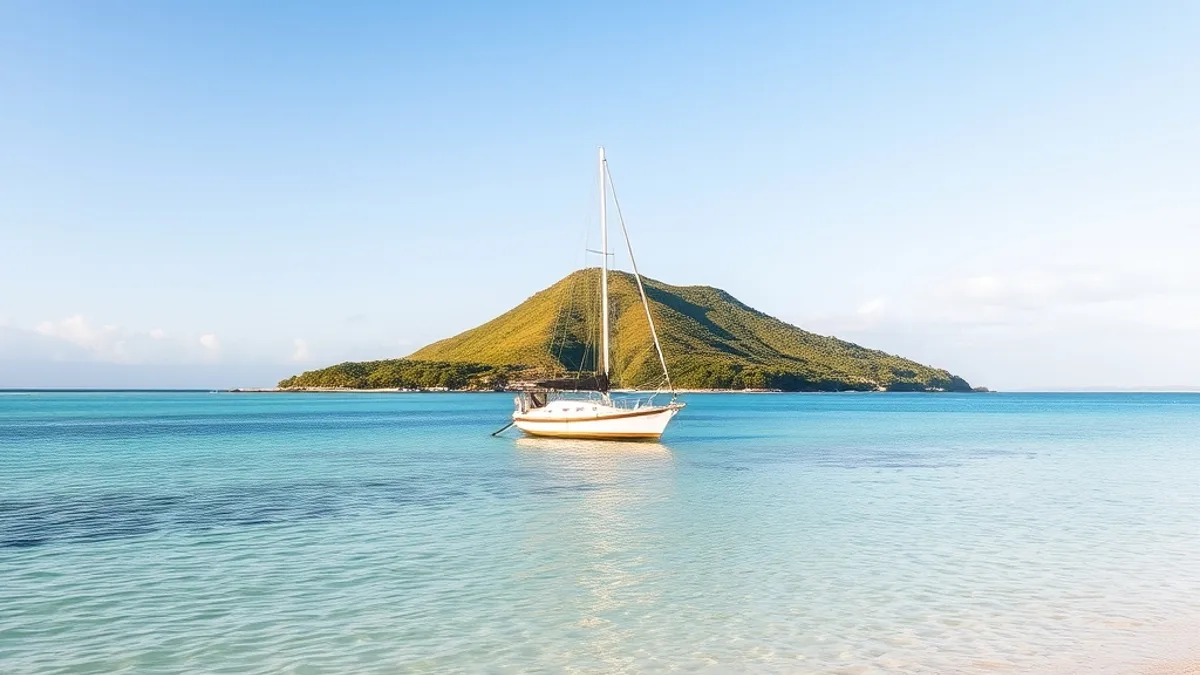
Le Morne: Windsurfing, Kitesurfing and Dramatic Mountain Views
Le Morne occupies the southwest peninsula of Mauritius, a dramatic finger of land at the foot of Le Morne Brabant, the basalt mountain that gives the area its name. The mountain and its surroundings are UNESCO-listed, recognized for both their natural striking presence and their history, and the views alone justify the journey. Expect the transfer from the airport to take roughly 1 to 1.5 hours, so plan your arrival with a snack and some patience.
This is one of the most photogenic corners of the island: the mountain rises almost straight out of a turquoise lagoon, and the beaches beneath it are wide and uncrowded compared with the north. If your ideal holiday photo involves scenery rather than sun loungers, this is where you’ll get it.
Wind, waves and world-class water sports
Le Morne’s reputation rests on the wind. From June to September, southeast trade winds blow steadily across the peninsula, making it a world-class destination for kitesurfing and windsurfing. Enthusiasts plan entire trips around these months, and the lagoon fills with colorful sails and boards.
For swimmers, though, the same wind changes the picture. Expect windier afternoons, especially during the peak wind months, and save your longer swims for mornings when the water is often calmer. If your travel party mixes kite addicts with beach readers, mornings and afternoons will naturally split into different activities.
One practical note: resorts here are spread out along the peninsula, with no real town center to walk to. Plan on dining mostly at your hotel rather than strolling to restaurants, and choose a property whose food and evening atmosphere you genuinely like. Some hotels run shuttle services to nearby attractions, so ask before you book if you want to explore beyond your resort grounds.
The East Coast: Belle Mare’s Long Beaches and Quieter Resorts
The east coast of Mauritius moves at a slower pace than the island’s busier resort towns. Belle Mare and the surrounding stretches of shoreline are known for long, wide white-sand beaches that seem to run on for kilometers, backed by filaos trees and resort gardens rather than shops and traffic. The atmosphere is noticeably calmer and more secluded, which is exactly what draws many repeat visitors back year after year.
Getting There and What to Expect
The transfer from the airport takes you through villages and sugarcane fields, so treat the drive as a gentle introduction to the island rather than a delay. Once you arrive, there is little reason to leave. Resorts dominate this stretch of coast, and most travelers settle into a rhythm of breakfast on the terrace, a long morning on the sand and an afternoon at the spa. Unlike the north, you should not count on walking to independent restaurants or shops in the evening.
When the Water Is at Its Best
Because this coast faces the prevailing wind, conditions shift noticeably with the seasons. Swimming is generally best during the calmer stretches of the year, when the lagoon turns glassy and inviting; outside those windows, the sea can feel livelier. Check conditions for your specific travel dates before booking, and lean on your resort’s pools if the water turns choppy during your stay.
This area suits honeymooners and anyone whose ideal day involves sunrise over the ocean, barefoot beach walks and unhurried spa treatments. If you want nightlife or town amenities within walking distance, the east coast will feel remote. If you want quiet, few places on the island do it better.
Choosing Your Mauritius Resort Area by Season and Budget
Mauritius is a year-round destination, but the timing of your trip changes both the experience and the price. The island sits in the tropics, so warm weather is never really in doubt, yet wind, rainfall and crowds shift noticeably from one part of the year to the next. A little planning around the seasons goes a long way toward getting the coast and the rates you want, and it can easily mean the difference between a breezy, budget-friendly week and a pricier trip that feels crowded from the moment you land.
- Check the cyclone season before locking in dates. Cyclone risk is highest from January to March, so if your trip falls in that window, book flexible rates and follow weather updates closely rather than booking blind. Direct hits are not an annual certainty, but tropical storms can disrupt travel plans.
- Consider the warm months of November to April. This is the warmest stretch overall and the classic high season, with hot days ideal for swimming and beach time. Expect resorts to be fullest and rates at their highest, particularly around the end-of-year holidays.
- Look at the shoulder months for better value. May, June, September and October typically bring lower rates and fewer crowds, while still offering plenty of good beach weather on the right coast. These months are a smart pick if you want space on the sand without paying peak prices.
- Set a realistic nightly budget. Mid-range resorts typically run $150-300 per night, while luxury properties usually start around $400 and can exceed $900 per night in high season. Decide early which category you are shopping in, because it narrows your options fast.
- Book early for peak dates. For high season stays, booking 4-6 months ahead generally secures the best rates and the widest room choice, especially at smaller properties. Last-minute deals do exist, but counting on one is a gamble during popular weeks.
Once your dates and budget are settled, matching them to the right coast becomes much easier. The area you choose should reflect both the season you are traveling in and how much you want to spend per night. A windy month paired with a sheltered lagoon can feel better than peak season on an exposed shore, so let your dates guide your search rather than the other way around.
Matching the Mauritius Resort Areas to Your Travel Style
The best Mauritius resort area depends less on star ratings and more on how you like to spend your days. Two travelers visiting the same month can have completely different holidays depending on which coast they pick, so start with your priorities rather than the brochures. A resort can look flawless online and still feel wrong if it sits an hour and a half from anywhere you actually want to go, or if the water conditions don’t match the activities you booked the trip around.
- Divers and water-sports lovers: weigh Le Morne’s reliable winds against the calmer northern lagoons around Grand Baie. Le Morne is the choice for wind-powered sports, while the north suits swimming, snorkeling and gentler conditions.
- Couples seeking seclusion: the east coast and Le Morne offer the quietest settings, and reading reviews of secluded resorts elsewhere can help you identify what level of remoteness you are actually comfortable with before committing.
- Families with children: check whether your chosen area has calm swimming lagoons during your specific travel month, since a beach that is gentle in one season can be windier in another.
If you are still torn, think about evenings as well as days. Grand Baie offers restaurants and strolls after dark, while the resort-focused coasts revolve around hotel dining and early nights. Being honest about that preference usually settles the question quickly.
It also helps to picture a typical day at each location before you book. If your ideal morning is a walk to a café followed by an afternoon in the water, the north will feel effortless. If you would rather never leave the property except for a scheduled excursion, a spread-out resort on a quieter coast will suit you far better. Match the area to your habits, not the other way around, and the decision becomes much easier.
Finding Your Place on the Island
Mauritius may look small enough to cover in a day, but the coast you pick shapes the holiday you actually get. Grand Baie delivers liveliness with restaurants, shops and nightlife close at hand, Le Morne delivers wind sports beneath a dramatic mountain, and the east coast delivers long, quiet beaches. The season, the wind direction and the drive from the airport often matter more to your experience than a resort’s star rating ever will.
The simplest way to choose is to decide what kind of days you want first, whether that is evenings out, time on a kiteboard or barefoot beach walks, and let that answer point you to the right coast. Once you know that, the rest of the planning tends to fall into place. If this helped you narrow things down, leave a comment or share the article with a fellow traveler.