Both islands promise a dreamy Indian Ocean resort stay, but choosing between them is confusing when every brochure looks identical. Turquoise water, white sand and a beachfront villa appear in every photo, so the Mauritius vs Seychelles debate rarely gets settled by the glossy images alone. The real differences lie in how the islands are laid out, when the weather behaves and what your budget actually buys at the front desk.
This guide breaks the decision into the questions that matter: which island matches your trip style, whether you want granite boulders or reef lagoons, and how the weather windows differ between them. We also compare resort styles and prices, the best snorkeling and diving, and the practical side of getting there and booking timing. By the end, the short answer should make your choice obvious.
Mauritius vs Seychelles: Which Island Matches Your Trip
Start with the shape of your trip. Mauritius is a single island about 61 km long, which means you can check in once and still see a lot of it. Most resorts sit within a 1–2 hour drive of the airport, so arrival day is painless, and day trips to markets, viewpoints and coastal towns are all manageable from one base. If you like the idea of unpacking a single suitcase and letting the resort do the work, this is your island.
Seychelles works differently. The resorts are spread across Mahé, Praslin and La Digue, with Praslin about 45 km from Mahé, so a typical stay involves at least one inter-island flight or ferry. That extra effort buys a wilder, less developed feel, where small villages, nature reserves and quiet roads replace the resort-strip energy you find elsewhere.
Match the island to your travel style
Couples who want overwater-style luxury, several restaurants to choose between and some nightlife after dark tend to lean toward Mauritius, where large full-service resorts deliver that all-in-one experience. Honeymooners chasing seclusion often prefer Seychelles, where boutique properties and private villas trade entertainment schedules for privacy and slow mornings.
A simple way to decide: if your dream trip is one beautiful base with easy excursions and polished service, choose Mauritius. If it is moving between islands, renting a bike on quiet roads and feeling a long way from anywhere, choose Seychelles. Whichever you pick, remember that peak-season room categories go first, so booking 6–9 months ahead gives you the best choice of rooms and rates.
Beaches and Scenery: Granite Boulders or Reef Lagoons
Seychelles beaches look like nothing else in the Indian Ocean. On La Digue, Anse Source d’Argent pairs sculpted granite boulders with shallow, swimmable water, and similar formations appear across Praslin and Mahé. The rocks frame the sand like natural sculptures, and because much of the shoreline is sheltered, you can often wade far out before the water deepens.
Mauritius takes a different approach. The island is ringed by a coral reef, so most resorts sit on calm lagoons backed by long stretches of white sand. The water inside the reef is typically glassy and shallow, which makes it easy for swimmers, paddleboarders and families with kids. Instead of dramatic boulders, the scenery comes from green mountain peaks rising behind the resort grounds.
Wild beauty or polished comfort
Seychelles feels more dramatic and untamed. Beaches are often backed by jungle, some require a short walk to reach, and the granite setting gives every cove a wild, cinematic quality. It is the kind of scenery that makes you stop and take photos before you even put your towel down.
Mauritius, by contrast, offers more manicured resort environments. Gardens are carefully planted, beaches are raked daily, and the lagoon setting means your hotel view is consistently postcard-smooth. If you want a wilder, more raw coastline, Seychelles has the edge; if you want a groomed beach steps from your room, Mauritius delivers.
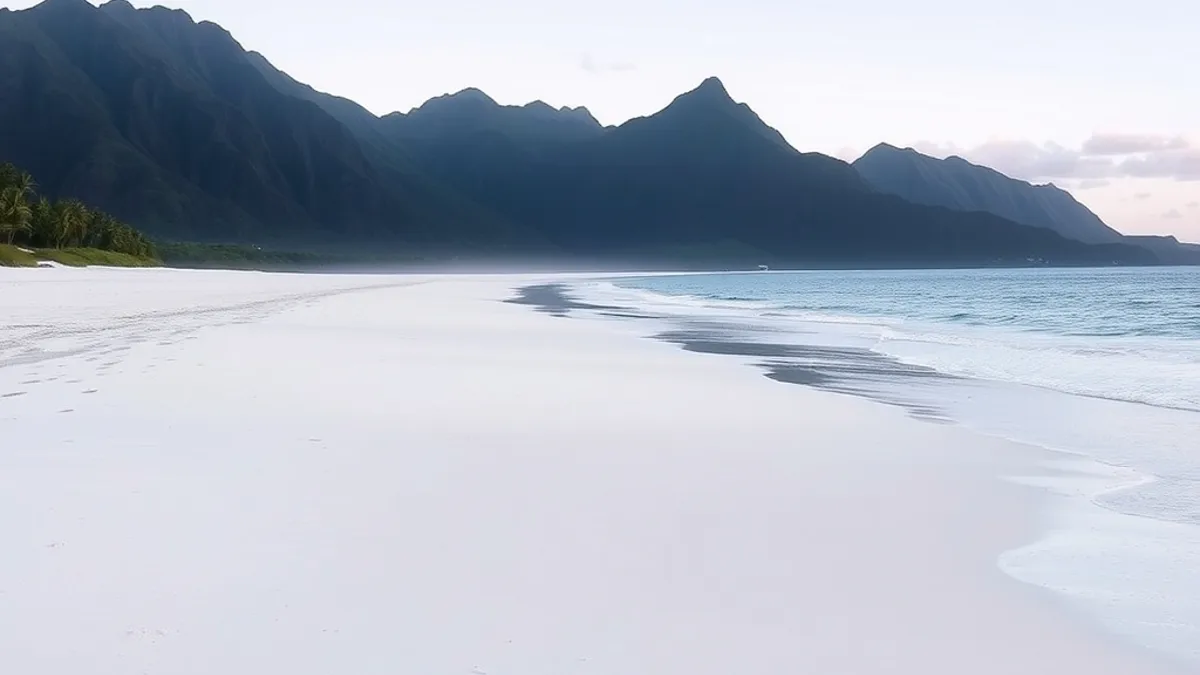
When to Go: Weather Windows on Each Island
Timing matters on both islands, but the logic differs. Seychelles sits close to the equator, so its year is less about summer and winter and more about which way the wind blows. The sweet spots are the transition months of April–May and October–November, when the trade winds switch direction and the seas go glassy calm — ideal for swimming, snorkeling and boat trips.
From December to March, northwest winds bring warmer, more humid and wetter conditions to Seychelles. May through September turns cooler, windier and greener, with rougher seas on some coasts. Mauritius, further south, has a more classic pattern: its cooler dry season runs May to December, while the warmest months, December to April, also carry the highest cyclone risk, peaking January to March.
- Shoulder months mean easier water logistics. In Seychelles’ calm April–May and October–November windows, ferries and inter-island transfers between Mahé, Praslin and La Digue typically run smoother, which matters if you’re prone to seasickness.
- Wind direction changes which beaches work. During Seychelles’ rougher southeast trade wind season of May–September, some south-facing beaches pick up seaweed and chop, while sheltered coves stay lovely — ask your resort which coast suits the season.
- Cyclone season is usually a watch-and-wait affair. A January–March Mauritius trip doesn’t guarantee a storm, but travel insurance and flexible booking policies make more sense then than in the dry season.
- Shoulder season can stretch your budget. Traveling just outside peak windows often means better availability at mid-range resorts (roughly $250–500 per night) and even top-end properties, though rates vary by property — check current pricing directly.
Resort Styles and What Your Budget Buys
Both islands can do luxury brilliantly, but your money buys a different experience on each. Mid-range resorts on Mauritius and Seychelles run roughly $250–500 per night, while top-end properties start around $600 and can climb past $1,500 per night for the best beachfront suites and villas. The difference is what that spend looks like on the ground.
Mauritius leans toward large, full-service resorts: think several restaurants, big spas, kids’ clubs and enough activities that you never really need to leave the property. Seychelles favors smaller boutique hotels, guesthouses and private villas, where service is personal and the pace is slower. Neither style is better, but they suit different travelers, so be honest about which one you are.
Choosing your Seychelles base
On Seychelles, the biggest decision is which island to sleep on. Mahé offers the most convenience and choice, Praslin puts you near some of the best beaches, and La Digue delivers slow days built around bicycles and short walks. Decide this before you book, because it shapes your entire stay.
If your dream trip involves unhurried mornings, long breakfasts and quiet pool afternoons, smaller Seychelles properties tend to set that tone naturally. Our guide to resorts made for lazy mornings covers this style of stay in more detail. Just remember that peak-season rooms go fast, so booking 6–9 months ahead still matters even for small properties.
Snorkeling, Diving and Days on the Water
Both islands deliver excellent time on the water, but in different styles. Seychelles offers snorkeling straight off granite-fringed beaches — the sculpted boulders that frame the shoreline create shallow, sheltered water where fish gather within a few meters of the sand. Dive sites around Praslin and La Digue add deeper encounters, from reef walls to seasonal visitors.
Beginner-friendly Mauritius
Mauritius lagoons are ideal for beginners. The ring of coral reef keeps the water calm and shallow, so first-time snorkelers can wade in with confidence. Beyond the lagoons, you’ll find reef dives for certified divers, catamaran day trips along the coast, and the famous underwater waterfall optical illusion off Le Morne — a trick of sand and current that looks astonishing from above.
Seychelles also wins on non-beach highlights. Giant tortoises lumber across several islands, the Vallée de Mai on Praslin protects a primeval palm forest, and excursions to Curieuse island combine marine park snorkeling with more tortoise encounters. If your trip needs variety beyond the sand, Seychelles gives you more of it.
One practical note for divers: if diving is the priority, compare how each island’s dive season aligns with your travel dates. Sea conditions shift with the winds on both islands, and the best sites and visibility don’t line up identically. Travelers planning a dive-focused trip can start with our pick of resorts for travelers who love diving.
Getting There, Getting Around and Booking Timing
Logistics differ sharply between the two islands, and they shape how much time you spend actually relaxing rather than in transit. Getting to Seychelles’ best beaches usually means an extra hop by plane or ferry; Mauritius is a single island with one road network, which makes arrival day refreshingly simple. Before you commit to a resort, it pays to map out the whole journey from your front door to the hotel lobby, because a poorly timed connection can cost you a full day of your trip.
- Check flight times from your home airport. Both islands sit roughly 10–12 hours from Europe. Seychelles connections often route through the Gulf hubs, so compare total journey time, not just the long-haul leg. A routing with a short layover can feel far longer than the flight time suggests, especially with kids in tow.
- Plan your transfers before you book the resort. On Mauritius, most resorts sit within a 1–2 hour drive of the airport, so a taxi or hotel transfer covers it easily. On Seychelles, reaching Praslin — about 45 km from Mahé — means an inter-island flight or ferry, and La Digue adds another leg by short ferry ride.
- Build transfer time into your itinerary. If you’re island-hopping in Seychelles, don’t book a flight out of Mahé on the same afternoon your ferry returns. Boats can run late and weather can interrupt schedules, so a buffer night near the airport saves stressful connections and missed departures.
- Book peak-season stays 6–9 months ahead. This secures the best room categories and rates before the top suites and garden villas are taken, especially at smaller Seychelles properties where inventory is limited to a handful of villas.
Whichever island you choose, the effort pays off. A well-timed booking and a realistic transfer plan mean you land with nothing left to organize but dinner reservations and tomorrow’s swim — which is exactly how a resort stay should begin.
The Short Answer
Both islands promise a dreamy Indian Ocean resort stay, but the right choice comes down to the kind of trip you want. Choose Mauritius if you prefer one easy base, big-resort comfort and travel in the cooler dry season from May to December. Choose Seychelles if granite-boulder beaches, island-hopping between Mahé, Praslin and La Digue, and the calm April–May and October–November windows appeal to you more.
Whichever island you pick, the same rule applies: booking 6–9 months ahead is what secures the room category and rate you actually want, especially for peak-season dates. If this helped you decide, leave a comment or share the article with a fellow traveler.