Both islands promise villa luxury, but they suit very different travelers, so which one matches your budget, season and travel style? That is the question behind any honest comparison of Mauritius vs Seychelles villas. One island works as a compact touring hub with a deep villa market and friendlier entry prices; the other trades convenience for granite boulders, jungle hillsides and a slower, more remote rhythm.
This guide walks through the core difference between the two, the best months to go and what villa rates actually look like on each island. We also compare getting around one island versus a 115-island archipelago, look at who each destination suits best, and share practical tips for booking the right villa. By the end, you should know which island fits your trip, whether that is a family base with water sports and golf or a honeymoon hideaway reached by boat and small plane.
Mauritius vs Seychelles Villas: The Core Difference
On the surface, these two Indian Ocean destinations look similar: white sand, turquoise lagoons and villas with private pools. The difference shows up as soon as you start planning. Mauritius has a larger, more developed villa market, with far more self-catering options and lower entry prices. You can find everything from simple three-bedroom homes to staffed luxury estates, and the sheer volume of stock means more choice at every budget.
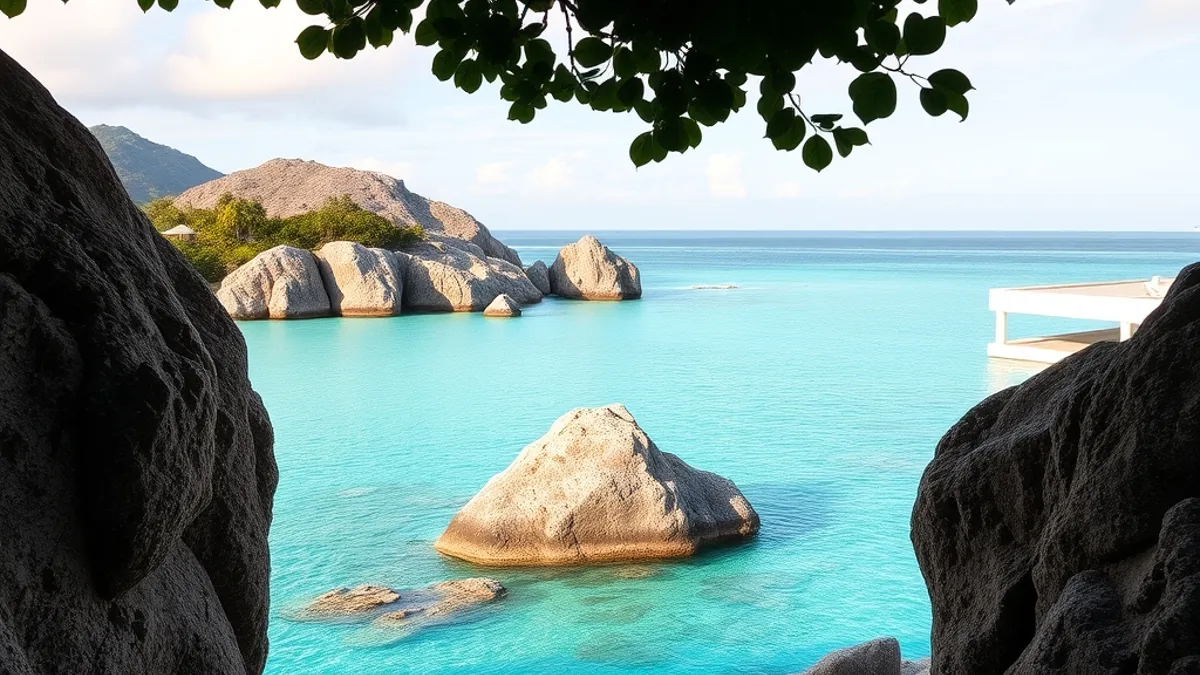
Seychelles villas skew boutique and remote. Many sit on or near dramatic granite-and-jungle settings, perched on hillsides or tucked behind beaches on Mahé, Praslin and La Digue. The trade-off is convenience: fewer properties, smaller operations and locations that often take real effort to reach. What you get in return is scenery that feels almost otherworldly.
A touring hub versus an island-hopping escape
This shapes the rhythm of your whole trip. In Mauritius, one villa becomes a comfortable base for a touring holiday: day trips to markets, viewpoints and beaches, then back to the same pool each evening. In Seychelles, the trip naturally becomes an escape built around island-hopping, with slower days and transfers between islands as part of the experience. Both deliver beautiful Indian Ocean beaches, so the deciding factor is usually which rhythm you want, not which island looks better in photos.
When to Go: Seasons and Prices Compared
Timing matters more than most travelers expect when booking a villa on either island. The sweet spot runs from May to November, when both destinations enjoy cooler, drier weather and villa rates drop outside the peak holiday weeks. Seas can be a touch choppier on some coasts, but for pool-side villa living and lower prices, these months are hard to beat.
The weather risks to know
Each island carries a different seasonal risk. Mauritius faces cyclone risk from January to March, which can bring heavy rain and disrupted travel plans during that window. Seychelles sits outside the cyclone belt entirely, but its wettest stretch falls in December-January, when downpours are frequent even though they rarely ruin a whole week.
Then there is pricing. Peak weeks in December-January and July-August push villa rates up sharply on both islands, and availability tightens just as quickly. If your dates are flexible, shifting a January trip to November, or an August trip to June, often means better weather value and a noticeably lower nightly rate. If you must travel in peak weeks, book early and expect to pay for the privilege.
What Villas Cost on Each Island
Villa pricing is where the two islands really separate. In Mauritius, villas commonly range from $150 to $600 per night, with luxury estates sitting above that band. That entry level makes a private pool and multiple bedrooms realistic for families and groups on a mid-range budget. Seychelles starts higher: villas begin near $250 per night, and beachfront positions frequently exceed $1,000. As a rule of thumb, budget roughly 30-50% more for a comparable Seychelles stay once transfers are added.
Why does the gap widen once you add transfers? A few reasons worth understanding before you compare nightly rates side by side:
- Remote locations add transport legs. Villas on smaller islands or far-flung coasts may require a ferry crossing, a domestic flight or a boat transfer, each booked separately from the room rate.
- Catering costs more where everything arrives by boat or plane. Self-catering is possible, but stocked kitchens and private chefs in Seychelles carry a premium over Mauritius supermarkets and local markets.
- Mauritius bundles are common. Many Mauritian villas include staff, a cook or car hire in the rate, which quietly reduces your total spend compared with paying for each service separately.
Check current rates and transfer costs directly with villa owners or operators before committing, since prices shift with season and demand. Ask for a full quote covering your entire stay, including any service charges, and confirm exactly what the nightly rate covers. A villa that looks affordable on paper can climb quickly once airport transfers, daily housekeeping and meal arrangements are added, so comparing total trip costs is the only fair way to weigh the two islands against each other.
Getting Around: One Island vs an Archipelago
The single biggest practical difference between these two destinations is scale. Mauritius is one compact island, roughly 61 km long, which means almost any villa you book sits within about 1.5 hours’ drive of the major sights. Want to see the Seven Colored Earths in the morning and snorkel off the north coast in the afternoon? That’s a realistic day trip, not a logistics project.
Getting around Mauritius
Rental cars are widely available at the airport and in the main resort towns, and driving is on the left, as in the UK. Roads are generally good, signage is manageable, and having your own car lets you shop at local markets, try roadside food stalls and change beaches on a whim. If you’d rather not drive, most villa owners can arrange a driver for day trips at a reasonable daily rate.
Getting around Seychelles
Seychelles is a different animal entirely. The country spreads across 115 islands, and your villa’s location shapes your whole itinerary. Moving from Mahé to Praslin means a 45-60 minute ferry crossing or a 20-minute domestic flight, and reaching smaller islands like La Digue adds another boat leg. Ferries can sell out in busy periods, so book crossings ahead of time.
On Mahé and Praslin you can rent a car, but many visitors lean on pre-booked transfers because distances are short and roads are winding. The trade-off for all this coordination is scenery you simply won’t find on Mauritius: granite boulders stacked on powder-white beaches and jungle hills dropping straight into turquoise water. If you love the journey as much as the destination, Seychelles delivers. If you want maximum sightseeing with minimum planning, Mauritius is the easier ride.
Who Each Island Suits Best
Both islands promise Indian Ocean beauty, but they attract very different travelers. The honest way to choose is to match the island’s strengths to your group, your budget and how much logistics you’re willing to handle. Neither is the “better” island in the abstract; the right answer depends entirely on who is traveling and what kind of days you want once you’re there.
Mauritius is the practical pick. It has a deep bench of family-sized villas, plenty of water sports operators, several well-known golf courses, and rental-car logistics that a first-time visitor can handle without stress. On a mid-range budget you’ll still get space, a pool and a short walk to a good beach. Restaurants, supermarkets and pharmacies are rarely far away, which matters more than you’d think when traveling with kids or staying for two weeks.
Seychelles is the romantic pick. The granite-and-jungle scenery is more dramatic, the beaches feel wilder, and boutique villas offer a level of privacy that’s harder to find on a busier island. That seclusion comes at a price, and transfers between islands add both cost and planning. If the budget stretches, it’s hard to beat for a honeymoon or an anniversary trip where the goal is simply to disappear together.
The profiles below should make the decision quicker for your own trip:
- Families with young children: Mauritius villas often come with fenced pools, staffed kitchens and shallow, calm lagoons nearby, which makes daily routines far simpler than a remote island hop.
- Active couples: Mauritius concentrates kitesurfing, diving, hiking and golf within a short drive, so you can pack several activities into one week without changing hotels.
- Honeymooners: Seychelles villas on quieter islands offer true seclusion, and many couples find the ferry-and-flight rhythm of the archipelago feels like an adventure rather than a hassle.
- Mixed groups: When friends or extended family share costs, Mauritius is usually the more forgiving choice, since a wide villa price range lets everyone contribute at a level they’re comfortable with.
How to Book the Right Villa
A great villa trip starts with a well-run booking process. Unlike booking a hotel room, reserving a private villa involves more moving parts: transfers, staff, deposits and often a direct conversation with an owner or manager. The steps below apply to both islands, with a few island-specific checks that can save you real money and stress. Work through them in order and you’ll avoid the most common mistakes travelers make.
- Lock in your dates first. If you’re targeting the December-January or July-August high season, reserve your villa 4-6 months ahead. The best-positioned properties on both islands fill early, and last-minute options shrink fast, especially for larger groups needing multiple bedrooms.
- Shortlist by location, not just photos. In Seychelles especially, a stunning villa on a remote island is only as good as its connections. Before booking, confirm exactly how you’ll reach it, since some properties require a boat transfer or a domestic flight plus a car to complete the journey.
- Clarify what’s included in Mauritius. Villa packages there vary widely: some include daily housekeeping, a private cook and car hire, while others offer the bare house only. Ask for a written breakdown so you can compare true costs between options.
- Confirm payment and cancellation terms. High-season deposits and cancellation windows can be stricter than hotel bookings, so read them before you pay anything.
One final tip: message the owner or manager directly before paying. A quick conversation about transfers, staff and arrival times usually reveals how smoothly the whole stay will run. If replies are slow or vague before you’ve booked, they rarely improve once your money has changed hands. It’s the best five minutes you’ll spend in the entire booking process.
The Wrap-Up: Picking Your Island
So which island is yours? If you want the most villa for your money, easy self-drive logistics and plenty of family-friendly options, Mauritius is the clear pick. Everything sits within about 1.5 hours of your villa, and mid-range budgets stretch much further there.
If instead you dream of granite boulders, jungle-backed beaches and real seclusion, and your budget can absorb the higher villa rates and transfer costs, Seychelles delivers a romance that is hard to match. Whichever way you lean, aim for May to November for cooler, drier weather and better rates. Have you stayed on either island? Share your pick or your own tips in the comments, and pass this article along to anyone planning the same debate.