Fjord country in Norway is enormous, and the seasons are more extreme than most travelers expect. One lodge might sit beside a thundering waterfall with ferries chugging past all day, while another 200 kilometers north closes for winter. Picking the wrong area or the wrong month can leave you on a closed mountain road, under midnight sun that never lets you sleep, or at a viewpoint with nobody around and no facilities open.
This guide to Norwegian fjord lodge stays breaks the decision into manageable steps. We compare the four best areas, from Geiranger’s classic drama to Lofoten’s arctic light, then weigh summer, shoulder and winter seasons against each other. You will also find practical advice on spotting a genuinely good lodge, booking timelines and budgets, and how to actually get there and get around. By the end, you should be able to match an area, a month and a lodge to the trip you actually want.
Why Norwegian Fjord Lodge Stays Reward Careful Planning
Fjord lodges come in every shape and era. Some are historic waterside hotels that have hosted travelers since the steamship days, with creaky wooden staircases and dining rooms facing the water. Others are modern timber cabins with floor-to-ceiling windows and hot tubs on the deck. Between those extremes you will find family-run guesthouses, farm stays and small boutique lodges, each with a very different feel and price point.
Availability swings wildly by season. In July, the most scenic lodges can be fully booked months ahead, while the same rooms sit empty in November. That rhythm shapes everything else in this guide, from budgeting to which activities are even possible.
Why the month matters as much as the lodge
Choosing the wrong month can undo an otherwise perfect booking. Some mountain roads and passes close in winter, cutting off lodges that are easy to reach in summer. At the height of summer, the midnight sun keeps it light late into the night, which delights some travelers and frustrates others trying to sleep. And in the deepest shoulder months, some viewpoints, ferries and tourist facilities run reduced schedules or shut entirely, leaving near-empty platforms and quiet villages.
One more thing surprises almost every first-timer: the distances. Fjords that look close on a map are separated by mountains, tunnels and ferry crossings. Driving between two well-known fjord areas can easily take most of a day. That is why area choice matters more than lodge choice. A wonderful lodge in the wrong region will cost you hours of driving; a modest lodge in the right region puts you on the trailhead or the dock within minutes.
Best Areas for a Fjord Lodge Stay
Norway has far more fjord regions than any single trip can cover, so it helps to narrow the field to four proven lodge areas. Each has a distinct character, and each suits a different kind of traveler. The trick is matching the area to your priority before you fall in love with a specific lodge.
Geiranger and the surrounding Sunnmøre region deliver the postcard version of Norway: sheer cliffs, dramatic waterfalls and classic viewpoints overlooking one of the most photographed fjords in the world. If this is your first fjord trip and you want the iconic scenery, this is the natural starting point.
Sognefjord is Norway’s longest fjord, cutting deep into the mountains, and the towns along it, especially Flåm, work well as family-friendly base towns. Rail and ferry links are good here, which means you can build a lodge stay around train rides and boat trips rather than long drives.
Hardangerfjord sits about two hours from Bergen and offers a gentler experience: orchards, fruit blossom in spring, milder weather and far fewer tour buses. It is a quieter alternative for travelers who want fjord scenery without the crowds.
Lofoten plays a different game entirely. Dramatic peaks rise straight out of the water, and the light, whether midnight sun in summer or northern lights in winter, is the main attraction. It is best for photography and winter aurora trips rather than classic fjord cruises.
- Geiranger: the fjord is on the UNESCO World Heritage list, and short boat cruises run right from the village, so you can see the waterfalls from the water without planning a full-day excursion.
- Flåm: the famous steep mountain railway starts here, letting families swap a winding drive for a scenic train ride up to the plateau and back.
- Hardangerfjord: the orchard villages sell cider and fruit products locally, adding a food-and-drink dimension you will not find in the high alpine fjords.
- Lofoten: lodges here often sit on the shoreline facing west, which matters enormously if photographing the light is your reason for coming.
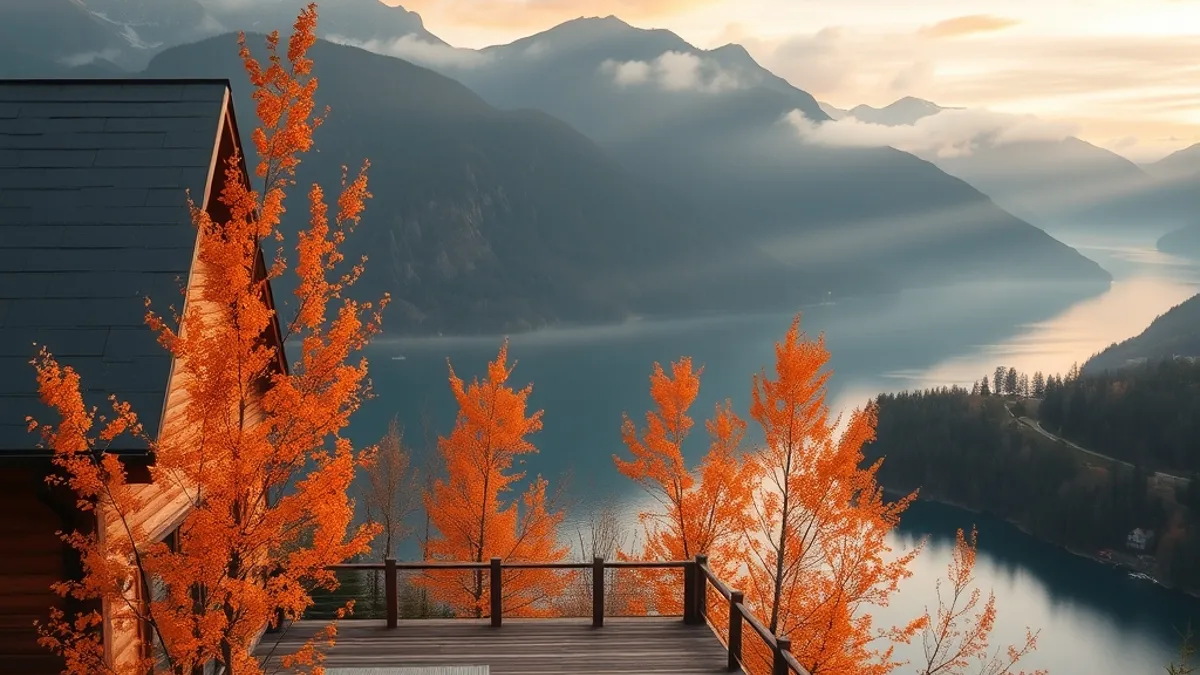
Choosing Your Season: Summer, Shoulder or Winter
Timing decides more about a fjord lodge trip than almost any other choice. The same lodge, in the same room, can feel like a completely different vacation in June, September or January. Norway’s seasons are extreme, so it pays to know what each window actually delivers before you commit.
High season runs from mid-June to late August. You get very long daylight, with light well into the evening, and all the ferries, cruises and mountain facilities running their full schedules. The trade-off is peak rates and the thickest crowds, especially at famous viewpoints and village docks.
The shoulder months of May and September are the sweet spot for many travelers. Prices drop by roughly 20-30%, crowds thin out noticeably, and the hiking weather is still reliable. In May you often catch fruit blossom and lingering snow on the peaks; in September you get autumn color and calmer water.
From October to March, the fjords go quiet and dark. This is the window for northern lights trips and cozy lodge stays by the fire, but you should expect short days and a much reduced schedule of fjord cruises.
- Summer: book the most scenic lodges far ahead, because the best fjord-facing rooms in popular villages often sell out well before the season starts.
- May and September: some lodges offer better rooms or longer stays at the lower shoulder rates, so it is worth asking what is available rather than just booking the cheapest option.
- Winter: check exactly which cruises, ferries and activities still operate, since schedules shrink dramatically and some lodges close or run reduced services.
- Any season: pack layers and rain gear regardless of the forecast, because fjord weather can shift from sunshine to showers within a single afternoon.
How to Spot a Genuinely Good Fjord Lodge
The single biggest mistake travelers make when booking a fjord lodge is settling for a room that does not face the water. You will spend more time at the lodge than you might expect, especially in the shoulder months when evenings are long and slow, and a room looking at a parking lot defeats the purpose of staying here in the first place. When comparing options, look carefully at room categories: many lodges offer a mix of fjord-facing rooms, inland rooms and annex buildings at noticeably different prices. The view is usually worth the upgrade.
Dinner is the second thing to check, and it matters more than most people realize. Many fjord villages are small, with just one or two places to eat, and some close their kitchens early or outside the peak summer weeks. A lodge with a good restaurant turns a remote evening into a highlight rather than a logistical problem. Beyond those two essentials, a few practical features separate a genuinely good lodge from a mediocre one:
- Direct water access: a private dock, kayak racks or a small boat you can borrow means you can get out on the fjord in minutes, without driving anywhere.
- Trailheads on the property: some lodges sit at the start of marked hiking paths, which saves you from navigating narrow, single-lane roads every morning.
- Breakfast and packed-lunch options: lodges that prepare a packed lunch make full-day hikes and ferry trips far easier to plan.
- Year-round operation: lodges that stay open through winter usually have proper heating, drying rooms for wet gear and staff who know the off-season well.
Finally, read recent reviews with these three things in mind: the view, the food and the activities. If travelers consistently mention all three, you have likely found a lodge worth its rate.
Booking Timeline and Budgeting Your Stay
Fjord lodges are small businesses with a limited number of rooms, and the best ones fill up long before the summer crowds arrive. Unlike large city hotels, a scenic waterside lodge in a small village might have only a handful of fjord-facing rooms, and loyal repeat guests often rebook the same categories year after year. Getting the lodge you want at a fair price is mostly a matter of timing, so it helps to work through the booking process in a clear order:
- Lock in your dates first. Decide whether you are traveling in high season, shoulder season or winter before you look at lodges, since availability and rates differ enormously between them. A mid-June trip and a late-September trip are two completely different booking exercises.
- Book 3-6 months ahead for summer stays. This is especially important in Geiranger and Flåm, where the most scenic lodges have a small inventory and their best rooms go first. If you wait until spring to book a July stay, expect limited choices.
- Compare room categories, not just lodges. A fjord-facing room at a mid-range lodge can be a better buy than a standard room at a pricier one, so check the rate difference before committing. Ask specifically which rooms look over the water.
- Consider May or September for better value. Shoulder-season stays often mean the best rooms at lower rates, simply because demand is thinner and lodges prefer filling their top categories first.
- Confirm dinner arrangements when booking. If the lodge has a restaurant, reserve dinner for your arrival night, particularly in smaller villages where evening alternatives are scarce or close early.
On budget, expect typical lodge rates of NOK 1,500-3,500 per night for a double room, with the higher end of that range applying in July and August. If your dates are flexible, shifting your trip into May or September can mean the same room for noticeably less money, plus quieter viewpoints and easier parking at popular stops. Always check current prices directly with the lodge, since rates change from year to year and some properties add seasonal minimum-stay requirements during peak weeks.
Getting There and Getting Around
Most international travelers arrive through Bergen, which works as the natural gateway to the western fjords. From there, plan on roughly 6-7 hours by car or ferry to reach Geiranger, so treat the journey as part of the trip rather than a transfer. Breaking the drive with an overnight stop along the way turns a long haul into two scenic days, and the roads themselves are a big part of what makes a fjord holiday memorable.
Reaching Lofoten
Lofoten is a different proposition entirely. The archipelago sits around 1,300 km north of Bergen, and getting there usually means a connecting flight to Leknes or Svolvær, typically via Oslo or Bodø. Check flight schedules carefully when planning, since connections can be limited and timings affect whether you arrive with a full day ahead of you or just enough time to check in.
Car or public transport?
For Hardangerfjord and Sognefjord, renting a car gives you the most flexibility. Public transport in these areas works and can be pleasant, with ferries and local buses connecting the main towns, but it limits your timing. You may find yourself waiting hours for the next departure or skipping a viewpoint because it does not fit the schedule. With a car, you can chase good weather, stop at orchard stands in Hardanger and take the small detours that make fjord driving so rewarding. Just remember that many fjord roads are narrow and winding, so allow more time than a map suggests.
Wrapping Up Your Fjord Lodge Plan
Fjord country is enormous and the seasons are extreme, which is exactly why picking your area and month matters more than picking a specific lodge. Match the area to your priority: Geiranger for drama, Sognefjord for access, Hardangerfjord for calm, and Lofoten for light. Then settle on your season. Summer from mid-June to late August brings peak rates and long daylight, while May and September offer thinner crowds and roughly 20-30% lower prices, and winter suits northern lights seekers.
Once your area and season are locked in, move early on summer dates, especially for the most popular fjord villages, since the best rooms go first. Typical double rooms run NOK 1,500-3,500 per night. Filter your options for lodges with fjord-facing views, on-site dining and activities built in, because villages can be quiet after dark and distances are long. Have you planned a fjord lodge stay, or are you weighing areas right now? Share your questions or tips in the comments.