Scotland lodge stays come in three very different flavors, and picking the wrong setting can undo an otherwise perfect trip. A mountain lodge in the Highlands, a lochside retreat near Loch Lomond, and a coastal hideaway along the North Coast 500 each promise something distinct — and each suits a different kind of traveler. Choose badly, and you could spend your holiday driving hours you didn’t plan for, or battling conditions you weren’t prepared for.
This guide compares the main regions side by side. We’ll look at mountain lodges in the Highlands and when to go, weigh Loch Lomond against Loch Ness for lochside stays, and explore coastal lodges along the roughly 516-mile North Coast 500 route. You’ll also find practical advice on how to choose your region, what booking windows and price ranges to expect, and what to look for in a Scottish lodge before you commit. By the end, you should be able to match a region to your travel style with confidence.
Highlands: Mountain Lodges and When to Go
The Highlands deliver the classic Scottish lodge experience: mountain views, log fires and dark skies. The trick is timing. The best window is May or September, when the weather is mild, the days are long and the midges that plague June to August are far less of a problem. You get the same scenery without swatting insects through your evening drink on the terrace.
Prices shift with the seasons too. Expect rates around £150-£300 per night in peak summer, while shoulder months typically come in at £120-£180 for a comparable room. If your heart is set on July or August near the popular glens, book 4-6 months ahead — the best lodges fill early and the leftovers rarely match the views.
Why choose the Highlands
Come for the hiking and the wildlife. The region suits walkers who want to step out of the lodge and straight onto a trail, and wildlife watchers who want red deer, golden eagles and, if you’re patient, more elusive residents. Autumn adds a spectacle of its own: the red deer rut runs from late September into October, when stags roar and clash across the glens. A lodge with a good view can turn into a front-row seat.
Lochside Lodge Stays: Loch Lomond and Loch Ness Compared
Lochside lodges trade mountain drama for water views and easy access, and the two big names suit different trips. Loch Lomond sits roughly 1 hour from Glasgow, which makes it the natural pick for a short break from the city — arrive by late afternoon, still with time for a walk along the shore before dinner. If you’re considering that area, our review of a lodge in the pretty village of Luss gives a good sense of what a lochside stay here feels like.
Loch Ness, on the other hand, works well as an Inverness base, sitting roughly 30 minutes from the city. That makes it a practical launchpad rather than just a destination: you can combine loch mornings with city afternoons and onward drives.
What each loch does best
Loch Lomond offers more watersports and village hopping — kayaking, boat trips and a string of small settlements to wander between. Loch Ness suits castle stops and scenic drives, with plenty of ruins and viewpoints strung along its shores.
One caveat applies to both: still water and summer evenings are prime midge conditions. Midges are worst from June to August near calm water, so if you’re visiting in peak summer, plan evening time indoors or pack repellent. In May or September, the problem largely disappears and the lochs are at their most peaceful.
Coastal Lodges and the North Coast 500
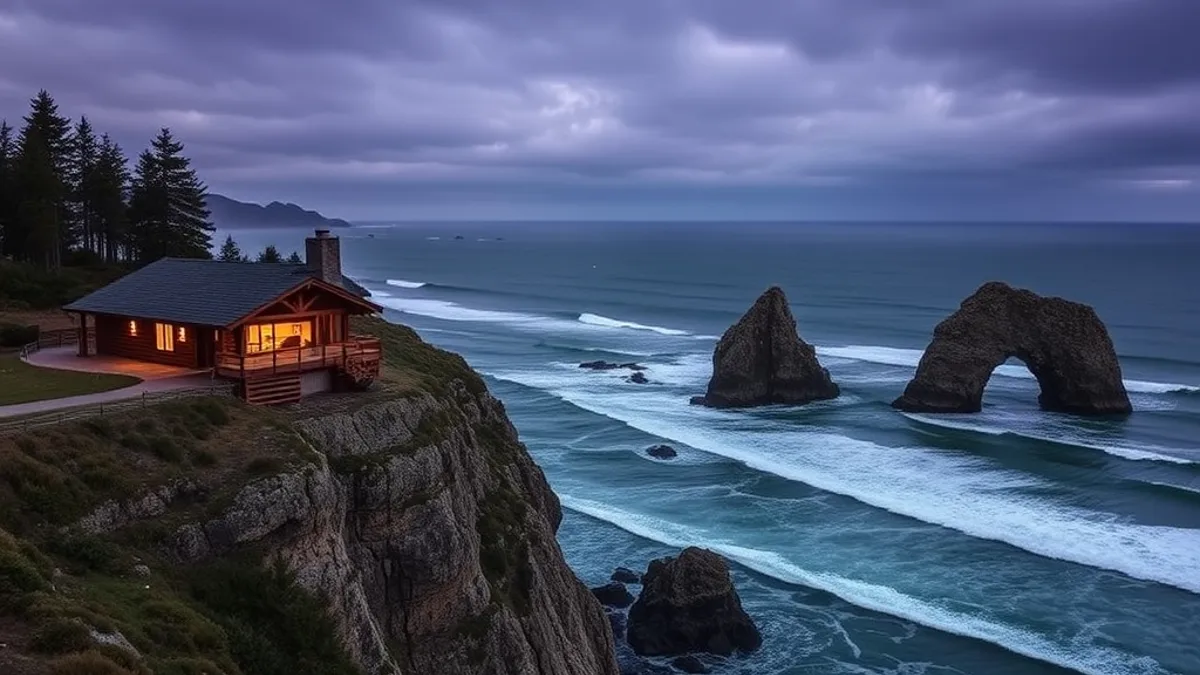
The North Coast 500 has become Scotland’s most famous driving route, covering around 516 miles of coastal road through the far north. That’s a lot of miles, and the smartest way to enjoy it is to plan lodge stops every 1-2 hours of driving rather than treating the whole route as one mad dash. Shorter legs leave time for beaches, cliffs and detours — which is the whole point of a coastal road trip.
There’s an unexpected bonus to coastal lodging: the weather. Coastal areas are windier than inland glens, but that wind often keeps them clearer of midges, which are worst from June to August in the west Highlands and around still water. If midges ruin your summers, the coast is a friendlier bet.
When to go, and where to sleep
Shoulder season — May and September — gives the best balance of empty roads and open lodges. In high summer you’ll share every viewpoint with a campervan queue; in deep winter some lodges close entirely. May and September thread the needle.
One more tip that changes the whole feel of the trip: base yourself in one coastal lodge for day trips rather than changing beds nightly. A single well-chosen lodge with good food and a fire to return to beats a week of packing and unpacking, and it lets you explore each stretch of coast at your own pace before coming home to the same view each evening.
How to Choose Your Region
Choosing a Scottish lodge region comes down to how you want to spend your days, and it pays to be honest with yourself about your travel style before you book. The Highlands reward travelers who want walking, wildlife and a genuine sense of remoteness, with long days spent on trails and evenings by a log fire rather than in a town center. The lochs trade some of that wildness for convenience, offering easy access from the cities and time on the water without long transfers. The coast, meanwhile, is built for road trips, sea air and long drives between dramatic viewpoints, where the scenery shifts with every bend in the road.
If midges are a dealbreaker, the coast is your friend, or you can simply travel in May or September when midge numbers are far lower than in the height of summer. Still water is where midges thrive, so lochside lodges on summer evenings can be the most challenging spots of all, especially in the west. Coastal breezes and drier shoulder-season air make a noticeable difference, so pack a repellent anyway but expect fewer problems by the sea.
Trip length matters too. A short break tacked onto a city visit points toward Loch Lomond, while a longer itinerary pairs Loch Ness with the North Coast 500 beautifully, letting you combine castle stops with coastal driving.
- Walking-focused travelers: the Highlands put you closest to trailheads and the deer rut in late September through October, when red deer stags clash on the hillsides.
- Water activity fans: lochs offer kayaking, boat trips and village hopping without long drives, with Loch Lomond roughly an hour from Glasgow.
- Road trippers: coastal lodges along the roughly 516-mile North Coast 500 suit travelers who want scenery changing daily and wind-swept beaches.
- Midge-sensitive guests: favor coastal routes or the May and September shoulder months, when populations drop sharply compared to June through August.
Booking Windows and Price Ranges
Timing your booking matters as much as picking the region. Summer stays at Highlands and Skye lodges fill early, and the most sought-after properties — those with loch views, log fires and on-site dining — are usually the first to go. If you have your heart set on a specific lodge for the peak season, treat it like booking a popular restaurant: the earlier you commit, the better your choice of room types and dates.
Lochside and coastal properties tend to fill later, giving you a little more flexibility if you plan closer to your trip. Even so, weekends and school holiday weeks move quickly everywhere, so it pays to secure those dates as soon as you know your travel window.
What you can expect to pay
Lodge rates swing significantly between peak summer and the quieter months — the same room can cost more than double in July compared to a shoulder-season stay. Many properties also adjust pricing for weekends, holidays and local events, so two dates in the same month can look very different. Check current prices directly with properties, as they change each year, and ask what is included before you compare.
Why shoulder season often wins
Shoulder-season stays frequently include perks that peak-season rates do not, such as dinner included or activity credits. You also get milder weather, quieter roads and long daylight without the summer crowds. If your dates are flexible, ask lodges which weeks they consider their quiet period — many will happily point you toward the best-value windows and may offer deals that never appear on booking sites.
What to Look for in a Scottish Lodge
Not all Scottish lodges deliver the same experience, so it pays to check the details before booking. Remote lodges may have no nearby restaurants at all, which makes on-site dining far more important than it sounds. A log fire and a loch or sea view can turn an ordinary evening into the reason you came, so treat them as essentials rather than nice extras when you compare options.
Room style varies more than most travelers expect. Some lodges offer standalone cabins scattered across the grounds, while others are hotel-style rooms within a single lodge building. The experience differs significantly, so confirm which setup you are booking, especially if you want privacy or self-contained space. Cabin layouts also change how you interact with staff, since you may see little of them outside mealtimes.
If you are staying west of the Great Glen in summer, ask whether rooms have midge screens or netted windows before you commit. For an example of what a well-sited lochside lodge looks like, our Loch Ness lodge review from Drumnadrochit shows how views, dining and room setup come together in practice.
- Ask about dining hours: some remote lodges serve dinner only to residents at set times, so a late arrival could mean no meal unless you check ahead.
- Confirm heating and hot water: lodge-style cabins can heat up more slowly than hotel rooms, which matters on cool Highland evenings.
- Check parking distance: at cabin-style lodges, your car may sit some distance from your room, worth knowing if you carry heavy bags.
- Ask about boat or activity access: lochside lodges sometimes have private jetties or partner operators, which saves arranging trips independently.
Picking Your Perfect Scottish Lodge Region
Scotland’s lodges come in three very different flavors, and matching the region to your trip style matters more than any single property choice. The Highlands suit hikers and anyone chasing remoteness and wildlife, the lochs deliver easy-access water breaks — Loch Lomond is roughly an hour from Glasgow, Loch Ness about 30 minutes from Inverness — and the coasts reward road-trippers with sea air and long drives along routes like the North Coast 500.
Timing ties it all together. May and September offer the best mix of lower rates, milder weather and quieter roads, while summer stays near popular glens and on Skye should be booked 4-6 months ahead. On price, plan for the lower end of the spectrum in those quieter months and budget well over £300 at the summer peak, depending on season and setting. If this guide helped you plan your trip, leave a comment or share it with a fellow traveler.