You want the infinity pool, the sea-view balcony and the breakfast spread without paying peak-season prices for them. The problem is knowing which weeks actually count as the sweet spot. Shoulder season resort stays are the answer, but the term confuses plenty of travelers, and the savings vary enormously depending on where you go and when you book.
This guide breaks it down region by region. You’ll learn what shoulder season actually means for resort stays, which months work best in the Mediterranean, the Caribbean and the Alps, and how much you can realistically expect to save off-peak. We’ll also cover the right booking window, the trade-offs you should accept with open eyes, and how to match a destination to your travel style, whether you’re a couple chasing quiet, a diver chasing visibility or a hiker chasing empty trails.
What Shoulder Season Actually Means for Resort Stays
Shoulder season is the window that sits between a destination’s high season and its low season. In most of the Northern Hemisphere, that typically means April–May and September–October: school holidays are over or haven’t started, the deepest winter or summer extremes have passed, and resorts are still running at full tilt. It’s the stretch of the calendar where conditions remain close to prime but demand has clearly dropped.
For your wallet, the effect is immediate. Rates at resorts usually run 20–40% below peak-season prices for the same room, the same view and often the same breakfast buffet. You’re not downgrading to a lesser property to save money; you’re simply choosing weeks when fewer people compete for the same inventory.
Why facilities matter as much as price
There’s a second advantage that’s easy to overlook. In true low season, some resorts scale back: pools may drain, spas may close for maintenance, and a restaurant or two might shut its doors entirely. In shoulder season, resorts generally keep their full facilities open because occupancy is still healthy enough to justify it. You get the complete resort experience, from the spa menu to the beach bar, at a fraction of the peak price. That combination of near-full service and reduced rates is exactly what makes shoulder season resort stays such good value compared with both peak and off-season travel.
Best Months for Shoulder Season Resort Stays by Region
Shoulder season doesn’t land on the same calendar dates everywhere. A region’s high season is shaped by its climate, its school holidays and its local events, so the quiet, affordable weeks shift accordingly. The three most popular resort regions each have their own window, and picking the right one matters more than any generic rule of thumb. Treat the dates below as a starting point, then check your specific resort and weeks before committing.
The Mediterranean is at its best in May–June and September–October, when sea temperatures of 20–24°C are still comfortable for swimming and the summer crowds have thinned. The Caribbean offers two windows, from late April to early June and September to mid-November, where you trade a higher chance of rain for some of the lowest rates of the year. Alpine resorts flip the script entirely: their quietest, cheapest weeks come in September and early October, after the summer hiking season winds down and before the winter ski crowds arrive.
- Mediterranean: In September especially, the sea has had all summer to warm up, so swimming often feels better than in June even though the air is slightly cooler.
- Caribbean: The September to mid-November window overlaps with hurricane season, so flexible cancellation policies and travel insurance matter more here than in any other region.
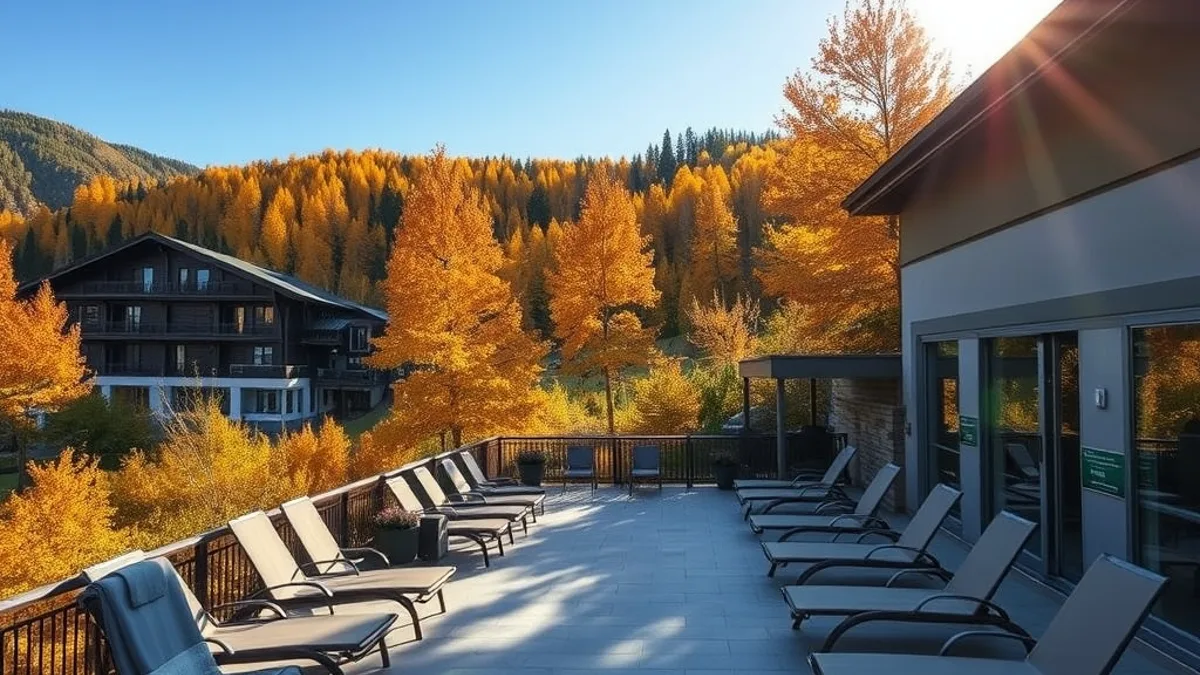
- Alpine resorts: Early October often brings the first dusting of snow on the highest peaks, giving hikers dramatic scenery without winter prices.
Whichever region you choose, check the specific weeks rather than the whole month. Prices, weather and even which facilities stay open can shift noticeably from the start of a shoulder window to its end, so a week at the beginning of October can feel like a very different trip than one at the end.
How Much You Can Save Off-Peak
The headline number is simple: expect nightly rates well below what the same rooms cost during July–August peak weeks or holiday highs. On a week-long stay at a mid-range resort, that gap can add up to the cost of several extra nights elsewhere, or simply leave a meaningful amount in your account. And because you’re booking the same property rather than a cheaper alternative, the saving comes with no compromise on location, views or service.
The savings aren’t limited to the room rate, either. Lower occupancy changes how a resort feels and operates, often in ways that add value beyond the bill.
What thinner crowds get you
Crowds can shrink by 30–50% compared with July–August peak weeks. In practice, that means you don’t need to claim a pool lounger at dawn, spa appointment slots are actually available when you want them, and you can walk into the resort’s main restaurant at dinnertime without a reservation made days in advance. The pace of the whole stay slows down.
Low occupancy also works in your favor at the front desk. Upgrades and suite promotions are more common when resorts have empty rooms to fill, so it’s reasonable to ask politely at check-in or watch for suite deals when booking. Nothing is promised, but your odds are clearly better in shoulder season than during a fully booked holiday week, when even the rooms you paid for feel like a negotiation.
When to Book Your Shoulder Season Stay
Shoulder season rewards travelers who time their booking well, but the sweet spot is narrower than most people think. Book too late and the best rooms go; book too early and you may pay more than you need to. Because rates in these quieter weeks are already 20–40% below peak, a badly timed booking can erase much of that advantage. The good news is that getting the timing right takes very little effort once you know the rhythm resorts follow when pricing their shoulder season inventory.
- Book 2–4 months ahead. This window gives you the widest room choice at shoulder season rates, plus the flexibility to cancel or shift dates if your plans change. Popular spa and beach resorts fill their best-value categories first, so reserving in this range protects both price and selection. It also leaves you enough lead time to arrange flights while fares are still reasonable.
- Watch for early-bird autumn offers in late spring. Many resorts release promotions for September–October dates around May or June, often paired with added perks such as dinner credits or spa treatments. Signing up for a few resort newsletters makes it easy to spot these deals the moment they appear.
- Don’t book too early. Shoulder season pricing sometimes dips further 6–8 weeks before arrival, as resorts adjust rates to fill remaining rooms. If you can travel with light restrictions on room type, waiting can pay off.
The practical approach is a hybrid: reserve a refundable rate 2–4 months out, then monitor prices as your date approaches and rebook if the rate drops. Check the cancellation terms carefully before committing, since some promotional rates look cheap but come with strict conditions. That way you never lose the room you want, but you keep a shot at the lowest price of the season.
Trade-Offs to Accept in Shoulder Season
Shoulder season pricing is attractive for a reason: you are trading a small amount of certainty for a large discount. None of the trade-offs are dealbreakers, but knowing them in advance keeps the trip enjoyable instead of surprising. Think of these as the fine print of off-peak travel, and plan around them rather than hoping they won’t apply. A little preparation before you book turns each of these from a potential disappointment into a minor scheduling note.
- Hurricane risk in the Caribbean. Trips in September to mid-November fall within the Atlantic hurricane season, so a storm can disrupt or shorten your stay. Comprehensive travel insurance is essential here, and it should cover trip interruption and missed connections, not just cancellation. Check your policy wording carefully, since basic plans often exclude weather events already classed as a named storm at booking time.
- Shorter daylight in May and October. With the sun setting earlier, a leisurely lunch can eat most of your pool time. Plan beach and pool sessions for the morning, and save spa appointments and long dinners for the late afternoon and evening.
- Reduced kids’ clubs and entertainment. Outside school holidays, some resorts run children’s programs on shortened hours or a few days a week, and evening shows may be limited. If you are traveling with kids, email the resort before booking to confirm exactly what operates during your dates.
Weigh these trade-offs against the savings already covered earlier in this guide and, for most travelers, the math still works clearly in shoulder season’s favor. The key is matching the trade-offs to your own trip: a couple without children barely notices the kids’ club schedule, while a family might. Likewise, a storm-risk window matters far more on a one-week trip than on a two-week stay with room to shift dates. Check the details for your specific resort and dates before you commit, and confirm any seasonal changes directly with the property rather than relying on older reviews. A short email exchange before booking usually settles everything, and it costs nothing.
Matching Shoulder Season Destinations to Your Travel Style
The best shoulder season destination depends less on the calendar and more on what you want from the trip. The same stretch of the year that delivers empty hiking trails in the Alps can bring calm diving conditions in the Caribbean. Match the region to your travel style and the discount comes bundled with the experience you actually wanted, rather than a cheaper version of someone else’s holiday.
For couples and spa lovers
The Mediterranean at the tail end of summer is hard to beat for a romantic resort stay. The school-holiday crush is gone, which means quiet spa treatment rooms, uncrowded sunset terraces and tables at the good restaurant without a reservation scramble. The sea retains enough warmth for comfortable swimming well into autumn in most years, so you lose the crowds without giving up the beach. Check typical sea temperatures for your chosen coast before booking, as they vary by region.
For divers, hikers and slow travelers
Divers should look at the Caribbean’s quieter early-summer window, when seas are typically calmer and visibility is often at its best. Dive boats run with fewer passengers, and surface intervals on an uncrowded deck beat jostling with a full boat any day. Do confirm local conditions with your dive operator, since weather patterns shift from island to island.
Slow travelers and wellness seekers fit naturally into the alpine autumn. The weather is often mild and stable enough for long hikes, trails are quiet, and resorts frequently lean into the season with wellness-focused programming. It is the calmest stretch in the mountains, ideal for a stay built around walking, reading and spa time rather than a packed schedule. Pack layers, as mountain mornings can be cool even when afternoons feel like summer.
The Takeaway on Traveling Off-Peak
Shoulder season resort stays solve the luxury-for-less problem: the same pools, spas and suites, but at rates typically 20–40% below peak, with weather in April–May and September–October close to prime conditions. The biggest savings come from matching the region to your travel style, whether that’s the Mediterranean in September, the Caribbean in late spring or an alpine resort in early October.
Timing matters as much as destination. Booking 2–4 months ahead locks in the best availability and rates, and it turns the calendar into your biggest discount. If you’ve scored a great off-peak deal, share it in the comments or pass this article along to a fellow traveler.