Three Canary Islands all promise year-round sun, but picking the wrong one can leave you with heavy crowds, a black-sand surprise when you expected golden powder, or a resort that sits miles from everything you actually came for. Tenerife, Lanzarote and Gran Canaria each have a distinct personality, and the Spanish Canary island resorts that fill them differ just as much in style, price and setting.
This guide breaks the choice down step by step: which island matches your trip, where to base yourself on each one, when to book for the best rates, what a night typically costs, and what each island offers beyond the pool. You’ll also find practical tips for spotting a genuinely good resort before you commit your deposit. Around 1,300 km southwest of mainland Spain and a 4-5 hour flight from major European hubs, these islands reward a little planning, and it starts here.
Tenerife, Lanzarote or Gran Canaria: Which Island Matches Your Trip?
The first decision is the biggest one: which island actually fits the trip you have in mind. All three sit off northwest Africa and share the same reliable sunshine, yet they feel surprisingly different once you arrive. Choosing well saves you from long drives, disappointing beaches or a resort scene that doesn’t match your mood.
Tenerife for travelers who want it all
Tenerife suits travelers who want variety. It’s the largest of the islands, and it mixes beach resorts in the south with hiking in Teide National Park and lively nightlife, so one week can hold both a poolside holiday and a proper mountain escape. If your group can’t agree on whether the trip is about beaches, nature or going out, Tenerife is usually the safest compromise.
Lanzarote for calm and design
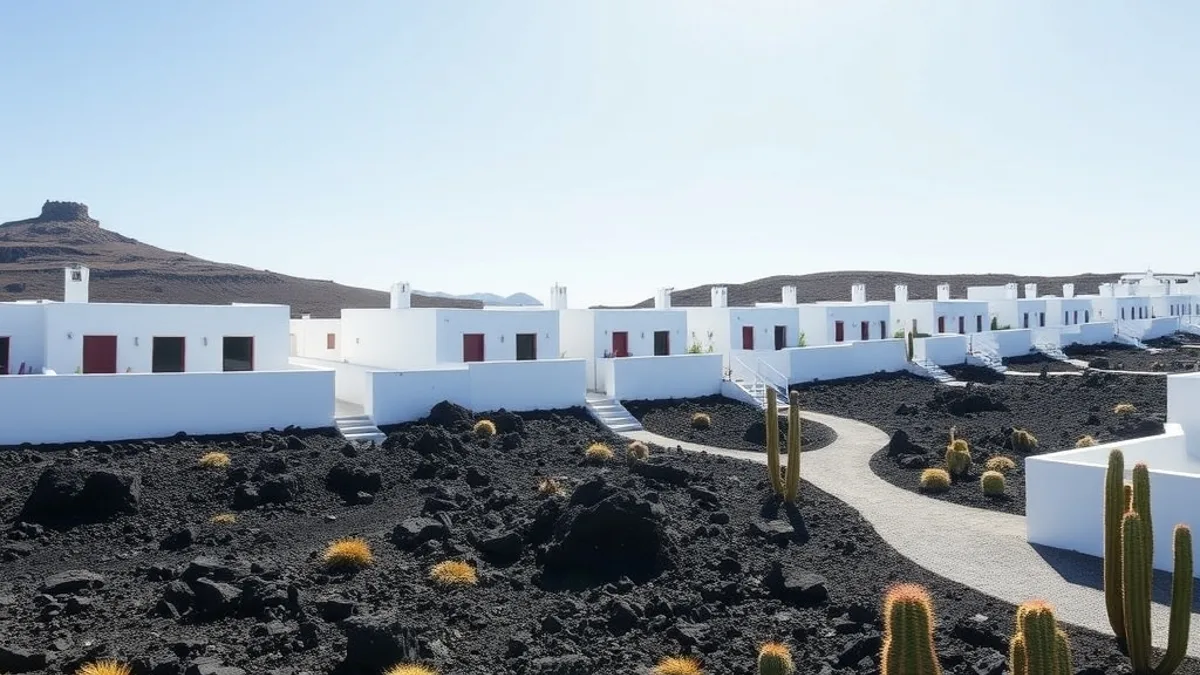
Lanzarote works differently. Low-rise whitewashed resorts, stark volcanic landscapes and a strict no-high-rise building tradition give the island a calm, almost artistic feel. It fits design lovers and quiet seekers far better than party crowds.
Gran Canaria is the all-rounder: the Maspalomas dunes in the south, a genuinely cosmopolitan capital in Las Palmas, and microclimates that can shift within a single drive. If you want beach, city and mountain without changing islands, this is your pick.
Where to Base Yourself on Each Island
Once you’ve picked an island, the next question is where to stay, because distances matter more than most travelers expect. Each island has two or three natural bases, and they cater to noticeably different styles of holiday. The southwest of Tenerife and the south of Gran Canaria are built around resort life, while the northern and western corners feel far more local. Flights from major European hubs take roughly 4-5 hours, so whichever base you choose, getting there is the easy part.
On Tenerife, Costa Adeje and Los Cristianos in the southwest offer the calmest, sunniest beaches, while Puerto de la Cruz in the north trades some sunshine for greener scenery and fewer crowds. On Lanzarote, Puerto del Carmen and Playa Blanca are the two main bases, each with a clear personality. On Gran Canaria, the choice is between full resort infrastructure in the south and a quieter village feel further along the coast.
A practical tip: match your base to how you plan to spend your days. If you want to walk out of your hotel straight into restaurants and evening strolls, prioritize a promenade location. If day trips are the focus, look for good road or ferry connections instead, and accept a quieter setting in exchange.
- Puerto del Carmen, Lanzarote: the long, flat seafront promenade means you can walk from your resort to restaurants and shops without a car, which is handy for evenings.
- Playa Blanca, Lanzarote: regular ferries connect the town to Fuerteventura, so a day trip to a second island needs no extra planning or overnight stay.
- Puerto de la Cruz, Tenerife: the greener north coast sits closer to traditional Canarian town life, with local plazas and markets rather than purpose-built resort strips.
- Meloneras, Gran Canaria: newer than neighboring Maspalomas, it pairs the same dune-backed beach setting with a more modern spread of hotels and dining.
- Puerto de Mogán, Gran Canaria: a small marina village with a compact layout, ideal if you want a base you can explore on foot in ten minutes.
When to Book Spanish Canary Island Resorts
Timing your booking matters as much as choosing the resort itself, especially if your dates fall in the busiest windows. Beachfront rooms are limited on every island, and the best-value ones go first. Plan ahead and you’ll have real choice; leave it late and you’ll be choosing from whatever is left.
Peak season windows
For summer and Christmas stays, aim to book 3-6 months ahead. These are the periods when beachfront resorts fill first, and the properties with direct sand access and heated pools rarely have last-minute bargains. If you’re set on a specific hotel in Costa Adeje, Meloneras or Playa Blanca, treat early booking as non-negotiable.
Shoulder months and winter sun
The shoulder months of April-May and October-November are the sweet spot. Expect mild days of 20-26°C with rates often 30-40% below August peaks, so you can often afford a better hotel for the same budget. Weather-wise, the islands sit comfortably warm year-round, typically ranging from 18°C in winter to 28°C in summer.
Winter sun is genuinely reliable here. Even in February, daytime temperatures hover around 18-22°C, though the sea is at its coolest near 19°C, so swimmers may prefer a heated pool. Check exact school holiday dates for your country too, as they can shift prices within these windows.
What a Night Typically Costs
Canary Island resorts are generally more affordable than comparable beachfront stays in mainland Mediterranean hotspots, but prices still swing sharply with the season. A solid mid-range resort room in low season typically runs €120-180 per night across all three islands, and at that level you can usually expect a pool, a decent restaurant and a short walk or shuttle to the shore.
August is a different story. Beachfront resorts in the marquee zones — Costa Adeje on Tenerife, Meloneras on Gran Canaria and Playa Blanca on Lanzarote — commonly charge €250-350+ per night, and the most sought-after sea-view rooms often sell out well before that. If your dates are fixed to peak season, booking early matters more than hunting last-minute deals.
All-inclusive packages deserve a closer look here. Because dining out in resort zones can add up quickly, a package can narrow the gap between a mid-range and a premium property. Before committing, run a simple comparison:
- Room-only plus local dining: add a realistic daily food budget for your group — including drinks and a couple of restaurant dinners — and compare it against the package premium per night.
- What the package actually covers: some rates exclude branded drinks, à la carte restaurants or minibar items, so read the inclusions list before assuming everything is covered.
- Off-resort eating: in places like Puerto del Carmen or the older streets near Los Cristianos, local restaurants a few blocks inland often cost noticeably less than the beachfront strip.
Beyond the Pool: What Each Island Adds
Each island packs far more than sun loungers, and the differences between them become obvious once you leave the resort zone.
Tenerife and Lanzarote
Tenerife’s headline attraction is Mount Teide, which at 3,715 m is Spain’s highest peak. A cable car carries you most of the way up through lunar volcanic scenery, and the surrounding national park offers hikes for every level. Off the southwest coast, whale-watching trips run regularly, with pilot whales and dolphins spotted year-round — one of the most reliable marine wildlife experiences in Europe.
Lanzarote feels like an open-air art project. Timanfaya National Park preserves a stark volcanic terrain where you can drive through fields of black and rust-red rock, and the late artist César Manrique shaped the island’s character with architecture built into lava flows. His influence also explains the strict low-rise, whitewashed building tradition that keeps the island free of high-rise blocks.
Gran Canaria
Gran Canaria is the island for road-trippers. The rolling dunes of Maspalomas anchor the south, while mountain villages like Tejeda sit in the green, craggy interior. A loop drive around the whole island typically takes 4-5 hours without stops, which makes it realistic to combine dunes, mountains and coast in a single day trip from a southern base.
How to Spot a Genuinely Good Resort
Resort listings can make two very different properties sound identical, so a little digging pays off before you book. Start with the basics that photos tend to blur: exact location, building age and how the layout interacts with the sun and the wind. A glossy gallery shot of a rooftop pool tells you nothing about whether your actual room faces it or the parking lot.
The classic trap is the phrase “near the beach.” In hilly resort zones like Costa Adeje or Puerto del Carmen, it can mean a 20-minute downhill walk — and a longer climb back in the afternoon heat. Check the map yourself and look for mentions of steps, slopes or shuttle buses in recent reviews. Reviewers are usually honest about this, and their comments will save you a frustrating surprise on arrival day.
Age matters too. Some Canary resorts date from the 1970s-80s boom, and while many have been beautifully updated, others have not. Renovation dates in reviews tell you more than star ratings ever will, because a well-maintained older property can outperform a tired four-star. Use this checklist when comparing options:
- Sun exposure: in the trade-wind belt, a north-facing pool terrace can feel cool even in summer, so look for reviews or satellite views that confirm where the sun loungers actually sit.
- Pool heating: sea temperatures sit around 19°C in the cooler months, and unheated pools can match them — a real issue for families traveling outside peak summer.
- Kids’ club details: verify the exact age range and whether it runs year-round or only in school holiday periods, since advertised clubs sometimes operate seasonally.
- Renovation recency: search reviews for words like “refurbished” or “renovated” and note the dates, because a recent refresh and a decades-old one produce very different rooms.
Finally, zoom in on the room type itself. “Sea view” can mean a full ocean panorama or a sliver of blue between two buildings, so read recent guest photos before paying the upgrade.
The Bottom Line
So which island should you pick? If you want the most variety in one trip, Tenerife is the strongest choice, mixing beach resorts, hiking and nightlife. Lanzarote wins on design and calm, with its low-rise whitewashed resorts and volcanic scenery. Gran Canaria offers the best all-round balance, from the Maspalomas dunes to a cosmopolitan capital and shifting microclimates.
Timing matters as much as the destination. Book 3-6 months ahead for summer and Christmas stays, and target April-May or October-November for the best value. Most importantly, match your base to your priorities — beach, landscape or town life — before you start comparing individual resorts. That single decision will shape your trip more than any star rating. If this helped you choose, leave a comment or share the article with a fellow traveler.