Picking a beach in Sri Lanka sounds easy until you meet the two monsoons. The very same stretch of sand can be calm and postcard-perfect in February and washed out with gray surf in July, depending on which coast you are standing on. This is why choosing among Sri Lanka resort areas starts with your travel dates, not with hotel photos.
This guide walks you through the basics: how the two monsoons decide which coast is in season, what the main resort areas on the South Coast and East Coast actually offer, which stay types dominate each stretch, how far ahead to book, and how to combine both coasts in one trip when the timing allows. By the end, you should be able to match your month, your coast and your budget without guessing.
How the Two Monsoons Decide Where You Stay
Sri Lanka sits between two competing monsoon systems, and each one soaks a different side of the island. The southwest monsoon brings rain to the South and West Coasts from around May, while the northeast monsoon does the same to the East Coast later in the year. The practical result is simple: the South Coast is driest roughly November to April, and the East Coast is driest roughly May to September.
The awkward in-between months
October and, to a lesser extent, May are transition months between the two monsoons. Showers during these weeks are unpredictable on both coasts, and you can get a week of sunshine or several gray days regardless of where you stay. If your dates are fixed to these months, pack flexibility and consider basing yourself inland or in a spot with good non-beach options.
The most common mistake is falling in love with a specific resort first and only then checking the weather. Reverse that order. Fix your travel month, work out which coast is in its dry season, and then shortlist resorts there. Do it the other way around and you risk booking a beautiful pool deck staring at a rough, rain-lashed sea.
South Coast Resort Areas: Galle to Tangalle
The South Coast resort strip runs along the island’s southern edge, with the Galle to Tangalle stretch spanning roughly 130 km. It is the country’s most developed beach corridor, and the character changes noticeably as you move east. Distances are short enough that you can base in one area and day-trip along the coast, though traffic through towns can slow you down, so plan for slower journeys than the map suggests.
At the western end, Galle pairs a famous heritage town — fort streets, cafés and rampart walks — with Unawatuna, a sheltered swimming bay just next door. This is the busiest part of the stretch, with the widest choice of restaurants and shops, and it works well for travelers who like some life around their beach time.
- Mirissa and Weligama: roughly 30-40 km from Galle, Mirissa is the base for whale-watching boat trips, while neighboring Weligama’s gentle, sandy-bottomed waves make it one of the island’s most popular spots for beginner surf lessons. Both villages have grown quickly, so expect plenty of cafés and development along the beach road.
- Tangalle: near the eastern end of the stretch, around 130 km from Galle, Tangalle trades nightlife for space — quieter resorts set along lagoons and long, less crowded beaches, popular with travelers who want a slower pace and more privacy.
If you want walkable restaurants and atmosphere, stay near Galle. If you want boats, boards or quiet lagoons, move east along the coast. The best stretch for you depends on your month of travel as much as your budget, so line up the season first before you commit to a base.
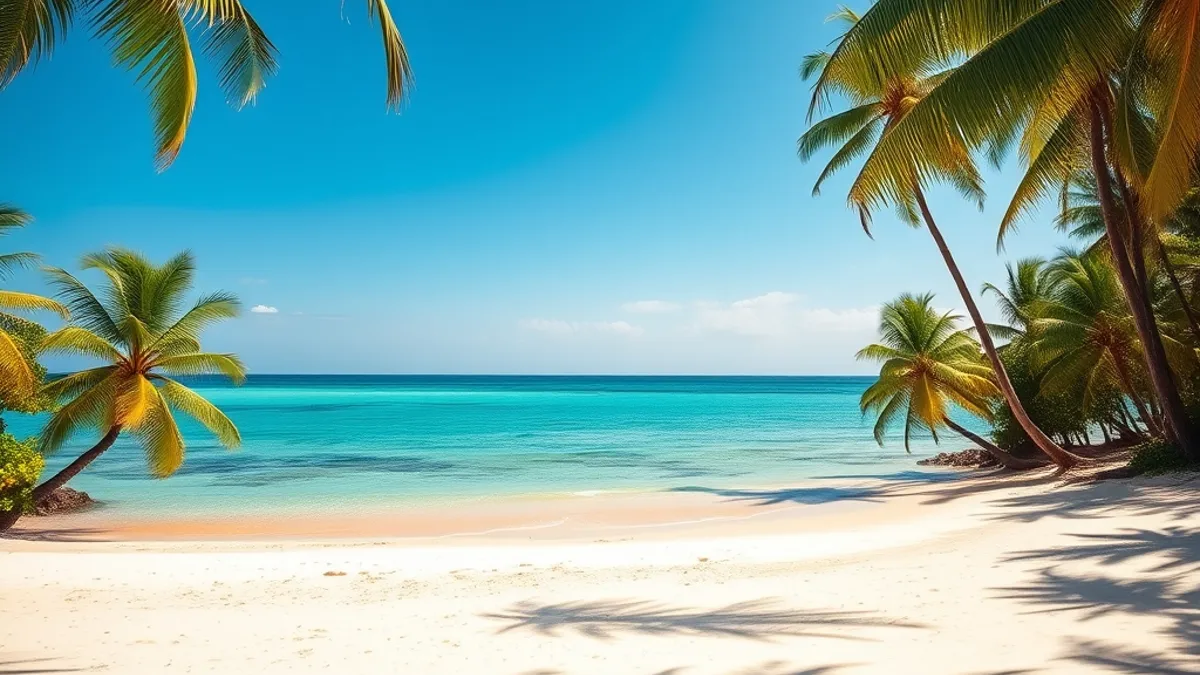
East Coast Resort Areas: Trincomalee to Arugam Bay
The East Coast runs its own season, roughly May to September, when the northeast monsoon leaves this side of the island dry while the South Coast takes its rain. Resort development here is younger and more spread out than in the south, which is part of the appeal — beaches feel emptier, roads are quieter, and fishing villages still set the tone. If you want a polished, resort-heavy strip, this is not it; if you want space and a slower rhythm, it works beautifully.
In the north, Trincomalee and the long Nilaveli beach offer calm, shallow water in season, with snorkelling trips out to Pigeon Island, a small marine national park offshore. The reef and shallow lagoons make it a good pick for travelers who want easy swimming rather than surf. There is a fee to enter the park, so check the current rate before you go, as it changes from year to year.
- Pasikuda and Kalkudah: twin bays protected by an offshore reef, which keeps the water unusually calm and shallow — a big plus for families with small children. Purpose-built resort developments have clustered here, so it is the East Coast’s most convenient base for a straightforward beach holiday, with more facilities than you will find further north.
- Arugam Bay: a laid-back, surf-focused village roughly 320 km east of Colombo, about 6-7 hours by road. It draws a wave-riding crowd in season and has a casual guesthouse and café scene rather than large resorts, so book early if you want a well-reviewed place during peak months.
Trincomalee is best reached by air or a long road trip from Colombo, so factor transfer time into your plans before committing to the northern stretch. Arugam Bay’s 6-7 hour drive is similar, and both are far from the main southern resort areas — treat the East Coast as a destination in itself, not a quick add-on.
Choosing Your Stay Type by Area
The stay types shift noticeably as you move along either coast, and knowing what dominates each area saves you from booking something that doesn’t match your expectations. On the South Coast, Galle and Tangalle are the strongholds of the boutique villa: restored colonial buildings, private pools, garden settings and design-led interiors. These properties typically run $150-400 per night, with the most polished options at the top of that range, especially in the peak season months.
Mid-range and budget options
If your budget sits closer to $80-200 per night, look at the mid-range beach resorts that cluster in Weligama on the South Coast and Pasikuda on the East Coast. These tend to be full-service properties with pools, restaurants and direct beach access, which makes them a comfortable fit for families and couples who want predictability rather than character. Pasikuda in particular has seen a wave of resort development along its reef-protected bay, so the choice there is broader than the town itself suggests.
Arugam Bay plays by different rules entirely. It’s a surf village first, and its accommodation reflects that: simple guesthouses and surf camps aimed at wave-chasers rather than resort loungers. Rates here often run $30-80 per night, and the trade-off for the low price is basic comfort and a lively, informal atmosphere. If you want a plush room with air conditioning and room service, this is not the area for it — but if you want to be steps from the break at a fraction of South Coast prices, it’s hard to beat.
When and How to Book
Booking timing matters more in Sri Lanka than in many beach destinations, because the two coasts have opposite peak seasons and very different rhythms of operation. On the South Coast, December and January are the busiest and most expensive months of the year. The best boutique villas and design-led properties can fill up well in advance, so aim to reserve 2-3 months ahead if you’re traveling in that window. Leaving it later usually means paying more for a lesser room, not finding a bargain.
The East Coast has its own quirk: many properties scale back or close entirely between October and December, when the northeast monsoon makes the season unreliable. If you’re planning an East Coast stay, always confirm that your chosen hotel is actually open and running full services for your dates. A property that lists itself as open may still operate with a reduced restaurant, limited housekeeping or a closed pool during those months.
The shoulder months reward flexible travelers. November and April sit at the edges of the seasons, and rates can drop 20-30% compared with peak, while the weather is often still mostly good. A few things worth checking before you commit:
- Shoulder-season service levels: some smaller villas use the quiet months for renovations, so ask whether any construction or facility closures will affect your stay.
- Minimum-stay requirements: peak-season South Coast properties sometimes require longer stays, which can make a short December trip harder to book than a two-week one.
- Refund terms for weather risk: in transition months, a flexible cancellation policy is worth more than a small discount, since showers can disrupt plans on either coast.
Pairing Coasts and Planning Around Sri Lanka Resort Areas
If you have more than about ten days in Sri Lanka, combining both coasts is genuinely doable — but only in one window. Between late May and early September, the East Coast is in its dry season while the South Coast sits in its wetter southwest monsoon. That combination works because the South Coast remains surfable during the monsoon: swells are consistent even when showers roll through, so surfers happily pair a wetter south with a sunny east in a single trip.
Outside that window, don’t try it. Traveling in, say, January would mean perfect South Coast weather but a monsoon-soaked East Coast, and the reverse holds in mid-year for the south. The monsoon calendar, not the itinerary you’d ideally like, decides what’s combinable.
Breaking up the transfer
The practical challenge is distance. The drive between the coasts via Ella takes roughly 8-10 hours, so treat it as a full travel day rather than a morning hop. Trying to squeeze the transfer into half a day leaves you exhausted and arrives after dark, which wastes an evening on either end.
The smarter move is to add an inland stop and split the journey. Ella is the natural choice: it sits almost exactly on the route, offers cool hill-country air, tea plantations and waterfall views, and turns a punishing drive into two easy halves. The broader hill country works the same way if you’d rather base yourself around tea estates. Two or three nights inland gives you a genuinely different side of Sri Lanka and makes the coast-to-coast pairing feel like a journey rather than a slog. Plan the inland stop before you book your coastal resorts, since it changes how many nights you need on each coast.
Wrapping Up: Matching Coast, Season and Stay
Choosing between Sri Lanka’s two beach coasts comes down to one thing: the monsoon calendar. The same stretch of sand can be glorious in one season and gray and washed out in the other, so fix your travel month first and the coast follows. If you are traveling between November and April, the South Coast is your best bet. If your trip falls between May and September, head east instead.
Once the coast and month are settled, everything else falls into place naturally — whether a boutique villa, a family-friendly resort or a simple surf guesthouse suits you, and how far ahead you need to book. Match the season to the shore, and Sri Lanka rarely disappoints. If this helped you plan your trip, leave a comment or share the article with a fellow traveler.