On the map, the Turkey Turquoise coast resorts look like one continuous ribbon of beach, and that’s exactly the problem. Travelers pick a town at random, book for the wrong month, and end up on a pebble cove when they wanted soft sand, or in a packed mega-resort when they wanted a quiet terrace. The coast stretches hundreds of kilometers, and its two halves feel like different countries.
This guide breaks the choice down. We’ll map what the coast actually covers, compare the eastern resort belt of Antalya, Belek and Side with the western cove country of Kaş, Kalkan and Fethiye, and match each area to the right travel style. Then we’ll walk through the seasons from May to October and beyond, cover booking windows and transfer distances, and pull it all into a simple plan you can act on.
What the Turquoise Coast Actually Covers
The Turquoise Coast runs along Turkey’s southwest Mediterranean shore, roughly from Antalya in the east to Fethiye and Marmaris in the west. Locals and tour operators sometimes stretch the label further, but this core stretch is where nearly all the resorts, beach towns and flight connections sit. It’s a coastline of mountains dropping straight into clear water, and it deserves more planning than a single point on a map suggests.
The first practical split is by airport. Two main gateways divide the coast: Antalya airport serves the eastern resorts, while Dalaman airport handles the western ones. Booking a hotel near Kaş but flying into Antalya means a very long transfer, so your airport choice should follow your chosen stretch, not the cheapest fare alone.
East versus west: two different coastlines
The character of the shore changes sharply as you move west. Around Antalya, Belek and Side, you’ll find broad sandy beaches that run for kilometers, backed by resort complexes and easy, flat access to the water. This is the classic sun-and-sand setup that works well for families.
Further west, the mountains crowd closer to the sea. Around Kaş, Kalkan and the bays beyond Fethiye, long sandy strands mostly disappear, replaced by smaller pebble coves and cliff-backed bays reached by platforms, ladders and boat trips. The water is often clearer and the setting more dramatic, but you trade convenience for scenery. Knowing which shoreline you actually want is the single biggest decision on this coast.
Antalya, Belek and Side: The Eastern Resort Belt
The eastern end of the coast is where Turkey does large-scale resort tourism best, and it starts with Antalya itself. The city is a genuine destination, not just an airport: the walled Kaleiçi old town packs Ottoman-era houses, small hotels and harbor cafés into a walkable core, while long strands like Lara and Konyaaltı beaches are lined with large all-inclusive resorts. Staying here means you can split days between a beach lounger and an evening stroll through the old town without a car.
Belek: golf and long sandy strands
About 40 km east of Antalya, Belek has built its identity around golf. It’s the coast’s golf hub, with course-lined resort complexes set slightly back from long, wide sandy beaches. The beach itself tends to be broad and gently shelving, which suits families, and the resort layout means everything from pools to restaurants sits within the property. If your trip revolves around tee times or you simply want a self-contained beach week, Belek fits.
Side: ruins with your beach time
Side appeals to a different mix of traveler. The town combines substantial Roman ruins, including a theater right in the center, with a small harbor old town on a peninsula. Around that historic core sit family-friendly beaches with shallow, sandy entry that works well for children. It’s the rare resort town where you can wander columns and ancient streets in the morning and be back on a sunbed by lunch, all without leaving the area.
Kaş, Kalkan and Fethiye: The Western Cove Country
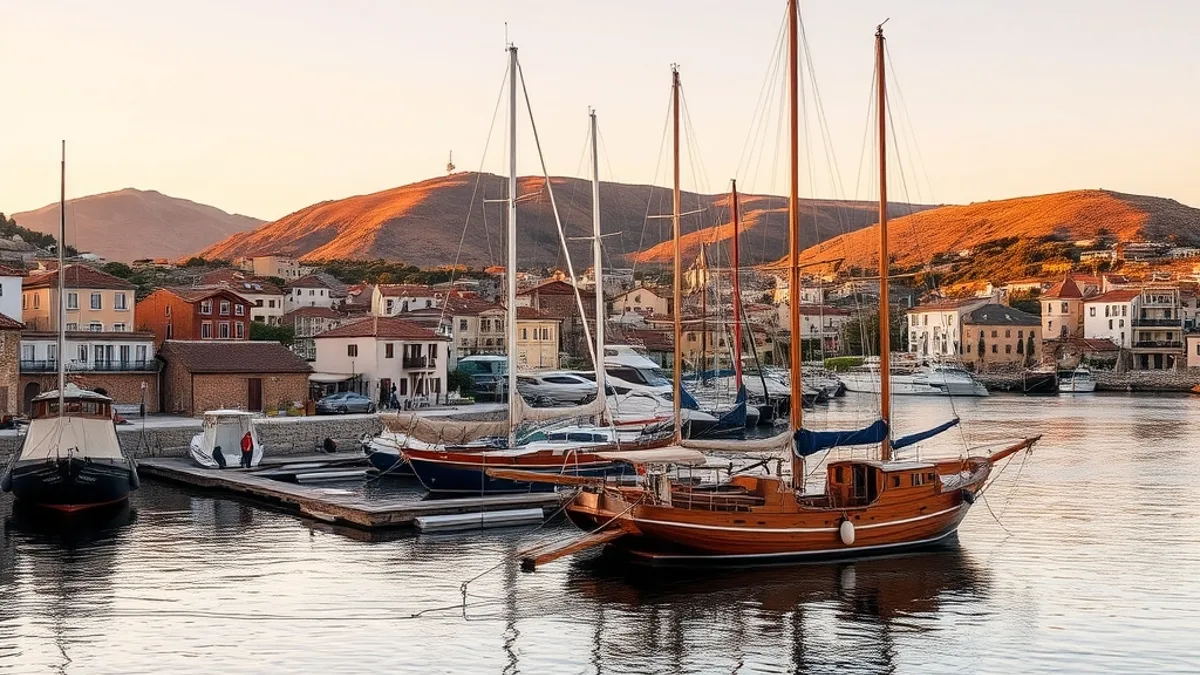
West of Antalya’s resort belt, the coastline changes character completely. Around Kaş and Kalkan, the mountains drop steeply into the sea, so there’s little room for long beaches. Instead, hotels and clubs build small platforms and ladders into cliffside terrain, and swimmers reach the water down steps or from small coves. It’s a setup that favors couples and divers over families who want a wide sandy play area, and the reward is dramatic water views from nearly every terrace and remarkably clear sea for snorkeling and diving.
Fethiye: the activity hub
Fethiye works differently. It’s a working hub town with a large natural harbor, a lively market scene and a wide choice of small hotels, and it sits close to Ölüdeniz’s Blue Lagoon, one of the coast’s most photographed spots. From here, boat trips head out to nearby bays and islands daily, and the ridge above Ölüdeniz is a well-known launch point for paragliding. If your ideal week mixes swimming with active days on the water, Fethiye makes the most practical base.
Getting there: the transfer advantage
The western stretch also has a logistics edge. Dalaman airport serves Fethiye and sits only about 50 km away, so transfers are short and straightforward. Reaching the eastern resorts from the west, or vice versa, means a much longer drive, which is why matching your airport to your chosen stretch matters so much on this coast.
Choosing Your Season: May to October and Beyond
The swimming season on the Turquoise Coast runs roughly from May to October, but the experience changes a lot within that window. May and June bring sea temperatures around 22-25°C, which most travelers find comfortable for swimming, especially by midday. The hillsides are still green from spring, and prices sit noticeably below peak levels.
July and August deliver the hottest weather and the calmest, warmest sea of the year, peaking around 27-29°C in August. That combination makes these months the most popular, so expect crowded beaches, busy boat trips and the year’s highest resort rates.
The shoulder sweet spot
September and October offer the best balance for most travelers. The water stays warm well into October, crowds thin out once schools go back, and rates often drop 40-60% below August levels. You keep long daylight hours for swimming and boat days without the peak-season squeeze.
From November through April, the coast shifts character. This period suits sightseeing, coastal hiking and city breaks rather than beach holidays, and many beach resorts close entirely or run reduced services. If you plan a winter trip, confirm your hotel is open and check which restaurants and facilities are operating before you book.
Matching Stay Types to Travel Styles
The Turquoise Coast offers three distinct styles of stay, and picking the right one matters more than picking the right town. The eastern belt around Antalya, Belek and Side is built for large-scale, all-inclusive holidays, while the western cove country around Kaş and Kalkan leans toward smaller, more intimate properties. Match the property type to how you actually spend your days and the whole trip falls into place.
All-inclusive mega-resorts cluster along the eastern beaches and work best for families who plan to spend most of their time on the property. With pools, kids’ clubs and multiple restaurants on site, you can park the car and settle in for the week. Boutique cliffside hotels in Kalkan and Kaş suit couples who want a terrace with a sea view, a short walk into town for dinner and a quieter atmosphere overall.
Fethiye and Ölüdeniz sit somewhere in between, combining small independent hotels with a dense cluster of activity operators. A few points to weigh when matching stay type to travel style:
- Eastern all-inclusives often include meals, drinks and entertainment in one rate, which makes budgeting simple for families, but you pay for convenience with less flexibility to eat out.
- Kalkan and Kaş boutique stays frequently offer breakfast-only service, so plan for restaurant dinners in town, where the choice of small Turkish and seafood places is part of the appeal.
- Fethiye and Ölüdeniz operators sell day packages for diving, paragliding from Babadağ and boat trips to nearby coves, so you can build an activity itinerary day by day rather than booking everything in advance.
Booking Windows, Transfers and Costs
Timing your booking matters as much as timing your trip. For July and August stays, reserve 3-6 months ahead to avoid the steepest rates and the disappointment of limited room choice. The most sought-after sea-view and family rooms in popular resorts sell out early in peak season, so if you have your heart set on a specific property, treat early booking as non-negotiable rather than optional.
Shoulder-month travelers have far more flexibility. In May, June, September and October you can often book 4-8 weeks out and still find good availability, including in properties that are full by spring for August. Shifting a peak-week trip to May or October also cuts accommodation costs significantly, since high-season rates run well above what the same room costs in those quieter months. That saving alone can cover an extra night or two, or fund a few boat trips and meals out.
Don’t forget transfer distances when comparing prices, because the coast is long and the two airports serve different stretches. A few practical points to factor in:
- Eastern transfers are short: Antalya airport to Side is about 65 km, so most eastern resorts are reachable within roughly an hour by pre-booked shuttle or taxi.
- Western transfers run longer: Dalaman airport to Kaş is around 150 km, so expect a scenic but winding drive of a couple of hours or more along the coast road.
- Match airport to resort before booking flights: booking into the wrong airport can add hours of road time, so confirm which airport your hotel recommends before you buy tickets.
Putting Your Coast Plan Together
The Turquoise Coast is not one beach but two very different stretches, and your first decision is which one fits your trip. If you want long sand, big all-inclusive resorts and easy family logistics, head east toward Antalya, Belek and Side. If you prefer pebble coves, diving, boutique cliffside hotels and a slower pace, the west around Kaş, Kalkan and Fethiye is your match.
Timing matters just as much. May-June and September-October deliver the best mix of warm water, thinner crowds and noticeably lower rates, while July-August brings peak heat, peak crowds and peak prices. Whatever month you choose, book 3-6 months ahead for summer stays, and match your airport to your stretch: Antalya for the east, Dalaman for the west. Have a favorite stretch or month on the coast? Tell us in the comments or share this article with a fellow traveler.