Two islands, two photos of turquoise water and white sand, and one difficult decision. On paper, Zanzibar vs Mauritius looks like a coin toss. In reality, these are two very different trips: one leans into Swahili culture, spice markets and a slightly wilder edge, while the other offers polished resorts, calm lagoons and a predictable week of doing very little in comfort.
This guide walks through the differences that actually matter: when each island is at its best, how the beaches and swimming conditions compare, what you can do beyond your sun lounger, and what your money buys at the resorts. We finish with a straightforward match-up for different travel styles, so you can stop comparing photos and start booking the island that fits the trip you actually want.
Zanzibar vs Mauritius: The Core Differences at a Glance
It is easy to see why travelers get stuck. Both islands sit in the Indian Ocean, both promise palm-fringed beaches and both are long-haul flights from Europe, typically taking around 9-12 hours. But once you land, the experiences diverge quickly, and knowing which direction each island leans will save you from a disappointing booking.
Zanzibar: culture first, polish second
Zanzibar offers a rawer, more atmospheric island experience. Swahili heritage runs through everything here, from the narrow streets of Stone Town to the spice farms and dhow boats still used by fishermen. Prices tend to be lower, and the island feels like an adventure that happens to come with excellent beaches attached.
Mauritius: the polished resort island
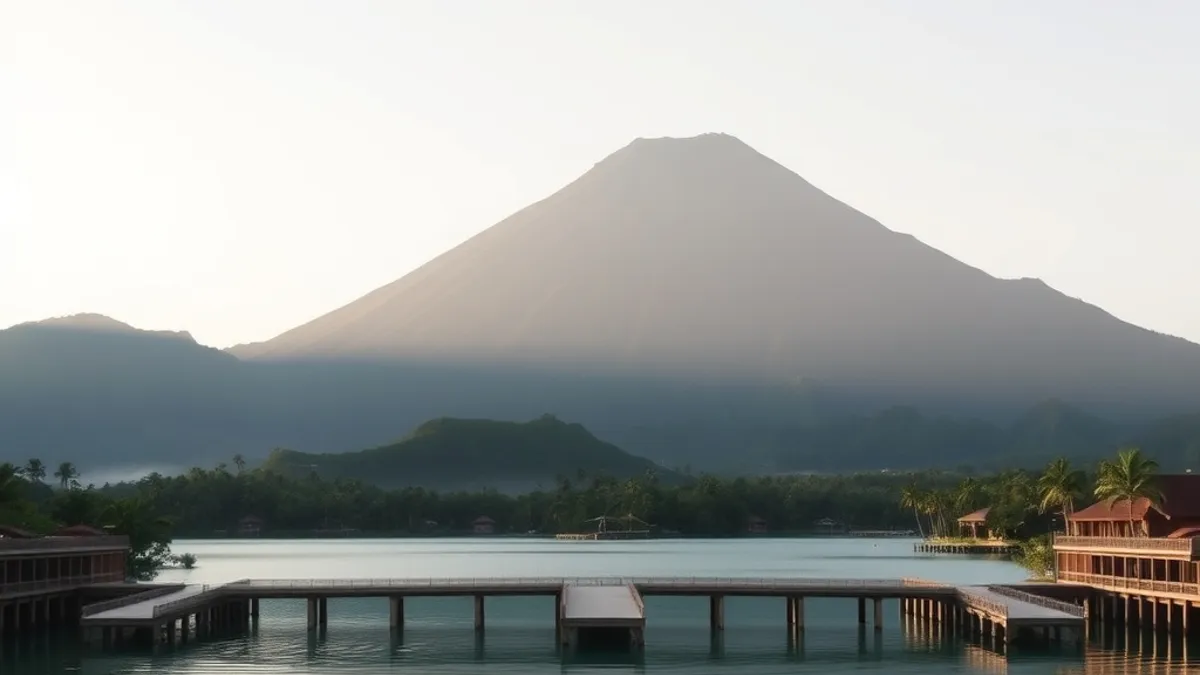
Mauritius delivers a more predictable, resort-centered beach holiday. The infrastructure is polished, the large hotels are full-service, and the scenery is dramatic: volcanic peaks, green interior hills and sheltered lagoons. If your priority is a smooth, hassle-free week where everything works as expected, Mauritius has the edge.
Since travel time is nearly identical for both, your decision should come down to budget, season and the kind of holiday you want, not the flight.
When to Go: Seasons and Weather Compared
Weather is where this comparison gets decisive, because the two islands sit on opposite sides of the equator and their best seasons barely overlap. Your travel dates may well choose the destination for you.
Zanzibar’s dry seasons
Zanzibar’s main dry season runs from June to October, bringing sunshine, lower humidity and reliable beach weather. There is also a shorter dry window in January and February, which works well if you are escaping a European winter. Outside these periods, the rains can disrupt boat trips, beach days and road travel.
Mauritius and the cyclone question
Mauritius is at its best from May to December, with cooler, drier and generally more comfortable conditions across the island. From January to March, cyclone risk becomes a real factor, and even when a storm stays away, that period tends to bring heat, humidity and unsettled weather that can affect resort plans.
Notice the overlap: June to October works beautifully for both islands, and that is your safest window if you have flexibility. If your dates fall in the European summer, either island works; if you are traveling in the southern summer, lean toward Zanzibar’s January and February dry spell and be cautious about Mauritius. Check forecasts close to booking, as patterns shift from year to year.
Beaches and Swimming Conditions
Beach photos from both islands look interchangeable, but the swimming conditions are not. This is one of the biggest practical differences between them, and it matters most if you picture yourself in the water all day.
Zanzibar’s east coast is famous for powder-white sand and that classic desert-island look. The catch is the tide: it is strong and dramatic, and at low tide the water retreats far out across exposed reef flats, leaving wide stretches of sand and shallow pools rather than swimmable water. Timing your swim around the tide becomes part of the daily rhythm.
Mauritius takes a different approach. Much of the island is ringed by coral reefs that create calm, sheltered lagoons, especially on the west and north coasts. These are better for all-day swimming, paddleboarding and letting children play at the water’s edge without worrying about tides or currents.
Where each island shines depends on what you want from the water:
- Snorkeling and diving: Zanzibar’s reefs are generally stronger, with better access to colorful coral gardens and dive sites off islands such as Mnemba and around the southeast coast.
- Casual swimming: Mauritius’s lagoons let you swim at almost any hour of the day, regardless of tide, which makes a resort week feel effortless.
- Families with young children: The calm, shallow lagoons on Mauritius’s west and north coasts are far more forgiving for kids than a tide-dependent beach.
- Beach walks and scenery: Zanzibar’s low tides, while inconvenient for swimming, create vast, photogenic sand flats and a chance to watch local women farming seaweed and fishermen landing their catch.
In short, if swimming reliability tops your list, Mauritius has the advantage. If you are happy to plan around the tide in exchange for spectacular reefs and wilder beaches, Zanzibar rewards you.
Beyond the Beach: Culture and Day Trips
If you’re the kind of traveler who starts itching to leave the resort by day three, this section matters. Zanzibar and Mauritius handle “beyond the beach” very differently, and it often comes down to how much variety you want from a single trip.
Zanzibar: culture on your doorstep, safaris within reach
Zanzibar’s big advantage is Stone Town, the island’s historic core. Wandering its narrow alleyways, you’ll find carved wooden doors, old merchant houses, lively markets and a Swahili coastal culture shaped by centuries of trade. It’s an easy half-day or full-day trip from most beach resorts, and many travelers combine a few nights in town with their beach stay.
The other draw is the mainland. Tanzania’s famous safari parks sit within a few hours of the beach resorts, typically reached by a short flight to the coast. That makes a beach-plus-safari combination realistic without a complicated itinerary — something Mauritius simply can’t offer.
Mauritius: a compact island made for day trips
Mauritius is about 65 km long, which means almost anything on the island is doable as a day trip from your resort. You can chase waterfalls in the interior, browse local markets and food stalls, and take in volcanic lookouts and dramatic gorges, all while returning to your hotel by evening. Renting a car or hiring a driver for a day or two is a common and easy way to see the island.
The practical takeaway: choose Zanzibar if you want a two-center trip that mixes beach, culture and wildlife. Choose Mauritius if you’d rather settle into one self-contained resort and still have the option of island-wide exploring on your schedule.
Resorts, Prices and Where to Stay
What Your Money Gets on Each Island
Here’s some good news for anyone torn between the two: mid-range resort stays cost roughly $150-300 per night on both islands. That means the price gap you might expect between the “budget” island and the “polished” island mostly appears at the lower and upper ends of the market, not in the middle. A comfortable beachfront room with a pool and breakfast will set you back a similar amount in Zanzibar as it will in Mauritius.
The real difference lies in the style of accommodation. Mauritius has more large full-service resorts, the kind with several restaurants, kids’ clubs, spas and evening entertainment all on one property. Zanzibar leans toward boutique beach lodges: smaller, more personal places, often family-run or locally owned, where dinner might be a seafood grill on the sand rather than a buffet in a ballroom. Neither is better; it depends on whether you want everything under one roof or a more intimate base.
Timing Your Booking
Book 3-6 months ahead for high-season stays, especially on Mauritius where the top resorts fill first. The flagship properties there have loyal repeat guests who rebook the same suites year after year, so last-minute deals are rare in peak weeks. Zanzibar’s smaller lodges tend to have a little more flexibility, but the best beachfront rooms still go early.
One practical tip: before you book, check where on the island your resort sits. Swimming conditions and access to day trips vary by coast on both islands, and a beautiful resort in the wrong spot can shape your whole week. If you’re flexible on dates, matching your travel window to the island’s better season will do more for your trip than any upgrade you could buy.
Which Island Fits Your Travel Style
If culture, street food and layered history excite you, Zanzibar is the better match. Evenings wandering the alleys of Stone Town, mornings bargaining in the spice markets and the option to tack a safari onto your beach week all add up to a trip that feels like an adventure. Costs for food, taxis and local experiences also tend to run lower than on Mauritius.
Mauritius, on the other hand, is the easier holiday. Big resorts handle everything from airport transfers to kids’ clubs, the roads are good, English and French are widely spoken, and the calm lagoons mean you can swim at almost any hour without checking the tide chart. If your goal is a week of genuine rest with minimal decision-making, it delivers.
As a rough guide: honeymooners and families with young children usually get more value from Mauritius, while couples and culture-focused travelers often find Zanzibar more rewarding per dollar spent.
- Honeymooners: Mauritius has more dedicated adults-only resorts, private villa pools and in-house spa packages, so romance is largely handled for you.
- Families with young children: shallow, sheltered lagoons plus resort kids’ clubs and babysitting services make supervision far simpler than on a tidal east-coast beach.
- Safari-and-beach combos: if seeing wildlife matters, Zanzibar lets you pair reef time with a mainland safari in a single trip.
- Culture-first travelers: choose a Zanzibar stay with two or three nights in Stone Town rather than a single beach base.
- Second-timers: if you have already “done” a classic resort island, Zanzibar’s rougher edges are exactly what make it memorable.
The Final Word on Your Indian Ocean Trip
So which island should you book? If your photos look similar, the trips rarely do. Zanzibar wins on culture and price, pairing beach time with Stone Town and mainland safari parks a few hours away. Mauritius wins on comfort and swimming conditions, with calm lagoons and polished resort infrastructure that make for an easy, predictable week.
In practice, your travel dates and travel style matter more than any single resort choice. The dry seasons barely overlap, so check when you can actually travel before falling in love with either island. And whichever you pick, both islands reward early planning: book 3-6 months ahead for high-season stays to avoid disappointment. If this helped you decide, leave a comment or share the article with a fellow traveler.