You’ve found the perfect lodge: forest trails out the back door, a fireplace in the room, and photos that promise a quiet weekend away. Then you start asking about your dog, and everything gets murky. Some properties say yes, some say no, and some say yes but only after you’ve already paid. Unclear pet rules, surprise fees and vague policies can make lodge stays with dogs feel like a gamble rather than a getaway.
This guide takes the guesswork out of the process. We’ll explain how dog-friendly lodges actually differ from pet-friendly hotels, how to read the fine print on weight limits, leash rules and unattended-dog policies, and what fees and deposits you should expect to pay. You’ll also find advice on booking the limited pet rooms before they sell out, choosing a lodge where your dog is genuinely welcome rather than grudgingly tolerated, and packing and behaving so you protect both your deposit and your dog’s reputation. By the end, you’ll know exactly which questions to ask before you book.
What Lodge Stays With Dogs Actually Look Like
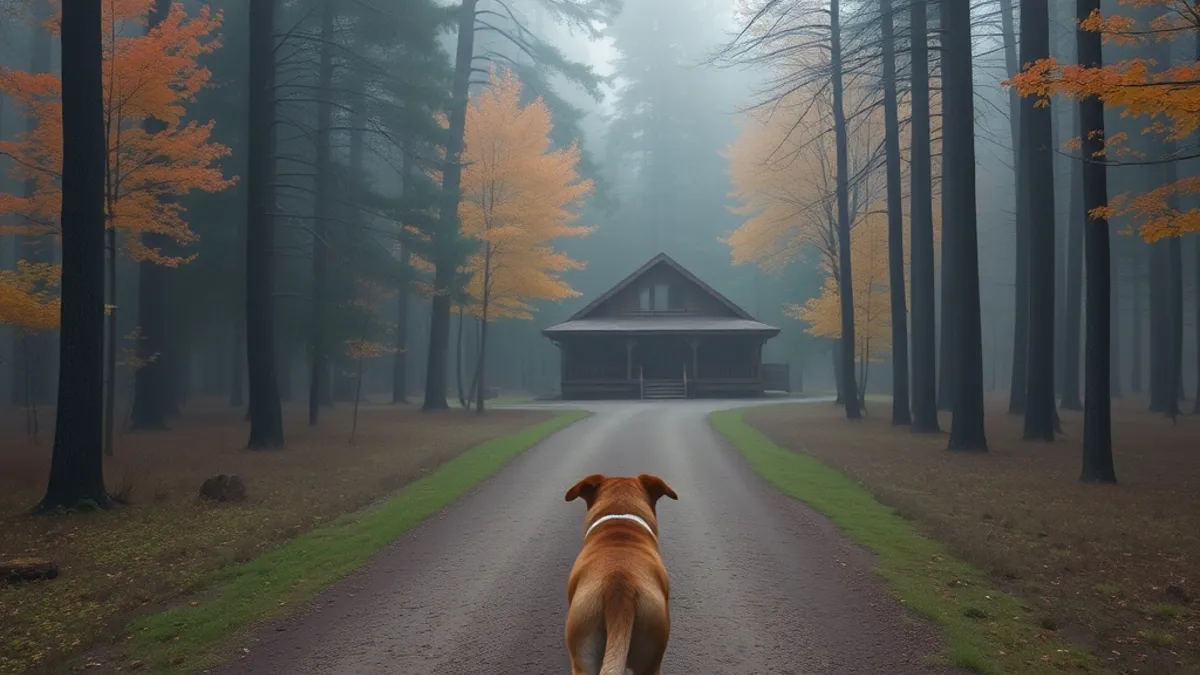
Lodge stays with dogs look different from hotel stays with dogs, and knowing those differences helps you pick the right property. Lodges typically offer more outdoor space: grounds, trails, lawns and sometimes lakes right on site. The trade-off is that most lodges hold only a handful of pet rooms per property, sometimes just one or two, compared with the larger pet-friendly floors you might find at a chain hotel. That scarcity shapes everything about booking, from how far ahead you reserve to how flexible you need to be on room type.
What a dog-friendly lodge room looks like
Dog-friendly rooms are usually not scattered randomly through the property. They tend to be clustered in ground-floor positions or designated wings, and for good reason. Ground-floor rooms give direct outdoor access for late-night bathroom breaks, and designated wings with hard floors such as tile, vinyl or sealed concrete are easier to deep-clean between guests. Expect fewer carpets, fewer delicate fabrics and sometimes a room slightly removed from the main guest areas.
Why you must confirm the property, not the brand
Here’s the trap that catches many travelers: not every lodge within one brand or resort allows pets. A resort group might operate five lodges in the same region, with two accepting dogs and three refusing them, or a single property where only certain buildings qualify. Booking through a brand website and assuming your dog is welcome at whichever location you chose is how surprise policies happen at check-in. Always confirm the specific property and the specific room, one by one, before you commit. A five-minute call or email to the lodge itself is the only reliable way to know that the room you’re paying for is actually one of their limited pet-friendly rooms.
Reading the Fine Print: Rules and Restrictions
Every lodge with a pet policy has one, but the details vary widely, and the restrictions are where most check-in surprises come from. The most common limits involve your dog’s size and how many dogs you can bring: many lodges cap weight at around 25 to 50 pounds (11 to 23 kg) and limit guests to one or two dogs per room. If you have a large breed or a multi-dog household, these two rules eliminate more properties than any other restriction, so ask about them first.
Inside the lodge, dogs are typically barred from dining rooms, pools and spa areas. On the grounds, most properties enforce a 6-foot leash rule, meaning retractable leashes at full extension may not comply. The rules below are the ones travelers most often discover too late, so go through them point by point when you contact the lodge.
- Breed restrictions: Some properties maintain a list of restricted breeds, often based on their insurance policies rather than the lodge’s own experience. If your dog is a mixed breed with any restricted lineage, ask how the policy is applied.
- Unattended dogs: Leaving a dog alone in the room is often prohibited outright, or allowed only if the dog is crated. If your dog doesn’t use a crate, this rule will shape your whole itinerary, from meals to activities.
- Service animals vs. emotional support animals: In the United States, service animals are legally exempt from pet rules and pet fees. Emotional support animals are not, and they are treated like any other pet dog under the lodge’s policy.
- Designated relief areas: Some lodges restrict where dogs may relieve themselves on the grounds, directing guests to specific grass areas away from entrances and children’s play spaces.
Get each of these answers before you book, not at the front desk. A policy that sounds generous in one sentence can carry three conditions in the next, and the fine print is where your plans either hold up or fall apart.
Typical Fees and Deposits for Lodge Stays With Dogs
Pet fees at dog-friendly lodges come in two main shapes, and you should know which one applies before you book. Nightly fees typically range from about $20 to $75 per night, which adds up quickly on a week-long stay. Other lodges charge a flat fee of $50 to $150 per stay regardless of length, which can be far better value for longer trips and worse value for a single night. Ask which model the property uses, because the booking summary rarely makes it obvious.
Deposits and what happens to them
On top of the fee, a refundable damage deposit of roughly $100 to $250 is common at pet-accepting lodges. The money is usually held on your card and returned after a room inspection at checkout. The inspection is where small problems become expensive: a stained carpet, scratched door frame or lingering odor can turn a refundable deposit into a charge. Wiping muddy paws and covering furniture with your own dog bed are simple ways to pass the inspection without stress.
Three questions to ask about the fee
The headline fee is rarely the whole story, so ask these questions when you contact the lodge. First, does the fee cover one dog or each pet? A $50 nightly fee that doubles for two dogs is a very different total from a flat fee that covers the household. Second, does the property apply deep-cleaning charges on top of the deposit? Some lodges add a mandatory cleaning fee for pet rooms that never gets refunded, and it can sit outside both the nightly fee and the deposit. Third, is the fee charged per night or per stay, and does the deposit come back in full after inspection? Getting these three answers, ideally in writing, gives you the true total cost of bringing your dog, which is often 30 to 50 percent more than the advertised pet fee suggests once everything is added together.
How and When to Book a Dog-Friendly Lodge Room
Dog-friendly lodge rooms are the scarcest rooms in the building, and they disappear long before standard rooms do. Properties typically keep only a few rooms set aside for pets, so timing matters more here than at almost any other type of accommodation. A little planning saves you from either missing out entirely or arriving to find your dog has no approved room.
- Book 2 to 3 months ahead. Pet rooms sell out first, and during summer and holiday periods you should book even earlier. Treat the pet room like a limited inventory item, because that is exactly what it is.
- Call the lodge after booking online. Confirm your dog’s size, the number of pets you are bringing, and your room assignment. Online booking systems rarely capture pet details accurately, and a phone call catches mistakes before arrival. It also gives you a named contact if anything needs sorting out later.
- Aim for shoulder season if your dates are flexible. May-June and September-October typically offer the widest choice of pet-friendly rooms, with more space and often quieter grounds for your dog.
- Get the pet policy in writing. Ask the lodge to email confirmation of the rules that apply to your stay, including which room type you have been assigned. A written record is your proof at check-in if a front desk agent quotes different rules than the ones you were promised.
These four steps take less than an hour of your time combined, and they remove nearly all of the friction that can come with bringing a dog to a lodge. Do them in order, and check-in becomes a formality rather than a negotiation.
Choosing a Lodge Where Your Dog Is Genuinely Welcome
Not every lodge that accepts dogs actually makes them welcome. Some properties tolerate pets in a back corner room with nowhere to walk, while others build the whole guest experience around people traveling with animals. The difference shows up in the layout and in the small details, and you can spot it before you book if you know what to look for.
Start with the grounds. A lodge with trails, meadows or a lake on site means your dog’s exercise does not depend on you driving somewhere first. Morning and evening walks become simple, which matters a lot over a multi-day stay. One example of a property where the setting itself does much of the work is the Kalaloch Lodge on Washington’s Olympic coast, where the ocean is effectively at the door.
- Ground-floor rooms with direct outdoor access. These make late-night bathroom breaks easy and spare you lobby trips with a leashed dog.
- Grass areas and outdoor dining patios nearby. Both signal that the property expects dogs rather than merely allowing them.
- Complimentary bowls, beds or treats at the front desk. A lodge that stocks pet gear has a real pet program, not a grudging policy.
- National park locations need extra planning. Park lodges often allow dogs on paved areas and in rooms but not on trails, so map walks outside park boundaries before you go.
When a lodge scores well on grounds, room placement and genuine pet amenities, you can usually tell within the first phone call. Ask specific questions and listen for whether the answers sound rehearsed or enthusiastic.
Packing and Etiquette for a Smooth Stay
Bringing a dog to a lodge is mostly a packing and habits problem. The properties rarely provide much beyond a policy, so what you bring and how your dog behaves determine whether the stay is easy or stressful. A little preparation protects both your deposit and your welcome.
Start with the basics: bring your own dog bed, bowls, a long line and plenty of towels, because lodge housekeeping rarely supplies pet gear. Add vaccination records and a recent photo of your dog on your phone, in case identification is ever needed. Exercise your dog thoroughly before check-in and again after quiet hours in the evening, and wipe muddy paws at the door every time. Clean carpets and hard floors are what the lodge inspects before returning your deposit.
- A crate if your dog uses one. Some lodges allow an unattended dog only when crated, so packing it keeps that option open.
- A towel kept by the door of your room. A dedicated paw-wiping station prevents a muddy dash from becoming a cleaning charge.
- Poop bags in every jacket pocket. Grounds, meadows and trails all require pickup, and staff notice guests who do it consistently.
- Your dog’s usual food, portioned by day. Rural lodges can be far from a store that stocks your brand, so never count on buying it there.
Finally, manage noise. Never leave a dog barking or crated for long stretches, because complaints from neighboring rooms can trigger fee forfeits or even eviction. Take your dog with you whenever you leave the property for more than a short time, and everyone in the lodge stays happy.
The Bottom Line on Traveling With Your Dog
Booking a lodge stay with your dog stops feeling like a gamble once you know what to check. It comes down to three things: whether a pet room is actually available, what the fee and deposit total adds up to, and whether the grounds give your dog space to exercise. Ask those questions before you pay, and most surprises disappear.
Book 2 to 3 months ahead since pet rooms are limited, expect roughly $20 to $75 per night in fees, and get every rule confirmed in writing so there is nothing to argue about at check-in. With the right property, a lodge trip with your dog is one of the easiest ways to travel together. If this helped you plan your trip, leave a comment or share the article with a fellow dog owner.