Patagonia is enormous, seasonal and unforgiving of bad planning. Pick the wrong base area and you can spend hours driving to trailheads each day; pick the wrong month and you may find trails closed, boat tours suspended or lodges fully booked months in advance. The distance between the highlights alone is enough to make or break a trip.
This guide breaks down Patagonia lodge stays by season and by region, so you can match your base to your plans. We cover when to go, the Chilean hubs of Puerto Natales and Torres del Paine, the Argentine pairing of El Chaltén and El Calafate, and the quieter Lake District around Bariloche. You’ll also find practical advice on choosing and booking a lodge, and what a good property should include for the price. By the end, you should know exactly where to sleep, and when.
When to Go: Patagonia’s Seasons Explained
Patagonia has one main travel window: October to April. During these months, trails, lodges and boat tours operate at full capacity, and you’ll find the widest choice of accommodation and transport. Outside this window, options shrink fast, especially in the far south.
For most travelers, November and March offer the best trade-off. Expect mild days around 10-18°C, noticeably fewer crowds on the famous trails, and lower rates than the peak of December-January. The weather is rarely perfect in Patagonia at any time of year, but these shoulder months give you a fair chance of clear views without the peak-season squeeze.
The peak and the off-season
December and January bring the warmest weather of the year, which is exactly why everyone else is there too. These are the busiest and most expensive months, and winds gusting over 50 km/h are common on exposed trails. If you travel then, book everything well in advance and build flexibility into your plans.
May to September is winter. Many lodges around Torres del Paine close or scale back their services, and day-to-day travel becomes harder. Winter can be beautiful for a certain kind of traveler, but always confirm that your chosen lodge is actually open before you commit to a booking.
Torres del Paine and Puerto Natales: The Chilean Base
Puerto Natales is the practical gateway to Torres del Paine. It sits roughly 110 km (2-2.5 hours) from the park and offers far more lodging and supply options than anywhere closer, from simple guesthouses to comfortable hotels. Most travelers fly into the region, stock up on gear and food here, then head to the park.
Inside the park or in town?
Staying inside Torres del Paine costs more, but the trade-offs are real. You skip the daily drive in and out, and you get dawn access to viewpoints like Mirador Base Torres, when the light is best and the trail is quiet. For photographers and serious hikers, that early start alone can justify the premium.
Booking and what to expect on price
For December-January stays, book park-area lodges 6-12 months ahead; demand inside the park far outstrips supply in peak weeks. Shoulder months like November and March allow more flexibility, and last-minute options are more realistic. As a guide, expect nightly rates from about $200 in shoulder season to $600+ at high-end properties during peak weeks. Check current rates directly with lodges, as they shift year to year.
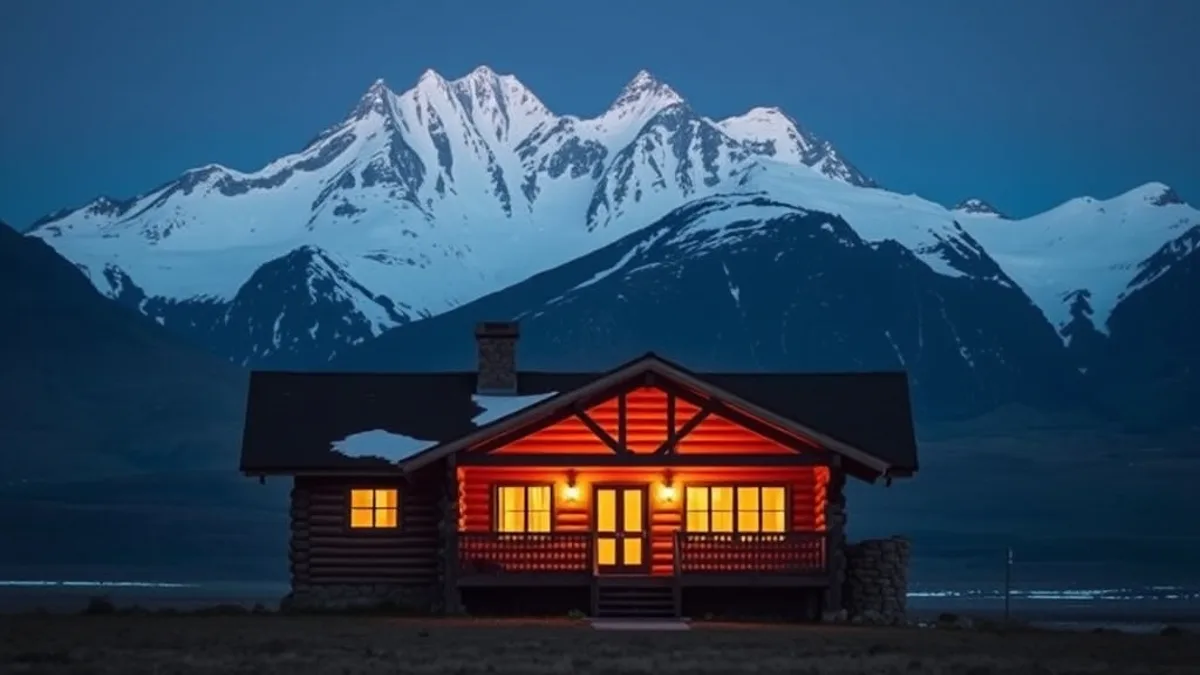
El Chaltén and El Calafate: The Argentine Side
El Chaltén is the hiking base for Mount Fitz Roy, and it’s built for walkers. Many lodge stays here are walkable to the trailheads, including the route to Laguna de los Tres, the classic viewpoint beneath Fitz Roy. You can wake up, lace your boots and be on the trail within minutes, which is exactly what you want on a short trip.
El Calafate suits glacier-focused trips, above all to Perito Moreno, and it works as the region’s transport hub with an airport and regular bus connections. It sits about 220 km (3 hours) from El Chaltén, so moving between the two costs you most of a day.
How to split your nights
A common and sensible plan is 2-3 nights in El Calafate plus 3-4 nights in El Chaltén. That covers both the glacier side and the trekking side without rushing either, and it keeps long transfers to a minimum.
Timing matters for booking too. Shoulder-month stays in November or March are easier to secure and noticeably cheaper than January, when Argentine and international vacationers compete for the same rooms. If your dates are flexible, shifting by a few weeks can make a real difference to both availability and price.
The Lake District: Bariloche and Villa La Angostura
Northern Patagonia around Bariloche offers a milder, more lodge-and-lake experience than the far south. Instead of granite towers and glacier walls, you get alpine lakes, coihue and lenga forest, and chocolate shops in town. The weather feels gentler too, and the whole region runs on a more relaxed rhythm that suits travelers who want scenery and comfort in equal measure.
Villa La Angostura, about an hour from Bariloche along the lake shore, is the pick for quieter bases. It sits at the start of the Seven Lakes route toward San Martín de los Andes, one of the most scenic drives in South America. Lodges here tend to be small, wood-and-stone properties surrounded by forest, many with lake views and private docks. It works well for travelers who want to skip the busier streets of Bariloche while staying within easy reach of its restaurants and airport.
Year-round appeal
The Lake District stays open year-round, which sets it apart from the far south. Summer brings hiking, kayaking, fishing and swimming beaches on the lakes, while winter turns the area into a ski destination centered on Cerro Catedral above Bariloche, one of the largest ski resorts in the Southern Hemisphere. If your dates fall between May and September, this is the Patagonia region where you have the most lodge options without worrying about closures.
Rates here are generally lower than Torres del Paine, with comfortable lodges often from $120-300 per night. Even lakeside properties with spas and full board tend to undercut equivalent lodges near the park, so your budget stretches further.
How to Choose and Book Your Patagonia Lodge
With several strong regions to choose from, the booking process becomes much easier once you decide what your trip is actually about. A lodge that is perfect for a glacier-focused itinerary will frustrate a serious trekker, and vice versa. Work through these steps in order before you pay anything.
- Define your priority and match the base to it. Trekking points to El Chaltén or Torres del Paine, glaciers to El Calafate, lake scenery to Bariloche. If you want two priorities, plan a split stay rather than compromising on one base that serves neither well.
- Book early for peak dates. For December-January trips, reserve as far ahead as your chosen lodge allows, especially inside or near Torres del Paine, where the small number of in-park properties sells out first and prices climb as availability drops. If your dates are flexible, waiting longer is usually only realistic in the quieter months.
- Scrutinize what the rate covers. Check whether rates include meals and transfers, since remote lodges can add significant costs for both. A nightly price that looks reasonable can grow substantially once you add full board and a paid shuttle from the nearest town.
- Verify services in shoulder season. In shoulder months, ask about reduced services or partial closures before paying a deposit. Some lodges drop their restaurant, spa or shuttle in quieter weeks, and you want that in writing rather than discovered on arrival.
Once these boxes are ticked, request written confirmation of exactly what your rate includes and what the cancellation terms are. Weather in Patagonia can disrupt plans, so flexible booking conditions are worth a small premium, particularly on longer lodge stays. It also pays to confirm how the lodge handles delayed arrivals or missed connections, since a missed transfer in a remote area can otherwise leave you scrambling for a last-minute alternative at short notice.
What a Patagonia Lodge Stay Should Include
Not all lodges in Patagonia are set up for the realities of the region, so it pays to look past the lobby photos before booking. The wind is the defining feature of the far south, with gusts commonly over 50 km/h on exposed trails during the windy season, and a lodge that handles that well will shape your whole stay. Prioritize properties with solid insulation, drying rooms for wet gear and reliable heating, because damp boots and cold rooms are the two complaints that come up most often from guests.
Food logistics matter just as much. Trail days here typically start early to beat the wind and the crowds, and a lodge that cannot feed you at 6:30 am becomes a real problem by day three. Beyond that, a few practical features separate the lodges that hikers return to from the ones they don’t:
- Gear storage between treks. Useful when you’re doing multi-day routes and want to leave the bulk of your luggage behind rather than carry it point to point.
- Trailhead shuttles. In Torres del Paine especially, trailheads are spread across a park far too large to walk between, and a shuttle can save an hour or more each morning.
- Local guide contacts. A lodge that can connect you with vetted guides for ice treks or remote sections adds safety and saves you arranging it from abroad.
Size is the final filter. Small properties with 10-30 rooms usually deliver the remote-lodge atmosphere better than large resort-style builds, with communal dinners, staff who know the trails personally, and a quieter feel at the end of a long day outside. If atmosphere matters to you, ask how many rooms a property has before you book.
Wrapping Up Your Patagonia Lodge Plan
Patagonia rewards a little planning, and the difference between a great lodge stay and a frustrating one usually comes down to two choices: where you base yourself and when you go. Aim for November or March if you want the best mix of mild weather, lower prices and lodges that still have space. December and January work too, but expect crowds, stronger winds and rates at the top of the range.
Match your base to your priority: El Chaltén and Torres del Paine for trekking, El Calafate for glaciers, and Bariloche for a gentler lake-and-forest trip. Whatever you choose, book peak-season lodges 6-12 months out, especially near Torres del Paine, and confirm winter opening before committing to anything between May and September. If this helped you plan your trip, leave a comment or share the article with a fellow traveler.