Many travelers pack their binoculars away in November, assuming winter shuts down wildlife viewing. The truth is the opposite: for certain animals, cold months are when sightings are best. Wolves stand out against snow, red deer descend to lower ground, and macaques huddle in steaming hot springs. The key is choosing the right winter wildlife watching lodges and timing your trip around animal behavior rather than fighting the season.
This guide walks you through everything you need to plan that trip. We explain why winter is prime time for wildlife, compare the best lodge destinations from the Scottish Highlands to the Japanese Alps, and break down month-by-month timing so you know when to go. You will also find practical advice on choosing a lodge with genuine guiding expertise, what to expect from booking lead times and nightly rates, and packing tips that keep you comfortable in the field. By the end, you will know exactly where to point your winter binoculars.
Why Winter Is Prime Time for Wildlife Watching
Winter does something remarkable to wildlife: it concentrates it. As deep snow blankets the high country, elk, bison and deer move down to lower valleys where wind-blown grasses and shrubs stay reachable. Instead of animals scattered across hundreds of square kilometers of summer range, you find them gathered in predictable pockets along rivers and open meadows. For anyone staying at a lodge near a reserve, that means far better odds of stepping outside and actually seeing something.
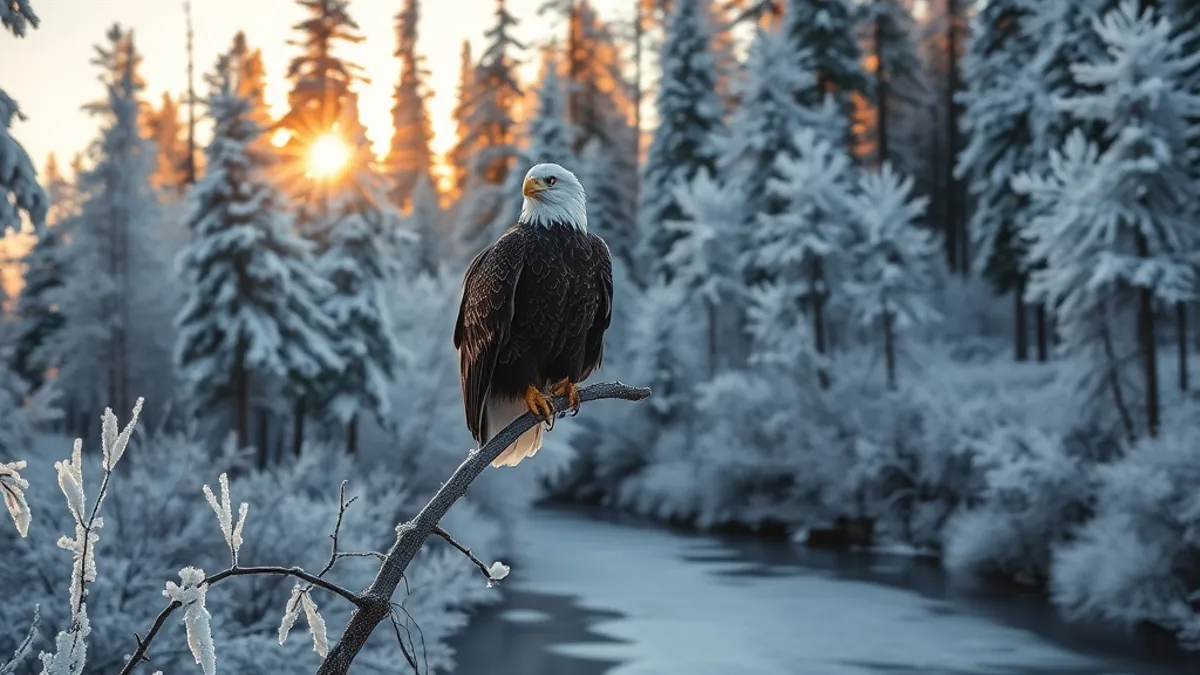
Visibility works in your favor, too. Summer foliage can hide a herd of deer twenty meters from the trail; winter strips that cover away completely. Bare branches and a fresh snow background turn every dark body into a clear silhouette, often visible from hundreds of meters away with binoculars. Even small movements, like a marten bounding between trees or an eagle shifting on a branch, stand out sharply against the white.
Fewer people, wilder encounters
The third advantage is the quiet. Winter visitor numbers drop dramatically in most parks, so trails and viewpoints that feel crowded in July are often empty. Shy species respond to that calm. Wolves, moose and martens are all more likely to show themselves when roads are quiet and human traffic is light. With fewer vehicles and voices around, animals behave more naturally, and you get longer, closer looks at behaviors you would rarely witness in peak season.
Best Destinations for Winter Wildlife Watching Lodges
Heading already exists
A handful of destinations stand out for winter wildlife, and each pairs well with a specific type of lodge. Some deliver snow-covered drama with wolves and bison; others offer milder walking conditions with deer, eagles and seabirds. Matching the destination to the species you most want to see is the smartest first step.
Yellowstone and neighboring Grand Teton top the list for sheer winter spectacle. Once most park roads close to regular cars in early November, snowcoach and snowmobile tours become the main way in, running from mid-December to mid-March. That window is when wolves hunt across the white expanses of the Lamar and Hayden valleys, and when bison and elk stand steaming against the snow, often just meters from the road.
The Scottish Highlands around Loch Lomond and Loch Ness offer a very different mood: brooding lochs, forested glens and fewer visitors. Red deer are the headline act in the colder months, golden eagles patrol the ridgelines, and lochs and coasts fill with wintering birdlife. Lodges here tend to be cozy country houses and small inns rather than resort-style properties.
Japan’s Japanese Alps near Hakuba combine skiing country with one of the world’s most charming wildlife experiences: the snow monkeys of nearby Jigokudani, which bathe in natural hot springs when the season peaks from December through February. The valley also holds good winter birdlife, from tits and finches to occasional raptors.
Olympic National Park in Washington State is the mildest option. Its temperate rainforest and coastal stretches stay accessible all winter, with temperatures typically around 4-10°C. Roosevelt elk graze the mossy forest floors, and the shoreline is a reliable place to scan for seabirds and marine mammals.
- Yellowstone snowcoach routes matter: tours into the interior typically depart from gateways such as West Yellowstone and the park’s north entrance, so pick a lodge near the departure point rather than the nearest town on the map.
- Highland estates often sit on working land: some Scottish lodges neighbor managed deer forests, meaning red deer may be visible from the grounds themselves — ask before booking a dawn drive.
- Jigokudani is a day trip from Hakuba: the monkey park involves a forest walk on snowy trails, so allow most of a day and confirm transport options, which run on winter schedules.
- Olympic has three distinct zones: rainforest valleys, hurricane ridge country and Pacific beaches each hold different wildlife, so a centrally located lodge makes it easier to cover more than one area in a short stay.
When to Go: Month-by-Month Timing
December is arguably the smartest month to book a winter wildlife lodge trip. Early snowfalls push animals down from high ground and concentrate them in valleys and along river corridors, so sightings start strong well before the peak season. Better still, the holiday rush has not yet arrived, which makes the first weeks of December some of the best value of the entire winter. If your dates are flexible, this is the window where lower rates and good wildlife viewing overlap most comfortably.
The deep-winter trade-off: January and February
January and February deliver the most reliable sightings of the season, but they also demand the most from you. Deep snowpack holds bison, elk and wolves in predictable valley locations in Yellowstone, and in the Japanese Alps the snow monkeys are at their most settled in the hot springs of Jigokudani. The trade-off is cold: in Yellowstone, temperatures often sit between -15 and -25°C, and wind can make it feel harsher still. Book these months well ahead, pack properly, and you will be rewarded with the winter’s best wildlife drama.
March is the quiet achiever. Daylight stretches noticeably longer, giving photographers golden-hour windows that simply do not exist in January, and returning migrant birds add a fresh layer to the experience. Crucially, snow still holds wildlife in the valleys, so the concentrated sightings of midwinter continue even as conditions soften. For travelers who want strong viewing without the deepest cold or the highest prices, early-to-mid March is hard to beat.
How to Choose the Right Lodge for Wildlife Watching
Location is everything. The best winter wildlife lodges sit inside a park or reserve, or within about 30 minutes of the boundary. Early morning and dusk are the top sighting windows, and a lodge an hour away means you spend the golden hours in a car instead of watching a valley fill with elk.
Not all lodges are built for this kind of trip. Ski resorts may have cozy rooms, but their activity programs revolve around lifts and slopes. What you want is an operation that treats wildlife as the main event, not an afterthought. Some lodges in Yellowstone, for example, partner with snowcoach operators so guests can reach the park interior once roads close to regular cars.
Room choice matters more than most travelers expect. Ask for accommodation facing open meadows, rivers or valleys rather than parking lots. Many winter lodges report sightings directly from the property — deer grazing at first light, eagles over a river — and a good window turns breakfast into a viewing session.
Finally, check winter access before you book anything. Some lodges scale back dramatically in the cold months, running reduced kitchens and limited housekeeping, and others close entirely between November and April. A phone call or email to confirm what is actually open in your travel week will save you an unpleasant surprise at check-in.
- Ask who does the guiding. In-house naturalists can identify tracks, calls and behavior on the spot, and their knowledge often matters more than the lodge’s star rating.
- Confirm what “open” means. A lodge can accept winter bookings while its restaurant, hot tub or shuttle runs on a reduced schedule, so get specifics in writing.
- Look at sightlines on a map. A lodge bordered by forest on one side and a river or meadow on the other gives you two different wildlife habitats from one base.
- Match the lodge to the species. A coastal property suited to seabirds and elk, like the one covered in our review of a lodge in Olympic National Park, is a very different pick from a snowbound wolf-watching base in Yellowstone.
Booking Lead Times and Costs
Winter lodge trips reward early planners. For most destinations, reserving 3-6 months ahead is enough for regular winter weeks outside the holidays. Yellowstone-area lodges and properties in the Japanese Alps are the exception: for January-February dates and holiday weeks, many need 6+ months of lead time, and the most sought-after rooms can be gone before autumn even starts.
Rates swing widely depending on the week. In shoulder weeks, nightly prices at wildlife-focused winter lodges typically land around $150-250. During Christmas, New Year and peak February, expect $400-600+ per night at the same properties, sometimes more where demand is intense.
How to Cut Costs Without Losing Sightings
The good news for flexible travelers is that the price curve and the wildlife curve don’t peak together. Traveling in early December or mid-March can cut costs by 30-40% compared with holiday weeks, while viewing stays strong: early snow concentrates animals in December, and March brings longer daylight and returning migrants. Booking those weeks is the easiest saving you’ll make all trip.
One more tip: once you’ve picked your dates, book the guided tours at the same time as the room. Winter excursions often have limited seats, and the lodges that fill first are the ones whose guests planned the whole package in advance.
Packing and Field Tips for Winter Wildlife Trips
Winter wildlife trips are cold-weather trips first, and packing wrong is the fastest way to ruin one. The standard approach is layering: a merino base layer against your skin, insulating mid-layers, and an insulated outer shell on top. For Yellowstone-level cold, waterproof boots rated to -20°C are worth the investment — cold feet end outings earlier than any other gear failure.
Optics matter just as much as clothing. Winter animals are usually spotted at a distance, across open valleys and snowfields, so decent glass is non-negotiable. Binoculars around 8×42 are a good all-round choice, and photographers should bring a lens of at least 300mm to get usable shots of distant wildlife.
Timing and etiquette round out the field skills. Plan your days around dawn and dusk — guides consistently report the majority of wolf, eagle and deer sightings happen within two hours of sunrise or sunset. And keep your distance: 25 meters from deer and elk, 100 meters from predators. It protects you, and animals that aren’t stressed behave naturally, which is what you came to see.
- Bring hand warmers and spare batteries. Cold drains camera and phone batteries quickly, and keeping spares in an inside pocket keeps your gear alive through a long dawn vigil.
- Add a thermos and high-energy snacks. Guiding outings often run two hours or more in freezing conditions, and warm drinks make the waiting far more pleasant.
- Wear muted, neutral colors. Bright jackets can push wary animals further away, so greys, browns and greens pay off with shy species.
- Pack traction devices for your boots. Simple ice cleats slip over regular footwear and make icy trails and lodge paths far safer after overnight freeze.
Planning Your Winter Wildlife Lodge Trip
Winter is one of the best-kept secrets in wildlife watching. From December through March, cold weather concentrates animals in predictable places, snow makes them easy to spot against open landscapes, and quiet trails mean better odds with shy species. The key is matching the destination to the animals you want: Yellowstone for wolves and bison, the Scottish Highlands for red deer and golden eagles, the Japanese Alps for snow monkeys, or Olympic National Park for elk in a mild rainforest setting.
Once you know where and when, the rest comes down to preparation. Book your lodge 3-6 months ahead, choose one close to the park boundary with proper guiding, and build your days around dawn and dusk outings. Get those pieces right, and winter may well become your favorite season for wildlife. Have you watched wildlife from a lodge in winter? Share your experience in the comments or pass this article along to a travel partner.