Puglia villas come in two very different shapes, and choosing between them trips up most first-time visitors. Do you book a fairy-tale trullo with its conical roof, or a sprawling masseria with a pool and space for the whole family? And once you’ve settled that, which part of the region should you actually base yourself in? The Itria Valley, the Salento and the area around Bari all offer something different, and the wrong match can mean long drives or missed beach days.
This guide sorts it out. We start by comparing trulli and masserias so you can match the stay style to your group, then work through the best regions to base yourself in, when to book and what villas cost, how to get there and around, the practical checks to make before paying a deposit, and the day trips worth building your week around. A short planning summary at the end pulls the whole decision together.
Trulli vs Masserias: Choosing Your Puglia Villa Style
Puglia’s two signature villa styles could hardly be more different, and knowing which suits your group saves a lot of frustration later. Trulli are the small, whitewashed stone houses with distinctive conical roofs that dot the countryside around Alberobello and the Itria Valley. Staying in one is genuinely atmospheric: you sleep under a vaulted stone ceiling that has stood for generations, and the interiors often hide surprising character behind thick walls.
The trade-off is space. Most trulli were built as farm outbuildings, not family homes, so bedrooms tend to be compact and living areas modest. That makes them a great fit for couples, and workable for a family of four, but squeezing two adults and three children into a single trullo usually leads to a holiday of negotiated bedtimes.
Masserias: space for the whole group
Masserias are the opposite proposition. These former farm estates have been converted into villas that often sleep 8-14 guests, with multiple bedrooms, generous grounds and usually a private pool. If you’re traveling with another family or organizing a milestone birthday with friends, a masseria gives everyone room to spread out without feeling on top of each other.
There’s also a middle ground worth knowing about: converted trulli clusters, where several restored trulli on one property share a pool and outdoor space. These give you the character of trullo bedrooms with the pool and gathering areas of a masseria, and they suit groups of six or so who want both.
Whichever style you choose, expect the thick stone walls to keep interiors naturally cool even in high summer. The catch is air conditioning: in older restorations it can be patchy or absent in the original trullo rooms, so check what’s actually installed before booking if you’re sensitive to heat.
Where to Base Yourself: Itria Valley, Salento and the Coast
Puglia is a long region, and where you base yourself shapes every day of your trip. The four main villa areas each suit a different kind of traveler, so start by deciding whether your priority is scenery, beaches, town evenings or nature.
The Itria Valley is the postcard Puglia most people imagine: rolling countryside scattered with trulli, whitewashed towns and dry-stone walls. Staying here puts you within easy reach of both coasts, so you can alternate beach mornings with village afternoons. It’s the classic choice for a first visit.
The Salento peninsula, down around Otranto and Gallipoli, is the pick for beach-first trips. You trade some of the trulli scenery for some of the best swimming water in Italy, and the beaches sit roughly 1-1.5 hours south of the Itria Valley if you want to visit from a northern base.
Base yourself near Bari or Monopoli and you get the best of both convenience and atmosphere: working towns with good restaurants for evening strolls, plus a short drive from the airport. The Gargano in the north is the quieter, greener option, better for hiking and nature than for hopping between towns.
- Monopoli’s old town gives you a real working port town for evening walks, with restaurants and bars that stay lively beyond the summer season.
- The Gargano national park offers forest trails and cliff-top walks, so pack hiking shoes rather than just swimwear if you base here.
- Gallipoli’s island old town sits right on the water, meaning you can walk from a beach morning straight into a seafood lunch.
- Otranto’s harbourfront combines a swimmable beach with a compact historic center, handy for Salento bases without a car for evenings.
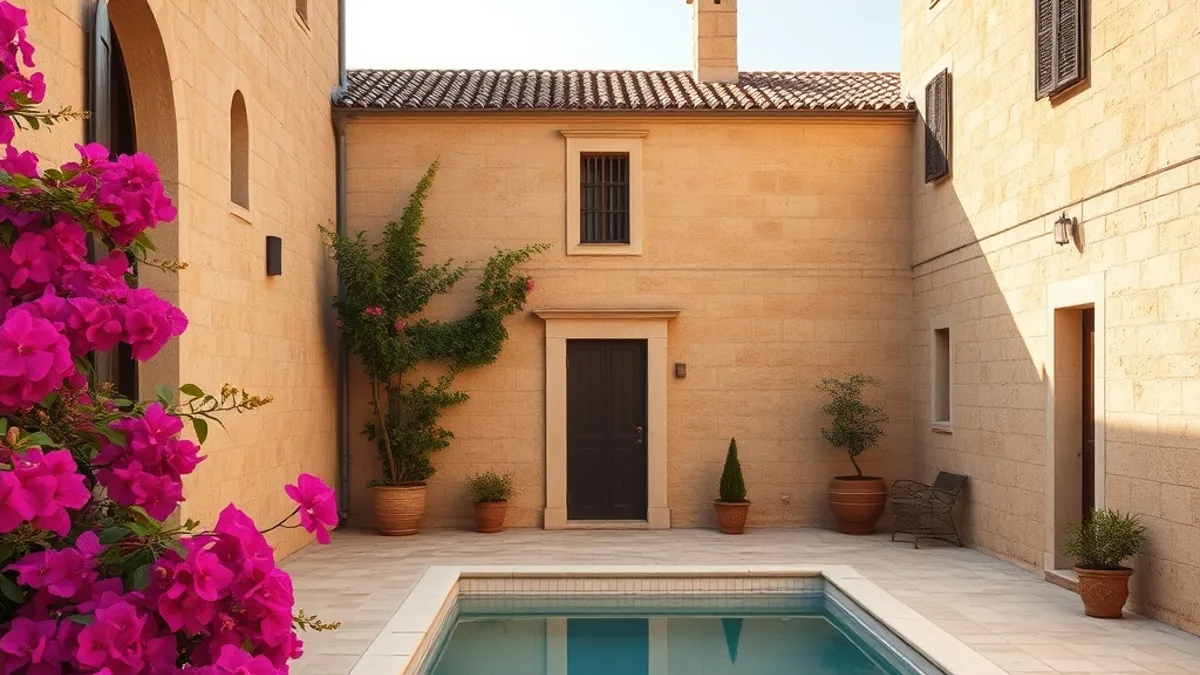
When to Book Puglia Villas and What They Cost
Villa prices in Puglia swing widely with the season, and timing your booking around that swing is the easiest way to save hundreds of euros. In general, expect roughly €900-€4,000 per week depending on the size of the property and when you travel.
Peak season rates
Peak season runs from mid-June to early September, and this is when the top properties command their highest rates. Larger masserias with private pools typically hit €2,500-€4,000 per week in July and August. The weather is at its most reliable, the sea is warm, and the pool becomes the center of the day, which is exactly what you’re paying the premium for.
Shoulder month value
The shoulder months of May, June and September are where the value lies. Weekly rates for comparable villas typically drop to €900-€1,800, the sea is still warm enough for swimming, and the restaurants and beaches are noticeably less crowded. September in particular is a sweet spot: the summer heat has eased but the water is at its warmest.
Whichever window you target, book early for peak season. The best-located villas with the most attractive pools are typically reserved 6-9 months ahead, so a January or February booking for the following summer gives you the widest choice rather than the leftovers.
One practical note on peak-season rentals: July and August lets often run Saturday-to-Saturday with a minimum one-week stay. If you can only manage five nights, you’ll usually need to look at shoulder months or smaller properties instead.
Getting There and Getting Around
Most villa areas in Puglia sit within a 30-90 minute drive of one of the region’s two main airports: Bari in the north and Brindisi in the south. Both receive regular flights from major European cities, especially in summer, so it’s worth comparing routes and fares before deciding which airport works best for your base. A villa near Monopoli might be an easy hop from Bari, while a Salento masseria could put Brindisi much closer.
Whichever airport you land at, plan on hiring a car. Rural properties are exactly that: rural. Villages, beaches and restaurants are rarely walkable from a masseria surrounded by olive groves, and even trulli clusters in the Itria Valley usually need a short drive to reach a decent supermarket or a table for dinner. Book your car well ahead for summer trips, as availability tightens in July and August.
Roads and driving times
The SS16, Puglia’s main coastal motorway, links the major bases along the Adriatic side, and smaller coastal roads connect the rest. Distances look short on the map, but progress can be slow: country lanes between the olive trees are narrow, and you’ll often find tractors or locals who know every bend better than you do. Build in extra time rather than trusting the fastest route your app suggests.
If you’d rather skip driving for a day, trains link Bari with the Itria Valley towns, including stops useful for reaching Alberobello, Locorotondo and Martina Franca. It’s a handy option for a day trip without navigating car parks in small historic centers, though for the full stay a car remains essential.
What to Check Before You Book
Puglia villas photograph beautifully, but stone buildings that are centuries old can hide quirks that only appear once you’re unpacked. A few questions to the owner or agent before you pay the deposit will save you disappointment, especially if you’re traveling with children or planning to spend every day by the pool.
Start with the practicalities of the location itself. Rural masserias offer peace and space, but that seclusion has a trade-off: some sit 20 or more minutes from the nearest town, which turns every dinner out or grocery run into a proper outing. Ask for the actual driving distance to the closest restaurant and shop, not just the nearest town name.
- Confirm the pool opening dates. Some rural pools only open from May or June, which matters if you’re traveling in the shoulder season and the pool is the main reason you booked.
- Ask whether trulli bedrooms are interconnecting. These houses were built as small family dwellings, so children may end up in a separate cone-shaped room across the courtyard rather than next door.
- Request recent renovation photos, particularly of bathrooms. Older stone buildings vary widely in plumbing quality, and a listing photo from several years ago may not reflect the current state.
- Check what’s included in the rate, such as linen changes, mid-stay cleaning or heating, since extras are sometimes charged locally.
Finally, read recent guest reviews with these points in mind. Patterns in feedback about water pressure, air conditioning or isolation tell you far more than a single glowing comment, and owners are usually happy to answer specific questions honestly.
Day Trips from Your Puglia Villa
One of the joys of a Puglia villa stay is that the region’s highlights are compact enough to reach on easy day trips. From most bases, you can be wandering a whitewashed old town in the morning and swimming off a rocky cove by afternoon, as long as you plan your routes sensibly.
Towns and coastline
Ostuni, the famous white city, makes an easy half-day trip from the Itria Valley or the Bari-area coast, with its hilltop old town glowing in the afternoon light. Further south, Lecce rewards a full day: its baroque center is one of the finest in Italy, and the city comes alive in the early evening, so consider staying for dinner rather than rushing back. On the coast, the cliffs of Polignano a Mare are a quick trip from most northern bases, while the beach stretch between Otranto and Gallipoli gives Salento-based visitors their pick of sandy coves and clear water.
Slower days in the countryside
Not every outing needs a destination. The olive grove drives around the Itria Valley are an attraction in themselves, with ancient, twisted trees lining roads between trulli. Pair a slow loop with a lunch stop in Martina Franca, where the old town’s airy piazzas make a relaxed base for a long midday meal.
Whatever you choose, keep day trips within about 1.5 hours of your base. Puglia’s summer heat makes long car journeys tiring, and an hour spent on a slow country lane is an hour not spent by the pool. Spread your outings across the week and leave a few days for simply enjoying the villa.
Planning Your Puglia Villa Stay
Puglia’s villa options can feel confusing at first, but the choice becomes simple once you match the stay to your group. Trulli suit couples and small parties who want atmosphere, while masserias sleeping 8-14 guests are the natural pick for larger groups who want space, a pool and room to spread out.
Then pick a base that fits your priorities: the Itria Valley for scenery and trulli country, the Salento for beaches, or the Bari area for convenience and quick airport access. Book 6-9 months ahead if you’re traveling in peak season, and aim for May, June or September if value and quieter surroundings matter most. If this guide helped you plan your trip, leave a comment or share it with your travel companions.