A river view sounds dreamy, but water-adjacent lodges come with noise, humidity, insects and seasonal risks most guests only discover after check-in. The river that looked calm in the booking photos can roar after snowmelt, and that charming ground-floor room may smell of damp by morning.
This guide walks you through what actually matters before you book one of the many riverside lodges out there. We cover why staying near water is different from any other kind of stay, how to time your trip around water levels and mosquito season, how to choose the right room, and how to book smart with deposits and cancellation terms. You will also find packing advice, tips for making the most of on-site river activities, and a quick checklist to run through before you confirm. A little preparation turns a risky booking into one of the most memorable stays you will ever have.
Why Riverside Lodges Are Different From Other Stays
Proximity to water changes everything about a lodge stay, and not always in the ways you expect. Humidity is higher, insect life is more abundant, and ground-level damp can creep into rooms and furniture. Add the constant sound of moving water, and the whole character of your stay is shaped by the river outside your window.
Water levels swing dramatically by season. The postcard river you saw online may arrive as a rushing torrent in spring or shrink to a dry, stony bed in late summer. Neither is wrong, but if you have a specific image in mind, you need to know what the river typically does in the month you plan to visit.
Location trade-offs in valleys and floodplains
Riverside lodges often sit in valleys or floodplains, which is exactly why the views are so good. That geography has practical consequences, though. Access roads can be narrow, steep or prone to closure in wet weather, cell signal is frequently weak in river valleys, and emergency planning matters more than at a roadside hotel. Before booking, ask how the lodge handles road access in heavy rain and whether staff have procedures for emergencies. A good lodge will have clear answers.
Timing Your Stay: Water Levels, Seasons and Insects
Timing shapes a riverside stay more than almost any other decision. On many Northern Hemisphere rivers, high-water and flood-risk season runs roughly March to June during snowmelt. If you want calm water views, avoid that window: high water means churning currents, murky water and sometimes closed riverside paths. River noise is loudest in spring, when water volume is at its peak, so light sleepers should take note before they commit to a room near the water. The same meltwater that fills the river beautifully can also turn a gentle stream into something far more dramatic, so photographs from a lodge’s website may not match what you see in person.
Summer brings a different challenge. Peak mosquito activity near slow-moving rivers and wetlands typically falls between June and August, so pack repellent and check whether the lodge has screened terraces. May and September are the sweet spot: lower rates, moderate water levels and fewer insects all line up in these shoulder months, which is why returning guests often aim for them.
- Ask about river-dependent facilities. Riverside walkways, swimming spots and jetties can be off-limits during high water, so confirm what will actually be usable in your month.
- Check sunrise and sunset timing. In autumn, shorter days mean you may want earlier dinners if the lodge’s terrace is where you plan to spend evenings.
- Consider water temperature. Even when the air is warm in early season, snow-fed rivers stay cold, which affects swimming, paddling and fishing plans.
One more booking note: autumn foliage stays near famous river valleys sell out 6-9 months ahead, so if you want October color, book early rather than hoping for a late cancellation. Popular foliage weekends in well-known river regions can be fully committed before summer even ends, and last-minute availability tends to be limited to less desirable rooms. A flexible midweek date gives you a better chance of finding space than a fixed weekend.
Choosing Your Room: Views, Noise and Ground Level
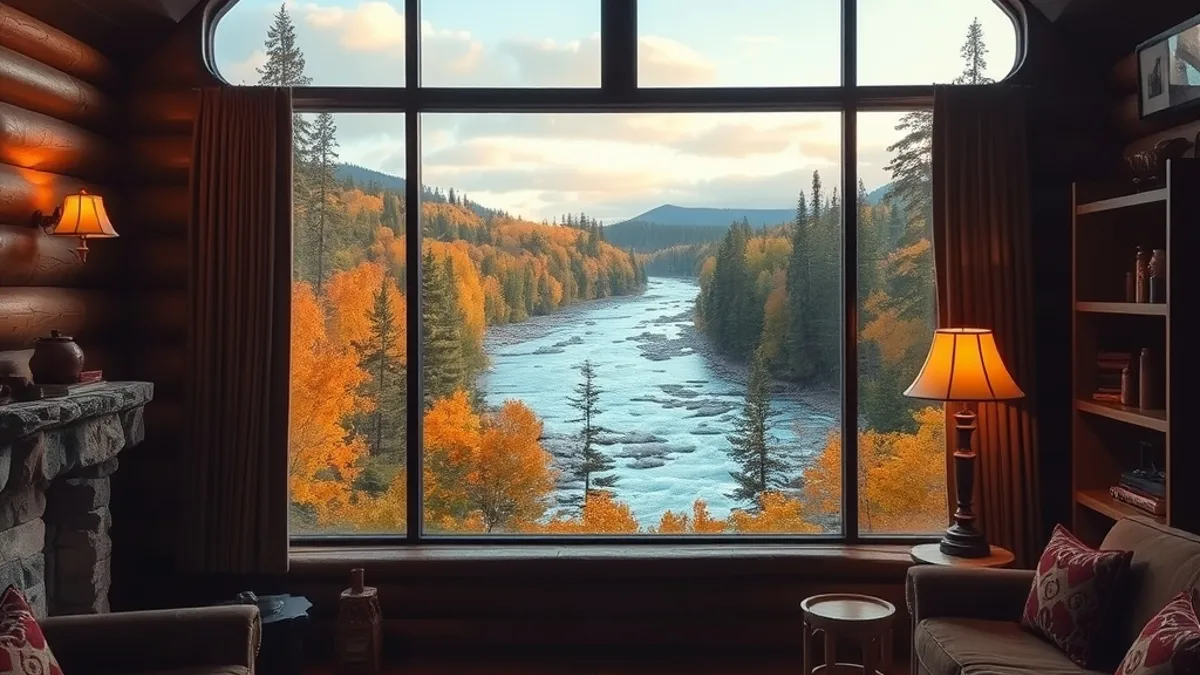
River-view rooms typically cost 15-30% more than garden or rear-facing rooms, so decide honestly whether you will actually sit and look at the water. If your days are filled with walks, paddling and excursions, a garden view at a lower price may suit you perfectly. If the view is the whole point of the trip, the premium is usually worth it.
Whatever you choose, confirm what “river view” means in the room description. Partial views over the car park are a common disappointment, and a quick email to the lodge can save you the letdown.
Ground level, damp and floods
Request a room at least one floor above ground level in river valleys. This protects you in flood-prone areas and helps you avoid the ground-floor damp and insects that come with waterside locations. Upper floors also tend to feel fresher after humid nights.
Water noise and room position
Rooms facing rapids or weirs hear constant water noise, which some guests love as natural white noise and others find exhausting over several nights. Ask the lodge which side is quieter. Corner rooms or end-of-wing rooms often get both a river angle and more privacy, making them the best compromise if they are available when you book.
Booking Smart: Lead Times, Deposits and Cancellation
Riverside lodges are small by nature. River frontage is limited, and the rooms that actually sit over the water are usually a handful within a much larger property. For summer stays, that means the true waterfront rooms disappear first, so plan to reserve 3-6 months ahead rather than hoping for a late opening.
Cancellation terms deserve a slow, careful read. River regions occasionally see flood-related access closures, and lodges handle these very differently: some offer refunds or free rebooking, others treat bad weather like any other cancellation. Ask directly what happens if the access road floods, not just if you cancel for personal reasons.
Before you pay a deposit, get precise about the wording in the room description. Partial views over the car park, or a distant sliver of water between two buildings, are a common disappointment. Ask whether the river is directly in front of the room, how far away it is, and whether trees or terraces block the line of sight.
Access is the last thing to check. Some riverside lodges sit on narrow lanes where parking is a walk away, and luggage transfer may involve a cart, a staff member or a long drag over gravel. A quick question at booking saves a frustrating arrival.
- Ask for room numbers or photos of the specific waterfront rooms, since two rooms with the same label can face very different stretches of water.
- Request written confirmation of the deposit schedule, as some lodges take a second payment closer to arrival for high-demand summer dates.
- If you are traveling with someone who has limited mobility, ask whether the luggage transfer route involves steps, gravel or a slope before you commit.
- Check whether the lodge charges a separate fee for river activities or equipment, since these sometimes sit outside the room rate and deposit.
What to Pack and Prepare for a Waterside Lodge
Riverside air feels different from inland air, and your packing list should reflect that. Evenings and early mornings are cooler and more humid than you might expect, even in summer, so bring layers you can add and shed easily. Quick-dry clothing earns its place too: damp air means slow drying, and a riverside walk often ends with wet hems or spray.
If your stay falls in June through August near slow-moving water or wetlands, insect repellent and closed shoes are not optional extras. Mosquitoes are most active around dawn and dusk, exactly when you will want to sit on the terrace. Closed shoes also help on riverbanks, where ground stays soft and muddy long after rain.
Water and electronics make an unhappy pairing. Days on or beside the river involve spray, splashes and the occasional dropped phone, so waterproof bags or cases are worth the small packing space they take.
Finally, sort your navigation before you lose signal. River valleys frequently have weak mobile coverage, and the last place you want to discover this is when you are trying to find the lodge or a trailhead. Download offline maps for the whole area before you travel.
- Pack a spare dry bag or zip-locks for documents and chargers, since one waterproof case rarely covers everything a waterside day throws at you.
- Bring a small microfiber towel: it dries fast in humid air and handles wet feet, dogs or spray-damp seats.
- A headlamp or small flashlight helps on unlit riverside paths after dinner, when evening wildlife watching often runs later than planned.
- Consider a light rain shell even in a dry forecast, since valley weather can shift quickly and river mist settles in the mornings.
Making the Most of the River: Activities and On-Site Perks
A riverside lodge is more than a room with a view, and the activities on offer can make or break the stay. The key question to ask before booking is simple: which activities does the lodge arrange itself, and which are handled by third-party operators? Lodge-run canoeing, fishing sessions or guided walks usually mean easier scheduling and one point of contact. Outsourced activities often require separate booking, separate payment and separate cancellation terms, which matters if weather forces a change.
Where the view actually lives
Not every seat at a riverside lodge faces the water. At many properties, only a handful of terrace chairs, hot tubs or dining tables get the direct river outlook, and the rest look inward or toward the garden. Ask which communal areas face the water, and whether the popular spots fill up at breakfast or sunset. If the view matters to you, a river-view room with its own seating can be worth the premium.
The sunrise advantage
Early morning is prime time for wildlife on rivers. Herons, kingfishers, deer coming down to drink and the mist lifting off the water all happen before most guests are awake. Plan at least one sunrise walk, even if you are not an early riser; set the alarm, walk for thirty minutes and return for a late breakfast. It is often the single most memorable hour of the trip, and the quiet river belongs almost entirely to you.
Quick Checklist Before You Confirm
A river view sounds dreamy, but lodges near water come with quirks that tend to catch travelers by surprise once the door closes behind them: constant water noise, damp ground floors, hungry insects and rivers that look nothing like the photos. A few smart questions before you pay the deposit can make the difference between a magical stay and a soggy disappointment.
The short version: aim for May or September, when rates drop, water levels are manageable and insects are less active. Book three to six months ahead for summer stays, confirm exactly what “river view” means, and request a room at least one floor above ground level. Pack for humidity and bugs, and read the cancellation terms carefully before you commit. Have you stayed at a riverside lodge, or are you planning one now? Share your experience or questions in the comments below.