Barbados, Antigua and St Lucia all promise turquoise water and rum punches, yet they deliver three very different resort experiences. This Caribbean resort guide breaks down what each island actually feels like on the ground, so you can match your trip style — and your budget — to the right sand.
We compare the islands head to head, then dig into where to base yourself on each one: Barbados’ Platinum Coast, Antigua’s beach strips and marinas, and St Lucia’s dramatic Pitons country. You’ll also find guidance on the best time to book, what nightly rates look like in practice, and a quick recap to help you decide. By the end, the choice between polish, beach variety and scenery should feel a lot less complicated.
Barbados, Antigua or St Lucia: How the Three Islands Really Differ
Ask three travelers to pick between these islands and you’ll often get three different answers, because each one excels at something distinct. Barbados is the polished choice: well-paved roads, dependable services and a west coast famous for calm, swimmable water year-round. If you like the idea of renting a car and exploring the whole island in a day, Barbados is the easiest of the three to drive around.
Antigua rewards beach collectors. The island is famous for having 365 beaches, one for every day of the year, and the pace of life around its yacht harbors is noticeably slower and saltier. You can wake up on a different stretch of sand every morning without repeating yourself on a weeklong trip.
Scenery versus infrastructure
St Lucia is the dramatic one. The Pitons rise around 2,600 and 2,400 feet above the sea, rainforest covers the interior, and many resorts are built specifically to frame those views. It’s the classic honeymoon island, with a more rugged, romantic feel than its neighbors.
Weather won’t decide this for you. All three islands share the same December-to-April dry-season window, so conditions are broadly similar when it matters. The real decision comes down to landscape and vibe: polished and easy (Barbados), beach-hopping and relaxed (Antigua), or scenic and romantic (St Lucia).
Resorting in Barbados: The Platinum Coast and What to Expect
Barbados’ resort story starts on the west coast, in the stretch known as the Platinum Coast. Between Holetown and Speightstown you’ll find the island’s highest concentration of high-end, beachfront properties, all sitting on water that is famously calm and swimmable. If your ideal day is stepping off your lounger into glassy sea, this is the strip to book.
The south coast plays a different role. Around St Lawrence Gap, resorts trade serenity for nightlife, waves and generally lower prices. It’s a good fit if you want bars and restaurants within walking distance and don’t mind a bit of surf on your beach.
Getting around is easy
One of Barbados’ biggest practical advantages is its dining scene, widely considered the most reliable of the three islands. Resorts and restaurants are close together, so dinner usually means a short taxi hop rather than a long transfer. You can eat somewhere different every night without much planning.
The island’s compact size helps too. Any resort is within roughly an hour’s drive of the airport and Bridgetown, so arrival day is relaxed and day trips are simple. Whether you stay on the Platinum Coast or the south coast, you’re never far from the action.
Resorting in Antigua: 365 Beaches and Where to Base Yourself
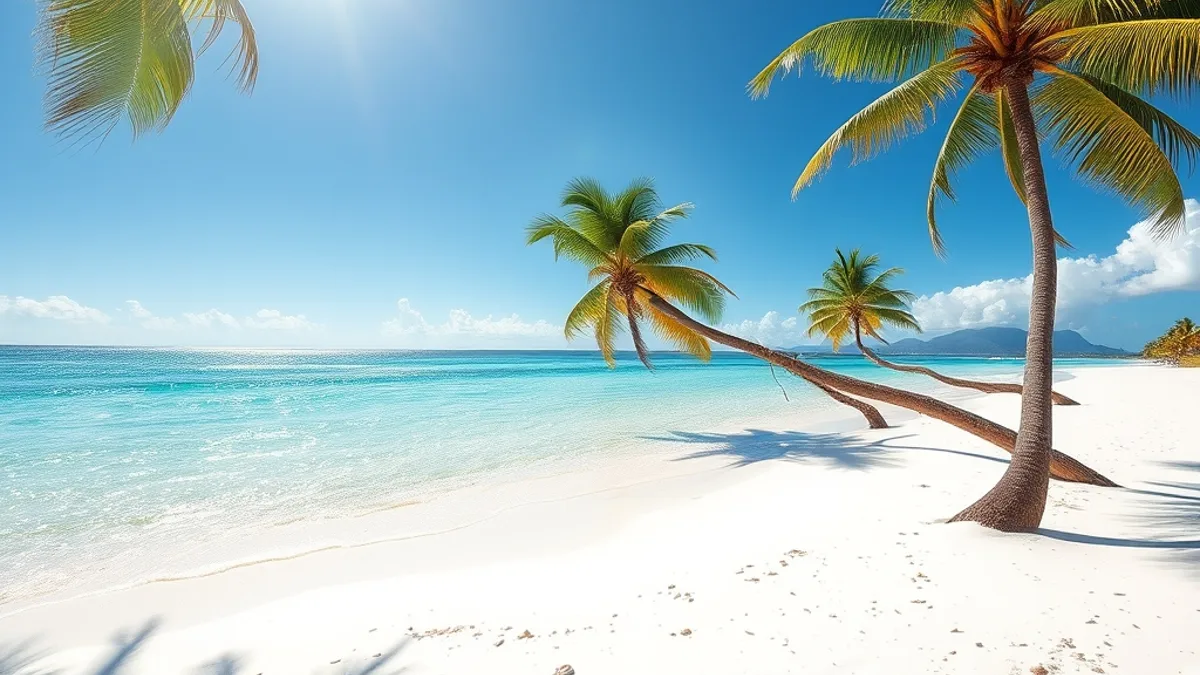
Antigua’s headline claim is famous: 365 beaches, one for every day of the year. In practice, that means picking a resort here is really about choosing which stretch of coast you want to call home, because each area has its own distinct personality. The good news is that the main bases sit reasonably close together, so you can sample more than one during a week without much effort.
Dickenson Bay, just up the road from the capital St John’s, is the classic choice: a long sweep of sand lined with resorts, backed by water-sports operators and beach bars. It’s the liveliest, most convenient beach strip on the island, and a good match for travelers who want amenities on their doorstep rather than a long drive to dinner.
Choosing your base
Jolly Harbour and the south-west coast offer a different rhythm. This is marina country, where villa-style resorts sit around calm bays and boats come and go all day. It suits travelers who like a bit of self-catering flexibility or want to be near sailing activity and evening strolls along the docks.
- All-inclusive dominance: A large share of Antigua’s resorts are all-inclusive, which works well if you don’t plan to leave the property daily — meals, drinks and activities are bundled into one rate, making the trip easy to budget.
- English Harbour heritage: On the south side, English Harbour adds centuries of sailing history, hillside viewpoints and a quieter, more atmospheric stay away from the main beach strips.
- Beach variety as an activity: With so many bays within a short drive, beach-hopping itself becomes part of the trip — many visitors rent a car for a few days just to tick off different coves, each with its own feel.
If you want simplicity above all, an all-inclusive base near a calm bay is hard to beat — you can land, unpack and let the resort handle the rest. If you’d rather explore, pick a spot with easy road access and treat the resort as your anchor rather than your whole trip. Either way, check what your chosen area offers before you book, because moving between coasts takes more time than the map suggests on winding island roads.
Resorting in St Lucia: Pitons, Rainforest and Honeymoon Energy
St Lucia is the drama queen of the three islands, and nowhere shows it better than the south-west coast between Soufrière and the Pitons. This is where you’ll find the most scenic resorts on the island, many of them adults-oriented and built to make the most of those jungle-covered peaks rising straight out of the sea. If your trip is a honeymoon or an anniversary, this is the stretch of coast people have in mind.
Choosing your base
Head to the north-west instead and you land in Rodney Bay, the livelier side of the island. Here you get a longer beach, a marina, restaurants and bars within walking distance, and noticeably more mid-range options. It’s a better fit if you want to eat out every night rather than dine at your resort.
One thing to understand before booking: St Lucia’s beaches are volcanic, so you’ll encounter black sand and mixed-sand stretches, and swimming quality varies a lot by location. Some resort beaches are calm and lovely; others have stronger surf or darker sand than the postcards suggest. Check the specific beach at your property, not just the resort photos.
What really sets St Lucia apart from Barbados and Antigua are the on-island add-ons. Rainforest ziplines, sulphur mud baths and sunset sails along the Pitons give you activity days you simply can’t replicate on a flat coral island. Build at least one or two into your stay.
When to Go and How Far Ahead to Book
The good news is that all three islands share the same weather pattern, so you don’t need to choose your destination based on climate. December to April is the driest, most reliable beach window everywhere, which is exactly why it’s also the busiest and most expensive period. If you’re locked into a winter escape, expect crowds around the holidays and book restaurants at your resort well in advance.
If your dates are flexible, look hard at the shoulder months of May and November. Rates typically drop by 20-30% compared with high season, and conditions are mostly good, with only a modest increase in rain risk. Seas are usually still warm and swimmable, flights are often easier to find, and resorts feel quieter. For many travelers this is the smartest value window of the year, especially if you’re staying a week or longer and want to stretch a mid-range budget further.
Whichever month you pick, booking lead time matters more in the Caribbean than on most beach trips. The best rooms go first, so plan well ahead for high season.
- Pitons-view rooms sell out earliest. On St Lucia, suites angled toward the peaks are the scarcest category, and the same applies to direct beachfront rooms on all three islands.
- Six to nine months is the sweet spot. Booking that far ahead typically secures both the room category you want and better rates than last-minute reservations in high season.
- June to November is the greener, cheaper alternative. Landscapes are lusher and prices lower, but this overlaps with hurricane season, so keep an eye on tropical forecasts and check your resort’s cancellation terms before committing.
What Each Island Costs: Nightly Rates and Trip Budgets
Caribbean resort pricing is broadly similar across the three islands, which is helpful: your island choice should be about landscape and vibe, not the nightly rate. In high season, mid-range resorts run roughly $300-600 per night on Barbados, Antigua and St Lucia alike, so the real budget question is which category of room you want and how you plan to eat.
The top end of the market
Luxury is where the gaps open up. Direct beachfront suites on Barbados and overwater-view rooms in St Lucia typically range from $800 to $1,500+ per night, with Pitons-view categories at the very top of that band. If those rates feel steep, remember that the shoulder months of May and November often bring noticeably lower nightly prices with mostly good conditions, and booking well ahead is what secures the best high-season rooms and rates.
Antigua deserves a special note on budgeting. Many of its resorts are all-inclusive, which simplifies planning since meals, drinks and often water sports are bundled in. The trade-off is that all-inclusive rates often price above comparable room-only stays on Barbados, where you’d pay separately for the island’s excellent restaurant scene. Run the numbers for your own travel style: if you’d eat every dinner at the resort anyway, the bundle can work out fine, while foodies who want to explore local restaurants may prefer room-only and paying as they go.
Finally, don’t forget flights. Direct flights take about 4.5-5 hours from the US East Coast or around 8-8.5 hours from London, so factor those fares into your total trip budget alongside the nightly rate. Fares swing considerably by season, so it’s smart to price the whole package, flights plus room, before committing to one island over another.
Picking Your Island: A Quick Recap
So which island is right for you? If you want polish, calm west-coast swimming and easy logistics, Barbados is the safe and satisfying choice. If collecting a different beach every day, strolling marina towns and keeping things simple with an all-inclusive sounds like your kind of trip, Antigua will fit you well.
If dramatic scenery, rainforest and a honeymoon-feel escape top your list, St Lucia delivers in a way the other two cannot. On all three islands, December to April is prime season, so book 6-9 months ahead for the best rooms and rates. Wherever you land, you are choosing between three genuinely wonderful options — tell us in the comments which one you would pick, or share this guide with a travel partner.