Iceland glamping sounds like a dream: falling asleep under a glass roof while the northern lights swirl overhead, or hiking at midnight under a sun that refuses to set. The problem most travelers run into is timing and location. Book a dome in July and you’ll never see the aurora. Book a canvas tent in January and you may spend the night wishing for better insulation.
This guide sorts it out for you. We’ll compare the midnight sun season against aurora season, break down the best regions from the South Coast to North Iceland, and explain which stay types suit each time of year. You’ll also learn how to vet a site before booking, when to reserve and what to budget, plus what to pack and how to behave when the lights appear. By the end, you’ll know exactly where to go for the sky show you want.
When to Go: Midnight Sun vs Aurora Season
Iceland gives you two very different sky shows, and they don’t overlap. If endless daylight is what you’re after, aim for mid-May to late July. During this stretch the sun barely dips below the horizon, and around the June 21 solstice you can hike, soak in a hot spring or drive a gravel road at 11 p.m. in full daylight. Road trips feel effortless because you’re never racing the dark, and campsites and glamping sites stay bright and mild through the night.
Aurora season explained
Northern lights hunting runs on the opposite calendar: roughly September to mid-April. You need real darkness, which summer simply can’t provide. The season peaks around the equinoxes, when solar activity tends to be strong, and September-October and February-March offer a nice bonus: milder weather than deep winter, with roads that are usually easier to drive than in January storms.
Shoulder seasons also reward your wallet. In September and late April, rates at many glamping sites dip below peak summer prices, yet you still get long enough nights for a solid chance at the lights. If you’re flexible, these months deliver the best mix of value, drivable conditions and dark skies. Check current availability early either way, since the best-positioned domes fill fast.
Best Regions for Iceland Glamping
Iceland is small enough that you can reach remarkable landscapes from Reykjavik, but each region has its own personality. The South Coast is the easiest entry point: sites near Selfoss and Vik put waterfalls and black-sand beaches within a 1-3 hour drive of the capital, and the Ring Road makes most glamping sites reachable within a similar window of Reykjavik or major towns. If you’re curious how glamping compares abroad, this review of a lakeside glamping resort in Italy shows what a different climate does to the experience.
West Iceland and the Snæfellsnes peninsula trade convenience for atmosphere. Lava fields stretch toward a dramatic coastline, and because the peninsula sits away from Reykjavik’s glow, skies here run darker once the sun goes down. North Iceland is the purist’s choice, and each region rewards a different kind of traveler:
- South Coast: summer stays here let you chase waterfalls like Seljalandsfoss and Skógafoss late into the bright evening, when tour buses have thinned out and the light turns golden.
- Snæfellsnes: the glacier-capped Snæfellsjökull volcano anchors the peninsula, giving you a striking foreground for aurora photos over coastal cliffs and black-pebble shores.
- North Iceland: around Akureyri and Lake Mývatn you’ll find geothermal areas, pseudo-craters and remote sites with genuinely low light pollution, ideal for aurora hunters who don’t mind extra driving.
If aurora is your priority, the farther from town lights you book, the better your odds. Clear, dark skies away from town lights give the best chances, and cloud cover remains the main obstacle wherever you stay.
Stay Types: Domes, Glass Cabins and Luxury Tents
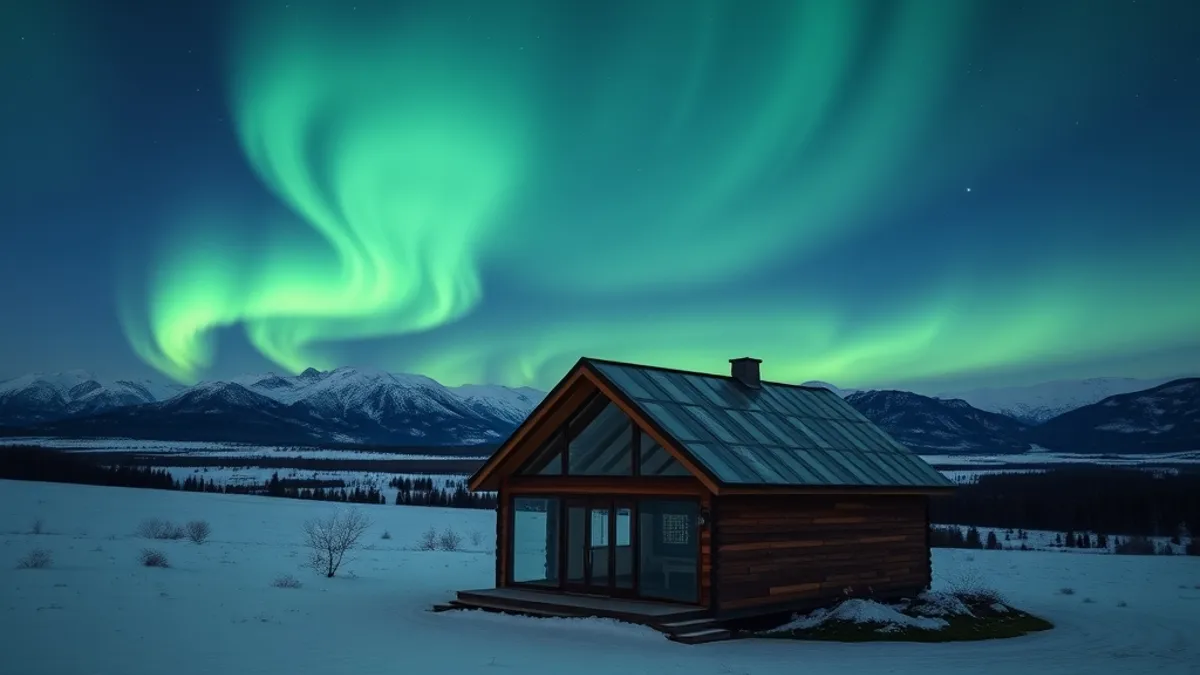
The stay type you pick shapes the whole trip, especially in winter. Geodesic domes and glass-roofed cabins are the aurora-season stars: their transparent panels let you watch the northern lights swirl overhead from bed, wrapped in a duvet while the wind howls outside. Canvas safari-style tents, on the other hand, shine in summer. The midnight sun keeps nights bright and mild from mid-May to late July, so a well-ventilated tent feels like luxury rather than a test of endurance.
Winter changes the calculus entirely. A thin canvas roof that felt charming in July becomes a liability when temperatures drop and storms roll through. Before booking a cold-season stay, check the specs carefully, and look for these comfort features:
- Heated floors: the single best upgrade for winter domes and cabins, keeping the space warm from the ground up instead of relying on a small space heater that struggles overnight.
- Insulated panels: double-glazed or layered wall and roof sections hold heat far better than single-layer fabric, and they cut down on condensation dripping onto your bed.
- Private bathrooms: in January, walking across an icy path to a shared washhouse at 2 a.m. loses its charm fast; an en-suite bathroom is worth the premium.
A few operators also add hot tubs or outdoor soaking tubs with views of the sky, which pairs beautifully with an aurora forecast. Whatever you choose, confirm the heating situation directly with the host before you commit to a winter night.
How to Spot the Best Iceland Glamping Sites
Before you fall in love with photos of a glass-roofed dome, pull up a light pollution map and check the surrounding area. A site sitting far from Reykjavik or any sizable town will give you far darker skies than one on the edge of a settlement, and open horizons matter more than any hot tub when the aurora starts dancing. Look at the property’s surroundings on satellite view: you want no mountain wall blocking the northern sky and no glow from a nearby village.
Recent reviews are your best friend, especially ones written between October and March. Scan them for comments about heating reliability, whether roads were plowed after snowstorms, and how the host handled weather-related cancellations. A dome that looked magical in August can be a miserable experience if the heater fails on a January night or the access road is impassable. If reviewers mention long gravel tracks, ask the host directly about winter access before booking.
What’s Actually Included in the Rate
Glamping rates in Iceland typically run from around $200 to $600 per night depending on season and setup, so compare what comes with that price. Some sites include breakfast, private bathrooms, or wood-fired hot tubs; others offer aurora wake-up calls when the lights appear, or airport and town transfers that save you a rental car. Two sites at the same price point can deliver very different value, so read the inclusions list carefully and factor in what you would otherwise pay for separately.
Booking Windows and Budgeting
Timing your booking matters as much as picking the site itself. For summer midnight-sun stays, reserve 4-6 months ahead; the best canvas tents and riverside sites fill quickly once the season is announced. Aurora-season domes and glass cabins are scarcer and more sought after, so plan on 6-9 months of lead time for the most popular winter properties, especially around the equinoxes when aurora activity tends to peak.
Your budget will shift with the season, and the premium properties tend to be the ones with hot tubs and glass roofs. Those extras are usually worth it in winter, when you can soak outside while watching the sky, but they also book out first. If you want a slower, lake-based alternative to consider for another trip, this guide to glamping on the Masurian Lakes shows how a calm-water setting changes the whole rhythm of a stay.
A smart structure for an Iceland itinerary is to pair a Reykjavik base with 2-3 rural nights. The city handles your arrival logistics, restaurants and day tours, while the rural stretch puts you under genuinely dark skies for your best aurora chances. Most glamping sites sit within 1-3 hours of Reykjavik or major towns thanks to the Ring Road, so you won’t lose a full day to driving.
A few practical moves help the plan come together:
- Split your budget accordingly: city hotel nights in Reykjavik often cost less than a glass-roofed dome, so spending more on the rural nights stretches your total further.
- Book the rural segment first, since aurora-season domes sell out fastest, then build your Reykjavik dates around them.
- Check whether your rural site requires a 4×4 in winter; if so, factor that vehicle upgrade into your rental budget or ask about host transfers.
- Watch for midweek availability, which is often easier to secure than weekends when locals and short-break travelers compete for the same domes.
Packing and Aurora Etiquette
Summer in Iceland is a packing puzzle of a different kind. With the midnight sun keeping things bright around the clock from mid-May to late July, a good eye mask is non-negotiable if you want to sleep. Pack layers you can add and shed as the weather swings, plus a waterproof shell for the showers that roll through even on sunny days. Warm nights are not guaranteed, so a light fleece or midlayer belongs in your bag even in July.
Gearing Up for Aurora Nights
Winter aurora watching rewards preparation. Bring a tripod if you want anything beyond blurry green smears in your photos, and pack spare batteries, since cold drains them fast. A headlamp with a red-light mode is courtesy as much as gear: white light ruins night vision for everyone around you, and your fellow guests will thank you for keeping it dim. Insulated boots and hand warmers make long waits outside far more pleasant.
When the forecast matters, look at cloud cover first. Aurora forecasts tell you how strong the activity might be, but a thick cloud deck hides even the best display, while a modest show under clear skies can be spectacular. Check cloud predictions for your area, and if your site offers flexibility, be ready to shift your aurora night to whichever evening looks clearest during your stay.
Your Iceland Glamping Trip at a Glance
So where should you sleep to catch Iceland’s wildest light shows? Start with the season, because everything else follows from it. If the midnight sun is your target, plan your stay around the summer solstice in late June, when daylight stretches nearly around the clock and canvas tents feel genuinely comfortable. If the aurora is the goal, the window from early fall through early spring is your friend, with the weeks around the equinoxes historically delivering strong odds.
Next, match your region and stay type to that season: a glass-roofed dome for winter aurora watching from bed, a safari-style tent for bright, mild summer nights. Book well ahead, since the most popular domes fill months in advance, and expect nightly rates that vary widely by season and setup. Above all, prioritize dark skies away from town lights and reliable heating, then pack for the light conditions you’ll actually face. If this helped you plan your trip, leave a comment or share the article with a fellow traveler.