Choosing between the Algarve and Madeira is a classic Portugal dilemma: one offers a long stretch of southern coastline with sandy beaches, the other a dramatic volcanic island with cliffs, levada walks and laurel forests. This Algarve vs Madeira villas comparison breaks down how the two destinations differ, so you can match your villa stay to the trip you actually want, whether that’s beach days with the family or hiking trails wrapped in green mountains.
We’ll cover the core difference between the two, the best seasons for each, and where to base yourself in both the Algarve and Madeira. You’ll also find typical villa prices and how far ahead to book, plus practical notes on flights and getting around once you land. By the end, you should have a clear sense of which Portuguese villa stay fits your travel style, your budget and the time of year you’re planning to go.
Algarve vs Madeira Villas: The Core Difference
At first glance, both promise a Portuguese villa holiday with sunshine and sea views. The reality is that they deliver two very different kinds of trip. The Algarve is a mainland beach destination at heart: its roughly 150 km of coastline is built around sand, golf courses and lively seaside towns, where days revolve around the water and evenings spill out onto restaurant terraces.
Madeira plays a completely different game. This subtropical Atlantic island trades long sandy beaches for volcanic cliffs, levada walking trails and laurel forests, and its mild temperatures make it a plausible escape at almost any time of year. A villa here is less a base for beach days and more a viewpoint over dramatic terrain.
Beach holiday versus landscape holiday
The core question is simple: do you want to spend your week on or beside the water, or in and around spectacular scenery? If your ideal day is a morning on the sand, an afternoon round of golf and dinner in a resort town, the Algarve fits naturally. If you would rather earn your views with a hike and end the day watching clouds roll over green valleys, Madeira is the stronger match.
Neither is better in absolute terms; they simply suit different travelers. Golfers, families with young children and anyone who measures a holiday by beach time will feel at home on the mainland coast. Hikers, photographers and travelers who want green landscapes and walking weather outside the typical summer season will get far more out of the island. Your villa choice should follow that answer, because everything else, from location to atmosphere, flows from it.
Best Seasons for Each Destination
The Algarve has a classic summer season, and timing matters. The sweet spots are May to June and September to October, when the sea has warmed up, the beaches are calmer and villa rates sit below the peak. You still get long, sunny days perfect for pool time and evening barbecues, but without the crush of high summer.
Algarve: shoulder seasons win
July and August bring the Algarve to life, but they also bring peak prices, packed beaches and booked-out restaurants. If your dates are fixed to school holidays, book early and expect company. Winter is a different story: the region quiets down dramatically, but many villa owners close their properties or reduce availability, so choices thin out. Check with individual owners or agencies before assuming a winter stay is possible.
Madeira: a genuine year-round option
Madeira works whenever you can go. Temperatures hover around 17-26°C through the year, so even a January villa stay means mild days, green hills and comfortable walks. The driest months run from June to September, which is the safest bet for clear levada walks and cliff-top views, though the island’s microclimates mean weather can shift from one valley to the next.
If your main goal is escaping a gray northern winter, Madeira delivers, and the Canary Islands are another strong candidate for that trip. For a broader comparison of off-season villa options, see our guide to villas for winter sun in the Canaries.
Where to Stay in the Algarve
The Algarve stretches for about 150 km along Portugal’s southern coast, and the character of your villa stay changes noticeably from west to east. The western Algarve around Lagos is where you’ll find the region’s most photographed coastline: golden sandstone cliffs, sea arches and small cove beaches that fill with turquoise water at high tide. It’s the pick for travelers who want dramatic scenery within a short drive of restaurants and nightlife.
Move toward the center of the region and the mood shifts to golf and marina living. Vilamoura is built around its large marina, with a string of golf courses nearby and plenty of apartment-style villas and resort complexes. Just east, Quinta do Lago and the surrounding estates offer some of the most upscale villa rentals in the Algarve, set among pine trees and championship courses. This is the area to choose if your holiday revolves around tee times, tennis and long lunches by a private pool.
The eastern Algarve, with Tavira as its anchor town, feels calmer and more traditional. The coastline here is made up of barrier islands and sandbars reached by short boat trips, so beaches stay uncrowded even in summer. Families with young children often prefer this stretch for its shallow, sheltered water and low-key towns.
- Lagos and the western coast: Base near Praia Dona Ana or the Ponta da Piedade headland for cliff-top walking paths and boat trips to the grottoes, which run regularly from the town’s waterfront in season.
- Vilamoura: The marina promenade puts boat excursions, water sports rentals and a wide choice of restaurants within walking distance, so you can park the car once you arrive.
- Quinta do Lago: The Ria Formosa lagoon borders the estate, offering birdwatching and calm-water swimming that appeal to travelers who want nature alongside golf.
- Tavira: The island beaches offshore are reached by passenger ferry from the town quay, a short crossing that kids tend to treat as part of the fun.
- Eastern Algarve evenings: Towns like Tavira and Olhão keep traditional Portuguese restaurant scenes going year-round, with far fewer resort-style venues than the central coast.
Where to Stay in Madeira
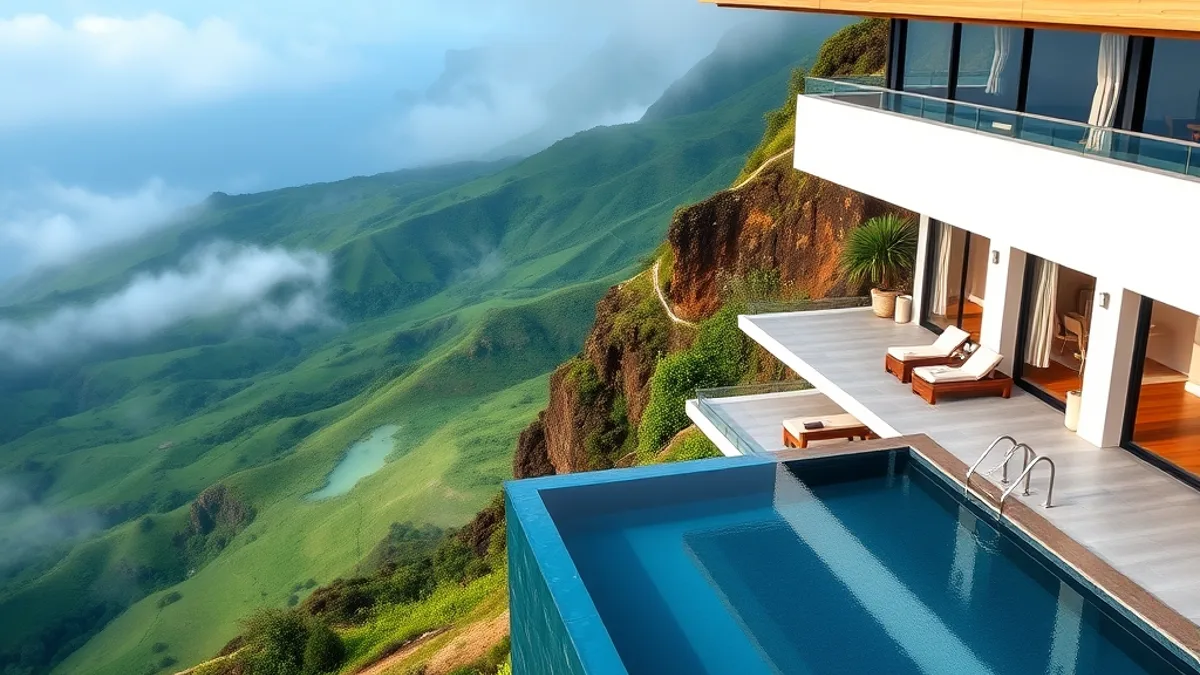
Madeira’s villa scene looks completely different from the Algarve’s. Instead of rows of beach resorts, you’ll find hillside properties with terraced gardens, ocean views and often a private pool perched above the Atlantic. Where you base yourself matters more here, because the island’s microclimates and winding roads shape your whole trip.
The capital is the practical choice for most first-time visitors. Funchal puts you within walking distance of a wide range of restaurants, the Old Town and the marina, and the airport is a short drive to the east. Villas in and around the city trade seclusion for convenience, which suits travelers who plan to eat out most nights.
If your priority is sunshine and a proper beach, look to the south-west. Calheta enjoys one of the island’s sunniest microclimates and is home to Madeira’s only golden sand beach, created artificially and sheltered by breakwaters. It’s a calmer, more residential base than Funchal.
The north coast is where the island feels wildest and greenest. Here’s a quick breakdown of the main bases:
- Funchal: Best for dining and nightlife, with harbor-view villas and easy airport transfers, plus hotels and restaurants open year-round.
- Calheta: Ideal for swimmers and sun-seekers, with the golden sand beach, a small marina and quick access to west-coast viewpoints like Ponta do Pargo.
- Santana and the north coast: Perfect for hikers, with lush valleys, the famous traditional thatched A-frame houses, and trailheads for levada walks and laurel forest routes on your doorstep.
One practical note: the north coast is remote by island standards. Stock up on groceries before you arrive, and expect a scenic but slow drive to reach restaurants in the evening.
Villa Prices and Booking Timing
Villa prices differ noticeably between the two destinations, and the gap is one of Madeira’s strongest selling points. In the Algarve, expect to pay roughly €90-350 per night depending on the season and how close the property sits to the sea. Those figures climb sharply in July and August, when peak demand meets limited supply along the most popular stretches of coast.
Madeira villas typically run €70-250 per night, which means comparable properties often cost less than their Algarve counterparts. Because the island’s villas are frequently built on hillsides, you often get more space, bigger terraces and dramatic ocean or valley views for your money. A budget that buys a modest two-bedroom apartment in Lagos may secure a spacious hillside villa with a pool in Madeira.
When to Book
Timing matters as much as destination. For Algarve summer stays, reserve 4-6 months ahead, especially if you want a villa within walking distance of a beach or a specific town like Vilamoura. The best properties book out early and rarely drop their rates last minute.
Madeira is more forgiving. For shoulder-season trips, booking 2-3 months ahead is usually enough, and the year-round mild weather means you can travel off-peak without sacrificing much. If your dates are flexible, shifting a Madeira trip by a week or two can unlock noticeably better rates than a fixed Algarve summer week.
Getting There and Getting Around
Both destinations are straightforward to reach, but the logistics differ. For the Algarve, you’ll fly into Faro, the region’s main airport. Most villa areas sit within a 20-60 minute transfer, which makes arrival day painless even with tired children or late landings. Faro also has good road links west toward Lagos and east toward Tavira.
For Madeira, you’ll fly into Funchal. The airport sits on the island’s east side, so transfers to Funchal itself are reasonably quick, but journeys to the west or north coast take longer on winding roads.
Do You Need a Car?
In the Algarve, a hire car is convenient but not essential if you base yourself in a walkable town with restaurants and beaches nearby. In Madeira, it’s a different story: the island’s steep, twisting roads make a hire car essential, particularly for north-coast stays where public transport is sparse and taxi fares add up quickly. Book a smaller car if you’re nervous about narrow lanes, and check whether your villa includes parking.
Can you combine both on one trip? The islands sit roughly 1h40m apart by plane, so it’s technically possible. In practice, though, combining them feels rushed unless you have at least two weeks. Each destination rewards a slower pace, so most travelers are better off choosing one and saving the other for a return visit.
Which Portuguese Villa Stay Fits You
So which one wins? If your ideal trip is built around sand, sea and long dinners after a day on the golf course, the Algarve is your match, especially from May to October when the beach season is in full swing. Families and golfers will feel right at home there.
If you’d rather wake up to volcanic cliffs, trade pool days for levada walks and don’t mind trading a beach for a laurel forest, Madeira is the stronger pick. It also suits off-season travelers, thanks to mild weather year-round, and your budget generally stretches further on villa rentals there. Torn between the two? Tell us in the comments which camp you’re in, or share this article with a travel partner who needs to weigh in.