Planning Alaska lodge stays can feel overwhelming for a simple reason: the state is enormous, and what you can see or do changes dramatically depending on the month. Travelers often book a lodge first and only later realize the salmon have not arrived yet, the whales have moved on, or the aurora season has not started. The result is a trip that misses the very thing it was built around.
This guide breaks the decision into two parts: where to base yourself and when to go. We compare the main lodge regions, from the mountain country around Denali to the fjords and salmon rivers of the Kenai Peninsula and the whale-watching waters of the Inside Passage. Then we walk through the seasons, including the shoulder months that save money and the winter window for northern lights. Finally, we cover how to choose and book the right lodge, so your region, timing and budget actually line up.
Why Alaska Lodge Stays Depend on Region and Timing
Alaska is over twice the size of Texas, and that single fact shapes every lodge trip in the state. Distances that look short on a map can eat up a full day of travel, so trying to sample mountain parks, coastal fjords and Arctic tundra in one visit usually means spending your vacation in transit. Picking one region as your base and doing it well beats racing across the whole state.
The lodge experience also differs sharply from region to region, and each has its own character:
- Mountain parks: big wildlife, tundra landscapes and road-based viewing near Denali.
- Coastal fjords: glacier-studded shorelines, whales and marine wildlife, best explored by boat.
- Salmon rivers: world-class fishing and bear activity concentrated along clear spawning streams.
- Tundra and remote bush: fly-in solitude and landscapes you simply cannot reach by car.
Timing matters just as much as geography. Wildlife viewing, fishing and the northern lights each have narrow seasonal windows, and those windows dictate when you should travel. Grizzlies and moose are most visible in summer, salmon runs peak in midsummer on many rivers, and the aurora only appears in the darker months. A lodge that is perfect in August may be closed or offer a completely different experience in January, so it pays to match your dates to your priorities before you book anything.
Denali and the Interior: Mountain Views and Big Wildlife
For travelers who want mountain scenery and big land mammals in one trip, the Denali area is hard to beat. The best window runs from June to early September, when the park road and the lodges around it are fully operational. Outside that stretch, many properties close and access becomes limited, so shoulder-season bargains are rare here compared with other parts of the state.
Where to base yourself
The two practical options are the town of Healy and the cluster of lodges near the park entrance. Both put you close to the road corridor, which is where nearly all the wildlife action happens. Private vehicles can typically drive only about the first 43 miles of the park road, and that corridor is exactly where grizzly bears, moose and caribou are most often spotted. Staying nearby means you can join early departures and full-day excursions without a long commute.
What the season feels like
Midsummer brings remarkably long daylight days, which is a real advantage here. With light stretching late into the evening, a guided excursion can cover far more ground than it would in a southern destination, and wildlife stays active through hours that would already be dark elsewhere. Full-day tours into the park, wildlife-focused drives along the road corridor and hikes on the tundra all benefit from those extended hours.
One practical note: Denali’s weather can change quickly even in summer, and mountain views of the peak itself are never guaranteed. Pack layers, book excursions early in your stay so you have a backup day, and check current road and shuttle access with the park before you travel, since conditions and logistics can change from year to year.
Kenai Peninsula: Fjords, Glaciers and Salmon Season
The Kenai Peninsula packs glaciers, fjords and some of the best salmon fishing in the state into a compact area, which makes it one of the easiest regions to build a lodge trip around. Seward, Soldotna and Cooper Landing are the three best lodge bases, all about 2.5 to 3 hours from Anchorage by road. That short transfer is a big advantage: you can land in Anchorage, pick up a rental car and be at your lodge the same day, without the small-plane hops that remote regions require.
Each base has a different personality. Seward sits on the coast and is the jumping-off point for boat trips, Soldotna puts you in the middle of road-accessible fishing water, and Cooper Landing offers a quieter river setting between the two.
Why July and August rule the calendar
Salmon runs peak from July to August on the Kenai Peninsula, and the effect on the whole region is dramatic. Rivers like the Kenai and the Russian fill with fish, and that abundance draws bears to the banks in numbers you rarely see outside the season. Anglers time their trips around specific runs, and wildlife photographers plan their visits around the bear activity that follows the fish upstream.
What to plan around your lodge stay
- Kenai Fjords boat trips from Seward: full-day cruises out of Resurrection Bay bring you to tidewater glaciers and waters where whales, sea otters, puffins and Steller sea lions are commonly seen.
- Russian River confluence: this well-known spot near Cooper Landing is famous for crowds of anglers and reliable bear sightings during the runs, with boardwalk viewing areas along the water.
- Roadside fishing access: much of the Kenai River is reachable without a boat or a guide, which lets independent travelers fish productive water straight from their lodge base.
- The Seward Highway drive: the route from Anchorage to Seward covers about 127 miles along Turnagain Arm and through mountains, and it is considered one of the most scenic drives in the country, so build in stops rather than treating it as a commute.
A lodge stay here works best as a hub rather than a single activity. Book a couple of days for fishing or river time, then add a fjords cruise from Seward and you cover the peninsula’s two defining experiences in one trip.
Southeast Alaska: Inside Passage Lodge Bases
Southeast Alaska, often called the Inside Passage, is the most lodge-friendly corner of the state for travelers who want water views and marine wildlife. Towns like Juneau, Gustavus and Haines serve as the main base points, each with lodges that put you within easy reach of Glacier Bay and the sheltered channels where whales feed each summer. Gustavus in particular is the gateway community for Glacier Bay National Park, making it a natural pick for travelers who want the park as their main focus.
Timing your Inside Passage stay
May to September is the practical season for Southeast lodges, since many close or scale back outside those months. If whales are your priority, aim for June through August, when humpback activity in these waters is at its most active. That is when you are most likely to see bubble-net feeding and other surface behaviors from a day boat or even from a lodge deck.
One thing to plan carefully is the transfer itself. Most Southeast lodges are reached by small plane or ferry rather than a rental car, and flights between communities can be weather-dependent. Build buffer time into your itinerary, especially if you have a connecting flight out of Juneau on your departure day. Ask each lodge how it handles transfers before you book, as some arrange pickups and some leave it to you.
Choosing Your Season: Summer, Shoulder or Aurora Winter
Alaska rewards travelers in every season, but each window offers something different. Mid-June to mid-August is the peak stretch: the weather is at its warmest and most stable, and you get 18-20 hours of daylight to fill with excursions. The tradeoff is simple. This is when everyone else travels too, so lodge rates hit their highest and availability gets tight.
If you want a quieter trip, look at the shoulders of the season. Late May to early June and late August to mid-September typically mean fewer crowds, lower prices and still-decent weather. Early in the shoulder you trade some warmth for spring conditions; in late August and September you may catch early fall colors alongside your savings.
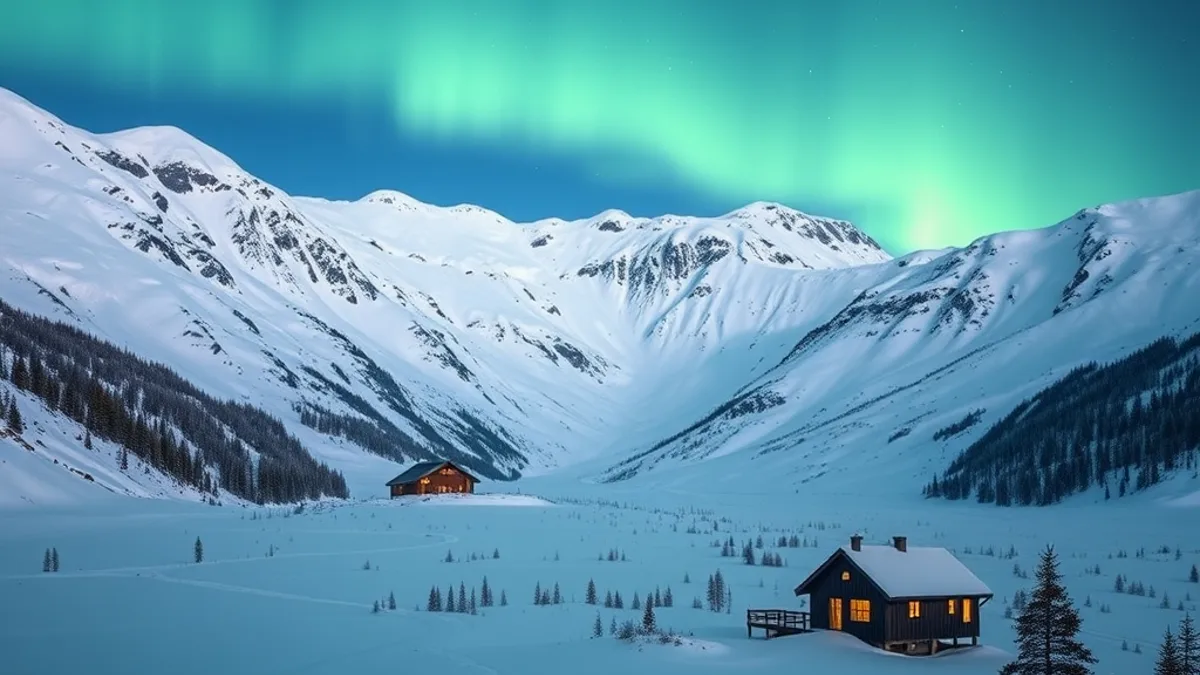
Northern lights season runs roughly from late August to April. The key is location: base yourself away from city glow, since even small towns can wash out a faint display. Clear skies matter as much as solar activity, so a several-night stay improves your odds far more than a single night.
- Aurora winter stays (roughly November through March): expect short days and cold nights, which suits snowmobiling, dog sledding and ice fishing more than sightseeing flights.
- Shoulder-season flexibility: late August can combine the tail of the aurora season with the last of the summer excursions, a rare double window.
- Booking leverage: shoulder dates often have more open rooms, giving you better pick of lodges without the 6-12 month scramble of peak summer.
Be honest about what winter lodge stays involve. They suit aurora chasers and snowmobilers, not hikers or anglers. If your dream Alaska trip involves trails or salmon rivers, stick with the warm months and plan your northern lights trip as a separate visit.
How to Pick and Book the Right Alaska Lodge
The first decision when booking an Alaska lodge is what kind of experience you actually want. Road-accessible lodges near towns or park entrances offer comfort, flexibility and the freedom to explore on your own schedule. Remote fly-in wilderness lodges deliver seclusion and spectacular surroundings, but you are committed to their rhythm, their meals and their guided activities for the length of your stay. Neither is better; they simply serve different travelers.
Compare what is actually included
Sticker prices between lodge types are not directly comparable. Remote lodges often bundle meals, guides and transfers into their rates, so a rate that looks high may cover three daily meals, guided excursions and the floatplane that gets you there. A road-accessible lodge with a lower nightly rate may leave you paying separately for rental cars, restaurant meals and tour operators. List what each property includes before you compare numbers.
On budget, expect roughly $200-600 per night in summer, with remote fly-in properties running higher. That range varies by region and by how much is bundled in, so treat it as a starting point rather than a rule.
Timing matters as much as price. Popular summer lodges fill early, so book 6-12 months ahead if you have your heart set on a specific property or a peak-season week. If you are flexible on dates or region, you can sometimes book later, but assume the best-located lodges are spoken for by spring.
Wrapping Up Your Alaska Lodge Trip
Alaska is simply too big to cover in one trip, so the smartest move is picking one region that matches what you actually want to do. Denali and the Interior suit travelers chasing mountain views and big wildlife like grizzlies and caribou. The Kenai Peninsula fits anglers and coastal explorers, especially once the salmon runs hit their stride. The Inside Passage is the pick for whale watching, when humpbacks are at their most active in summer.
Timing matters just as much as place. Mid-June to mid-August brings peak weather and 18-20 hours of daylight, along with the highest rates. The quieter weeks on either side of that stretch trade some sunshine for smaller crowds and friendlier prices, while late August to April is your window for the northern lights. Whichever combination you choose, booking 6-12 months ahead gives you the best shot at the lodges you want at a price you can live with. Have a favorite Alaska region or season? Share it in the comments or pass this along to a fellow traveler.