You found a villa at a nightly rate that seemed almost too good, booked it, and only then started wondering: does that price include electricity, water and Wi-Fi, or will a stack of meter readings and extra charges appear at check-out? You are not alone. Utility terms are one of the most commonly misunderstood parts of villa rentals, and they can swing your final cost by more than you expect.
This guide walks you through villa electricity and utility costs step by step. We cover what most rental rates already include, when electricity is metered with a weekly cap, how air conditioning and heating surcharges work in different seasons, how deposits and final bills are settled, the questions to ask before you pay a deposit, and simple habits that keep your usage down. By the end, you will know exactly which numbers to confirm in writing before you commit.
What villa electricity and utility costs usually cover
The good news is that the basics are usually already covered. In most villa rentals, water, basic electricity and Wi-Fi come bundled into the nightly or weekly rate you were quoted. You should not expect a separate bill for flushing toilets, running the dishwasher or checking your email, as long as your consumption stays within normal holiday levels.
Gas and cooking
Gas for cooking is nearly always included at no extra charge. Whether the villa runs on a bottled gas cylinder or a mains connection, the cost is so small that owners simply fold it into the rent. If the hob suddenly won’t light midweek, ask the host or local manager to sort it out rather than worrying about who pays.
Pools and gardens
Pool maintenance and garden upkeep are typically the owner’s responsibility, not yours. If a cleaner skims the pool twice a week or a gardener trims the hedges during your stay, that is part of running the villa and should not appear on your bill. What you do pay for, in some villas, is the electricity those amenities consume, especially pool heating and air conditioning. That distinction, between the service itself and the power it uses, is where most extra charges come from, and it is exactly what the next sections explain.
When electricity is metered instead of included
Not every villa includes unlimited electricity, and this catches plenty of travelers by surprise. Properties with air conditioning or heated pools often protect themselves with a weekly kWh cap, commonly 100-200 kWh per week in Mediterranean villa rentals. A family that runs the AC through the afternoon, charges devices, keeps lights on and cooks evening meals can chew through that allowance faster than you might expect. Anything you use beyond the cap is billed separately, so it pays to understand exactly how the metering works before you arrive rather than discovering it on your final bill.
- Check whether a cap exists at all. Some villas include all electricity with no limits, while metered villas set a weekly allowance. The listing or the owner should state this clearly, and if they don’t, ask directly. Get the answer in writing before you pay the deposit, so there is a record you can refer back to if a disagreement arises later.
- Attend the meter readings. Readings are taken at check-in and check-out, and these two numbers determine what you owe. Ask to see the meter yourself at both moments and note the numbers down, ideally with a photo on your phone showing the display and the date. This removes any ambiguity later and makes the final calculation straightforward for everyone involved.
- Confirm the excess rate upfront. Excess consumption is typically charged around €0.25-0.40 per kWh. That is a wide range, and the difference matters if you run the air conditioning daily, so get the exact figure confirmed before you pay anything. A vague answer here deserves a follow-up question.
- Do a midweek check. If you are staying longer than a week or running a heated pool, glance at the meter halfway through your stay so there are no surprises about how quickly you are approaching the cap.
None of this is complicated, but it relies on clarity at both ends. A host who is happy to show you the meter and quote the excess rate in advance is usually a host who bills fairly. Hesitation on either point is a signal to keep asking questions before you commit, because a fair cap with transparent terms is far easier to budget around than an unclear one.
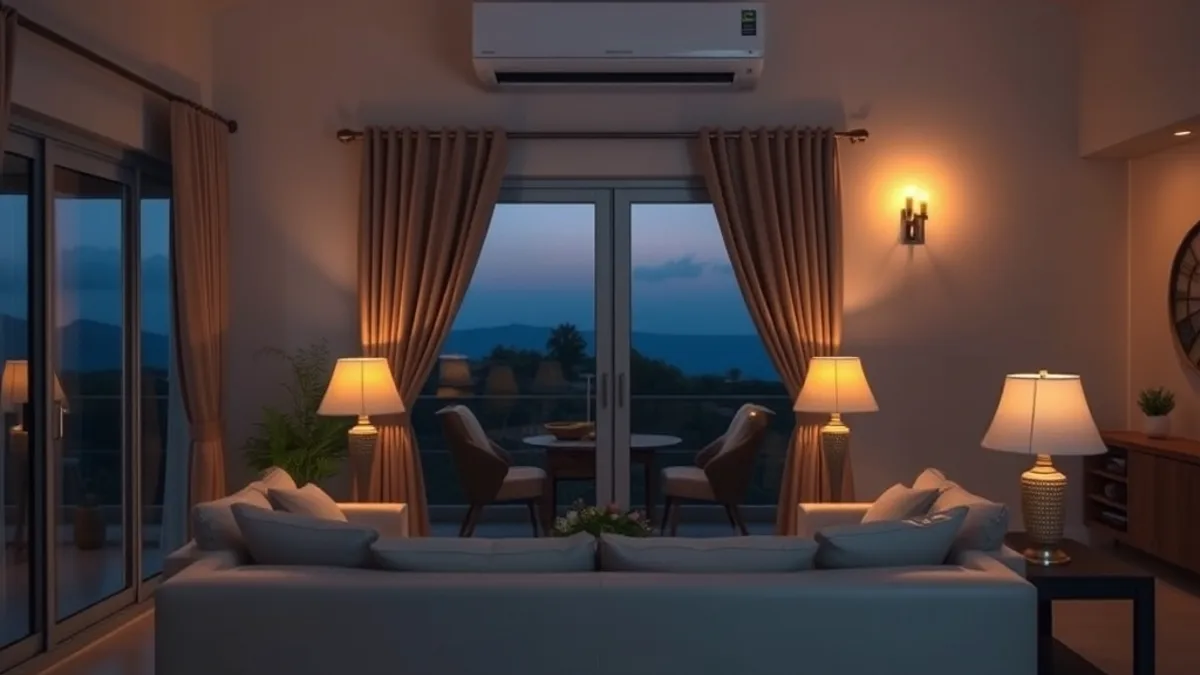
Seasonal surcharges: air conditioning and heating
Season is the single biggest factor in whether you stay comfortably under a utility cap or watch extra charges stack up. The same villa that costs nothing extra in May can generate a meaningful bill in August, purely because of how much power cooling and heating demand.
Summer: air conditioning dominates
In July and August, running the air conditioning all day can add €10-30 per day when usage is metered. Over a two-week stay, that is a real amount of money, and it is the main reason metered villas exist in the first place. Owners know that peak-season cooling is expensive to supply, so they pass part of it on rather than baking it into every rental rate.
Winter: heating takes over
Heating is the most common winter surcharge and is rarely included in the base rate. If you are traveling in the colder months, ask specifically how the villa is heated, whether by radiators, air conditioning units or a log burner, and how that usage is billed. For milder winter destinations, it is worth reading about Canary villas for winter sun, where heating demands are far gentler than in mainland Mediterranean winters.
Shoulder-season stays in May-June and September-October usually sit well under electricity caps. The weather is warm enough that you barely touch the AC, yet mild enough that heating never switches on. If your dates are flexible, shifting a week or two out of the peak months is the easiest way to make utility surcharges a non-issue.
Deposits, final bills and how utilities are settled
Most villa owners ask for a utility deposit on top of the rent, and it’s smart to budget for it from the start. The amount typically falls between €100 and €300, and it sits with the owner as security against both your final meter readings and any damage to the property. It is not an extra fee — as long as you stay within the electricity cap and leave the villa in good shape, the money comes back to you.
The settling-up usually happens at check-out. The owner or property manager reads the meter, compares it against the reading taken when you arrived, and calculates any excess you owe. This is the moment to pay attention: ask for an itemised breakdown on the spot, showing the starting reading, the ending reading, the number of units consumed and the rate applied per unit. A vague verbal total is much harder to dispute later, especially once you’ve flown home.
How you pay matters almost as much as what you pay. Keep a paper trail so your refund is documented and easy to chase if there’s a delay.
- Pay any excess charges by card where possible, since the transaction record shows the exact amount and date without relying on anyone’s memory.
- If the owner insists on cash, always ask for a signed receipt stating what the payment covers, and photograph it before you leave the property.
- Take your own photos of the meter at check-in and check-out, timestamped, so you have independent proof of both readings if a disagreement arises.
- Ask when the deposit itself will be returned — some owners refund it on the spot at check-out, while others transfer it by bank a week or two later, which affects how you plan your finances after the trip.
Questions to ask before booking
Utility surprises are almost always avoidable, and the way to avoid them is simple: get the answers before money changes hands. A few pointed questions, ideally asked in writing so you have a record, will tell you exactly what your rental rate covers and where the extra costs begin. Treat this as part of your booking routine, not an awkward extra step — reputable owners expect these questions and answer them without fuss. Owners who hesitate to put basic terms in writing are the ones worth being cautious about.
- Ask in writing whether electricity, water and heating are included in the rate, capped, or billed separately. Water is usually covered by the rent, but winter heating is the extra that catches guests out most often, so don’t assume anything about the cold months.
- Request the exact excess rate per kilowatt-hour, plus any pool-heating fee, before you pay the deposit. A rate confirmed in an email or booking message gives you something concrete to refer to at check-out if the final numbers don’t match.
- Confirm how and when the utility deposit is refunded: on the spot at check-out, or weeks later by bank transfer. Knowing this upfront helps you plan, and a slow refund is far easier to chase when you have the agreed timeline in writing.
Send these questions together in a single message so the answers arrive in one place, and file the replies where you can find them at check-out. If an owner is vague or evasive about any of them, treat that as useful information about how the end-of-stay conversation will go. A two-minute message before booking costs nothing; a disputed utility bill on your last morning costs both money and mood. Clear, written answers before you commit are the best predictor of a fair bill at the end.
How to keep villa electricity and utility costs down
Keeping utility costs down at a villa takes very little effort, and the savings can be meaningful when electricity is metered. The biggest lever is simple habit: switch off the air conditioning and pool heating whenever you leave the villa. A closed-up villa stays cool for hours on its own, especially in stone-built Mediterranean properties, so there’s no need to run the AC in an empty house all day.
Your choice of villa matters too. Properties with ceiling fans or good cross-ventilation let you keep bedrooms and living areas comfortable during much of the day without touching the AC at all. Fans use a fraction of the power that air conditioning draws, so a well-ventilated villa can keep you well under a weekly electricity cap even in warm weather.
Timing your trip helps just as much as your habits once you’re there. Shoulder-season weeks rarely push you over electricity caps, and you avoid heating surcharges entirely.
- Open windows on opposite sides of the villa in the morning and evening to flush out warm air, then close shutters against the midday sun to keep the interior cool through the afternoon.
- Run the pool heater only on the days you actually plan to swim, rather than leaving it on continuously for the whole week — heated water loses warmth overnight, so hours of heating while you’re out are wasted.
- Set the AC to a moderate temperature instead of the lowest setting; each degree colder increases consumption, and a comfortable 24-25°C feels little different once you’re indoors.
- Consider May-June or September-October for your stay: the weather is still warm enough for swimming, caps are rarely reached, and no heating surcharge applies.
Wrapping up your utility budget
So what does that tempting nightly rate actually include? In most cases, the base rent covers water, Wi-Fi and a reasonable amount of electricity, so your everyday usage is already paid for. The common extras are air conditioning in summer and heating in winter, which is where surprise bills usually come from.
Before you pay a deposit, get three numbers confirmed in writing: the meter cap, the excess rate per kWh and the utility deposit amount. If your stay falls in the hot months and usage is metered, budgeting around €10-30 per day for AC is a realistic figure. With those details settled, you can book with confidence and enjoy the villa without dreading the check-out bill. If this helped you plan your trip, feel free to leave a comment or share the article with fellow travelers.