Tuscany is huge and varied, and that variety is exactly where villa hunters go wrong. Pick a base without thinking about drive times, and you can end up spending your holiday on winding roads instead of at vineyards, or staying somewhere so remote that dinner means a 30-minute drive every night. The right choice depends on what you actually want from the trip.
This guide breaks down the three most popular Tuscan villa areas: Chianti for wine country between Florence and Siena, Val d’Orcia for the iconic rolling hills and cypress-lined views, and Lucca for walled-city comfort with countryside on your doorstep. We’ll compare what each area offers, look at what villas typically cost and when to book, and finish with practical advice on choosing your area and getting around once you’re there.
Chianti: Vineyards Between Florence and Siena
If your trip revolves around wine, Chianti is the obvious pick. This hilly stretch between Florence and Siena is one of Italy’s most famous wine regions, and the scenery is made for slow drives: cypress-lined lanes, terraced vineyards and stone villages at every turn. The SR222, known as the Chiantigiana, is the classic route, linking Greve, Panzano and Castellina in comfortable 30-40 minute hops.
One of Chianti’s biggest practical advantages is its proximity to Florence. Most of the area sits around 40-60 minutes from the city, which means you can sleep in the countryside and still head into Florence for galleries, shopping or dinner without turning it into an expedition.
What the villas are like
Expect classic Tuscan stock here: stone farmhouses and converted estates, many of them with pools and views over the vines. In peak summer, rates typically run from €300 to €1,200+ per night depending on size, setting and polish.
Your choice comes down to atmosphere. Villages like Panzano or Radda put walkable restaurants, wine bars and small shops on your doorstep, which suits travelers who want some evening life. Remote estates offer total quiet and bigger grounds, but every meal out will involve a drive.
Val d’Orcia: Wide Skies and Film-Set Landscapes
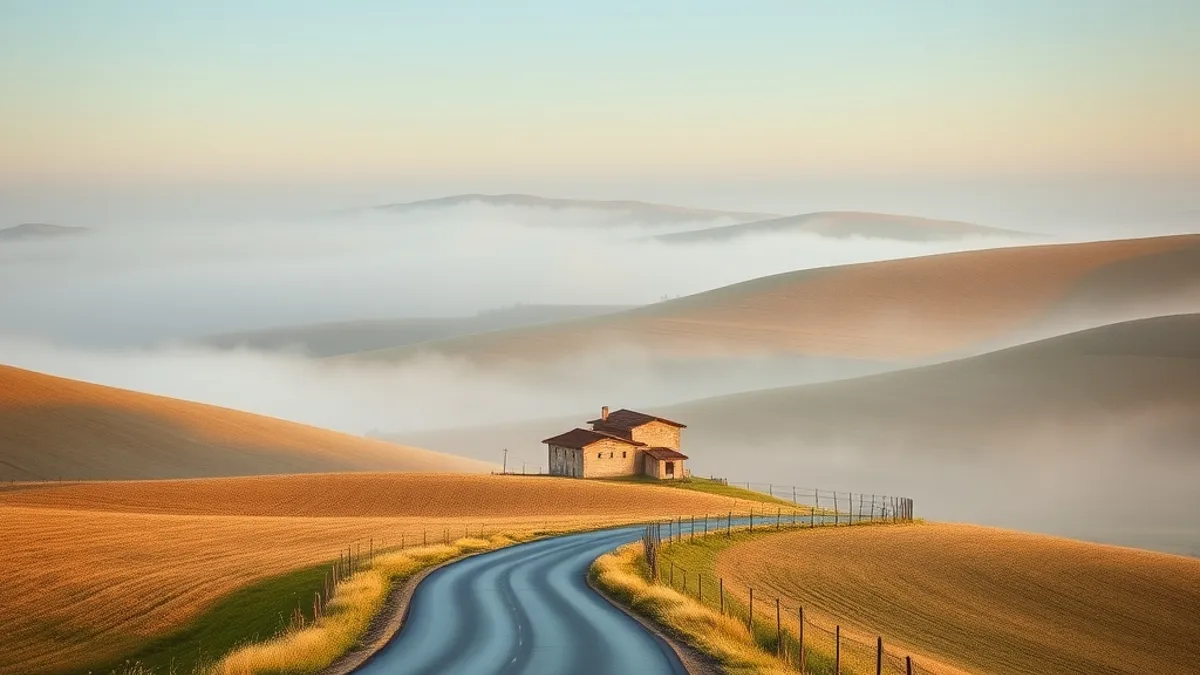
Val d’Orcia delivers the most dramatic scenery in Tuscany. Around Pienza, Montalcino and San Quirico, the landscape opens up into rolling hills, cypress avenues and hay fields that look like a film set — because, famously, they often have been one. This is the Tuscany of postcards and photographers, all wide skies and long views.
There’s a catch, though: distance. Val d’Orcia sits roughly 1.5-2 hours from Florence, so a short break doesn’t do it justice. Plan a week-long stay rather than a couple of nights, and let the area itself be your focus rather than a base for city day trips.
Who it suits best
Two types of travelers get the most out of Val d’Orcia. Wine lovers come for Brunello di Montalcino, one of Italy’s great reds, produced right here. Photographers come for the light: sunrise mist over the hills and cypress rows are the signature shots, and a villa base lets you be in position early.
Timing shapes both the scenery and your budget. The shoulder months of May, September and October bring green or golden hills, milder temperatures and rates that typically range from €150 to €600 per night — noticeably kinder than high summer. For a sense of what a villa stay can feel like in a very different setting, this beachside villa review from Nicaragua shows how much location shapes the experience.
Lucca: Walled City Comfort with Countryside Access
Lucca is the pick for travelers who want town life on the doorstep. The historic center, ringed by its famous Renaissance walls, is packed with restaurants, cafés and small shops, and the walls themselves make a perfect evening stroll. Villas in the surrounding hills put all of this within easy walking distance or a very short drive — no winding country roads before every dinner.
Easiest area for short stays
Arrival logistics seal the deal for many visitors. Lucca sits only 25-35 minutes from Pisa airport, making it by far the easiest of the three areas for short stays, late arrivals or anyone who’d rather not face a long transfer after a flight. Florence is also within reach for a day trip.
Villas in the hills
The villas themselves sit in the hills around Lucca, in areas like Monte Carlo and toward Collodi. They combine genuine garden and pool settings with quick access to the city, so you get both the greenery and the gelato. It’s a combination that works especially well for families and groups with mixed interests.
Lucca is also a practical springboard for two very different day trips: the Tuscan coast to the west and the Garfagnana mountains to the north. And compared with the Chianti roads in summer, you’ll generally share the drive with far fewer crowds.
When to Book and What Tuscan Villas Cost
Villa bookings in Tuscany run on a simple rule: the best properties go first. For a June to August stay, reserve 4-6 months ahead. The villas with the best pools, shaded terraces and vineyard views are usually gone by early spring, and what remains tends to be the priciest or the least well located. This is especially true in popular areas like Chianti, where a handful of converted farmhouses attract repeat guests year after year, and returning travelers often rebook the same property before it ever reaches the open market.
If your dates are flexible, aim for the shoulder months instead. May, September and October bring milder weather, and rates drop to roughly €150-600 per night. A 2-3 month lead time is usually enough to find good availability in these weeks, and you can often book a villa that would be out of budget in July. You also get quieter villages, easier restaurant reservations and more comfortable temperatures for sightseeing.
Peak summer rates run €300-1,200+ per night. Booking early is not just about availability — it is how you secure pools and views at the lower tiers of that range rather than paying top rates for what is left. Once you have shortlisted two or three properties, contact owners directly and ask specific questions before committing a deposit.
- Heating costs: in spring and autumn, heating is often charged separately from the nightly rate, so ask the owner or agency for the exact arrangement before you confirm.
- Saturday changeovers: many villas rent week-long stays with fixed arrival days in summer, which can shape your flight choices as much as your budget.
- Pool seasons: if swimming matters, confirm that the pool is open and maintained for your exact travel dates rather than assuming a season.
How to Choose Your Tuscan Villa Area
Choosing between Chianti, Val d’Orcia and Lucca comes down to what your days will actually look like. Each area rewards a different style of trip, and the wrong match means long drives, missed dinners or evenings spent wishing you had booked somewhere else. The villa itself matters, but the area around it shapes far more of your stay — how much time you spend in the car, whether you can walk to dinner and how easy it is to reach the sights on your list. Work through these four steps before you commit to a booking, and be honest about how you actually travel rather than how you imagine the trip will go.
- Decide your trip’s theme. Wine tasting and easy Florence access point to Chianti; dramatic scenery and slow scenic drives point to Val d’Orcia; walkable town life with restaurants and evening strolls points to Lucca.
- Check drive times to your priority day trips. Val d’Orcia’s 1.5-2 hour distance from Florence shapes the whole itinerary — a week there means planning around that distance rather than hoping for spontaneous city visits.
- Prioritize a pool if traveling in June, July or August. Midday heat makes it essential, not a luxury; treat a shared or absent pool as a dealbreaker for summer stays.
- Match the area to your group. Couples suit remote Chianti estates with wine on the doorstep, while families usually do better with Lucca’s town-edge villas, where shops and gelato are a short walk away.
If two areas appeal equally, let your arrival airport and your appetite for driving make the final call. A group that wants daily restaurant dinners will rarely forgive a villa 40 minutes down a dark, unlit country road, however beautiful the setting looks in photos. Write down your three or four must-do days first, then pick the base that keeps every one of them within a comfortable drive.
Getting Around Each Area
A rental car is essential in Chianti and Val d’Orcia. Public transport between the hill villages is sparse, and the estates sit down unpaved lanes that buses simply do not reach. Book the car at the same time as the villa, because small automatics sell out fast in summer.
Where you can skip the car
Lucca is the only one of the three areas where you can partly do without one. The walled city is walkable, and trains connect it to Pisa and Florence, so a car-free long weekend is realistic. You will still want a car for days out into the surrounding hills and coast.
Choosing where to base yourself
Whatever area you pick, stay within 30-40 minutes of your main day-trip targets. A villa that looks cheaper but sits well off your route will cost you hours of driving every day. In Val d’Orcia, keep the car size in mind too: the narrow country roads around Pienza and Montalcino favour a smaller car over a large SUV, both for driving comfort and for squeezing past oncoming traffic on lanes built for tractors.
Wrapping Up Your Tuscan Villa Choice
Tuscany is far bigger and more varied than most first-time visitors expect, and picking the wrong villa area can turn a dream stay into a string of long drives. The fix is simple: let your priorities shape the destination. If your days will revolve around tastings and cellar doors, Chianti puts you within easy reach of Florence; if you are chasing those iconic rolling hills and cypress-lined views, Val d’Orcia delivers them in abundance; and if you want restaurants and evening strolls on foot, Lucca blends walkable town life with countryside villas nearby.
Timing matters just as much as location. The shoulder months of May, September and October offer the best balance of milder weather and lower rates, while booking 4-6 months ahead secures the top summer villas across all three areas. Settle on the area that fits your plans first, then reserve early, and the rest of the trip tends to fall into place. If this helped you narrow down your choice, leave a comment or share the article with your travel companions.