Most of us have been there: the villa in the photos looked huge, sun-drenched and steps from a turquoise pool, and then you walked in and found a dark living room, a cramped second bedroom and a terrace staring straight at the road. That gap between the listing and reality is frustrating, and it is expensive if you have already paid for a full week.
The good news is that you can catch most of these surprises before you pay. This guide walks you through reviewing villa photos and layout step by step: why the images deserve a closer look, how to spot wide-angle tricks and staged shots, how to read a floor plan room by room, how to match the layout to your group, how to judge views and seasonal cues, and which questions to ask the host before you book.
Why Villa Photos and Layout Deserve a Closer Look Before You Book
Villa listings are usually photographed once, in a single season, and that photo set then represents the property for years. If the images were shot in June, they will not show you what the garden, pool area or light inside the rooms looks like in your travel month. The villa itself has not changed, but the experience of it can.
There is a second reason photos and layout matter more for villas than for hotels. Hotels use standardised room categories, so a “deluxe double” means roughly the same thing everywhere. Villas rarely have those categories. The floor plan is the product: how many bedrooms, where they sit in relation to each other, how you reach the pool, whether the kitchen is attached or a separate annexe.
The 10-minute review that saves your trip
This is why a 10-minute photo and floor-plan review before paying is worth the effort. It costs you nothing but a little attention, and it is far cheaper than discovering at check-in that the “fourth bedroom” is actually a converted basement with no windows, or that the terrace you imagined dining on faces a busy road. Those details are almost always visible somewhere in the images or the plan if you know what to look for, and the rest of this guide shows you exactly where.
Spotting Wide-Angle Tricks and Staged Shots in the Photo Set
The first skill in judging villa photos is understanding that they are marketing images, not documentation. Wide-angle lenses, the default for real estate photography, can make rooms look 30-40% larger than they are in person. That is enough to turn a modest living room into what looks like a grand salon on your screen.
You cannot switch off the lens, but you can use fixed reference points to judge true scale. Doors, windows and kitchen counters are roughly standard heights everywhere, so compare them against the furniture around them. If a sofa reaches nearly to a door handle in the photo, the room is smaller than it appears.
What to check in each photo set
- Count the images. Sets with 20 or more photos usually cover every room, including bathrooms and outdoor access routes, while fewer than 10 often means the kitchen, a bathroom or the path to the pool is deliberately left out.
- Look for what is missing, not just what is shown. If every bedroom is photographed but no bathroom appears, or the kitchen has one blurry corner shot, treat those spaces as unknowns and ask about them.
- Spot repeated staging cues. Identical flower arrangements, the same folded towels in every room and matching lighting setups across all images point to a single professional shoot done years ago, not a current, honest set reflecting how the villa looks today.
- Check for consistency between photos. If the furniture style changes between images, or one photo shows a different dining set than another, some shots may be from a different unit or an older renovation.
A professional shoot is not automatically dishonest, but it usually means the photos are old. The older the set, the more likely something has changed: furniture replaced, a pool cover added, planting grown over a view. Use the cues above to estimate how current the images are, then verify with the host.
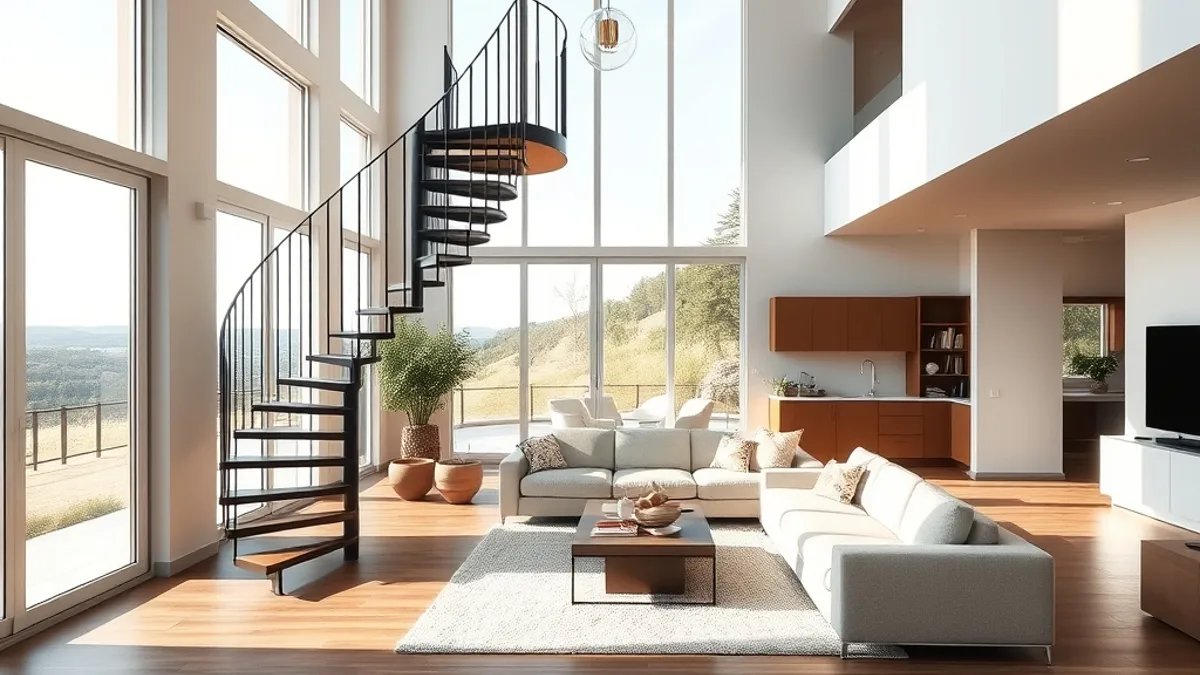
Reading the Floor Plan Room by Room
A floor plan is the single most useful document on a villa listing, because it tells you how the villa actually works rather than how it photographs. Photos show you the best angle of each room; a plan shows you how those rooms connect, which bedrooms sit next to each other, and where the bathrooms really are. Few hosts volunteer a plan on the listing itself, but most will send one if asked, typically replying within 24-48 hours. Treat that reply as part of your research, not an optional extra, because the layout is often where a villa booking succeeds or fails.
- Match each photo to the plan. Work through the images one by one and place them on the layout. This tells you which bedroom has an en-suite bathroom and which shares one down the hall, details that photos alone almost never make clear. It also reveals which rooms face the pool area and which face the entrance or a neighboring property.
- Check bed dimensions in the listing text. A European “double” can range from 140 to 160 cm wide, which matters a great deal for two adults sharing. Confirm the exact size for each bedroom, not just the master, so nobody in your group ends up squeezed onto a smaller bed than expected.
- Trace the route from bedrooms to kitchen and pool. Follow the path a guest would walk. Long external staircases, detached annexes or bedrooms on a separate level change how the villa functions in daily use, especially for evening trips to the pool or late-night kitchen visits. If a bedroom sits in an annex, check whether guests need to go outside to reach the bathroom.
- Request a plan if none is shown. If the listing has no floor plan, message the host and ask for one before paying. A host who cannot or will not provide a simple layout is telling you something about how the rest of the booking will go, and it is far better to learn that before your money changes hands.
Once you have the plan in hand, sit with it for a few minutes and imagine a full day in the villa: waking up, making coffee, swimming, cooking, going to bed. Walk each route mentally, from the bedrooms to the bathroom in the middle of the night, from the kitchen to the terrace with a tray of drinks. The awkward routes and mismatched bathrooms that never show up in photos become obvious on paper, and that is precisely the point. Ten minutes with a floor plan can spare you a week of small daily frustrations.
Matching the Villa Layout to Your Group and Travel Style
A villa that sleeps eight on paper can still be a poor fit if the sleeping spaces are stretched thin. Start by counting real bedrooms against your party size. A sofa bed squeezed into a living room or a fold-out in a converted garage is not the same as a proper bedroom, and groups that discover this at check-in often end up reshuffling every night of the trip.
Accessibility deserves equal attention. If anyone in your party is over 65 or has limited mobility, a villa with bedrooms only on the upper floor can turn a relaxing week into a daily challenge. The floor plan is your best friend here: it should clearly show a bedroom and a bathroom on the ground level, not just a vague promise of “easy access”.
Families with toddlers have their own priorities, and remote workers have yet another set. The right layout depends on how you actually live in the space, so use this checklist when comparing listings:
- Groups: ask whether annex rooms or studios are attached to the main villa or reached across an external courtyard, since detached sleeping spaces change how safely a group can move around after dark.
- Older travelers: check whether the ground-floor bedroom has its own bathroom on the same level, not one up a flight of stairs.
- Families with small children: look for gated or fenced pool access on the plan, and note whether the pool is directly visible from the living areas where adults spend their time.
- Remote workers: confirm there is a dedicated desk or a table in a quieter corner away from the kitchen and TV flow, because a fast connection is useless if the only workspace is the dining table at dinner time.
Verifying Views, Outdoor Space and Seasonal Cues in the Images
The phrase “sea view” covers everything from a full panorama to a narrow slice of blue between two rooftops. Zoom into the photos taken from windows and terraces and look carefully at what sits behind the railing. If the view appears only in one carefully framed shot, that is often the best angle the villa has to offer. Multiple images showing the horizon from different rooms are a much better sign.
Reading the Season in the Outdoor Shots
Outdoor photos carry seasonal clues that are easy to miss. Images taken in high season, typically June through August, show pools full and clear, lawns green and planting at its fullest. Low-season shots can reveal bare garden beds, closed shutters or a pool covered over, which tells you what the property actually looks like outside the peak months. If you are traveling in shoulder season and every photo looks postcard-perfect, ask when the set was taken.
Checking What Sits Beyond the Photo Edges
The edges of outdoor shots are where the honest details hide. Look for neighboring buildings, a busy road or construction cranes just outside the frame of the terrace photos. Then open the map and cross-check the pin location yourself: a listing may name a well-known town while sitting a drive away from it. Confirming the pin before you pay takes a couple of minutes and removes the most common source of villa disappointment.
Questions to Ask the Host Before You Pay
Once the photos and floor plan have raised your confidence, a short message to the host can close the remaining gaps. This step fits neatly into the booking window, especially if you are reserving a European villa 3 to 6 months ahead of a peak summer trip. Good hosts answer specific questions willingly, and vague replies are themselves useful information.
Frame your questions so they demand concrete answers rather than reassurance. Asking “is the villa nice?” gets you a friendly yes; asking about photo dates and bed dimensions gets you facts you can act on. Three questions cover most of the risks a photo review cannot resolve on its own:
- Recency and changes: ask which photos are the most recent and whether anything visible has changed since, such as replaced furniture, a pool cover left on year-round or building work starting on a neighboring plot.
- Exact sleeping arrangements: request the dimensions and configuration of each bed, room by room, because bed sizes vary widely across Europe and “sleeps eight” may include a bunk room designed for children. Getting the numbers in centimeters from the host removes any guesswork.
- The specific unit: if the listing sits in a multi-villa estate, confirm the photos show the exact villa you are booking rather than a representative or “similar” unit, since pools, views and terraces can differ noticeably between neighbors.
Put the answers in writing through the booking platform’s messaging system. That way, if the villa you arrive at does not match what you were told, you have a clear record to refer back to. A host who confirms details promptly and precisely is also a good sign of how the whole stay will be managed, from key handover to any problems that come up mid-week.
Finally, treat slow or evasive responses as data. If a host cannot tell you when the photos were taken or how wide the beds are before you pay, the same reluctance is unlikely to disappear once you have arrived with a tired group and a locked gate code that does not work.
Booking with Confidence
If you have ever walked into a villa that felt half the size of the listing photos, the fix is not better luck but a closer look before you pay. Treat the photo set and floor plan as the real product description, not the headline or the word “sleeps eight.” A short, methodical review of what you are actually shown, and what you are not, tells you far more about a villa than any marketing line can.
Match the plan to your group, check whether the images were taken in high season or low, and ask the host a few targeted questions about recent changes, bed sizes and whether the photos show the exact villa you are booking. Do this ten-minute review before paying, and the villa you arrive at will match the one you booked. If this helped you spot a listing trick of your own, share it in the comments.