Torn between two famous Spanish coasts for a villa holiday and unsure which one matches your budget, beach style and travel month? You are not alone. The Costa Blanca vs Costa Brava villas debate comes up constantly among travelers planning a Spanish escape, and the right answer depends far more on your priorities than on any simple ranking.
In this guide, we compare the two coasts across the things that actually shape a villa holiday: the character of the coastline, the best months to book, typical weekly prices, airports and transfer times, and which coast suits families, walkers, food lovers or nightlife seekers. We also share practical tips on choosing and booking the right villa, from checking bed configurations to reading reviews for noise. By the end, you should know exactly which coast fits your trip, and when to book it.
Costa Blanca vs Costa Brava Villas: The Core Differences
The two coasts look similar on a map but feel completely different on the ground. The Costa Blanca, stretching roughly 200 km from Denia down to Pilar de la Horadada, is built around wide, sandy beaches and a flatter, more resort-oriented shoreline, especially south of Alicante. Long promenades, family-friendly beach towns and easy parking make it a straightforward choice for a relaxed villa holiday.
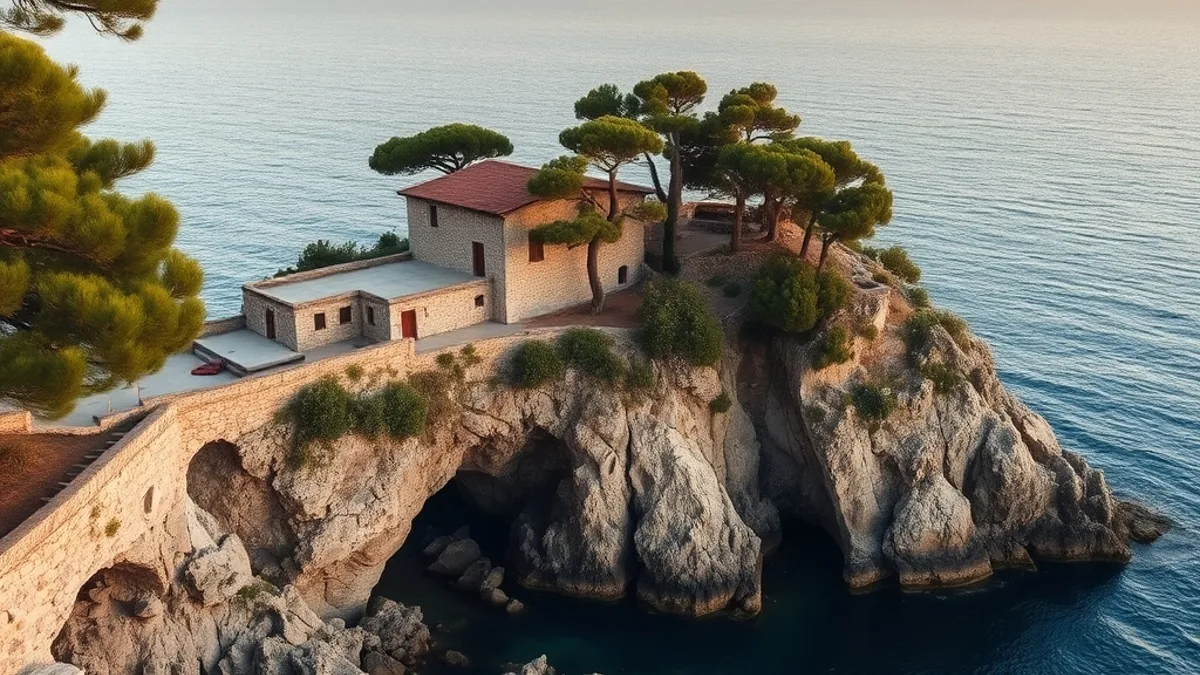
The Costa Brava, running roughly 100 km north of Blanes to the French border, is rockier and far more dramatic. Expect pine-fringed coves, hidden pebble beaches and cliffside villages like Calella de Palafrugell, where whitewashed houses sit almost on the water. Beaches are smaller and often reached on foot, which gives the coast a more exploratory feel.
Sunshine and season length
The Costa Blanca generally records more sunshine hours and enjoys a longer warm season, staying comfortable well into October. That extra month matters if you want late-season heat without peak-season crowds.
Character and day trips
The Costa Brava feels more compact and distinctly Catalan in character, with fishing ports, medieval hill towns and strong local food traditions. Its position also makes day trips to Barcelona and the Pyrenees easy, so a villa here can anchor a much more varied itinerary.
Best Months to Book a Villa on Each Coast
Timing is half the battle when booking a Spanish villa. On both coasts, May, June and September offer warm seas, noticeably lower prices and far fewer crowds than peak summer. These shoulder months are when the coasts feel most relaxed, and villa owners are usually more flexible on minimum stays and arrival days.
There is one key difference: the Costa Blanca stays usable into October, making it the better choice if you want late-season sun. The Costa Brava villa season typically winds down around the end of September, so an October break is safer on the southern coast. If your heart is set on a winter escape instead, consider villas in the Canary Islands for winter sun, where the season never really closes.
July and August on the Costa Brava bring the biggest crowds to its small coves, and parking near popular beaches fills up fast. Plan early morning beach time, then save the villa pool for the afternoon.
- Book 6 to 9 months ahead for high season. The best July and August villas, especially those sleeping eight or more, are often gone by the previous autumn.
- Ask about arrival day flexibility. In shoulder months, some owners accept midweek check-ins, which can mean quieter roads and easier flights.
- Check pool heating before booking early or late season. Sea temperatures are warmest in August at around 25°C, but an unheated pool in May can be too cold for children.
What Villa Prices Look Like on Each Coast
Villa prices on both coasts follow a similar shape: a short, expensive peak and a long, affordable shoulder season. In high season, expect roughly €1,500 to €6,000 per week depending on size and location, with Costa Blanca family resorts often sitting at the lower end of that range. Towns like Javea and Moraira have a deep stock of family-sized villas, which keeps competition and prices reasonable.
Where the Costa Brava premium goes
On the Costa Brava, villas near Begur, Cadaqués or Lloret command a premium for privacy and cove views. You are paying for a pine-covered hillside plot, a pool overlooking the water and often a walkable path to a small beach. That scenery is genuinely hard to replicate, but it narrows your options if you are working to a strict budget.
Shoulder season savings
Shoulder-season weeks in May or October can drop 30 to 50 percent below peak rates, which is the single easiest way to get a bigger or better-located villa for the same money. A villa that costs €5,000 in August might rent for well under €3,000 in late May, with pleasant weather thrown in.
Larger groups should also weigh per-person value. The Costa Blanca has more big villas in its stock, so a group of ten or twelve typically finds more choice and better value per head there than on the more compact Costa Brava.
Getting There: Airports and Transfer Times
Getting to your villa is often the deciding factor in how relaxed the trip feels, and the two coasts differ more than you might expect here. The Costa Blanca benefits from one well-placed airport that covers the entire stretch of coastline, while the Costa Brava splits its arrivals between two options that serve different ends of the region.
Alicante airport sits centrally for the Costa Blanca, meaning most villa zones between Denia and the southern resorts fall within a 30 to 90 minute drive. That single-airport convenience makes planning simple, especially for families with young children who want to minimize transfer time after a long flight.
For the Costa Brava, Barcelona airport is about 1 to 1.5 hours from the southern end of the coast, while Girona airport is closer still to the coves and villages further north. This fast access from Barcelona makes the Costa Brava a strong pick for shorter trips, long weekends or a villa stay combined with a city break.
- Alicante airport handles high volumes of international and seasonal charter flights, so comparing arrival airports across nearby cities can sometimes cut fares for summer weeks.
- Girona airport is small and easy to navigate, which means quicker exits from the terminal and less time collecting bags before you reach your hire car.
- Barcelona airport lets you combine a villa week with a night or two in the city, since the coastal drive north starts almost immediately from the motorway.
- Roads inland from both coasts are good quality, so day trips to hilltop villages and markets are straightforward once you have wheels.
Car hire is essential on both coasts. Villas are often set on hillsides or a few kilometers from the nearest town, and public transport rarely reaches the best beaches and inland villages. Book your car at the same time as the villa, since summer availability at Alicante and Barcelona can tighten up quickly.
Which Coast Suits Your Travel Style
The best way to pick between these coasts is to picture your typical day. If it involves building sandcastles, walking to a beach bar in flip-flops and letting the kids burn off energy at a water park, one coast clearly fits better than the other.
Families and Beach Lovers
Choose the Costa Blanca for family-friendly sandy beaches, water parks and lively resort towns like Javea and Moraira. The wide beaches mean plenty of space even in peak season, and the resort towns have the restaurants, supermarkets and evening strolls that families rely on. Golfers and winter-long stays also favour this coast, thanks to the long warm season extending into October and the established golf courses and expat infrastructure.
Walkers, Foodies and Culture Seekers
Choose the Costa Brava for scenic coves, coastal walking on the Camí de Ronda and quieter fishing villages. The footpath that threads the coastline between coves is one of the best coastal walks in Spain, and villages like Cadaqués and Calella de Palafrugell reward slow exploration. Food and culture-focused trips favour the Costa Brava too, with Catalan cuisine, markets and easy access to Barcelona’s museums and restaurants.
Groups mixing nightlife with beach time fit both coasts, with Benidorm in the south and Lloret in the north. Both resort towns have bars, clubs and late-night energy, so the choice comes down to which end of Spain you prefer to fly into.
How to Choose and Book the Right Villa
Booking a villa is different from booking a hotel: you commit to one property weeks or even months in advance, so the checks you make before paying a deposit matter far more. A few careful questions at the booking stage prevent most common disappointments, from sweltering bedrooms to a pool that is too cold for comfortable swimming outside the peak summer months. It also helps to read a detailed review or two of similar properties before you commit, so you know what a well-run villa stay actually looks like in practice; the same logic applies to any beachside villa review you read, such as this beachside villa stay in San Juan del Sur, Nicaragua, which shows the kind of practical detail worth checking before you book anywhere.
- Match the location to your priority. On the Costa Blanca, look for villas within walking distance of a sandy beach or resort town, since the coastline is long and some properties sit well inland, adding a drive to every beach trip. On the Costa Brava, prioritize privacy and sea views, which often mean hillside positions a short drive from the nearest cove.
- Check air conditioning and pool heating. If you travel in the shoulder months, ask specifically whether the pool is heated and whether every bedroom has air conditioning. Not all villas offer both, and unheated pools can be too cool for comfortable swimming outside peak summer.
- Confirm bed configurations and pool safety. For family groups, ask for the exact bed layout, whether twins can be converted to doubles and whether the pool can be fenced or covered for small children. Get written confirmation before paying any deposit.
- Read recent reviews for noise. Focus on reviews from July and August stays, especially in livelier resort zones. Comments about nearby bars, road noise or thin walls are far more useful than generic praise.
Once these boxes are ticked, the booking itself is straightforward. Reserve early for high-season weeks, keep all correspondence in writing so you have proof of what was promised, and confirm arrival instructions a week before travel so you know exactly how to reach the villa from the airport, including parking arrangements and who will meet you on arrival.
The Bottom Line: Picking Your Spanish Coast
So, which Spanish coast deserves your villa budget? If long sunshine hours, wide sandy beaches and better value for bigger groups matter most, the Costa Blanca is your coast. It also stretches the warm season further, so late-summer and early-autumn trips still feel like proper beach holidays. If dramatic scenery, pine-fringed coves and easy access to Barcelona win you over, the Costa Brava is the stronger pick, especially for shorter breaks.
Whichever you choose, timing does a lot of the work. May, June and September offer the best balance of price, warm sea and manageable crowds on both coasts. For July and August, book 6 to 9 months ahead to secure the best villas, particularly if you need space for a large group. Torn between the two comes down to one question: do you want more sun and sand, or more drama and coves? If this helped you decide, leave a comment or share the article with your travel crew.