You want a Thai island resort stay without the party crowds and wall-to-wall development, but you’re torn between Koh Samui and Koh Lanta. Both promise palm-lined sand and easy days by the pool, yet they deliver very different experiences once you arrive. That’s why the Koh Samui vs Koh Lanta question comes up so often among travelers planning a quieter escape.
In this guide, we’ll compare the two islands side by side: their core differences, where each one gets genuinely calm, the best months to visit, how to get there and around, what kind of resorts you’ll find, and what there is to do beyond the beach. We’ll finish with a straightforward verdict on which island fits your style. By the end, you’ll know whether to book a flight straight to Samui or plan the longer transfer to Lanta’s empty stretches of sand.
Koh Samui vs Koh Lanta: The Core Differences at a Glance
At first glance, both islands look similar in brochures: warm water, coconut palms and long beaches. In practice, they sit at opposite ends of the Thai resort spectrum, and understanding that difference is the key to choosing well.
Koh Samui: big, developed and well connected
Koh Samui is a large, developed island with its own international airport, so you can fly in directly from Bangkok and several regional hubs. That convenience comes with scale: big-brand resorts, large shopping areas and a busy nightlife scene, especially around the main east-coast beaches. The upside is variety. Samui has an enormous range of spas, restaurants and resort styles, from international five-star properties to small boutique stays tucked away on quieter coasts.
Koh Lanta: long beaches and a slower rhythm
Koh Lanta is the opposite in feel. It’s a low-key island where traffic moves slowly, resorts are mostly family-run, and the pace of life drops a notch the moment you arrive. There’s no airport on the island, which keeps visitor numbers down, and the atmosphere centers on long beaches, beachfront bungalows and quiet evenings.
In short, Samui suits travelers who want flights direct to the island plus spa and dining variety, while Lanta suits those prioritizing empty sand and calm above all else. Neither is better; they simply reward different kinds of trips.
Beaches and Atmosphere: Where Each Island Gets Quieter
Beach choice makes or breaks a quiet resort stay, and both islands have calm corners if you know where to look. The trick is knowing which strips to avoid and which to aim for.
Samui’s quieter north coast
On Samui, skip Chaweng and Lamai if peace is your priority. These are the island’s busiest strips, lined with resorts, bars and steady foot traffic. Instead, head for the north-coast beaches of Maenam and Bang Por, which stay noticeably calmer even in high season. You’ll still find good resorts and restaurants here, just with more space between sun loungers and far less noise after dark.
Lanta’s long west coast
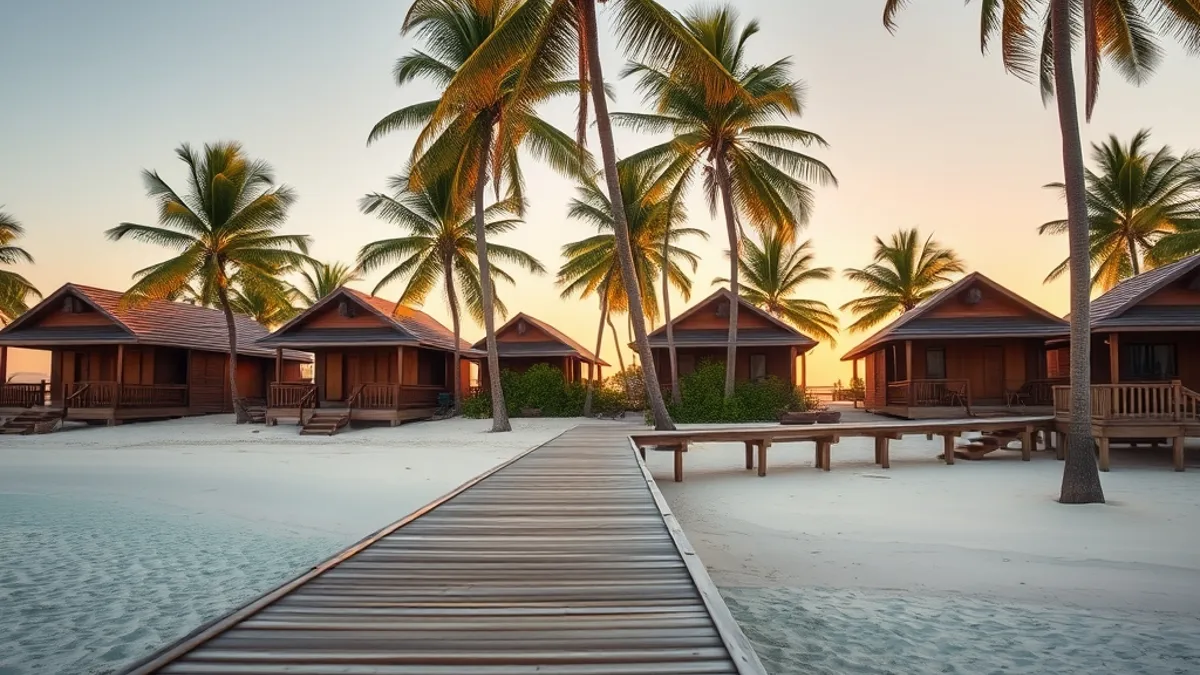
Koh Lanta’s west coast offers over 25 km of beaches, so quiet sand is easy to find. Long Beach is the liveliest stretch, with the most restaurants and accommodation, while Klong Nin and Kantiang Bay sit further south and feel considerably more relaxed. Even in peak season, you can walk for minutes without passing another traveler on parts of this coast.
One more difference worth planning around: Lanta’s beaches face west over the Andaman Sea, delivering spectacular sunsets most evenings. Samui’s east-coast beaches face sunrise instead, so early risers get the show. If sunset drinks on the sand matter to you, that alone may tilt the decision.
Best Time to Visit Each Island
Timing matters on both islands, but for different reasons. Samui sits in the Gulf of Thailand, where its driest months run December to April and October and November are typically the wettest on the Gulf side. Koh Lanta, on the Andaman side, follows the more common west-coast pattern: its season runs November to April, and from May to October many hotels and restaurants simply close for the low season.
That Lanta closure period is the biggest practical difference. Visit outside the season and you may find limited accommodation, reduced ferry schedules and shuttered restaurants, which some travelers love for the emptiness but others find frustrating. On Samui, businesses stay open year-round, so you can visit in almost any month and still find everything operating.
- Booking flexibility: on Lanta in low season, check ahead that your chosen resort is actually open before committing, as some beachfront properties shut entirely rather than run at reduced service.
- Rain patterns differ by coast: a rainy day on the Gulf side often doesn’t match a rainy day on the Andaman side, so if your dates fall in a shoulder month, it can pay to check recent weather trends for the specific island.
- Shoulder-month pricing: late April and early November can mean lower rates and thinner crowds on both islands, since you’re just outside the peak rush but still within reach of good conditions.
- Ferry and transfer planning: if you’re heading to Lanta at the edges of the season, confirm ferry times with your operator in advance, as schedules can be thinner than in the middle of high season.
Whichever island you pick, aim for the dry months if it’s your first visit, and consider the shoulder weeks if saving money matters more than guaranteed sunshine.
Getting There and Around
How you arrive shapes the start of your trip on each island. Koh Samui welcomes direct flights from Bangkok and several regional hubs, and the airport sits right on the island, so most travelers are on the sand the same day they leave home. Once you land, most beaches are a 30-60 minute drive away, and taxis and hotel transfers are easy to arrange at the terminal.
Koh Lanta takes more effort. There is no airport on the island, so most travelers fly into Krabi Airport and then continue by road, with a ferry crossing or a combined car-transfer service completing the journey. Count on roughly 2-3 hours of travel between landing in Krabi and dropping your bags on Lanta, and check ferry schedules with your operator, as they vary by season.
Getting around once you are there
On Lanta, a scooter or car is near-essential if you want to explore beyond your beach, since the island is long and attractions are spread out. Rental shops are plentiful, but inspect the vehicle and wear a helmet, and make sure your license is valid for riding in Thailand. Samui, by contrast, offers more taxis, ride options and organized tours, so you can manage without your own wheels if you prefer.
Resorts and Accommodation Styles
Koh Samui’s accommodation scene is broad and polished, and it rewards travelers who know where to look. You will find international five-star spa resorts, boutique pool villas and everything in between, with a particularly good concentration of quieter, high-end options around Maenam and the north coast. If a serious spa program, a private infinity pool or in-villa dining matters to you, Samui delivers, and the service standards at the top properties are genuinely international. The trade-off is that you often pay for the name and the amenities, so compare what is actually included before you commit to a higher nightly rate.
Koh Lanta’s stock is smaller-scale by design. Think family-run beachfront bungalow resorts and simple mid-range properties with pools, many of them steps from the sand rather than behind a gated entrance. In high season, mid-range beachfront rooms on both islands typically run roughly 2,000-5,000 THB per night, though Lanta generally feels more laid-back and personal for that money. Do not expect grand lobbies or extensive facilities; the charm here is simplicity, space and direct access to the water.
- Many Lanta bungalow resorts are owned and run by the same families for years, which means repeat guests often get familiar faces and a more personal welcome.
- Samui’s north-coast pool villas frequently come with private plunge pools and in-villa dining, so you can stay quiet without leaving your accommodation.
- On Lanta, beachfront literally means beachfront at many small resorts, with just a path of sand between your terrace and the sea.
- Shoulder-month stays on either island can bring noticeably lower rates than the peak high-season prices, so flexibility pays if your dates can shift.
Whatever you choose, book 2-3 months ahead for high-season stays, and earlier if you have your eye on one of Samui’s top spa resorts, which fill up fast in peak weeks. For Lanta, also confirm your chosen property is actually open for your travel dates, since the smaller resorts keep shorter seasons.
Food, Day Trips and Things to Do Beyond the Beach
Koh Samui packs a lot into one island. The classic day trip is an island-hopping boat tour to Ang Thong Marine Park, where you can kayak, snorkel and climb to viewpoints over the limestone islets. Inland, jungle temples and viewpoints break up your beach days, and the island’s roads make a scenic loop drive easy.
Dining after dark
Samui’s dining scene is one of its strongest cards, stretching from street food stalls and night markets to fine dining at resort restaurants. When the sun goes down, there are beach bars, nightclubs and shows, especially around the busier east-coast strips. If evening entertainment matters to your stay, Samui is the safer bet.
Koh Lanta works differently. It is a base for snorkelling trips to Koh Rok and Koh Haa, both known for clear water and healthy reefs, usually reached on full-day boat trips from the island. On land, Lanta Old Town is worth half a day, its stilted wooden houses perched over the sea and home to small cafes and craft shops.
Nightlife on Lanta is minimal: a few beach bars, some live music in high season, and early nights. That is exactly the appeal for many travelers, but if you want dinner options at midnight or a cocktail scene, choose Samui instead.
Which Quieter Thai Island Should You Choose?
If your priority is genuinely quiet sand and small, family-run resorts, Koh Lanta is the quieter pick overall. Its long west-coast beaches and low-key pace make it the better match for a slow resort stay, though you will need to plan around the November to April season and the longer transfer from Krabi.
Koh Samui still has a place in this comparison if you value convenience. Its northern corners around Maenam and Bang Por offer calm stretches away from the busy strips, plus direct flights, spa resorts and far more dining and evening variety. In short, you are weighing transfer effort against on-island comfort. If that trade-off feels clear now, share this article or leave a comment with which island you would pick.