Costa Rica lodge stays can mean three totally different vacations in one small country: waking to howler monkeys in the lowland rainforest, falling asleep to Pacific waves, or sipping coffee in a misty cloud forest. The catch? Pick the wrong region or the wrong season, and you can burn through your budget and precious vacation days on long drives and disappointing weather. The right choice depends on what you actually want from your trip.
This guide breaks down all three lodge landscapes so you can match them to your travel style. We’ll compare rainforest lodges built for wildlife immersion, coastal lodges around Manuel Antonio, Uvita and the Nicoya Peninsula, and the cool, misty lodges of Monteverde. You’ll also find practical advice on dry season versus green season timing, how far in advance to book, what different budgets typically get you, and how to string several lodges into one sensible route without losing days to the road.
Why Costa Rica Lodge Stays Work for Every Kind of Traveler
Costa Rica has built its tourism around nature rather than big resort strips, and lodges are the clearest expression of that. Instead of rows of high-rise hotels, you’ll find small properties set inside or right beside protected areas, where the forest starts at the edge of the dining terrace. This model keeps visitor numbers low and puts wildlife habitat, not swimming pools, at the center of the experience.
Lodges also fit the country’s geography. Costa Rica packs three very different environments into a small area, and each has its own lodge scene with distinct wildlife, climate and activities. Picking a setting that matches your interests matters more here than in most destinations.
Three settings, three experiences
Lowland rainforest lodges put you in the thick of the country’s densest wildlife, with humid heat and guided exploration by trail and boat. Pacific coast lodges pair jungle-edge trails with beach time, and the drive from San José to Manuel Antonio takes about 2.5-3 hours, making that combination the easiest to fit into a short trip. Highland cloud forest lodges around Monteverde, at roughly 1,400 m elevation, trade the heat for cool evenings near 15-20°C and a landscape of mist, moss and hummingbirds.
Because many of these properties sit far from towns and restaurants, lodge stays often bundle what you’d otherwise arrange separately: guided walks, meals and sometimes transfers. That bundling isn’t a marketing gimmick — at remote lodges, it can be the difference between a smooth stay and a logistical headache, so check exactly what’s included before you book.
Rainforest Lodges: Wildlife Immersion in the Lowlands
Lowland rainforest lodges are where Costa Rica’s wildlife shows off. The densest concentrations sit around Sarapiquí in the north, the canal-fringed wetlands of Tortuguero, and the Osa Peninsula in the remote south. Stay in any of these regions and you can reasonably expect toucans calling at breakfast, monkeys moving through the canopy, sloths dozing in cecropia trees, and poison dart frogs on the forest floor.
These lodges are built for the climate. Expect humid heat year-round, typically around 26-32°C, so most properties use screened, open-air designs that let breezes through while keeping insects out. Ceiling fans are more common than air conditioning, and a light rain jacket matters more than a heavy sweater.
Getting there is part of the experience
Access varies by region. Sarapiquí lodges are usually reachable by road, while Tortuguero properties typically involve a boat transfer along canals, and some Osa lodges require a small-plane flight to a remote airstrip followed by a boat ride. The most remote options feel genuinely cut off, which is exactly the point — but it also means you should confirm transfer details and costs with the lodge before booking.
Rates for rainforest lodges typically run $150-400 per night, with remote luxury lodges on the Osa Peninsula often exceeding $500. At that level you’re generally paying for expert naturalist guides, excellent food and a prime location deep in primary forest rather than marble bathrooms. If wildlife density is your top priority, this is the setting worth stretching your budget for.
Coast Lodges: Pacific Beaches and Jungle Meets Ocean
Costa Rica’s Pacific coast offers a different rhythm from the rainforest and cloud forest sections of the country: mornings on the sand, afternoons on jungle-edge trails, and evenings watching the sun drop into the ocean. The main lodge clusters sit around Manuel Antonio, Uvita and the Nicoya Peninsula, and each pairs beach time with easy access to forest trails where monkeys, sloths and seabirds share the same stretch of coastline.
Manuel Antonio is the practical pick if your trip is short. The national park there lies about 2.5-3 hours by road from San José, which means you can land in the morning and be on a lodge terrace by late afternoon. That short transfer makes it the easiest coast-and-lodge combination for a first visit or a one-week itinerary that also includes a second stop inland.
Hillside beats beachfront
When comparing properties, look uphill rather than directly on the sand. Hillside lodges with ocean-view terraces usually cost less than beachfront blocks, and the elevated position catches the coastal breeze, which makes evenings far more comfortable than in a room at sea level. You still get beach access, often via a short path or shuttle, plus the kind of panoramic views that beachfront rooms rarely offer at the same price.
Uvita, further south on the Costa Ballena, suits travelers who want a quieter base with long beaches and humpback whale watching in season, while Nicoya Peninsula lodges appeal to those chasing a more off-the-grid feel. As with any Costa Rica lodge, check whether meals and guided walks are included before you compare nightly rates.
Cloud Forest Lodges: Cool Air and Misty Trails in Monteverde
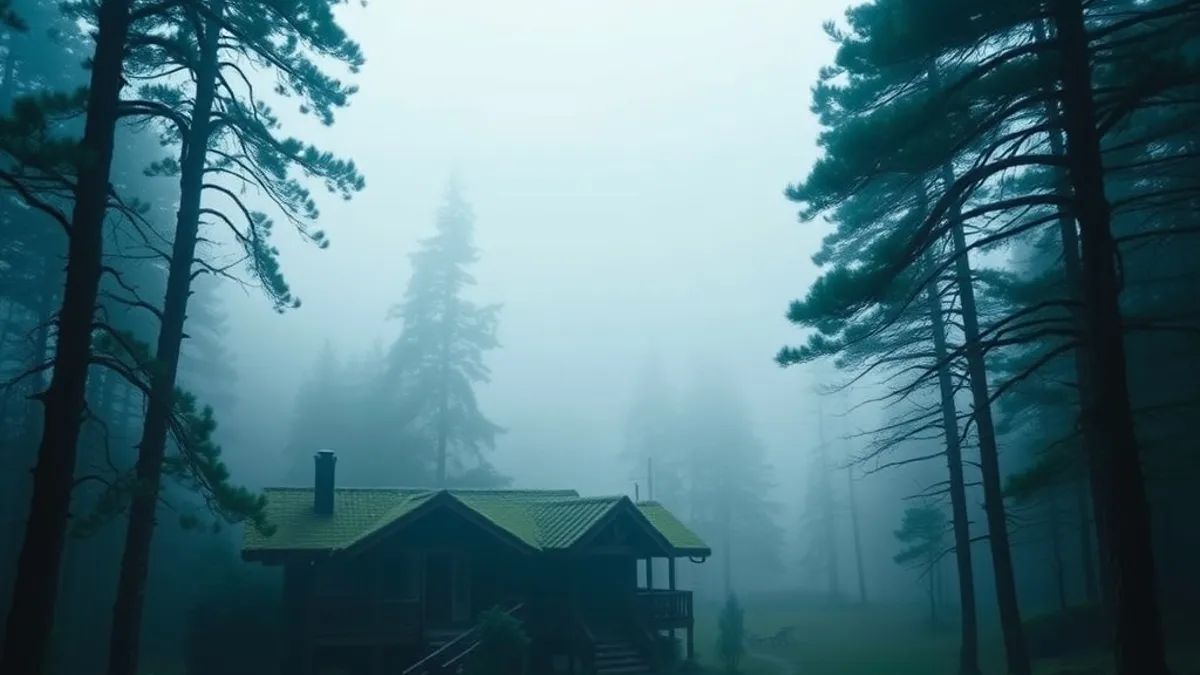
Monteverde sits high in the Tilarán mountains, and its lodges sit with it. At around 1,400 meters of elevation, the air here is nothing like the steamy lowlands you may have just come from. Days are mild, but evenings drop noticeably, often to around 15-20°C. Pack layers you might not think you need in Costa Rica: a fleece or light jacket, long pants for night walks, and something dry for the mist that drifts through most days.
Getting there is part of the experience. The drive from San José takes roughly 3-4 hours, and the final stretch includes unpaved sections that can be rough after rain, so a 4×4 rental or a lodge shuttle makes life easier. Many lodges offer transfer packages, which is worth asking about when you book, especially if you would rather not drive mountain roads yourself.
What lodge life looks like in the cloud forest
Cloud forest lodges lean into what makes this ecosystem special. Hummingbird gardens with feeders at eye level let you watch species like the violet sabrewing up close, often straight from the dining terrace. Hanging bridge tours give you a canopy-level view of the epiphyte-covered trees, and guided night walks reveal sloths, snakes, tarantulas and glowing fungi you would never spot alone. Ask whether the lodge’s own trails connect to the main reserves, since some properties sit right at the edge of protected forest and let you start birding before breakfast without a car ride.
When to Book: Seasons and Lead Times
Timing shapes both your experience and your budget in Costa Rica. December to April is dry season: sunnier skies, easier trail conditions and the best wildlife viewing on land. It is also when prices peak and availability thins, especially at the small lodges with the best locations, which often have only a handful of rooms. If you have your heart set on a particular property, treat it as the anchor of your itinerary and work the rest of your route around its availability rather than the other way around.
May to November brings the green season. Afternoon showers are the norm rather than the exception, but mornings are frequently clear, the forests look their best, and rates drop. Wildlife remains active year-round, and many travelers find the trade-off worthwhile: fewer crowds on trails, more comfortable lodge rates and lush, photogenic scenery. On the Pacific coast, September and October are typically the wettest months, so if a beach-focused stop is your priority, aim for earlier or later in the green season. Pack a lightweight rain jacket and quick-drying shoes regardless of when you go.
Lead times and minimum stays
- Peak season: For December-April travel, book lodges 3-6 months ahead. The most sought-after rainforest and cloud forest properties can be fully booked even earlier for the Christmas and Easter weeks.
- Green season: Booking 1-2 months out is usually enough, and some lodges offer last-minute deals or discounted multi-night packages outside the dry months.
- Minimum stays: Many lodges require 2-3 night minimums during high season. Build this into your route math — a three-stop trip with minimums can quietly eat up a week, so plan the number of stops around it.
How to Choose the Right Lodge for Your Budget and Style
Start by deciding what matters most to you, then pick the setting that matches it. If dense wildlife is the goal, lowland rainforest lodges deliver the most action per hour. If you want to split mornings on trails with afternoons on the sand, a coastal lodge is the better fit. If you love hiking, birding and cool air, the cloud forest wins. Trying to cover all three from a single base usually means long drives, rushed mornings and a diluted experience, so it rarely pays off.
Next, look closely at what is actually included in the rate. At remote properties, guided walks, meals and transfers are not optional extras — they may be the only way to see the forest or eat a proper dinner. A rate that looks high but includes two guided tours a day and full board can be better value than a cheaper room where every activity and meal is billed separately. Ask the lodge to confirm inclusions in writing before you pay the deposit, and clarify how transfers are priced.
Questions worth asking before you book
- What exactly does the rate include? Ask specifically about guided tours, full board, park entrance arrangements and whether the lodge’s own trails are free to use.
- How do you get there, and at what cost? A budget lodge that requires a private transfer, or a costly boat or small-plane hop, can end up costing more per night than a pricier lodge you can drive to yourself.
- How remote is remote? Check whether there are restaurants or tour operators nearby, or whether the lodge is your only option for meals and activities for the length of your stay.
- What is the minimum stay? High-season minimums of 2-3 nights affect how many stops your route can realistically hold.
Planning Your Costa Rica Lodge Route
Costa Rica packs three completely different lodge landscapes into one small country, which is exactly why choosing the wrong region or season can waste both budget and vacation days. The good news is that you rarely have to pick just one. Costa Rica lodge stays work best as a two- or three-stop route that combines rainforest, coast and cloud forest, so you get wildlife, beach time and misty trails in a single trip.
Timing matters just as much as location. Dry season suits first-timers who want reliable sunshine, while green season rewards flexible travelers with lower rates and fewer crowds. If your heart is set on December to April travel, booking 3-6 months ahead secures the best lodges at each stop before minimum stays and thin availability limit your options. Match your stops to your priorities, plan the transfers realistically, and the whole route comes together. Where would your perfect Costa Rica lodge route go? Share your plans or questions in the comments below.