Crete is big enough that its coastlines feel like separate islands, and picking the wrong base can undo an otherwise well-planned trip. The island stretches roughly 260 km from west to east, so a drive from one end to the other takes around 4-5 hours. That means the Crete resort areas you choose determine how much of your vacation is spent relaxing and how much is spent behind the wheel.
This guide compares the main options side by side. We look at how the island’s resort areas differ at a glance, then work through the north coast’s beaches and big resorts, the south coast’s quiet coves and small stays, and what it’s like to stay in Chania, Rethymno, Heraklion and Agios Nikolaos. From there, we match each area to different travel styles, cover when to book and when to visit, and finish with a straightforward way to choose between Crete’s coasts.
How Crete Resort Areas Differ at a Glance
Crete is not one beach destination but several, and the differences between them shape your whole trip. The island stretches roughly 260 km from west to east, so the area you pick determines how much time you spend in a car and which parts of Crete are realistic day trips.
The north coast: resorts, sand and airports
The north coast is where most visitors end up, and for good reason. It holds the island’s largest resort complexes, its longest sandy beaches, and both airports: Chania (CHQ) serving the west and Heraklion (HER) serving the center. If you want full-service hotels, easy transfers and a wide choice of restaurants and activities, this is the stretch to focus on. The trade-off is company, especially in July and August.
The south coast: coves and calm
Head south and the character changes completely. The coastline is rockier and built around small coves rather than long sandy strands, and the properties are smaller — family-run rooms and boutique stays instead of big resort blocks. Fewer crowds come with a price: mountain roads mean longer transfers, and you trade some convenience for scenery and quiet.
The main towns offer a third option. Chania, Rethymno, Heraklion and Agios Nikolaos each blend city life — harbors, museums, tavernas, real year-round infrastructure — with beach access nearby. You stay somewhere walkable in the evening without giving up a morning swim.
Because the island is so long, distances matter more here than on most Mediterranean islands. Driving end to end takes around 4-5 hours, so a base in the west makes eastern day trips impractical. Choose your area first, then plan everything else around it.
North Coast Crete Resort Areas: Beaches and Big Resorts
The north coast is where Crete’s resort scene lives. Stretching between Chania and Heraklion, this shoreline offers exactly what most package holidays promise: long, wide sandy beaches backed by hotels ranging from family-scale complexes to sprawling all-inclusive resorts. Towns like Stalís, Hersonissos and the areas around Réthymno have grown up around tourism, so you’ll find beach clubs, water sports operators, kids’ pools and plenty of sunbeds for rent.
The beach season here runs roughly May to October, and the sea is at its warmest from July through September. If you’re traveling with children who want to swim all day, that late-summer window delivers the most comfortable water temperatures of the year.
What peak season really costs
There’s a trade-off. July and August bring peak crowds, and room rates on the north coast can run 50-100% above shoulder-month prices. If you want a seafront room at a popular resort in high season, booking 3-6 months ahead is advisable — the best-value family rooms and all-inclusive packages tend to sell out first. Shoulder months like May-June and September-October offer warm sea with noticeably lower prices, though the section on timing covers that in more detail.
Who this area suits best
Choose the north coast if your priority is resort amenities rather than exploration. You get easy airport transfers — Chania airport serves the west and Heraklion airport the center — plus walkable strips of restaurants, bars and shops. It’s the straightforward choice for families, beach-club fans and anyone who wants to land, transfer quickly and be on a sunbed the same afternoon.
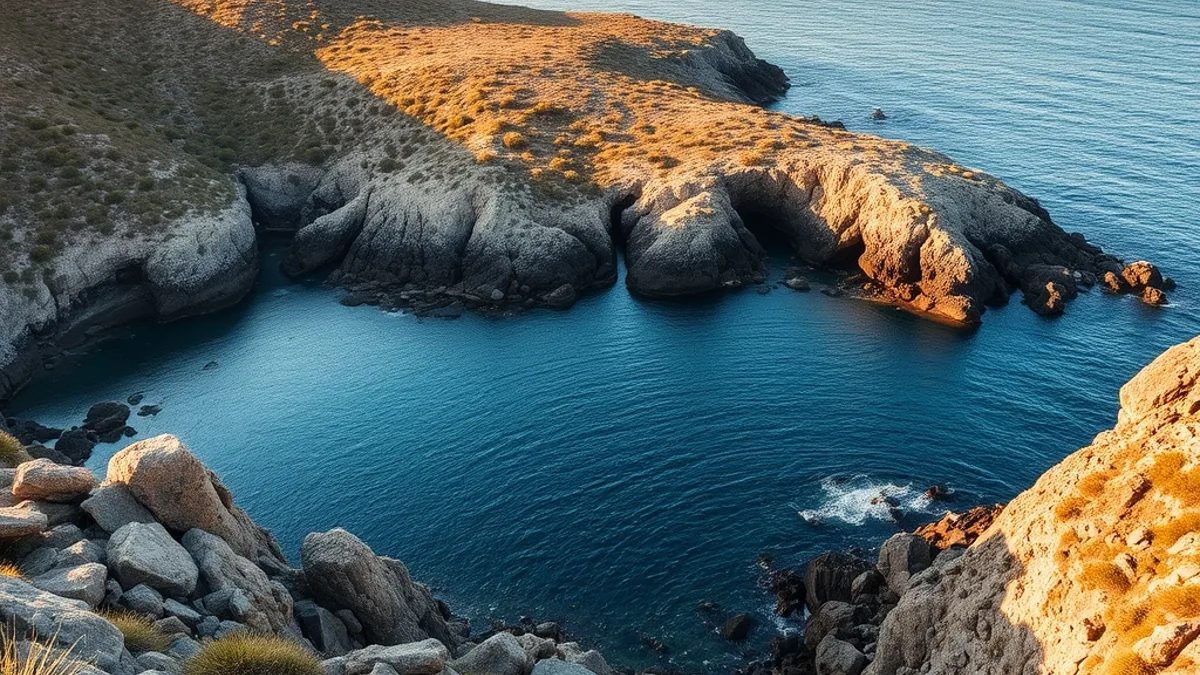
South Coast Crete Resort Areas: Quiet Coves and Small Stays
The south coast is where Crete slows down. Instead of sprawling resort complexes, you’ll find small villages with family-run guesthouses, a handful of boutique hotels, and rooms-to-let above tavernas. Places along this coast tend to have a few dozen rooms rather than a few hundred, and the owner is often the person who greets you at check-in and recommends which cove to swim at that afternoon.
If you like the idea of small, characterful stays, the feeling is similar to choosing a resort for quiet days on other islands — the focus is on scenery and calm rather than pools, kids’ clubs and entertainment schedules. That said, amenities are basic by north coast standards, so check what each property actually offers before booking.
Getting there takes planning
South coast resorts are typically 1-2 hours by car from either airport, and the route crosses mountain roads with winding sections and narrow passes through villages. That’s fine on a relaxed holiday, but it means you should arrange transfers or a rental car in advance, and avoid arriving after dark if you’re unfamiliar with the roads. Build the drive into your day rather than treating it as a quick hop.
The trade-off for the effort is dramatic scenery. Long sandy strands are rare here; instead you get pebble coves backed by cliffs, clear water and a wilder feel. Swimming is best June to September, when the sea is warm and the weather is reliably settled. Outside those months, some coves become challenging in wind and swell.
One practical bonus: shorter booking lead times are usually fine outside July-August. You can often find good rooms a few weeks ahead in May, June, September and October, though the most popular small properties still fill up early in summer.
Staying in Crete’s Towns: Chania, Rethymno, Heraklion and Agios Nikolaos
Crete’s four main towns give you a very different holiday from a beach resort, and each has its own personality. If you like stepping out of your hotel straight into tavernas, boutiques and evening crowds, a town stay can beat any purpose-built resort. You also get real local life year-round: shops that stay open outside the beach season, neighborhood cafes and a sense of place that large resort complexes rarely match. The trade-off is that you usually give up big pools, private beach strips and all-inclusive packages, so think about which matters more to you before you commit.
Chania’s old town is the favorite for many repeat visitors. The Venetian harbor, the lighthouse walk and the maze of lanes behind it are genuinely lovely in the evening, when day-trippers have left and the waterfront restaurants fill up again. Rethymno blends the two worlds: a compact Venetian old town with a long sandy beach starting right at its edge, so you can swim in the morning and wander the fortress at sunset without ever needing a car for your daily routine.
A few things worth knowing about each base before you book:
- Chania’s most atmospheric rooms are in restored Venetian and Ottoman buildings, which often means stairs, small rooms and no elevators, so check accessibility with the hotel if that matters to you.
- Rethymno’s beach east of the old town is lined with hotels, letting you combine a sand-and-swim holiday with walkable dinners in town, plus easier access to CHQ airport than the eastern end of the island.
- Heraklion is the practical pick: close to HER airport, Knossos and the archaeological museum, but it is a working city with limited beach access, better for one or two nights than a full beach week.
- Agios Nikolaos sits on Mirabello Bay and works as a calmer, upscale base for day trips to Elounda and the eastern coast, with a lake-side center full of cafes.
Matching a Crete Resort Area to Your Travel Style
The best Crete resort area depends less on reviews and more on how you actually travel. A family with two toddlers, a couple celebrating an anniversary and a group chasing beach bars will all be happiest in different corners of the island. Here is how the areas typically line up.
Families generally do best on the north coast, where long sandy shelves and resort kids’ clubs take the work out of the day. If you can travel in the shoulder months, you get the same facilities with thinner crowds and gentler prices. Couples who want quiet should look south to the coves, or to Agios Nikolaos, ideally in May-June or September-October when the water is warm and the villages are calm. Nightlife seekers should stay near Heraklion or Malia on the north coast, which is also the easiest setup if you fly into HER. Road-trippers can have it all by splitting the trip: a west-side base near Chania for nights out, then a south coast stretch for scenery and swimming.
A few practical refinements to that matching:
- With young kids, look for resorts with shaded shallow pools and a gently sloping sandy entry, since not all north coast beaches are equally calm on windy days.
- Couples on the south coast should check whether their accommodation offers parking and a taverna on site, as villages there can be spread out and quiet in the evening by design.
- If nightlife matters, staying in or near Heraklion or Malia means short taxi rides instead of long drives after a night out.
- Road-trippers should keep each base to three or four nights minimum, since mountain drives on the south coast eat more time than map distances suggest.
When to Book and When to Visit Crete Resort Areas
Crete rewards travelers who plan timing and flights together, because the island is roughly 260 km long and the two airports sit far apart. Get these two decisions right and almost everything else falls into place, while getting them wrong can mean long transfers, higher prices or a base that does not suit your days. The good news is that the booking process is mostly a matter of order: decide a few big things first, then let the smaller choices follow. Here is a simple sequence to follow when you start planning your trip.
- Pick your season first. May-June and September-October offer the best mix of warm sea and noticeably lower prices, while July-August brings peak crowds and the highest rates. If your dates are flexible, this single choice affects everything downstream.
- Choose your area before your hotel. North coast stays in high season should be reserved 3-6 months ahead; the south coast allows shorter lead times, so you can book later with more flexibility.
- Match the airport to your base. Fly into CHQ for the west and HER for the center and east; the two are about 2.5-3 hours apart by car, so the wrong arrival can cost you most of a day.
- Plan south coast transfers realistically. Expect typically 1-2 hours by car from either airport over mountain roads, and confirm your rental or transfer can handle the route comfortably.
Follow that order and the rest becomes easy: once season, area and airport are locked in, you can compare hotels within a small, well-chosen shortlist instead of the whole island. If your dates are flexible, shift a week into the shoulder months before upgrading your room, since the same budget usually buys a lot more outside July-August. Write down your priorities before you browse, too, because a tempting deal in the wrong area is rarely a bargain once daily drives are factored in. A little discipline at the start saves hours of scrolling later.
Choosing Between Crete’s Coasts
Crete is so long and varied that its coastlines can feel like different islands, and picking the wrong base can undo even the best-planned trip. The safest shortcut: north coast for beaches, resorts and convenience, south coast for quiet coves and scenery, and the main towns for atmosphere and walkable evenings.
Just as important as the area itself are timing and airport choice. Shoulder months bring warm sea with lower prices, and flying into the airport closest to your base saves hours on the road. Match the area to your travel style and the season, and Crete rewards the choice. If this helped you decide, leave a comment or share the article.