With three very different coastlines all promising paradise, how do you choose which side of Mauritius to book your resort on? It is a common dilemma. The island may be small, but the Mauritius resort areas feel like three separate destinations, each with its own beaches, weather patterns and pace of life.
This guide compares the west, north and east coasts so you can match the right stretch of sand to your trip. We start with a quick overview of how the coasts differ, then look closely at the quiet lagoons of the east, the lively waters of Grand Baie in the north, and the sunset-facing resorts of the west. From there, we cover the best times to book each coast, which resort area suits honeymooners, families and watersports lovers, and how to make the final call. By the end, you will know exactly where to base yourself.
How Mauritius Resort Areas Differ at a Glance
Mauritius is a small island, roughly 60 km from end to end, yet driving from one coast to the other feels like visiting different countries. Wind direction, rainfall and decades of development have given each side a distinct personality, and understanding those differences is the first step to booking well.
Three coasts, three characters
The east coast is the quiet and wild side. It has some of the island’s longest white-sand beaches and its most secluded five-star resorts, but it also takes the brunt of the southeast trade winds. The north coast is the lively one, built around Grand Baie, where calm, sheltered water meets restaurants, bars and boutiques. The west coast is the driest and most sheltered, facing the sunset over the open ocean, with Flic en Flac and Le Morne as its anchor points.
Why the area matters more than the hotel
It is tempting to pick a resort first and worry about location later, but on Mauritius that approach often backfires. Your choice of resort area dictates which beaches you will swim on, which excursions are on your doorstep and what the evening atmosphere is like. A stunning hotel on the wrong coast can leave you an hour’s drive from the trips you booked the holiday for, while a modest hotel in the right area puts everything within easy reach. Think about what you want from your days first, then choose the coast, and only then compare hotels.
East Coast: Quiet Lagoons and Big-Name Resorts
The east coast is where Mauritius keeps its most postcard-perfect beaches. Belle Mare stretches along a long sweep of white sand backed by casuarina trees, while nearby Trou d’Eau Douce serves as the launch point for boat trips to the tiny offshore islet of Île aux Cerfs. This is also the coast with the highest concentration of five-star properties, many of them set on generous beachfront grounds that feel a world away from anywhere.
The best lagoons on the island
If swimming is your priority, the east coast is hard to beat. The lagoons here are wide, shallow and a striking shade of turquoise, protected by an offshore reef that keeps the water calm for most of the year. Bring a mask, because the snorkelling just off many resort beaches is excellent.
One thing to plan around is the wind. The southeast trade winds blow strongest from June to August, making the east the breeziest side of the island in those months. It rarely spoils a holiday, but sunbathers should expect a fresh breeze and anyone sensitive to wind may prefer another coast for a mid-year trip.
Practical advantages
The east coast also has a logistical edge: it is the closest coast to the airport, with transfers typically taking about an hour. That means less time in a car after a long flight and an easy departure day. Boat trips to Île aux Cerfs leave from Trou d’Eau Douce, so you can be on the water within minutes of your hotel.
What the east does not offer much of is shopping and nightlife. This coast suits honeymooners and travelers who want seclusion, long beach walks and dinners at their resort rather than evenings out. If that sounds like you, the east will feel like paradise.
North Coast: Grand Baie, Calm Water and Nightlife
Grand Baie is the beating heart of Mauritian tourism. Unlike the resort enclaves of the east, this north coast town puts restaurants, boutiques and bars within walking distance of most hotels, so evenings are not limited to your resort’s dining room. Step outside and you can browse shops, watch the sunset from a waterfront bar or wander between dinner options on foot.
The water is the other big draw. The north coast has the most sheltered waters on the island, thanks to its position and the reef system, which makes it ideal for swimming and snorkeling straight off the beach. It is also the departure point for full-day catamaran trips to Flat Island and the northern islets, one of the most popular excursions in Mauritius.
There are trade-offs. Beaches here are smaller and busier than the long east coast stretches, and resorts sit closer together, so you sacrifice some seclusion for convenience. For many travelers, that is exactly the right deal. The north coast suits:
- First-time visitors who want an easy introduction to Mauritius, with tours, boat trips and car rental offices all based in town and easy to arrange on the spot.
- Families with children who benefit from the calmest swimming water on the island and the option to walk to casual restaurants and ice cream stops rather than dining at the hotel every night.
- Travelers who hate being stranded in a resort bubble, since supermarkets, pharmacies and ATMs sit within a short walk of most north coast hotels.
- Evening people who want bars, live music and nightlife options beyond the hotel lobby, something no other coast offers to the same degree.
West Coast: Flic en Flac, Le Morne and Sunsets
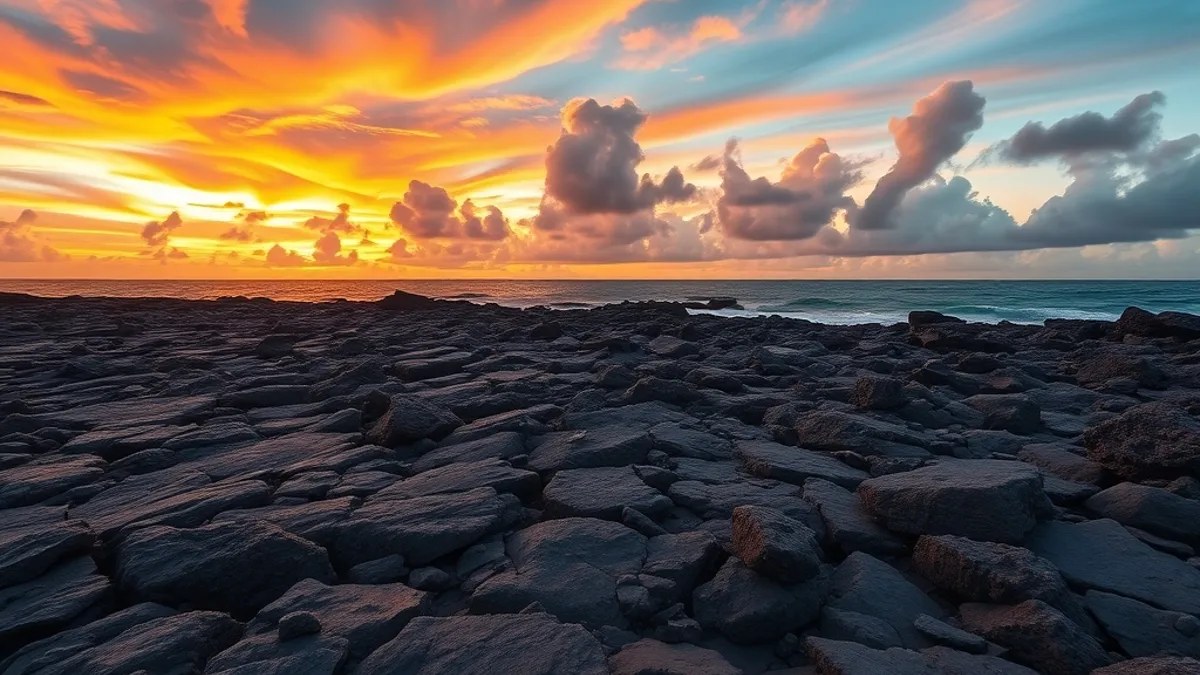
The west coast faces the sunset over the Indian Ocean, and that simple fact shapes the whole experience here. Evenings in Flic en Flac and Le Morne end with the sun dropping straight into the sea, often with a drink in hand on the beach. This is also the driest and most sheltered side of the island, so you get more usable beach days year-round than almost anywhere else in Mauritius.
Flic en Flac is the workhorse of the west: a long, broad beach lined with everything from mid-range hotels to luxury resorts, plus enough small restaurants and shops nearby to keep evenings varied. The transfer from the airport typically takes around 1-1.5 hours, which is worth factoring in if you land after a long flight. The water is generally calm and good for swimming, though the reef here is wider than on the east coast, so snorkeling straight from shore is less rewarding.
Le Morne and the southwest corner
Head further south and the landscape turns dramatic. Le Morne Brabant, a Unesco World Heritage-listed mountain, rises steeply above a turquoise lagoon, and steady trade winds funnel across the bay. That combination has made Le Morne the island’s kitesurfing and windsurfing capital, drawing international riders and beginners alike. If you want to try either sport, this is where the schools and rental setups are.
The southwest is also the best base for two of Mauritius’s classic excursions: dolphin-watching boat trips, which typically depart from the Black River area in the early morning, and hiking in Black River Gorges National Park, where trails wind through native forest with viewpoints over the coast. Nature lovers and active travelers will find more to do here than on any other coast.
When to Book Each Coast
Mauritius doesn’t have a low season so much as a cheaper one. October to April is peak season island-wide, with temperatures of 25-33°C, warm seas and the busiest flight schedules. This is when the island feels most alive: beach bars fill up, water sports operators run at full capacity and every resort puts on its fullest program of activities. The trade-off is crowds and higher rates. If you’re set on those months, reserve 3-6 months ahead to secure the best rates, especially for the larger five-star properties that fill up early.
May to September brings noticeably lower prices and cooler, drier weather at 20-26°C. It’s a good window for hikers, sightseers and travelers who prefer quieter beaches, and the sea is generally still warm enough for swimming. Keep in mind that the coasts don’t behave the same way in these months, which is where the list below comes in.
- June to August on the east coast: the southeast trade winds are at their strongest, so pack a light windbreaker and expect breezy pool days even when the sun is out. Sheltered lagoon swimming is still possible, but the wind changes the feel of the beach entirely.
- January to March cyclone season: heavy rain can interrupt beach days during these months. If a washed-out afternoon would genuinely ruin your trip, consider shifting your dates or choosing the west coast, which stays driest year-round.
- Shoulder-month strategy: May and September often combine lower rates with milder wind than midwinter, making them a sweet spot for travelers watching both budget and weather.
Whichever coast you choose, check current flight schedules and resort availability before locking in dates, since both shift from year to year. It’s also smart to confirm whether your chosen resort adjusts its restaurant openings or activity schedules in the quieter months, as some smaller properties scale things back when occupancy drops.
Which Mauritius Resort Area Fits Your Trip
Once you know what kind of trip you’re taking, the right coast usually picks itself. The mistake most first-time visitors make is choosing a beautiful resort and only then asking where it sits — in Mauritius, the location determines your beaches, your excursions and your evening options. A gorgeous hotel on the wrong coast can leave you with wind where you wanted calm, or a long drive every time you want dinner off-site.
Start with your travel style. If you want privacy, quiet water and long stretches of sand with few people around, the east coast delivers. If you want to walk out of your hotel to restaurants and bars, the north is the only coast where that’s realistic. And if your days revolve around the water — sailing, riding, diving — the west has the wind, the reefs and the boats. Match the coast to your priorities before you fall in love with a lobby photo.
- Honeymooners: the east coast lagoons around Belle Mare offer the most privacy, with resorts spaced far apart on long beaches. Le Morne is the alternative if you’d rather trade some seclusion for dramatic mountain-and-lagoon scenery and sunset evenings.
- Families and first-timers: Grand Baie in the north pairs sheltered, gentle water with walkable dining, so you’re not dependent on hotel restaurants every night. Shorter transfers between sights also help with younger children.
- Watersports lovers: the west coast is the clear pick, with kitesurfing and windsurfing at Le Morne, dive sites along the Black River stretch and early-morning dolphin-watching trips close by.
- Budget-minded travelers: mid-range resorts typically run 150-300 USD per night, and the biggest clusters are in Flic en Flac and Grand Baie, giving you beach access without luxury pricing.
Choosing Between Mauritius’s Three Coasts
So which side of Mauritius should you book? The east offers quiet lagoons and secluded five-star resorts, the north delivers calm swimming water plus nightlife within walking distance, and the west pairs dry weather with the island’s best sunsets. There is no wrong answer, only a right match for your travel style.
Remember that wind and season shape each coast differently, so match the coast to the months you are traveling, and book 3-6 months ahead for the widest choice across all three resort areas. If this helped you decide, leave a comment or share the article with a fellow traveler.