Both promise overwater bliss, but Fiji and Tahiti differ so much in price, scenery and vibe that choosing wrong can define the whole trip. One couple books a week in Fiji expecting Bora Bora-style bungalows and finds family-friendly island resorts instead; another pays Tahiti prices only to realize their diving budget would have gone much further in Fiji. The Fiji vs Tahiti decision matters more than most travelers expect.
This guide breaks the choice down into the comparisons that actually affect your booking: how the two destinations stack up at a glance, how their beaches and scenery differ, when to go for the best weather, what resorts realistically cost, which traveler each destination suits best, and how to time your booking and flights. By the end, you should know exactly which South Pacific island group fits your budget and travel style, and why.
Fiji vs Tahiti at a Glance
Start with the big picture, because it shapes every other decision. Fiji spreads across more than 300 islands, with the main resort clusters around Viti Levu and the Mamanuca and Yasawa groups. That spread creates an unusually wide range of price points: you can sleep in a simple, backpacker-friendly bure for a modest nightly rate, or splurge on a private island retreat with overwater bures at the top end. Few destinations offer that kind of ladder from budget to luxury within a two-hour boat or flight radius.
Tahiti, more precisely French Polynesia, is the classic honeymoon archetype. The postcard images you have in your head, thatched bungalows floating over electric-blue water with a jagged green peak behind them, come from Bora Bora and Moorea. The resort scene is centered on a handful of flagship properties, and the experience is polished, romantic and deliberately exclusive.
The core trade-off
The honest summary is this: Fiji delivers more value and more variety, while Tahiti delivers iconic scenery at a premium. If your budget is flexible and you want the famous overwater bungalow shot, Tahiti is hard to beat. If you want more nights, more islands and more options for the same money, Fiji usually wins. The sections below put numbers and details behind that trade-off.
Scenery and Beaches: Coral Lagoons vs Volcanic Drama
Beach days look different in each destination, and knowing the difference helps you match the trip to your style. Fiji’s Mamanuca and Yasawa islands are built for easy, swimmable water: soft white-sand beaches that slope gently into shallow coral lagoons. You can wade out a long way before it gets deep, which is exactly why these islands work so well for families and casual swimmers. Many resorts sit right on these lagoons, so a morning snorkel is often just a few steps from breakfast.
The volcanic backdrop of Tahiti
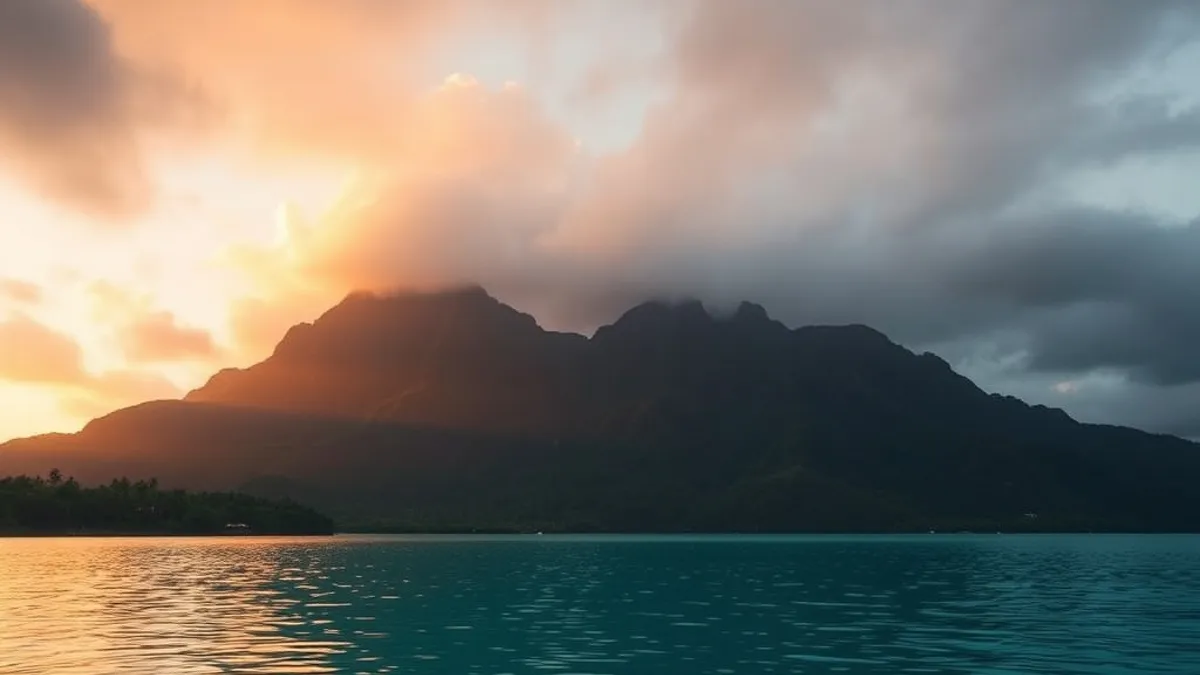
French Polynesia plays a different visual game entirely. Bora Bora’s Mount Otemanu rises sheer out of the lagoon, and Moorea’s jagged ridgelines frame the water like a film set. This is the cinematic backdrop Fiji simply cannot match, and it is a genuine reason to choose Tahiti if dramatic scenery is what you are after. The lagoons themselves tend to be calmer and clearer, ideal for floating, paddleboarding and relaxed swimming rather than long snorkel expeditions.
Where snorkelers and divers should lean
Fiji has the stronger claim underwater. Its reefs are known for soft coral diving, with the shallow lagoons of the Mamanucas offering easy snorkeling and more remote areas rewarding serious divers. Tahiti’s lagoons are beautiful but better suited to casual swimmers than to travelers whose trip revolves around the reef. If your priority list has diving near the top, that alone can settle the Fiji vs Tahiti question; if your priority is the view from your deck chair, Tahiti’s volcanic drama is worth the premium.
When to Go: Seasons in the South Pacific
Good news first: the South Pacific keeps things simple, because both destinations share the same seasons. The dry season runs from May to October in Fiji and in Tahiti alike, bringing lower humidity, calmer seas and the most reliable weather for boat transfers, snorkeling and beach days. This is when most resorts run at or near full occupancy, and it is the window most travelers should aim for.
From November to April, both countries move into the wet season. Humidity climbs, rain becomes noticeably more likely, and some days turn steamy and gray. That said, wet-season travel is not a write-off: showers often come in bursts, resort rates soften, and travelers who do not mind a little rain can find real value. The key is knowing what you are trading.
Choosing your month
- Peak dry-season months (June through September) bring the calmest seas and the best conditions for inter-island boat trips and lagoon swimming, but also the highest demand and the tightest availability at popular resorts.
- Shoulder months like May and October often combine good weather with slightly lower demand, which makes them a smart compromise if you want dry-season conditions without peak-season crowds.
- Wet-season months (November to April) suit travelers prioritizing lower rates and fewer people over perfect weather, especially in Fiji where the resort spread gives you more flexibility at short notice.
Whichever window you choose, remember that tropical weather is never guaranteed in either direction. A dry-season week can see a rainy afternoon, and a wet-season trip can string together sunny days. Check long-range forecasts close to booking, and build a little flexibility into your plans rather than treating the season as a promise.
What You’ll Pay: Resort Costs Compared
Money is where the Fiji vs Tahiti comparison gets sharpest. In Fiji, resort rooms typically run $200-$600 per night, which puts genuinely comfortable mid-range stays within reach of most travelers. Even many of the country’s better-known island resorts sit comfortably inside that band, and overwater bures occupy the top end if you want a splurge without leaving the country.
French Polynesia plays a different game. Overwater bungalows there usually cost $600-$1,200 per night, and that rate often covers only the room. Meals, drinks and lagoon activities are frequently billed separately, so a couple can easily double their nightly spend once dinner and a sunset cocktail are added.
Where the value sits
Budget travelers find genuine options in Fiji. Guesthouses, family-run island resorts and backpacker-friendly bures mean you can experience the South Pacific without a luxury budget, and you can still upgrade for a few nights if you want to. Tahiti rarely drops below the luxury tier once you’re on the resort islands, which is why many visitors treat it as a once-in-a-lifetime trip rather than a repeat destination.
One practical note: rates in both destinations swing noticeably with the seasons. Check current prices directly with resorts or a travel agent before you commit, since published ranges move from year to year.
Resort Styles and Who Each Destination Suits
The two destinations attract different travelers, and knowing which camp you fall into makes the choice much easier. Fiji suits families, divers and anyone who wants cultural interaction alongside beach time. Village visits, kava ceremonies and school tours are easy to arrange, and resort staff often come from nearby communities, so the experience feels personal rather than staged.
Fiji’s intimate island resorts
Many of Fiji’s smaller island resorts feel intimate and community-run. A single resort might occupy its own island, with a handful of bures, a shared dining table and staff who remember your name by day two. That scale works beautifully for families with children, who get space to roam, and for divers, who have easy access to soft-coral reefs that rank among the world’s best.
Tahiti’s polished luxury
Tahiti suits honeymooners and couples who prioritize overwater bungalows and polished luxury service. The flagship resorts on Bora Bora, Moorea and Tahiti are larger and resort-focused, with spas, fine dining and the kind of choreographed romance that honeymoon dreams are made of. Service standards are high and consistent, and the setting does much of the emotional work for you.
If you want to meet locals and keep the budget flexible, lean Fiji. If you want a cinematic, couple-centered escape where everything is handled, lean Tahiti.
Planning Your Booking: Timing and Flights
Getting to either destination is a long-haul commitment, so planning ahead pays off. The good news is that both countries are straightforward to reach from the United States, and the booking logic is similar for both. The main differences come down to flight length and how many extra hops you need once you land. Follow these steps to put your trip together without last-minute surprises.
- Book your resort 6-9 months ahead. This window gives you the best shot at dry-season dates and your preferred room category. Overwater bungalows and family bures sell out first, so early booking matters most if you have a specific room type in mind. If you are flexible on dates, ask the resort about quieter weeks within the dry season before you lock anything in.
- Check flight options from your gateway city. From Los Angeles, the flight takes about 11 hours to Nadi in Fiji and about 8 hours to Papeete in Tahiti. Schedules are limited, often with only a handful of weekly departures, so align your flight dates with resort availability before confirming either. Missing a flight day can cost you several days of your trip.
- Plan your inter-island transfers. In Fiji, the Mamanuca islands are a short boat ride or small-plane hop from Nadi, so you can be on the beach the day you land. Bora Bora requires a connecting flight from Tahiti, which adds cost and means an overnight near Papeete if your connection timing is awkward. Build that extra night into your budget and itinerary.
- Confirm transfer details with your resort. Many resorts arrange boat or flight pickups directly, and pre-booking these usually works out cheaper and smoother than arranging them on arrival. Ask exactly where you will be met and what happens if your flight runs late.
Give yourself a buffer day at the start of the trip in case of flight delays, and reconfirm all transfer times a week before departure. Keep copies of your booking confirmations on your phone as well as on paper, since wifi can be patchy on smaller islands. A little coordination up front keeps the long journey from eating into your first day on the water.
The Bottom Line: Which Island Should You Pick
So which one should you pick? It comes down to your priorities. If you want value, variety, soft-coral diving and family-friendly resorts spread across hundreds of islands, Fiji is your answer. If sleeping above a turquoise lagoon in an overwater bungalow, with volcanic peaks rising right outside your window, matters most, Tahiti delivers exactly that kind of trip.
Weather won’t decide it for you, since both destinations share the same dry season from May to October. That makes budget and travel style the real tiebreakers. Fiji rewards curious travelers who like having options, while Tahiti rewards those ready to splurge on a once-in-a-lifetime escape. Whichever way you lean, we’d love to hear about it, so leave a comment or share this article if it helped you decide.