Choosing between Rhodes and Corfu is a common dilemma for travelers planning a Greek island resort stay. Both islands deliver beautiful beaches, excellent hotels and plenty of sunshine, yet they feel remarkably different once you arrive. The Rhodes vs Corfu debate usually comes down to one question: do you want wide sandy shores and near-guaranteed sun, or lush green scenery and a softer pace?
This guide compares the two islands across everything that matters for a resort holiday, from beach character and the best resort areas to timing, prices, transport and evening atmosphere. By the end, you should have a clear sense of which island matches the trip you actually have in mind, rather than the one that happens to show up cheapest in a search.
Rhodes vs Corfu: Landscape and Beach Character
Rhodes and Corfu sit at opposite ends of Greece in more ways than one, and their landscapes set the tone for everything else. Rhodes, in the southeast Aegean, is a dry, sun-baked island with long stretches of sand along its sheltered east coast. The water there tends to be calm and clear, which makes swimming and easing into the sea easy even for nervous swimmers and young children.
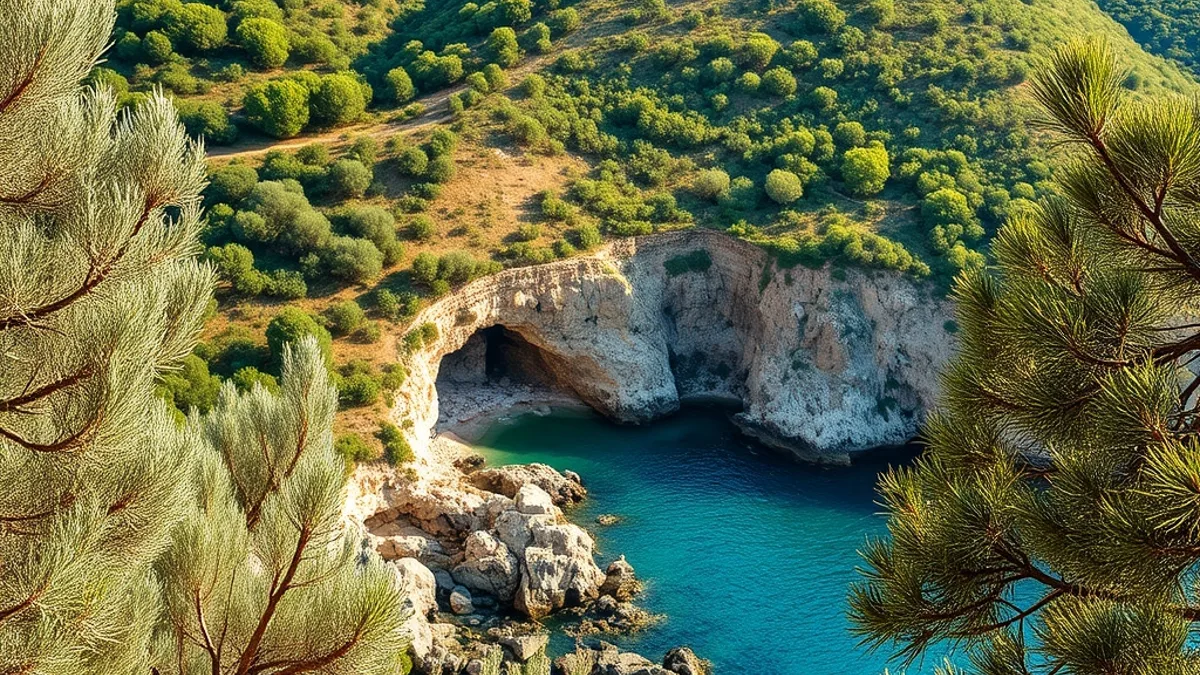
Corfu, floating off the northwest coast, looks like a different country. Olive groves and cypress trees cover the hillsides, and the island receives far more rainfall than Rhodes, which is exactly why it stays so green well into summer. Its beaches are a mixed bag: sandy coves in sheltered spots, pebble bays elsewhere, and a west coast that picks up bigger waves when the wind blows in from the open sea.
Which island fits your beach style?
If your priority is reliable sunshine, wide sandy beaches and water calm enough for leisurely swims, Rhodes is the stronger match. If you would rather trade some beach width for green hillsides, shaded walks and a more varied coastline, Corfu will feel like the better fit. Neither is objectively better; they simply reward different kinds of travelers.
Where to Stay on Each Island
Where you base yourself matters more on these islands than the hotel star rating or the price tag. Rhodes concentrates most of its large resort hotels on the sheltered east coast, while Corfu spreads its accommodation across the north, the west and the attractive capital. Matching the resort area to your travel style will do more for your holiday than chasing the cheapest package, because a well-located mid-range hotel often beats a fancier property that leaves you isolated or facing a long walk to dinner every evening.
On Rhodes, the east-coast strip near Faliraki and Kolymbia puts you close to the best sandy beaches, while the Old Town suits travelers who want atmosphere on the doorstep. Corfu’s northern resorts around Sidari and Agios Stefanos draw families with their gentle beaches, while Paleokastritsa trades beach space for some of the island’s most photographed coastal scenery. Think about how you will spend your days: swimmers and sun-seekers should prioritize beachfront, while explorers may prefer a town base with easy transport.
- Faliraki has the widest choice of large all-inclusive hotels and a lively strip of bars and restaurants, making it the pick for travelers who want entertainment within walking distance.
- Kolymbia sits quieter than Faliraki on the same stretch of coast, popular with couples who want beach access without the party scene.
- Rhodes Old Town puts you inside medieval walls surrounded by tavernas and boutiques, though you will trade a beachfront location for character.
- Lindos offers whitewashed lanes and smaller boutique-style stays beneath its famous acropolis, ideal for a more romantic base.
- Sidari in northern Corfu centers on a family-friendly sandy bay with shallow water, backed by apartments and mid-size hotels.
- Corfu Town combines culture, dining and a bus hub for exploring, a smart pick if you want to mix sightseeing with swimming.
Whichever island you choose, book the area that fits how you actually spend a holiday, not just the one with the lowest headline price. A resort that matches your pace saves money on taxis, day trips and meals out, and it usually makes the whole stay feel more relaxed from the first morning.
Best Time to Visit Rhodes and Corfu
Timing can change your Greek island trip more than the choice of island itself. The sweet spot for both Rhodes and Corfu falls in May, June and September, when the sea has warmed up, the weather is dependable and high-season resort rates typically run 40-60% above what you would pay in these shoulder months. That difference alone can upgrade you from a garden-view room to a sea-view suite.
Why Rhodes starts earlier
Rhodes is among the sunniest islands in Greece, averaging around 3,000 hours of sunshine per year. Its resort season accordingly kicks off around April and runs to October, so early-season travelers can often swim and sunbathe while Corfu hotels are still finding their rhythm. If you want the earliest possible start to the beach year, Rhodes has the edge.
Corfu’s shoulder-season trade-off
Corfu’s lush landscape comes at a price: the island receives far more rain than Rhodes, particularly in spring and autumn. That greenery is a fair trade in July and August, but shoulder-season weeks carry slightly more weather risk, with a shower more likely to interrupt your pool time. Swimmers should also note that sea temperatures become comfortable from late May to early October on both islands. Check typical conditions for your exact travel weeks before booking a shoulder-season stay on Corfu, especially if sunshine is non-negotiable.
Resort Prices and Value for Money
Price is where the two islands start to feel like different markets. On Rhodes’ east coast, all-inclusive packages dominate the big resort areas, and in peak summer they often work out cheaper than booking a room and paying for meals separately. If you plan to eat most dinners at your hotel anyway, an all-inclusive deal in July or August can be genuine value rather than a luxury.
How each island sells itself
Corfu skews in the opposite direction. You’ll find far fewer mega-resorts and a much larger share of small boutique hotels and family-run properties, often with a dozen rooms or fewer and a personal touch that big complexes can’t match. That suits travelers who want breakfast on a terrace and dinner in a village taverna, though it means fewer opportunities to lock in a bundled package price. Expect to compare room rates and meal costs separately rather than scanning package deals.
When to book
Whichever island you choose, timing matters. Booking 3-6 months ahead is the reliable way to secure the best sea-view rooms before July-August demand pushes rates up. If your dates are flexible, shifting your trip to May, June or September can save you more than any early-bird discount, since peak-season premiums on both islands are substantial. Check current rates directly with hotels or operators, as prices move with demand and differ noticeably between the two islands.
Getting Around and Day Trips
Both islands are easy to explore, but they reward different styles of travel. Rhodes has a clear spine: the east-coast road runs about 50 km from Rhodes Town down to Lindos, passing beaches and resort villages along the way. Lindos makes an easy day trip by public bus, rental car or an organized excursion, and the route is straightforward enough that a first-time visitor can do it without stress.
Transfers and distances on Corfu
Corfu is compact, which keeps transfer times short. The distance from the airport to northern resorts like Sidari is roughly 35-40 km by road, so your transfer typically stays under an hour even with a stop or two on the way. That’s a real advantage if you’re traveling with tired children or arriving on a late flight.
Do you need a car?
Car rental is worthwhile on both islands if you want to reach quieter beaches and inland villages that buses serve infrequently. The difference is the driving itself. Rhodes’ main roads are relatively wide and direct, while Corfu’s narrow country lanes, with stone walls, blind bends and the occasional oncoming car reversing into a passing place, demand slower and more careful driving. Rent something small, take your time, and check current rental terms and local driving rules with your operator before you go.
Food, Atmosphere and Evening Scene
Evenings are where the islands’ personalities really diverge. In Rhodes Old Town, you eat and drink inside 14th-century medieval walls, drifting between tavernas set in lanes that have barely changed in centuries. There’s something memorable about dinner under floodlit fortifications, and the Old Town’s mix of bars and restaurants keeps things lively well past sunset.
Corfu Town’s evening ritual
Corfu Town offers a different kind of atmosphere, blending Venetian and British influences in its arcades, squares and fortresses. The Liston promenade is the evening centrepiece, where locals and visitors take the traditional evening stroll and settle at café tables under the arcades. It feels elegant rather than rowdy, and it’s the best people-watching on either island.
Resort buzz or village calm
Outside the capitals, the mood splits clearly. Rhodes leans livelier and more resort-driven, with hotel entertainment, beach bars and busier strips around the main resort areas, especially in high season. Corfu feels more low-key and village-oriented, where evenings center on a family taverna, a plate of grilled fish and a carafe of local wine. If you want noise and options, Rhodes delivers; if you want your evenings to wind down gently, Corfu fits better. Neither is wrong, they simply suit different travelers.
Which Greek Island Should You Choose?
So which island delivers the resort stay you actually want? Rhodes is the stronger pick if reliable sunshine, wide sandy beaches and a huge choice of all-inclusive resorts top your list. Its long season and reputation as one of Greece’s sunniest islands make it the safer bet for a beach-focused holiday.
Corfu wins if you’d trade some sun guarantee for green scenery, boutique and family-run stays, and a slower, more village-like pace outside Corfu Town. In short: choose Rhodes for beach-and-sun reliability, Corfu for landscape and character. If this helped you decide, leave a comment or share the article with a fellow traveler.