Spa hotel stays promise relaxation, but many travelers arrive unsure what they have actually paid for. Is the sauna included? Will a massage cost extra? Do you need to bring anything beyond a swimsuit? Show up unprepared and you can end up spending far more than planned, or missing the facilities you booked the trip for in the first place.
This guide walks you through the whole process, from understanding what a spa hotel stay really includes to choosing the right property, booking the room and treatments at the right time, packing smart, and following spa etiquette on the day. We will also break down the costs that sit outside the room rate so you can budget honestly, then pull everything together in a final checklist. Read it before you book, and you will know exactly what to expect from check-in to your last treatment.
What a Spa Hotel Stay Actually Includes
Most spa hotels give guests free access to a set of core facilities: a heated indoor pool, a sauna or steam room, a hot tub, and usually a small fitness area. These are the backbone of any stay and typically require nothing more than your room key. If a property charges separately for these basics, that is worth knowing before you book.
What usually costs extra
Signature treatments such as massages, facials and body wraps are almost always priced separately from the room rate. Think of the spa facilities as your included playground and the treatment menu as à la carte. Many properties sweeten the deal with extras like thermal circuits, relaxation lounges stocked with herbal tea, and in-room wellness amenities such as aromatherapy kits.
Hotel with a spa vs. true spa hotel
There is a real difference between a hotel that happens to have a spa and a true spa hotel. The latter builds its entire identity around wellness: you will often find resident therapists, dedicated wellness menus in the restaurant, and a schedule built around classes and treatments. If wellness is the main reason for your trip, prioritize the second type.
How to Choose the Right Spa Hotel for Your Trip
Start by deciding what kind of trip this is. A destination wellness retreat puts treatments and healthy living at the center of every day. A spa-town cure combines your hotel with the town’s public baths and wellness culture. A city stay with a good spa attached treats the spa as a bonus after sightseeing. Each calls for a different property, so pick your purpose before you compare prices.
Compare the treatment menu, not just the rooms
Check whether treatments are an extra or bundled into the rate, since this can change the real cost of your stay significantly. Then read the actual treatment menu on the hotel’s website. A beautiful pool means little if the massage list is short and generic. For an example of a property where the spa is central to the experience, this review of a luxury spa hotel in Baden-Baden shows what to look for.
Spa towns like Baden-Baden in Germany pair hotel spas with historic thermal baths, making them a strong option if you want culture plus wellness. Wherever you look, read recent guest reviews specifically about the spa: comments on crowding, noise and facility upkeep tell you far more than room reviews alone.
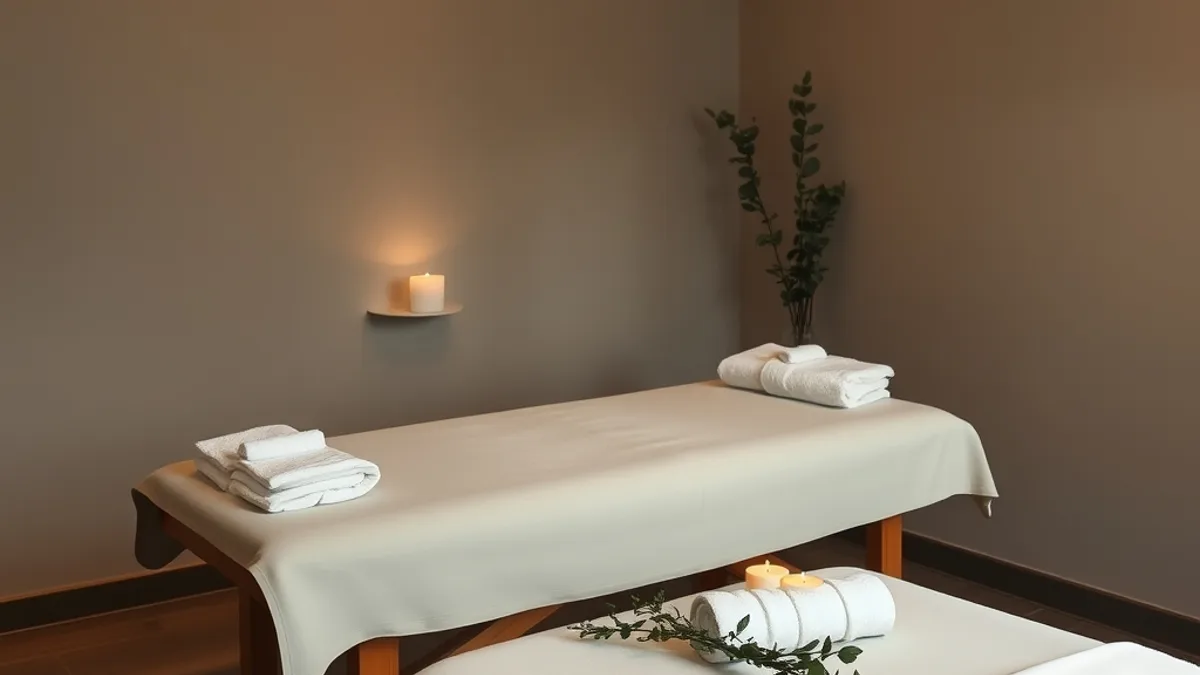
When and How to Book Your Spa Hotel Stay
Good spa trips are made at the booking stage. Because the best rooms and the most convenient treatment times tend to go first, the order in which you reserve things matters as much as when. The sequence below keeps your options open, protects your budget, and secures the treatment slots you actually want, whether you are planning a quiet weekend or a longer wellness-focused break.
- Reserve the room early for peak season. For June-August and holiday weeks, book 2-3 months ahead. If your dates are flexible, shoulder season stays in September-October and January-April typically run 20-40% cheaper, which can free up budget for an extra treatment or two.
- Plan 2-4 nights. A stay of this length gives you time to use the facilities without rushing between appointments. A single night rarely justifies the spa premium, since you will spend much of it checking in and out.
- Book individual treatments 2-4 weeks in advance. Do this once your stay is confirmed. Evening slots fill first, so early booking matters most if you want a post-sightseeing or pre-dinner session. Ask about cancellation terms when you reserve, in case your plans shift.
- Ask about multi-day packages. Bundles of 3-5 treatments typically save 15-25% compared with booking sessions one by one, so request the current package options when you reserve. Make sure the included treatments suit your goals rather than simply filling the schedule.
Once your room and treatments are locked in, you can shift your attention to packing and planning your arrival time. Having the schedule settled in advance also lets you pace your days sensibly. Leave gaps between treatments for the pool, sauna and quiet lounges rather than cramming everything into one afternoon, and note which days have the earliest starts so you can adjust dinner plans accordingly.
What to Pack for a Spa Hotel Stay
Packing for a spa hotel stay is refreshingly simple, but a few small choices make a big difference in how relaxed you actually feel. The biggest mistake travelers make is bringing only one swimsuit. Wet areas like the pool, hot tub and steam room are the heart of the experience, and a damp suit is miserable to put back on a few hours later. Pack two so one is always dry.
Robes and slippers are usually provided in your room, but not guaranteed, especially at smaller properties. Comfortable loungewear fills the gap either way, since you will spend real time moving between treatments, the sauna and the relaxation lounge. Here is a practical checklist:
- Two swimsuits — rotate them so you never squeeze into a cold, wet suit, and bring a small waterproof bag to carry the damp one home.
- Flip-flops or sandals — wet tile floors around pools and saunas get slippery, and shared surfaces are more hygienic with footwear on.
- Comfortable loungewear — soft pants and a light layer work well, since spa areas can swing from steamy hot to pleasantly cool.
- Reusable water bottle — heat and steam dehydrate you faster than you expect, and most spas have refill stations near the herbal tea corner.
- Hair ties or a headband — essential for keeping hair off your face and out of the water during sauna and steam sessions.
- A book or e-reader — relaxation lounges are usually phone-free zones, so analog entertainment is your best companion.
One last note: leave fine jewelry at home. Rings and necklaces get in the way during massages, react poorly to chlorine and heat, and add worry to what should be a worry-free stay. A simple watch is all you need for keeping track of treatment times.
Spa Etiquette and Your Day-of Routine
Your first spa treatment sets the tone for the whole stay, and a little routine know-how goes a long way. Spa hotels run on quiet, punctuality and a short but important conversation with your therapist, so it pays to understand the rhythm before you walk in. Treatments usually start exactly on time, and late arrivals often mean a shortened session rather than a delayed one. The good news is that none of this is complicated: a bit of planning around arrival, paperwork and etiquette will make the experience feel effortless. Follow these steps and you will settle in comfortably:
- Arrive 30-45 minutes before your treatment. This buffer gives you time to check in, change, fill out the health intake form and enjoy the thermal facilities beforehand. Warm muscles from the sauna or hot tub also make massages more effective.
- Complete the health intake form honestly. Note recent surgeries, medications, skin conditions and pregnancy if relevant. Therapists use this to adapt your session safely.
- Learn the house rules. Spa areas are quiet zones: keep your voice low, silence your phone and follow posted signs. In Europe, some sauna areas are textile-free, so check the signage before walking in with a swimsuit.
- Speak up during the consultation. The few minutes before your treatment are the moment to mention injuries, allergies or pressure preferences. A good therapist will adjust, but only if you say something.
- Handle the tip correctly. In the US, plan on 15-20% of the treatment price. In Europe and much of Asia, a service charge is usually already included, so check your bill first.
After your session, take your time rather than rushing off. Drink water, rest in the relaxation lounge and let the benefits settle in before your next activity. Therapists generally recommend avoiding strenuous exercise, sunbathing and heavy meals right after a massage, so schedule the rest of your day gently. If you have a second treatment booked later, a light lunch and a short walk are usually a better choice than an intense workout. Many guests also find that skipping their phone for an hour or two after a session extends the calm; the relaxation lounge exists precisely for this, so use it.
Finally, remember that one treatment rarely transforms a stay on its own. If your trip includes several sessions, jot down how each one felt and any pressure or products you liked. Mentioning this at your next appointment helps the therapist build on the previous work, which is exactly what a multi-day spa stay is designed for.
Budgeting Beyond the Room Rate
The room rate is only the starting point of a spa hotel budget. Treatments, tips and small extras can easily double your final bill if you have not planned for them, so it pays to do the math before you book rather than after. A little preparation here keeps the relaxation from turning into sticker shock at checkout.
Treatment costs and tipping
Plan on roughly $120-250 for a 60-minute massage or facial at mid-range to luxury properties, with prices climbing toward the top of that range at well-known resorts. Tipping expectations vary a lot by country: in the US, gratuity on top of the listed treatment price is customary, while in Europe and much of Asia the bill often already covers service. Ask at the spa desk or when booking so you neither tip twice nor leave your therapist shortchanged.
Extras that quietly add up
Some city hotels charge a separate spa access fee even for guests, and premium wellness classes or personal training sessions are almost never part of the room rate. Minibar recovery drinks and smoothies after treatments feel earned but accumulate fast. Ask about all of these at check-in so nothing surprises you on the final bill.
Multi-treatment packages can bring the per-session price down compared with booking sessions one by one, but only commit if you would genuinely use every session. Compare the package price against the sum of the individual treatments you actually want. A discount on treatments you skip is no discount at all.
Wrapping Up Your Spa Hotel Stay Plan
A spa hotel stay combines accommodation with wellness facilities like pools, saunas and hot tubs, while treatments such as massages and facials are usually priced on top of the room rate. Knowing that split up front is what keeps the budget from surprising you. Book the room 2-3 months ahead for peak season, reserve individual treatments 2-4 weeks out, and aim for a 2-4 night stay so the spa premium actually pays off.
Preparation is simple once you know the routine. Pack two swimsuits and comfortable loungewear, arrive 30-45 minutes early for each treatment to settle in and fill out the intake form, and budget $120-250 per session plus tips where a service charge is not already included. With those pieces in place, you can spend your stay relaxing instead of worrying about logistics. If you have a favorite spa hotel tip or a question we did not cover, leave a comment below or share this article with a friend planning a wellness getaway.