You’ve probably scrolled past photos of a hotel set in an old palace or a converted monastery and wondered the same thing: does staying in heritage hotels actually feel special, or do you sacrifice comfort for atmosphere? It’s a fair concern. Old buildings can mean small rooms, quirky layouts and inconsistent climate control, even when the nightly rate rivals a modern chain.
The good news is that a heritage stay can deliver both character and comfort, as long as you know what to look for before booking. These properties work differently from standard hotels, in how they’re built, how they’re run and what you’re really paying for. In this article, we’ll break down what makes heritage hotels different from modern ones, the main types of historic stays around the world, the checks to make before you book, how to secure the best room and rate, what they typically cost, and how to decide if one is worth it for your trip.
What Makes Heritage Hotels Different From Modern Hotels
Heritage hotels occupy buildings that are usually 50 to 200+ years old, and many started life as something else entirely: mansions, monasteries, palaces or trading houses. A large share of them carry official historic protection, which shapes almost everything about how the property looks and operates. You’re not checking into a room that was designed as a hotel room; you’re staying in a space that was adapted to become one.
That original architecture has a direct consequence for guests: no two rooms are alike. Ceiling heights can change from floor to floor, floor plans follow the footprint of the old building rather than an efficiency template, and window sizes vary depending on where openings were cut decades or centuries ago. If you stay twice and request the same category, you may still get two very different rooms.
Why the details feel so authentic
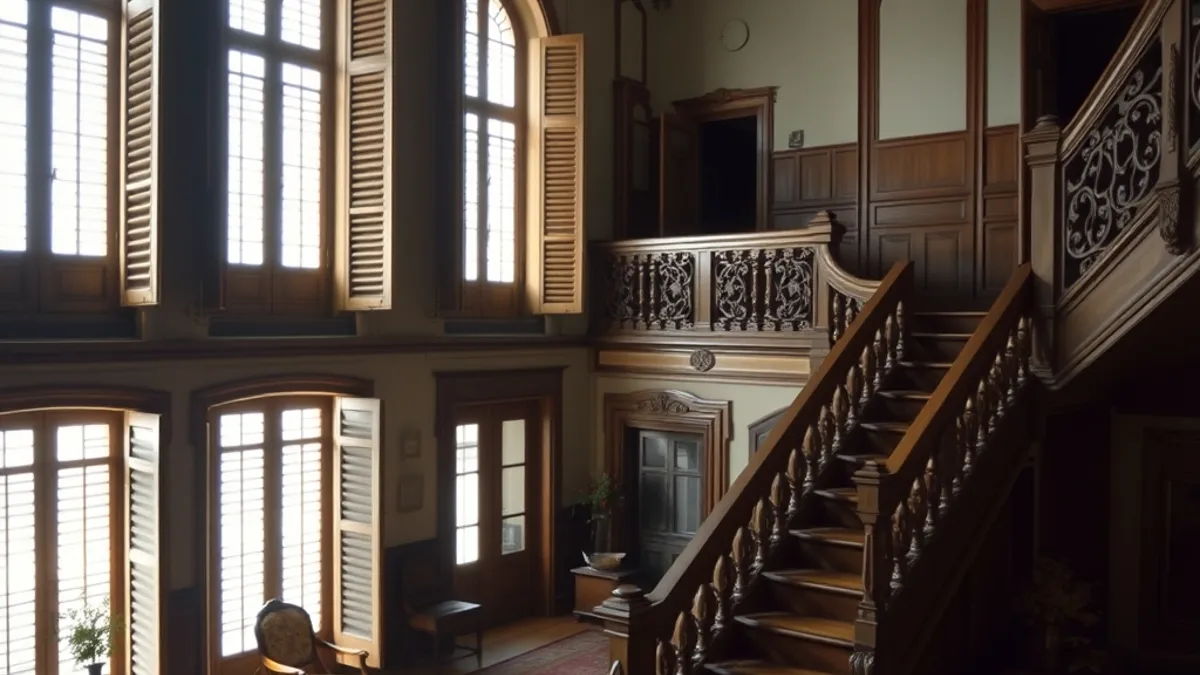
Restoration rules typically protect facades and structural features, so owners can’t simply gut the building and start over. Instead, they invest in period details like tiled floors, exposed wooden beams and antique furnishings, which is why the interiors often feel cohesive with the building rather than stamped on top of it. The trade-off is practical rather than aesthetic: heritage rooms are often 15-30% smaller than standard rooms in modern hotels, and layouts can feel irregular, with awkward corners, split levels or bathrooms tucked into unexpected places. If you value space and predictability above all, that’s the honest compromise you’re accepting.
The Main Types of Heritage Stays Around the World
The Main Types of Heritage Hotels
Heritage hotels aren’t one single category. The building’s original purpose shapes everything from how you enter to where breakfast is served, and knowing the main types helps you match a property to the trip you want.
State-run heritage networks are the most standardized option. Portugal’s pousadas are the classic example: the country has converted castles, convents and fortresses into hotels while maintaining consistent service standards across the network, so you get a taste of history without the unpredictability of a one-off boutique property. If you want to see how one of these works in practice, check out this detailed review of a pousada hotel in Lisbon, which walks through the experience room by room.
Colonial mansions turned boutique hotels dominate the historic centers of many Latin American cities, and most are built around interior courtyards, with rooms opening onto shaded arcades and fountains replacing lobbies. In Japan, traditional ryokan offer a hospitality format that is itself centuries old: tatami rooms, communal baths and multi-course dinners served in your room or a dining space, an experience defined as much by ritual as by the building.
- Converted palazzos in Italian cities often follow the logic of a noble residence, with grand staircases and salons repurposed as common areas, so the most impressive spaces may be shared rather than part of your room.
- Haciendas in Latin America and Spain frequently retain their working layouts, with guest rooms arranged around former production areas, chapels or stables, which makes the grounds as much a reason to book as the rooms.
- Caravanserais along historic trade routes, particularly in parts of the Middle East and Central Asia, were built around a single open courtyard for travelers and their animals, so many conversions place all rooms and restaurants within that enclosed central space.
What to Check Before Booking a Historic Property
A heritage hotel can look flawless on its website and still surprise you at check-in, so a few targeted questions before booking save a lot of frustration. The biggest one concerns where your room actually sits: ask whether your room category is in the original building or a renovated annex. Renovated wings usually have newer bathrooms and climate control than original sections, and the difference between the two can be dramatic in water pressure, soundproofing and cooling.
Climate control deserves its own check. Protected buildings sometimes restrict visible units on facades and rooftops, which means air conditioning and heating quality can vary noticeably from room to room. If you’re traveling somewhere hot or cold, email the hotel and ask specifically about the cooling or heating in the category you’re booking, not just whether the property “has air conditioning.”
- Accessibility: protected facades mean many heritage buildings cannot add elevators or enlarge windows, so many properties are multi-story with no lift at all. Confirm step-free access, room location and bathroom layout before booking rather than assuming.
- Room size: heritage rooms rarely match the square meters of chain hotels, and official renders often flatter them. Scroll through recent guest photos on booking platforms to judge real dimensions, furniture placement and where the bathroom actually sits.
One last habit worth adopting: read the newest reviews rather than the overall score. Older buildings change as renovations move through wings and floors, and recent guest comments will tell you which section of the property is currently in the best shape.
How to Get the Best Room and Rate at a Heritage Hotel
Small heritage properties often have fewer than twenty rooms, and many sit inside buildings that cannot be expanded. That limited inventory is why booking 3 to 6 months ahead matters so much. For high season dates, when demand is strongest and room counts are lowest, start looking even earlier. If you wait until the last minute, you will typically be left with the rooms other guests did not want.
Once you have booked, send the hotel a short email. Ask whether a recently renovated room is available, or request a specific wing if the property has several. Small properties in particular often honor these requests when they can, and a friendly note costs you nothing. Mentioning a special occasion can help too, since upgrades at historic hotels frequently happen by personal arrangement rather than automatic policy.
Timing your stay
Shoulder season is the heritage traveler’s friend. Stays during these quieter weeks can cost 20 to 40% less than peak dates, and historic city centers are also far less crowded, which makes the setting easier to enjoy. You get the same building, the same breakfast room and the same courtyard, without the lines outside the door.
Before committing, compare the hotel’s own website against online travel agencies. Heritage hotels often add value on direct bookings rather than cutting the rate: think a room upgrade, breakfast included or a flexible cancellation policy. Weigh those perks against any OTA price difference, and check what each option actually includes before you decide.
What Heritage Hotels Cost and When They Are Worth It
Most heritage hotels charge between $150 and $600 per night, which puts many of them in the same bracket as full-service chain hotels. Flagship properties in major cities regularly exceed that range, often surpassing $500 to $1,000 per night, especially when the building itself is a famous landmark.
Understanding what you are actually paying for helps put those rates in perspective. You are paying for location and building, not amenities. Many heritage hotels skip the gyms, pools and business centers that chain hotels use to justify their rates, because restoration rules and limited space make those facilities impractical. The value sits in the original architecture, the address in the historic center and the one-of-a-kind rooms.
When the splurge makes sense
Heritage hotels shine on milestone trips and in destinations where history is the whole point. A honeymoon, an anniversary or a long-planned visit to a historic capital gets real value from a stay inside a centuries-old building. They are a weaker choice when you need predictable rooms, late check-in flexibility or full accessibility, since protected facades often prevent elevators and layouts can be irregular.
A simple test: if a heritage hotel’s rate climbs far above a nearby modern property, ask yourself whether the building itself is central to your trip. If it is, the premium is usually justified. If you would honestly be just as happy in a comfortable chain hotel down the street, book that instead and spend the difference elsewhere.
Final Thoughts on Choosing a Heritage Hotel
So can a heritage hotel deliver the comfort of a modern property? It can, as long as you know what you are trading. These hotels swap standardization for character: original architecture, rooms that never repeat and a strong sense of place that no chain can copy. Comfort is there, but it comes with quirks like smaller rooms and irregular layouts.
The key checks are simple: find out which building your room sits in, confirm climate control, verify accessibility and book 3 to 6 months ahead. At $150 to $600 per night, or more for flagship properties, heritage hotels reward travelers who value history over uniform amenities. If that sounds like you, the extra planning pays off the moment you step into the lobby. Have you stayed in a heritage hotel you loved? Share your experience in the comments or pass this article along to a fellow traveler.